



Sugar & Syrup Decolorization
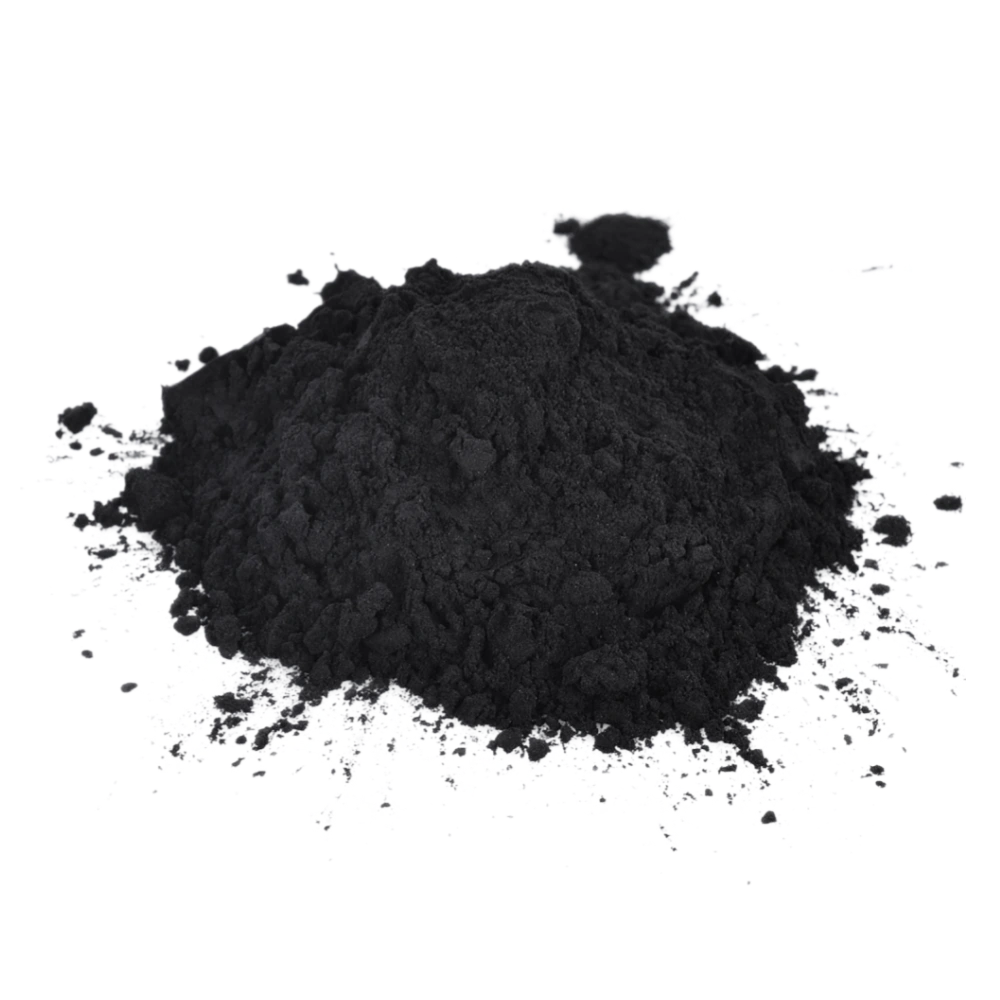
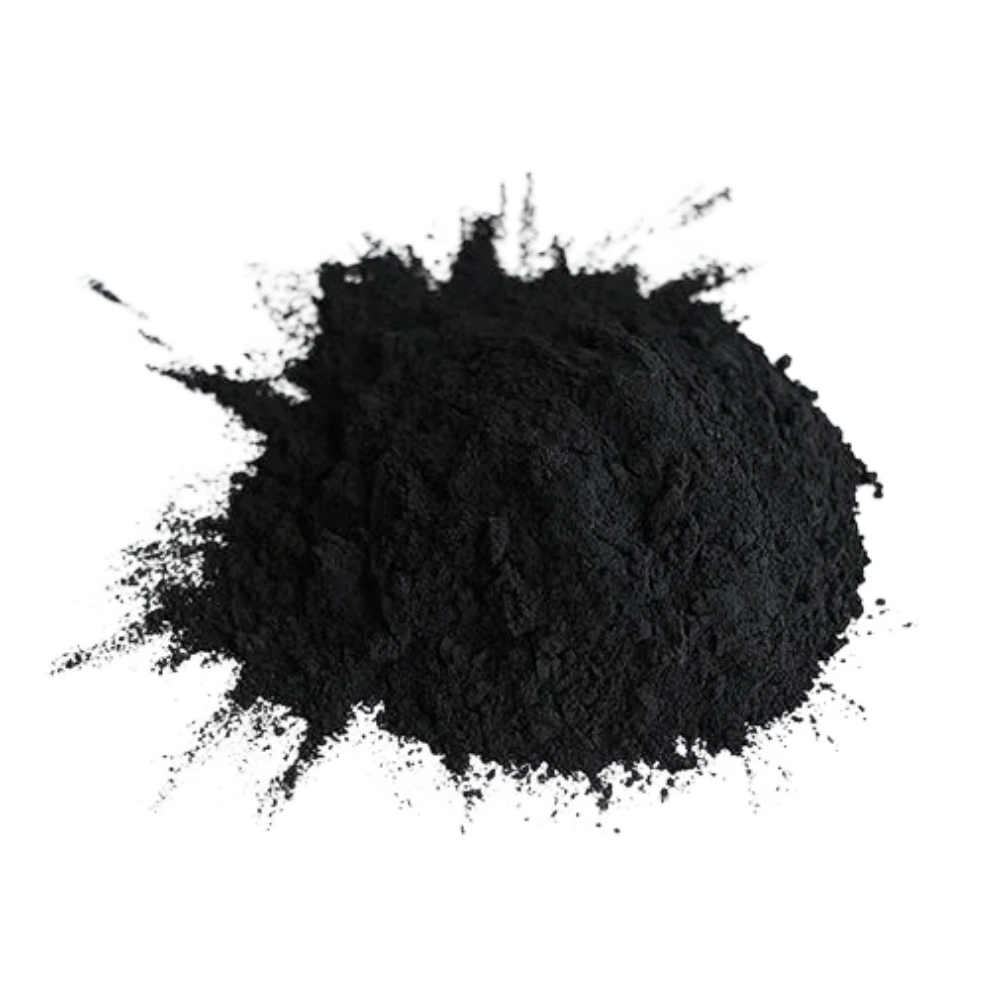
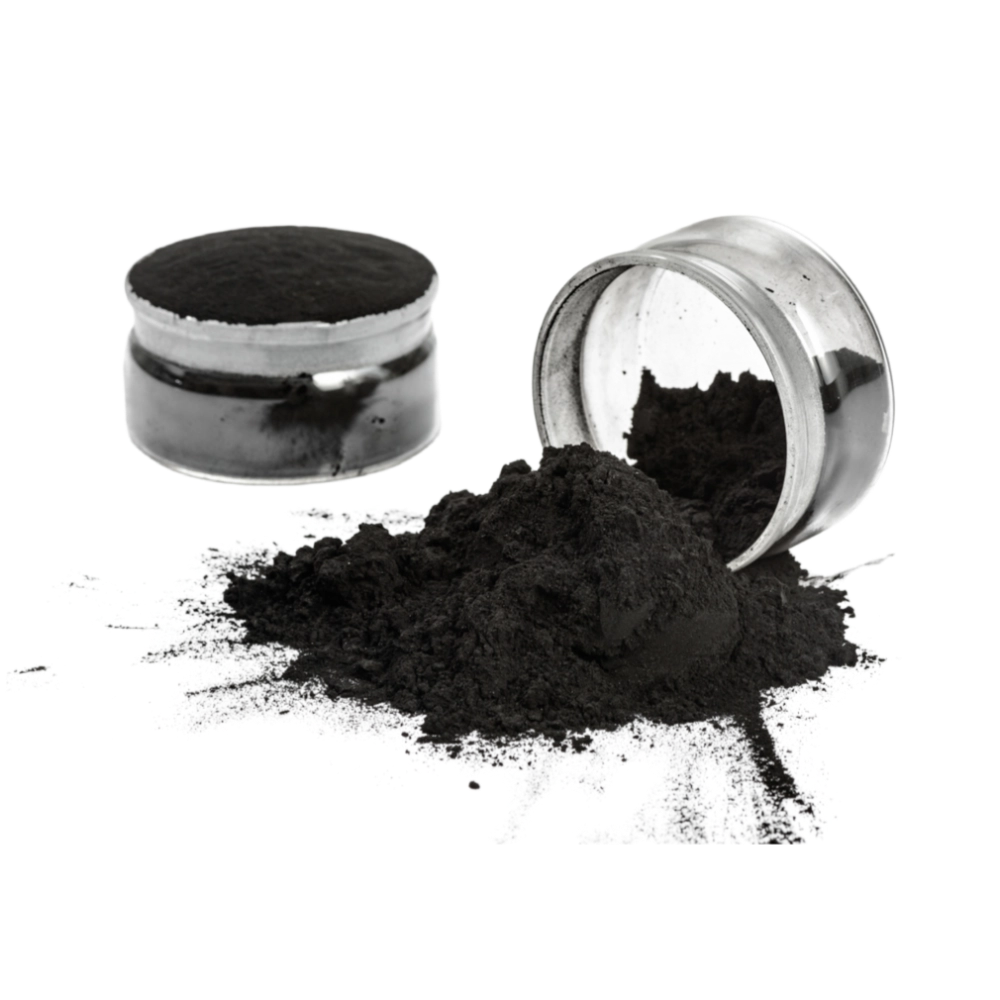
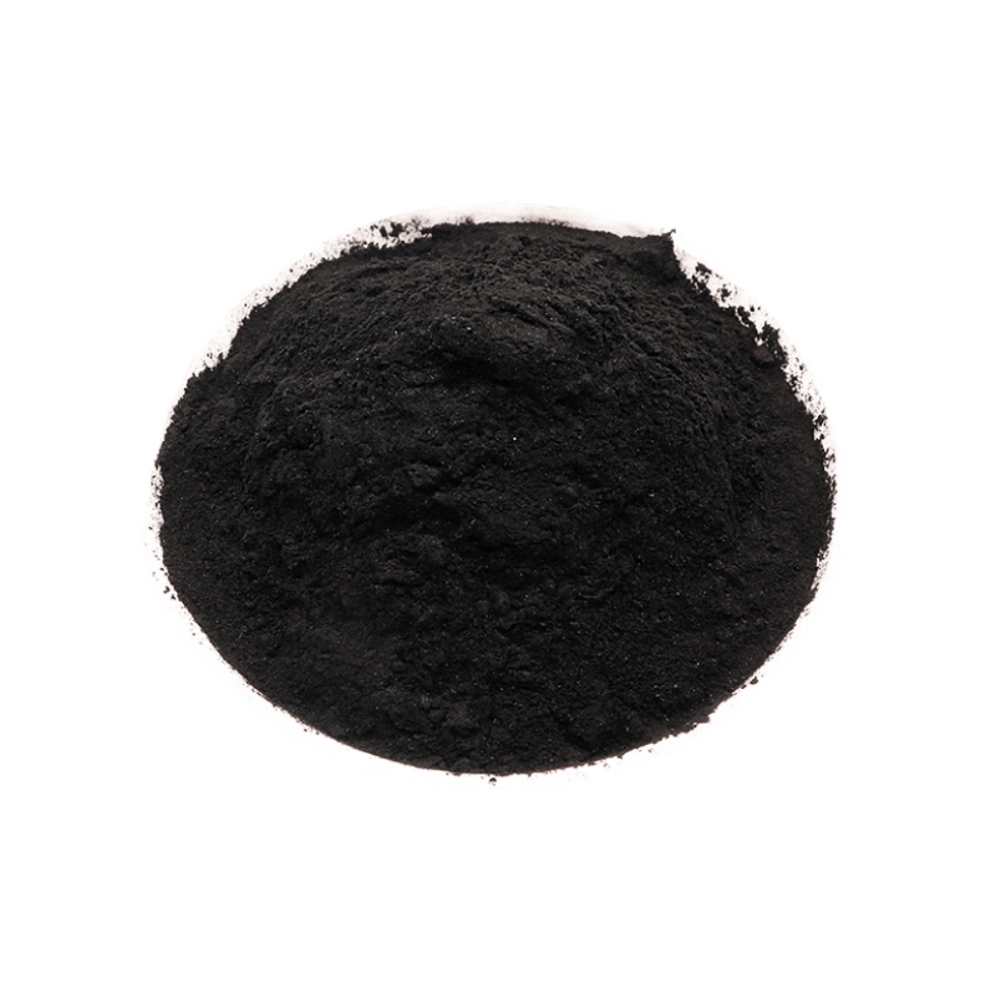
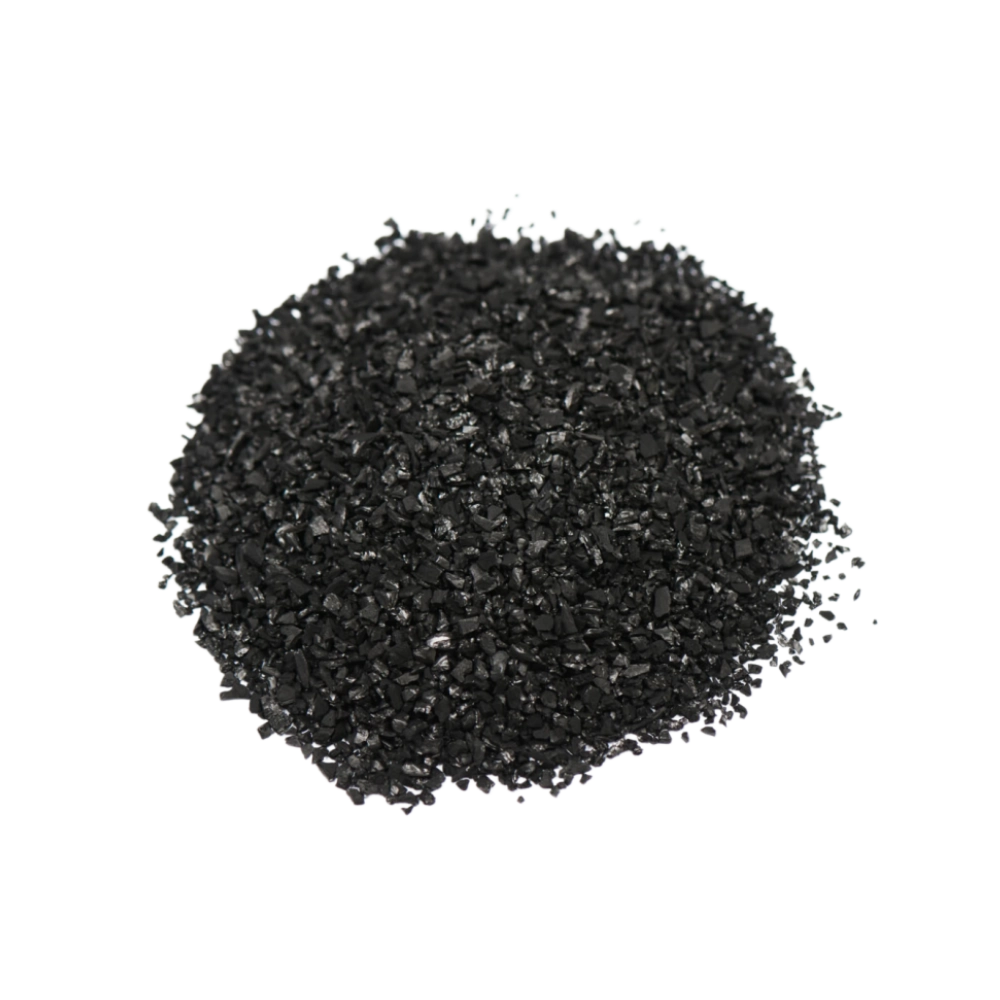
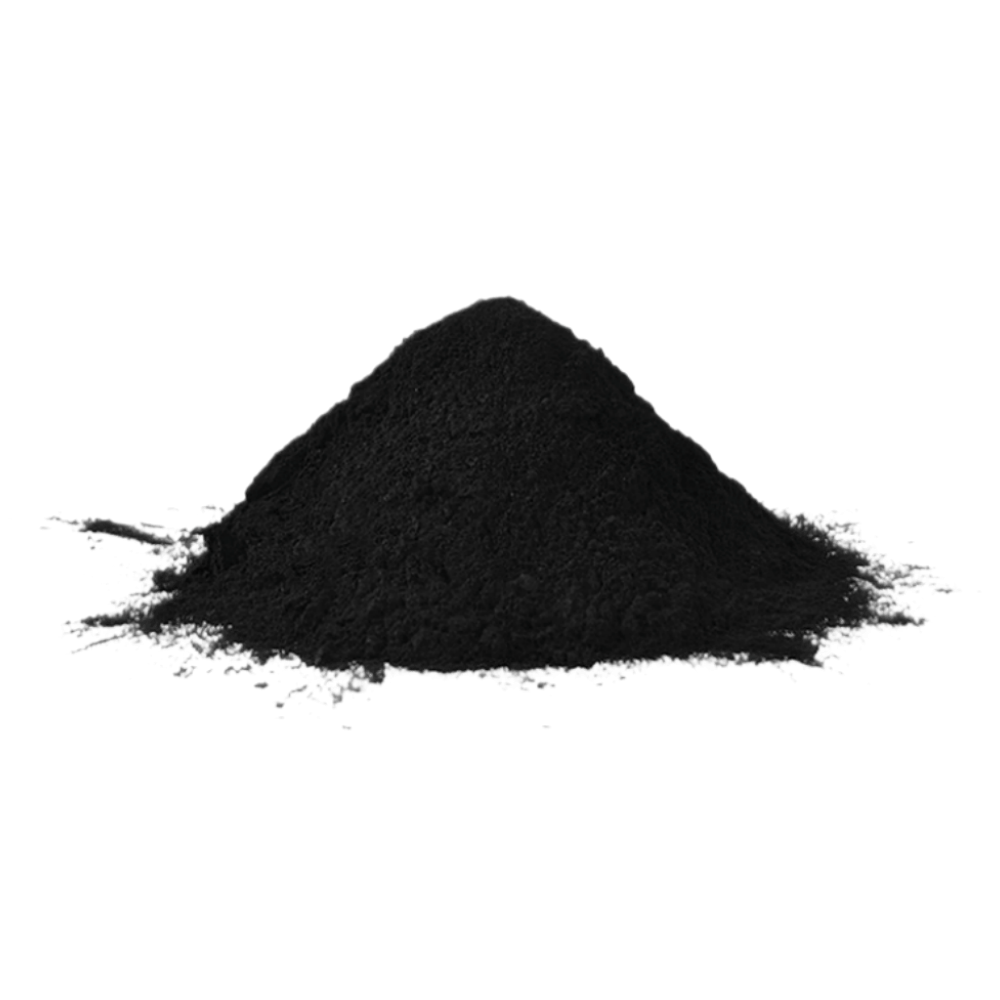
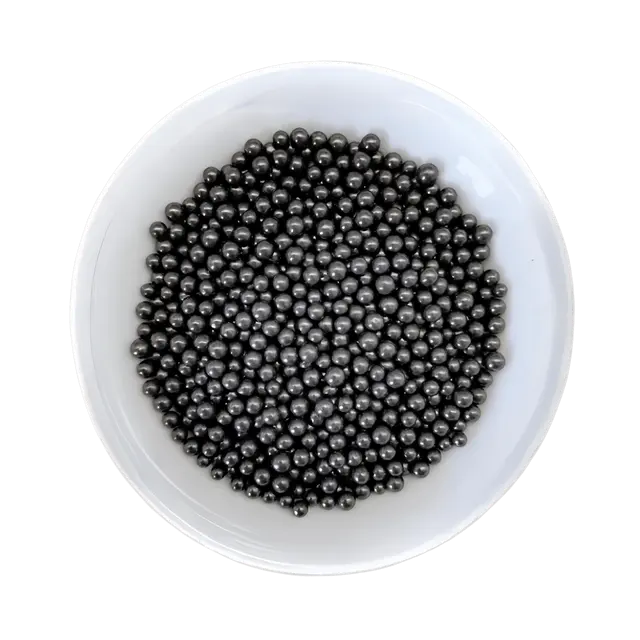
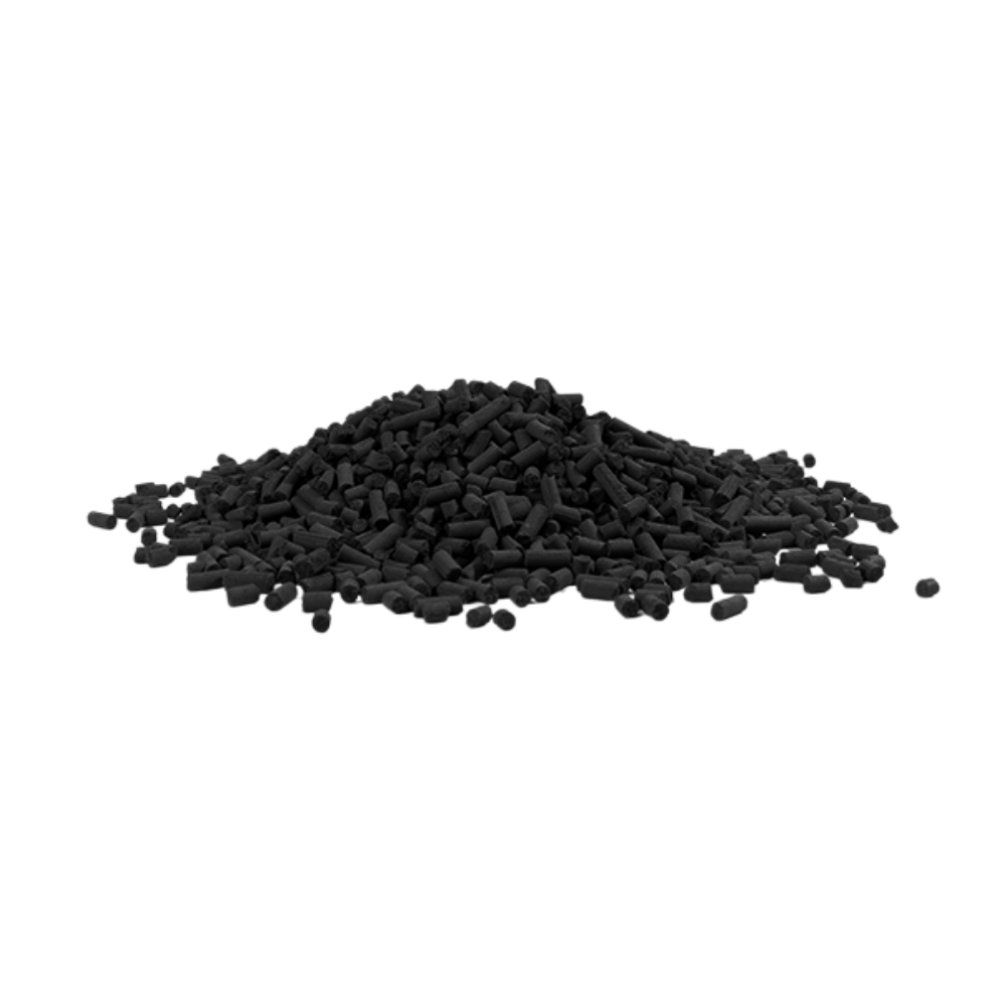
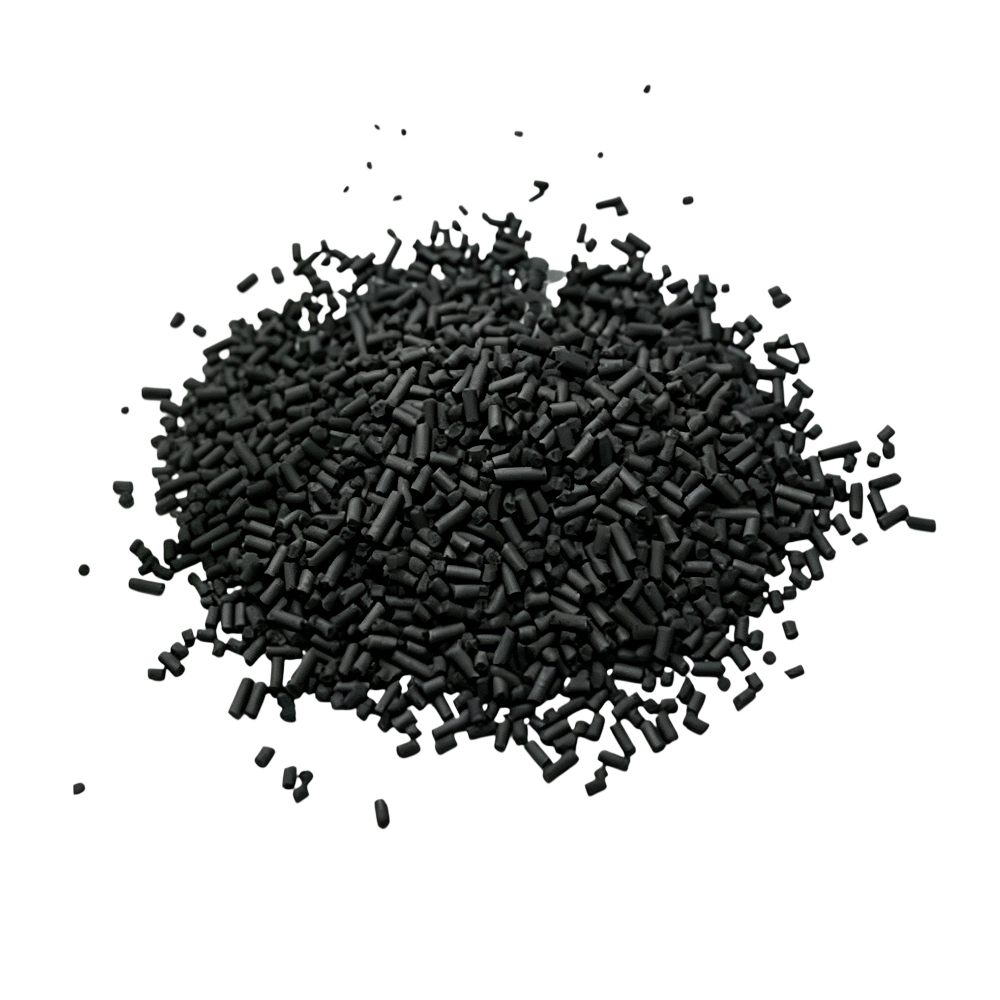
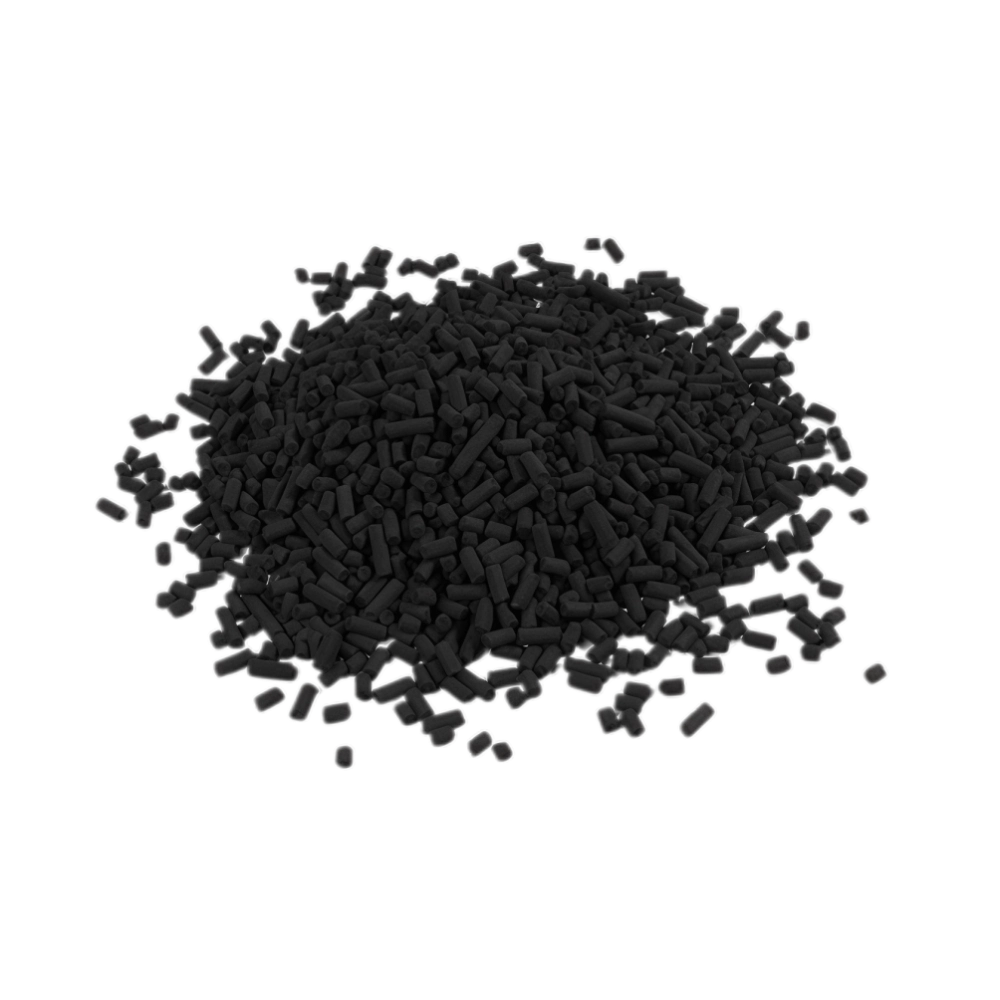
Activated Carbon for Sugar and Syrup Decolorization
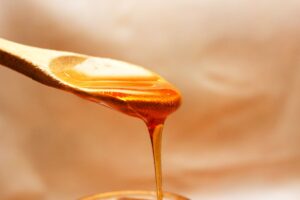
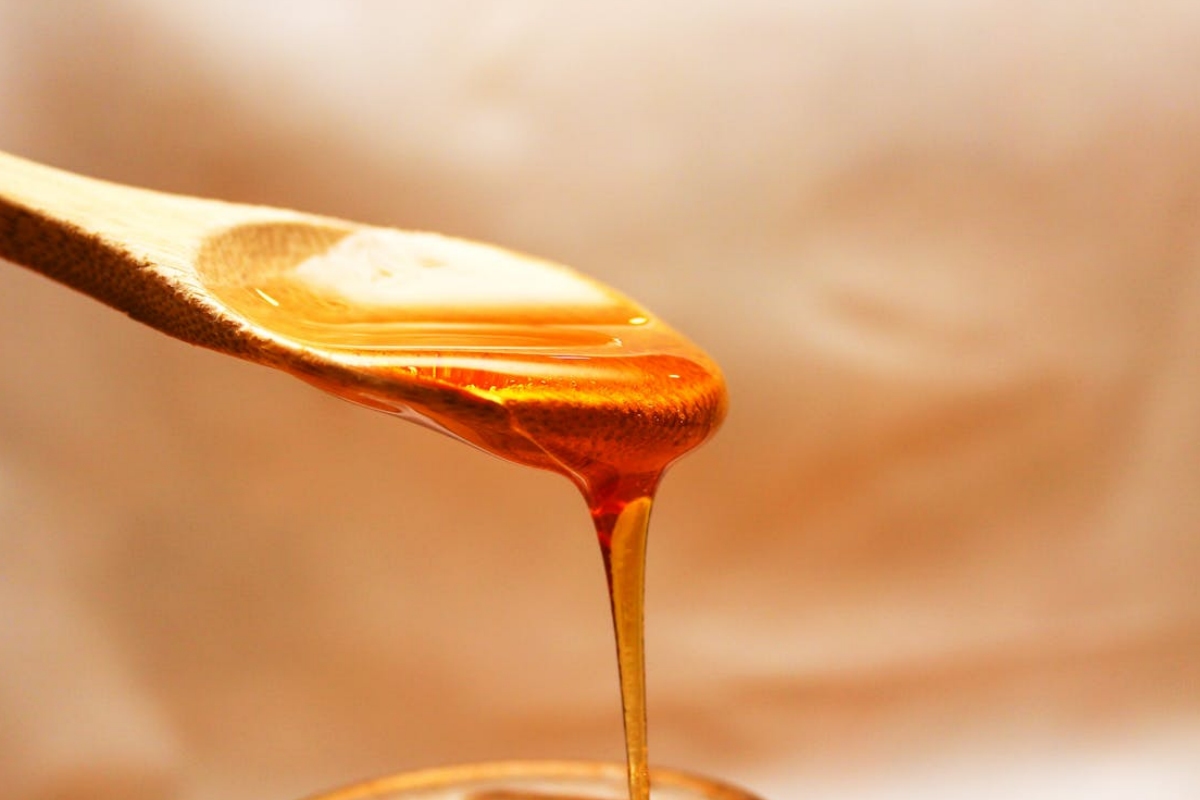
Sugar and syrup decolorization is the critical purification step where adsorption performance directly determines crystallization economics and final product grade. Raw cane and beet syrups carry excess color bodies—caramel pigments, polyphenols, colloids, and inversion by-products—that prevent proper crystallization, reduce yield, and force costly reprocessing. Effective activated carbon decolorization must remove these chromatic impurities without altering sucrose chemistry: overly acidic carbon or high-leachable ash can trigger hydrolysis, creating invert sugars that block crystal formation. The margin for pH stability and ash control in sugar decolorization is extraordinarily tight.
The Challenge & PureStar Approach
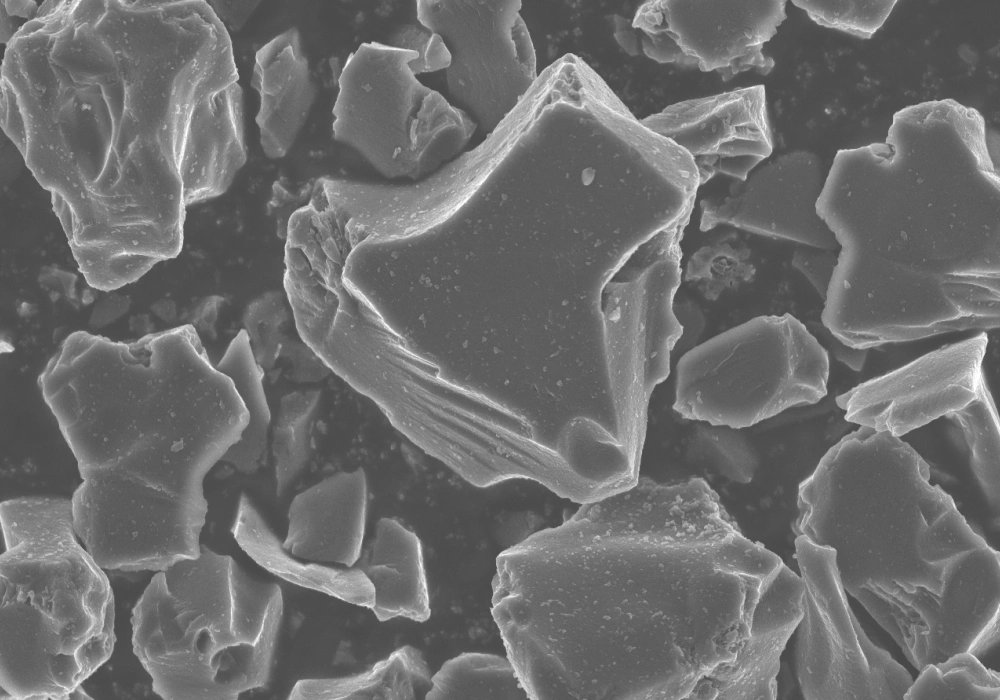
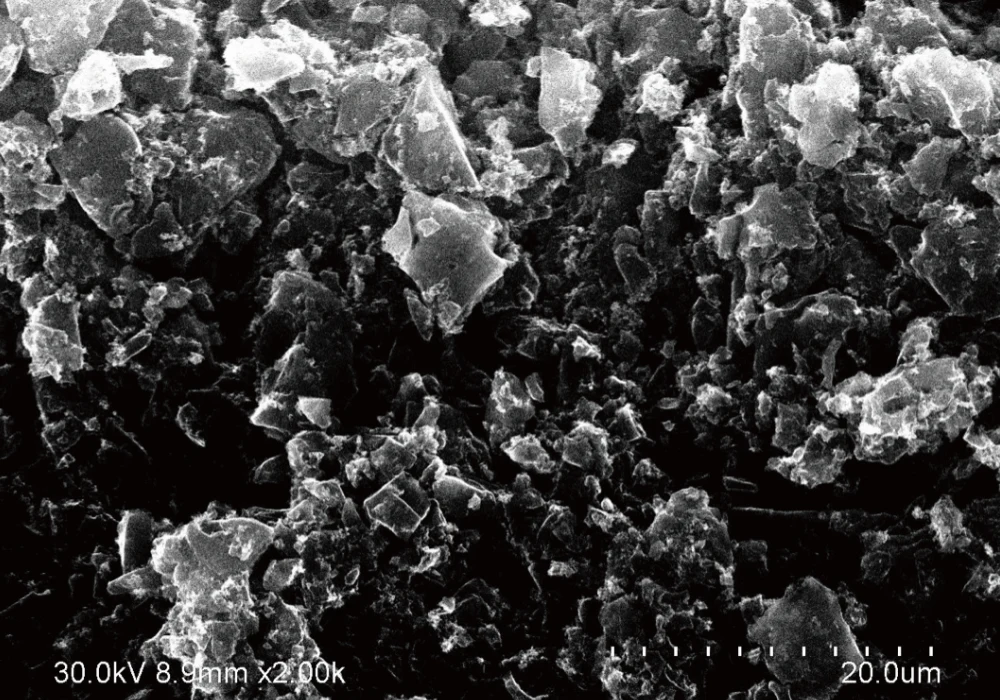
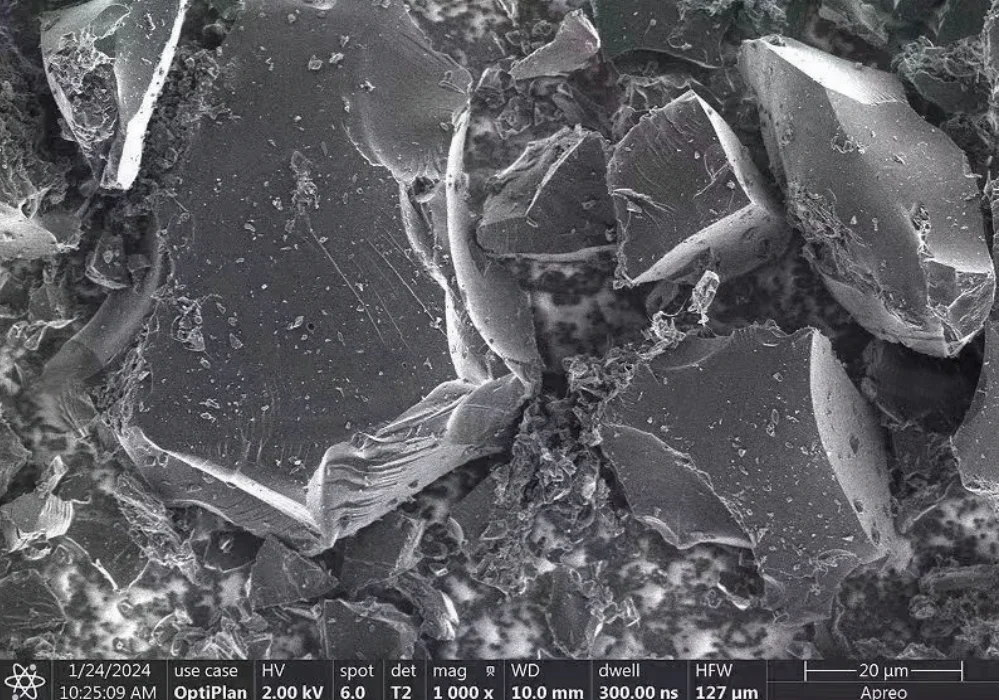
The core challenge in sugar syrup decolorization is large-molecule adsorption without chemical interference. Color bodies in cane and beet syrups are large, complex organic molecules that demand mesopore-dominant activated carbon rather than micropore-optimized grades designed for small trace contaminants. Yet many standard decolorization carbons, in their aggressive pursuit of surface area, become acidic or carry ash residues that disturb the delicate pH balance of the syrup, ultimately degrading rather than improving product quality.
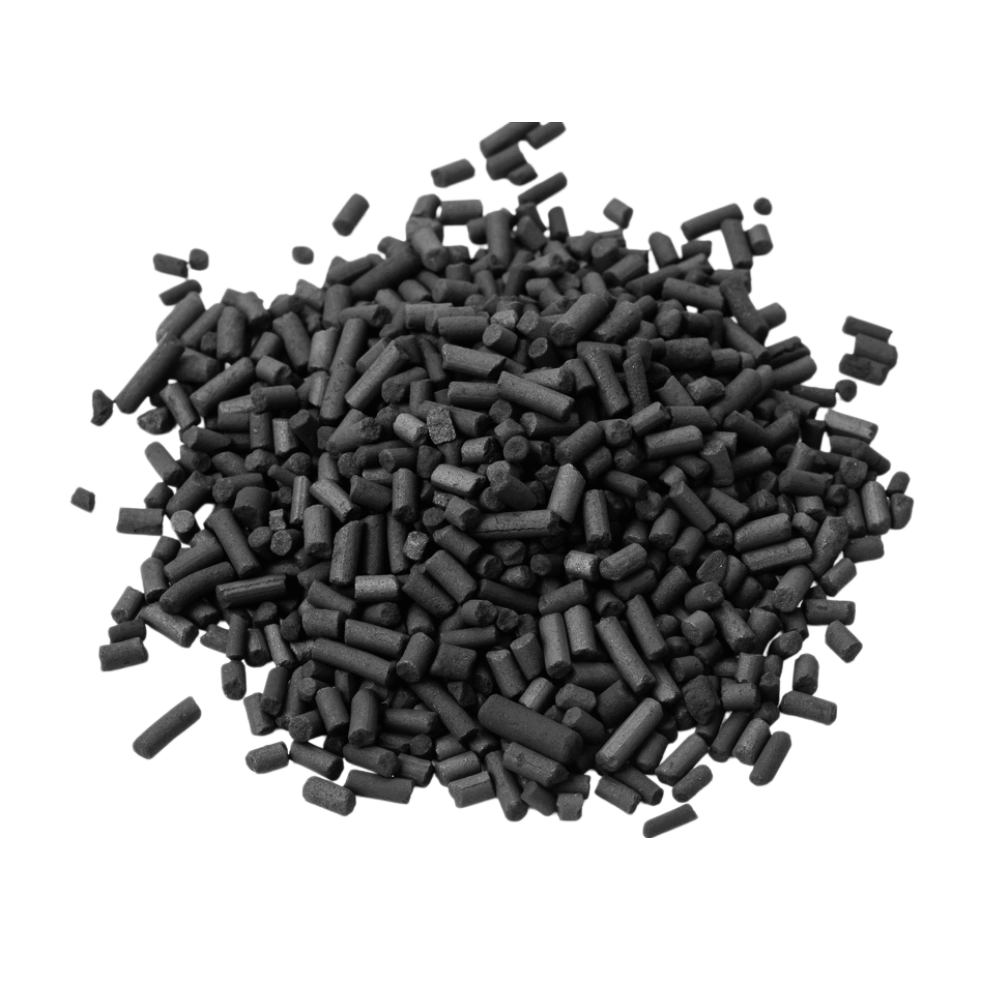
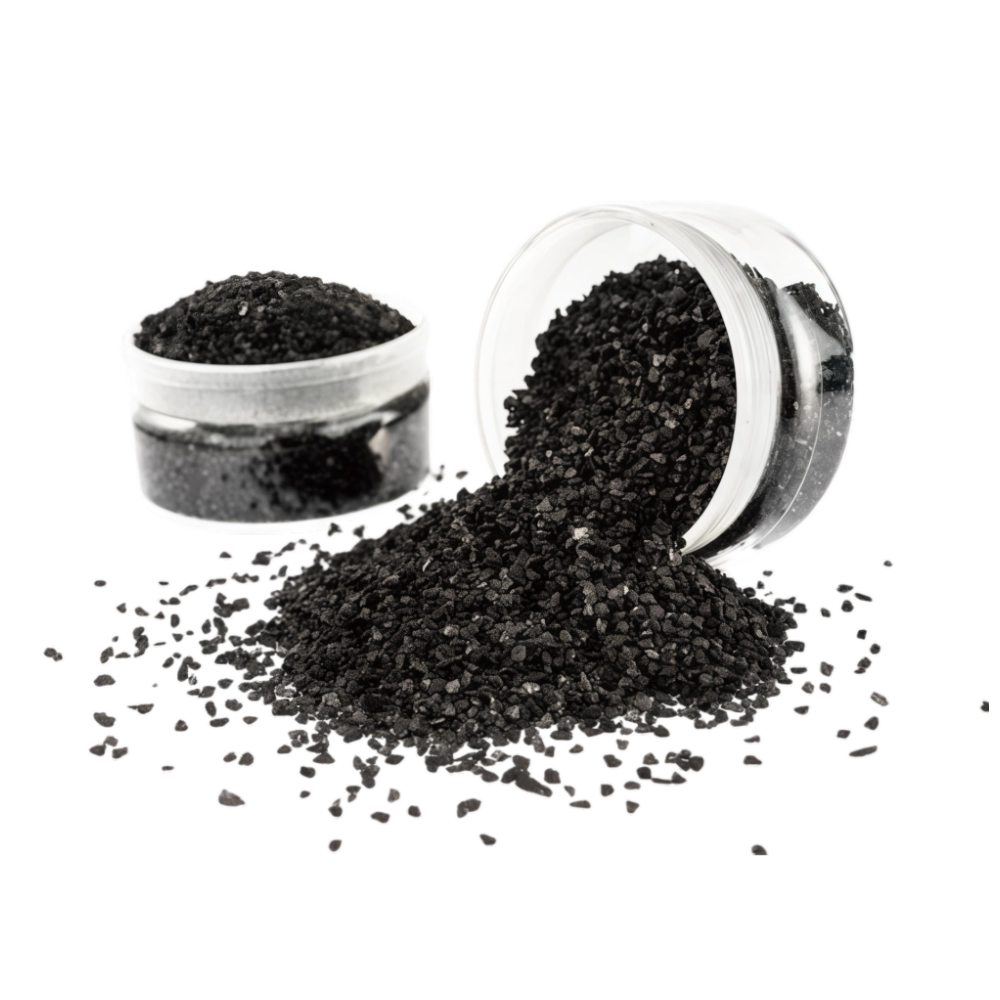
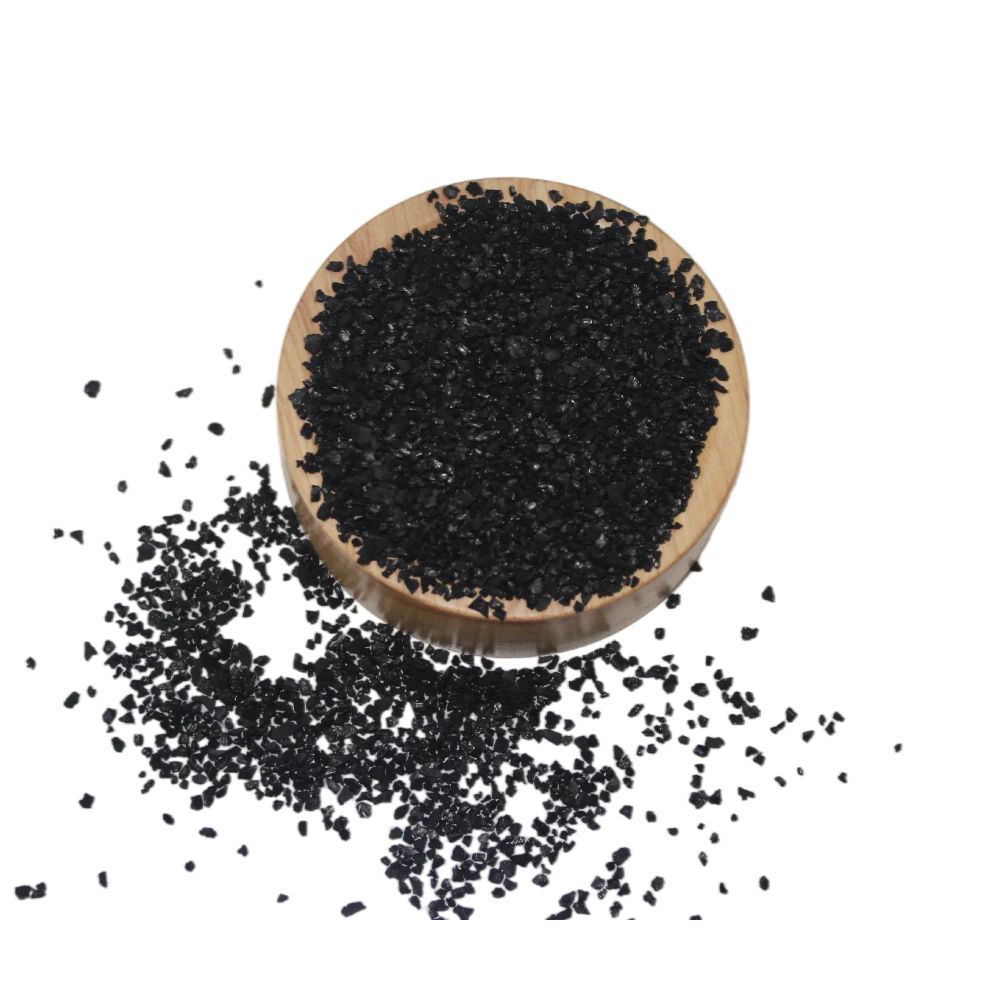
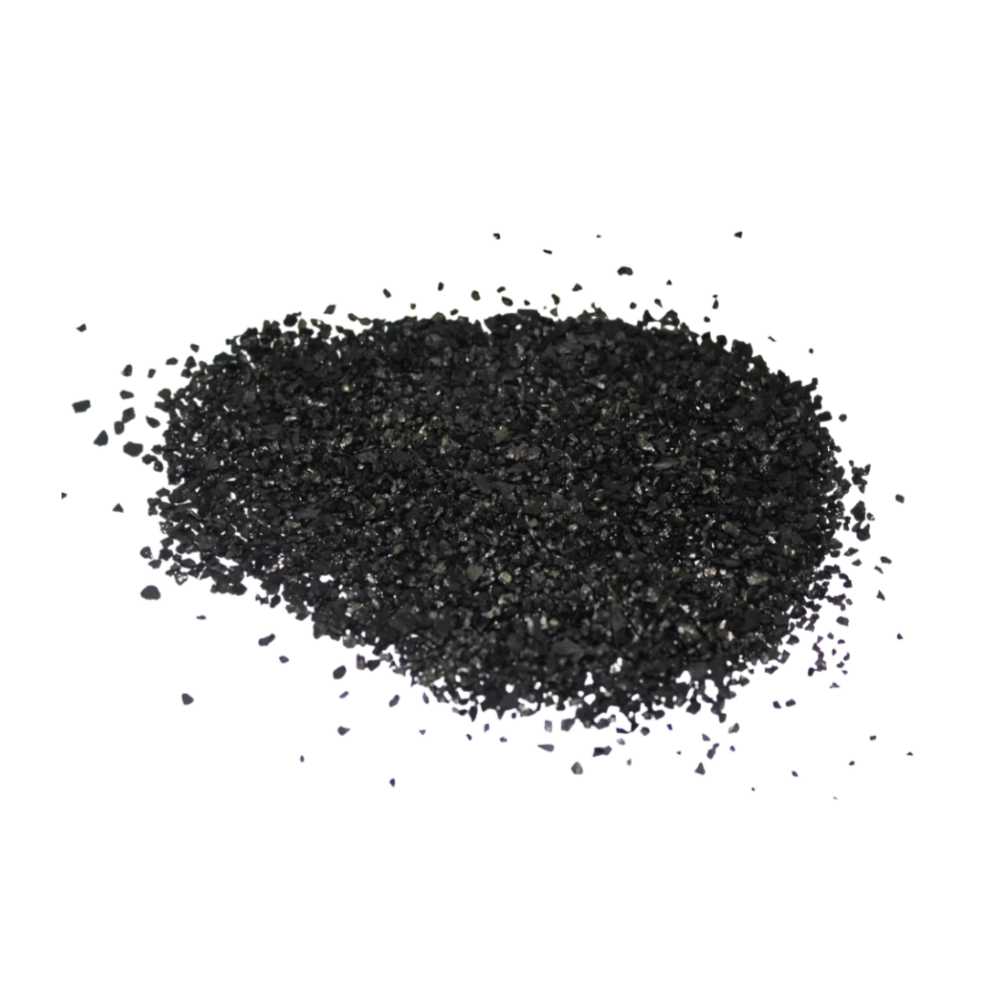
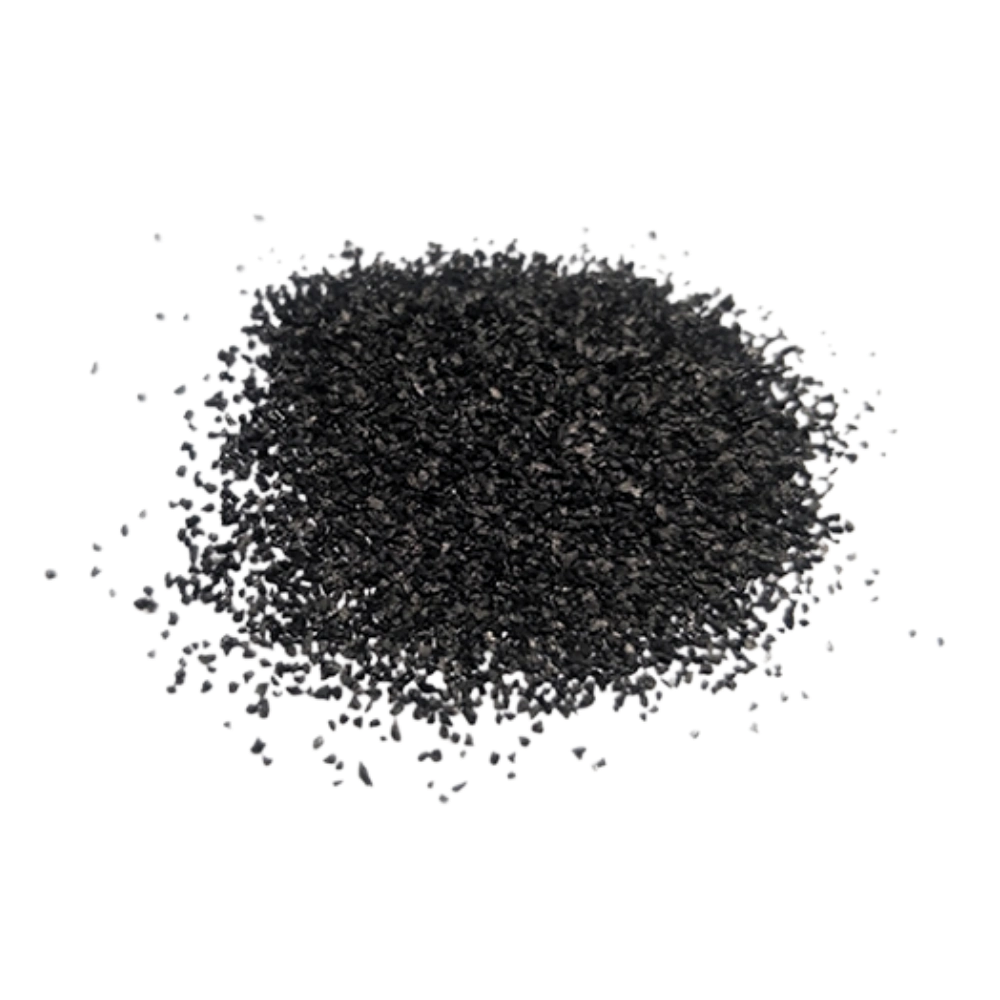
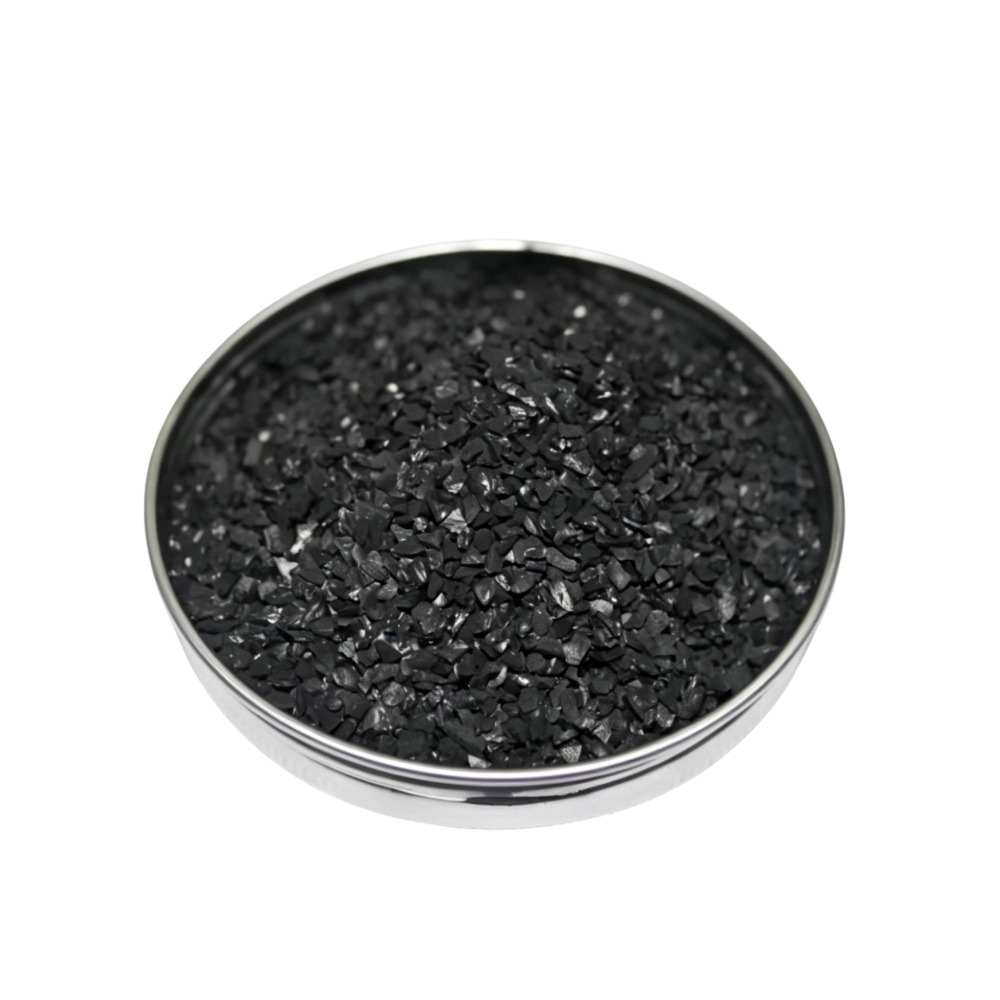
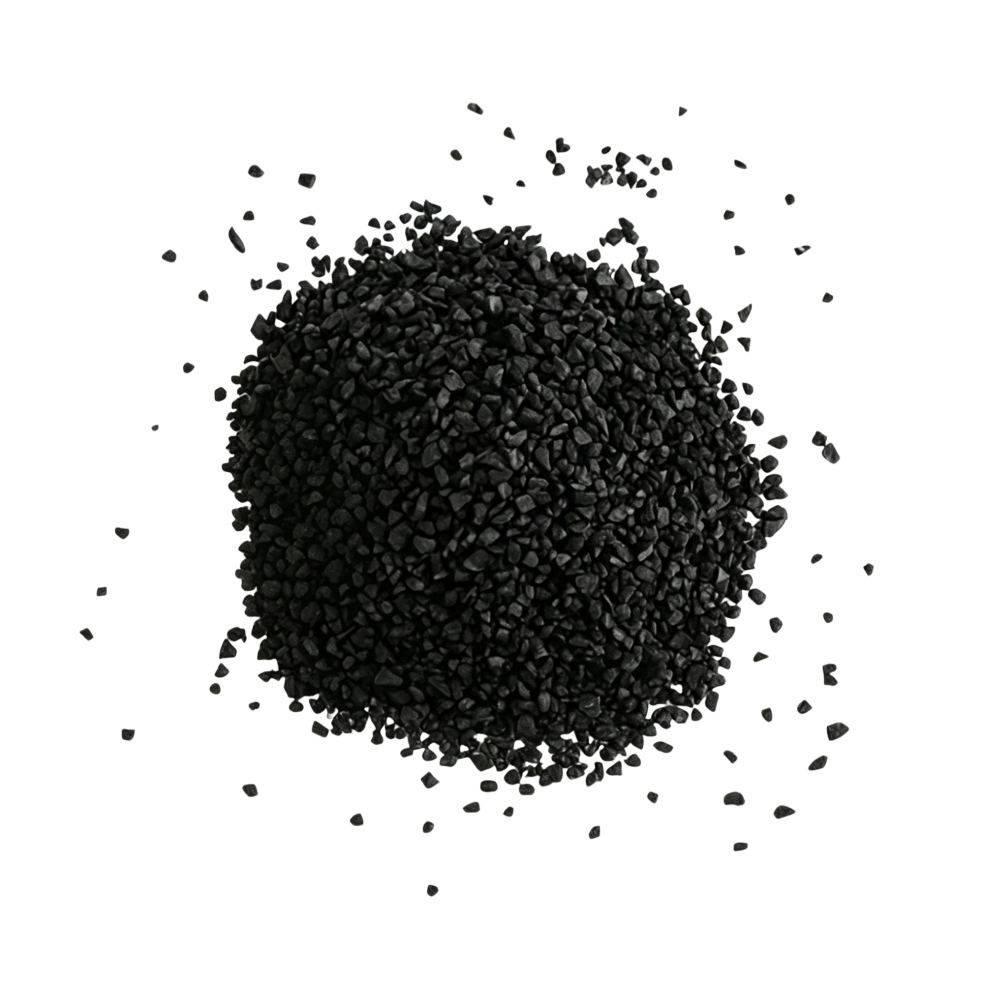
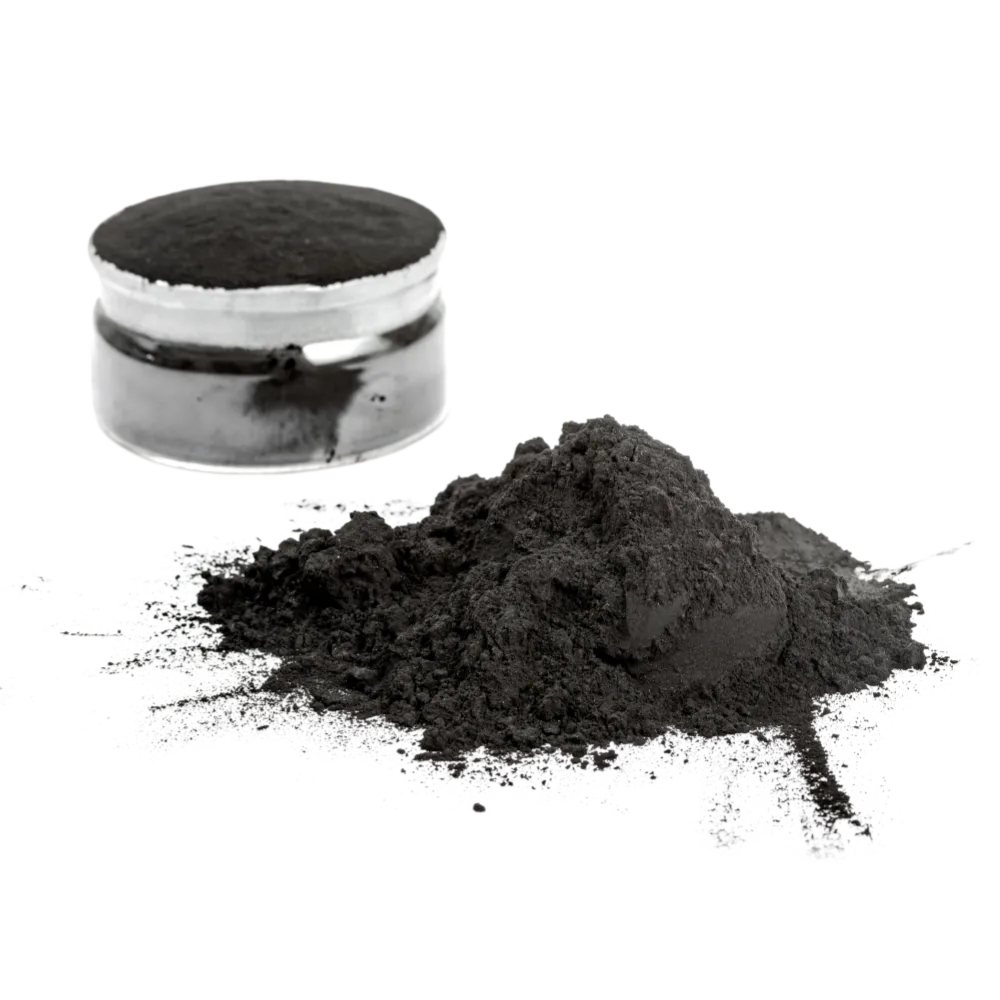
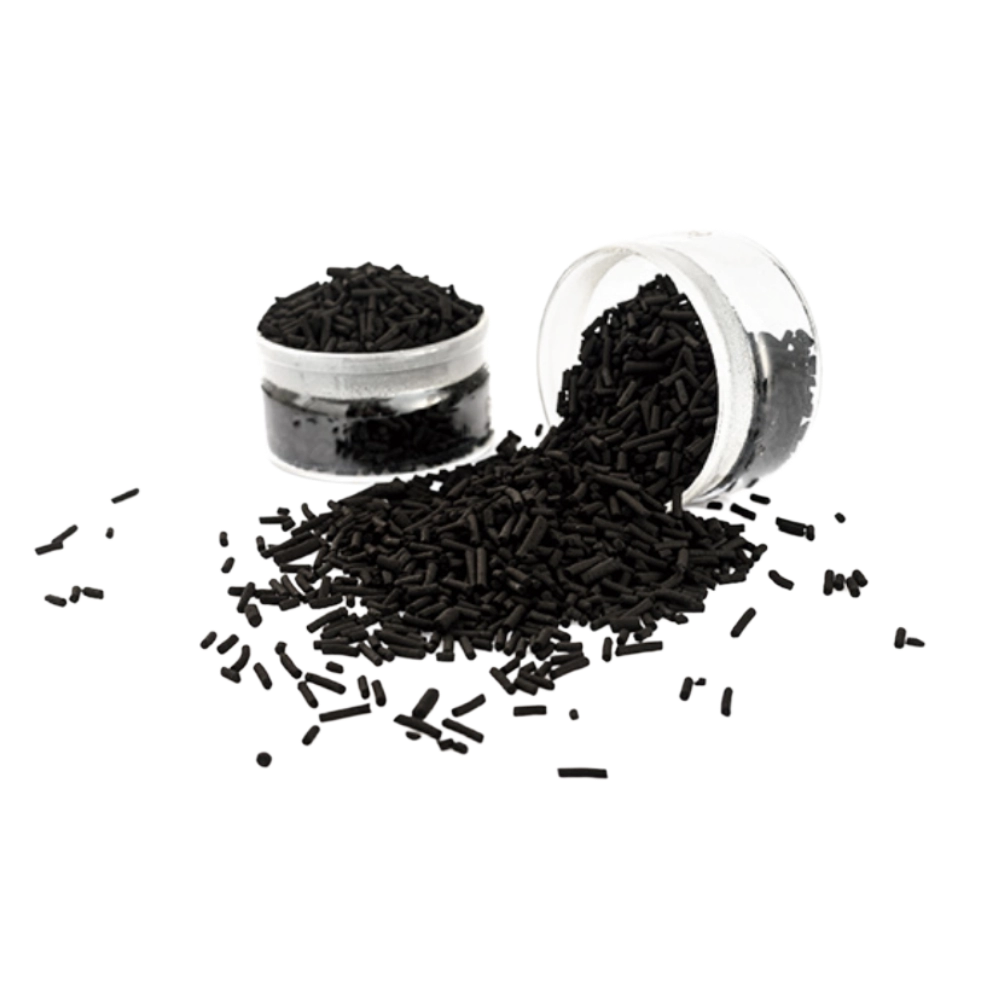
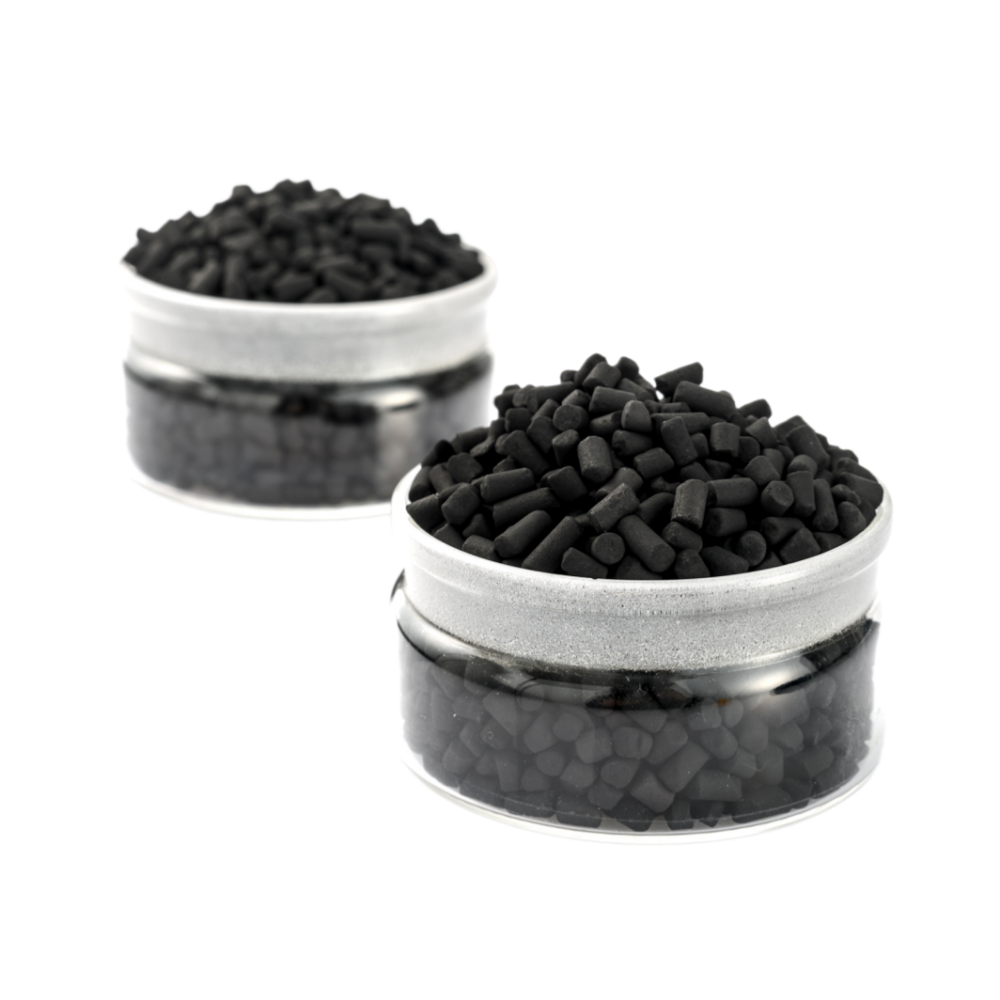
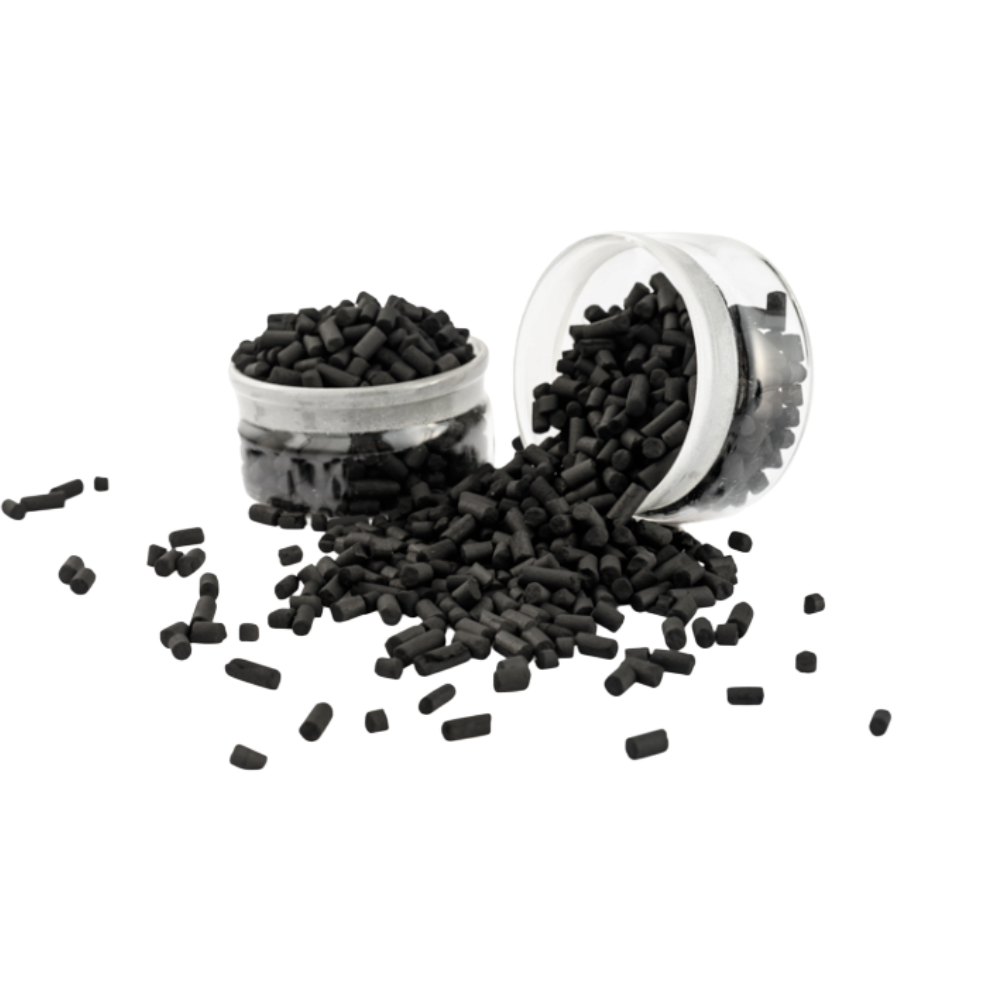
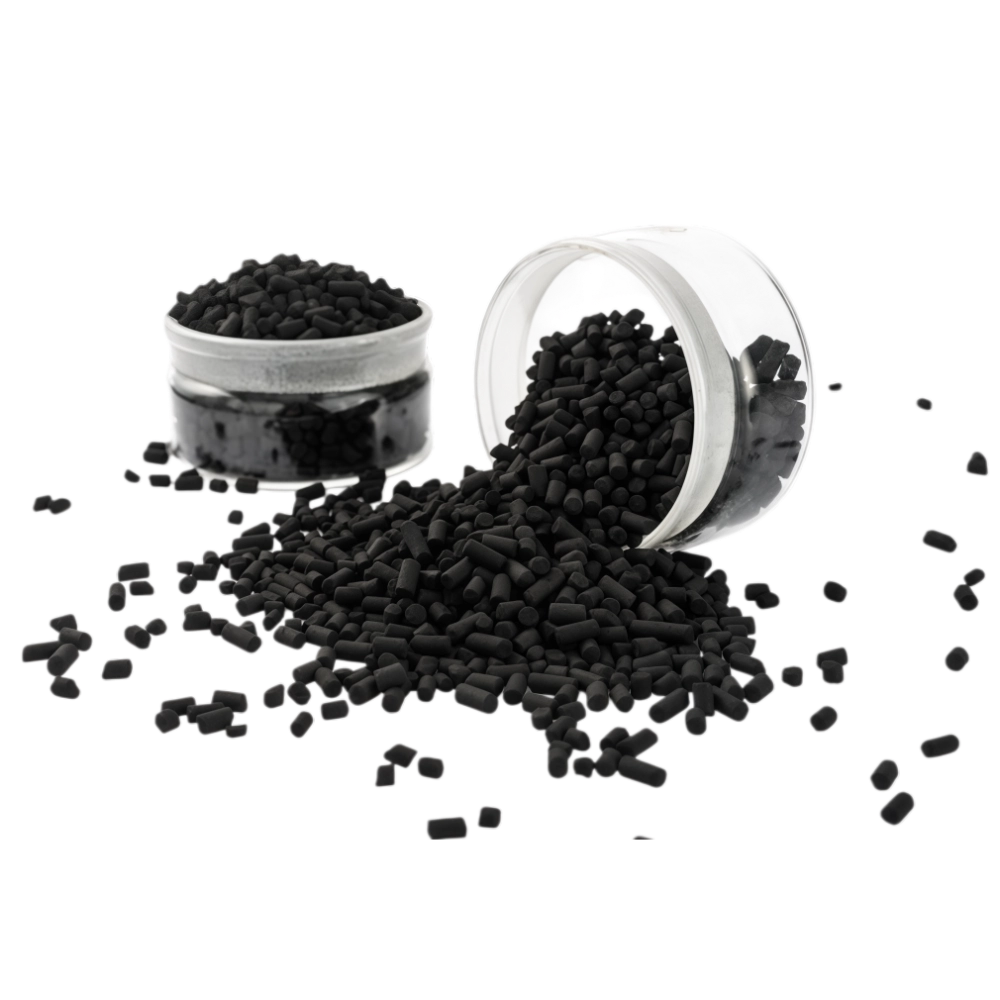
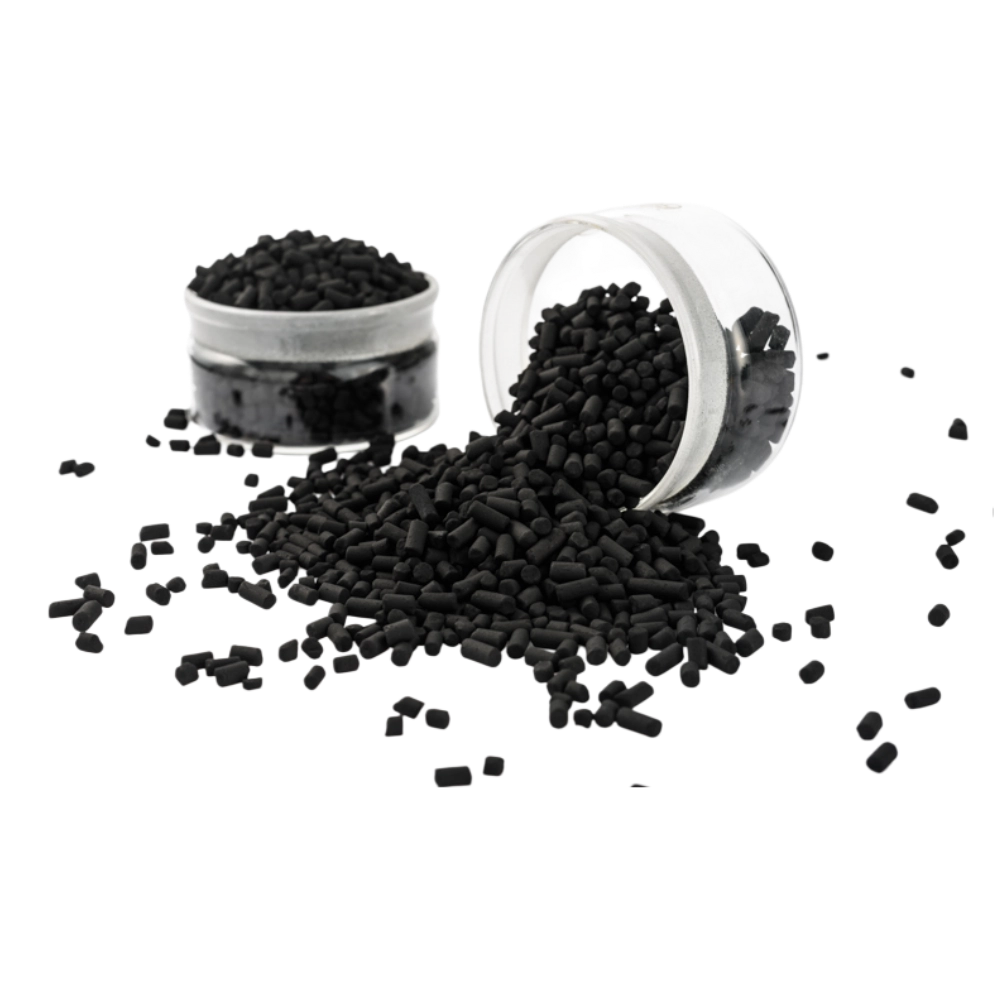
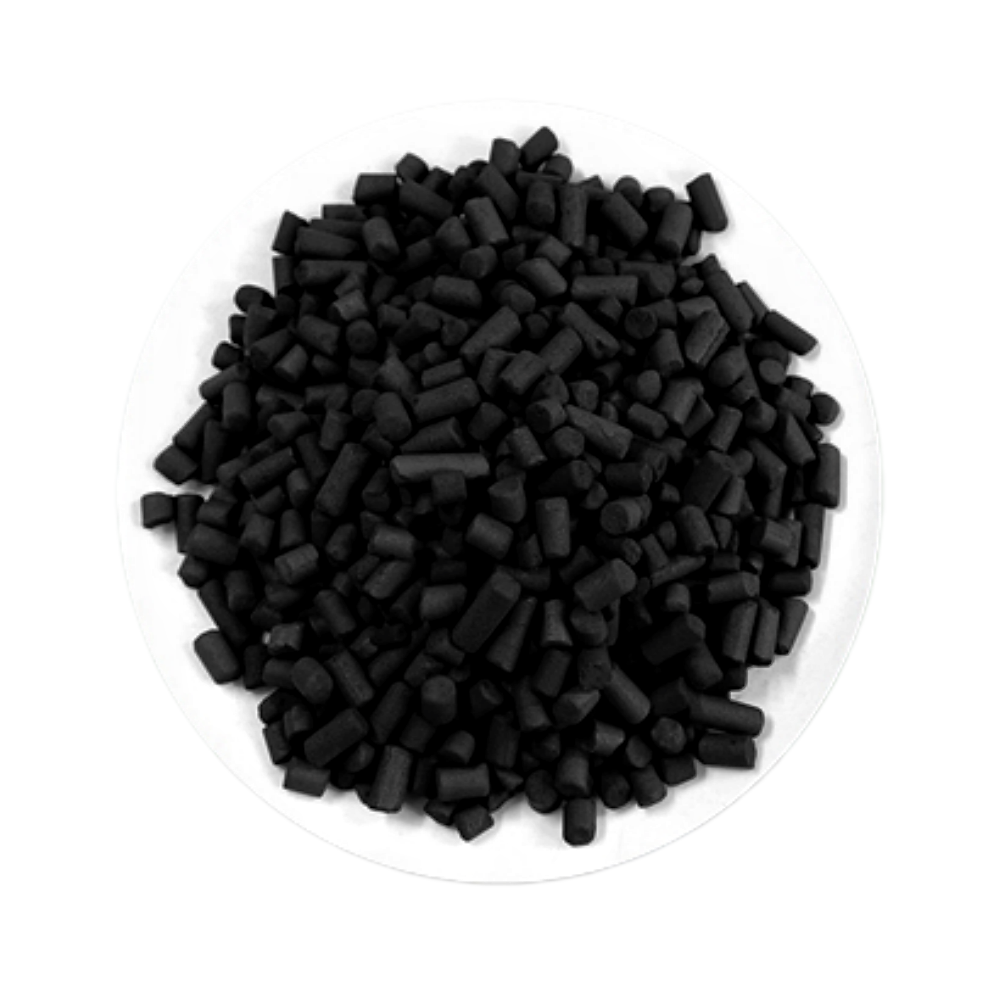
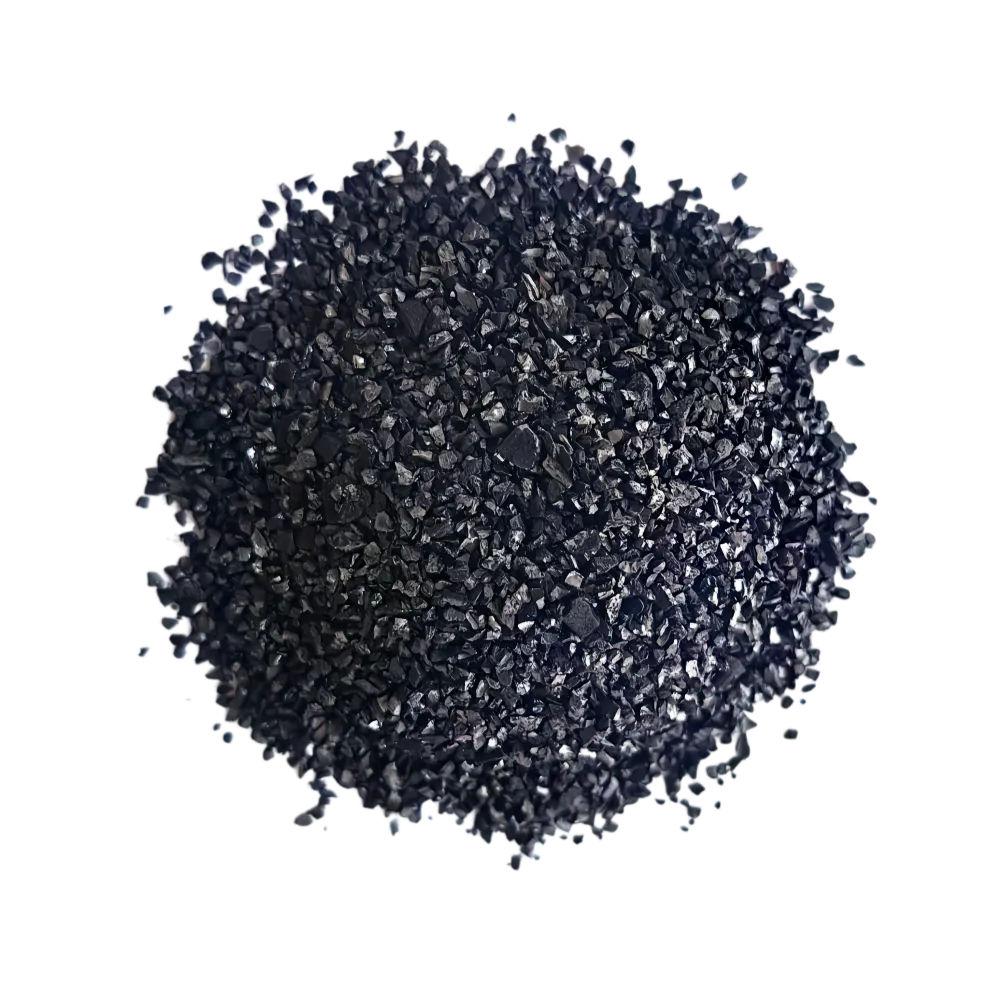
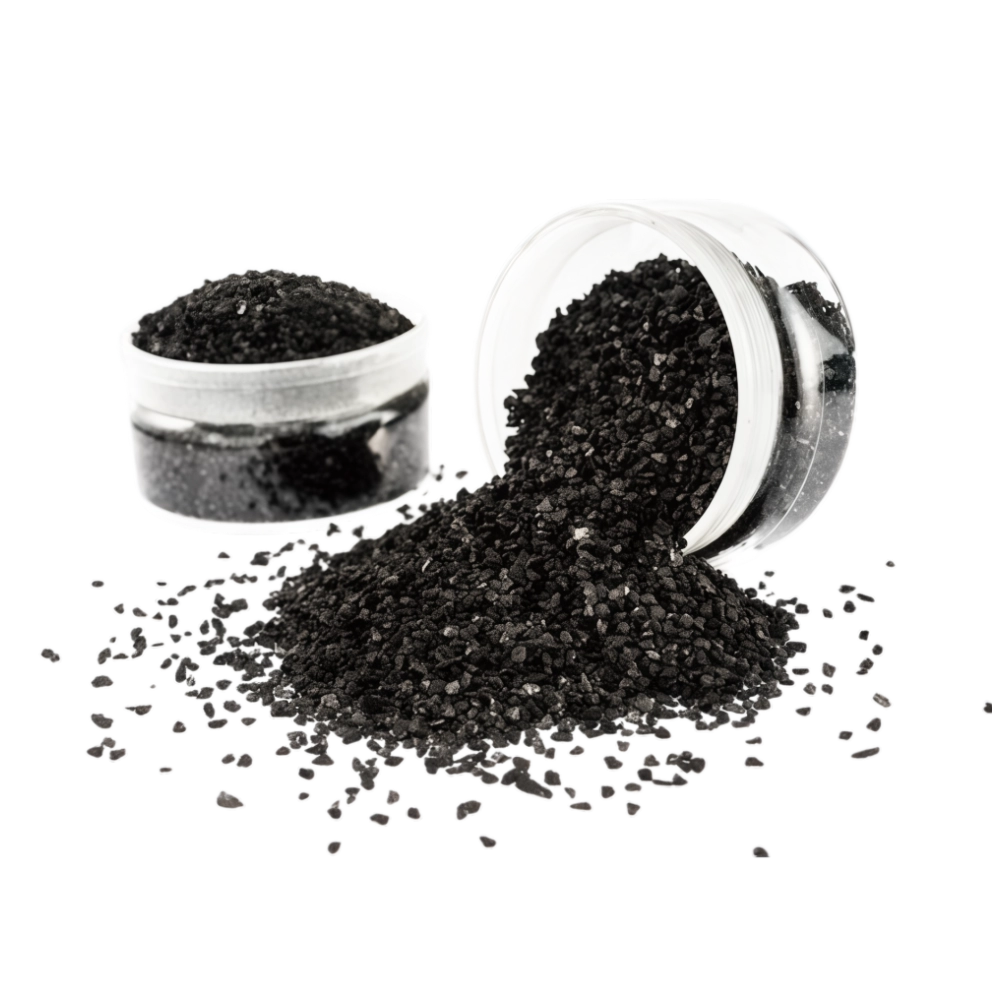
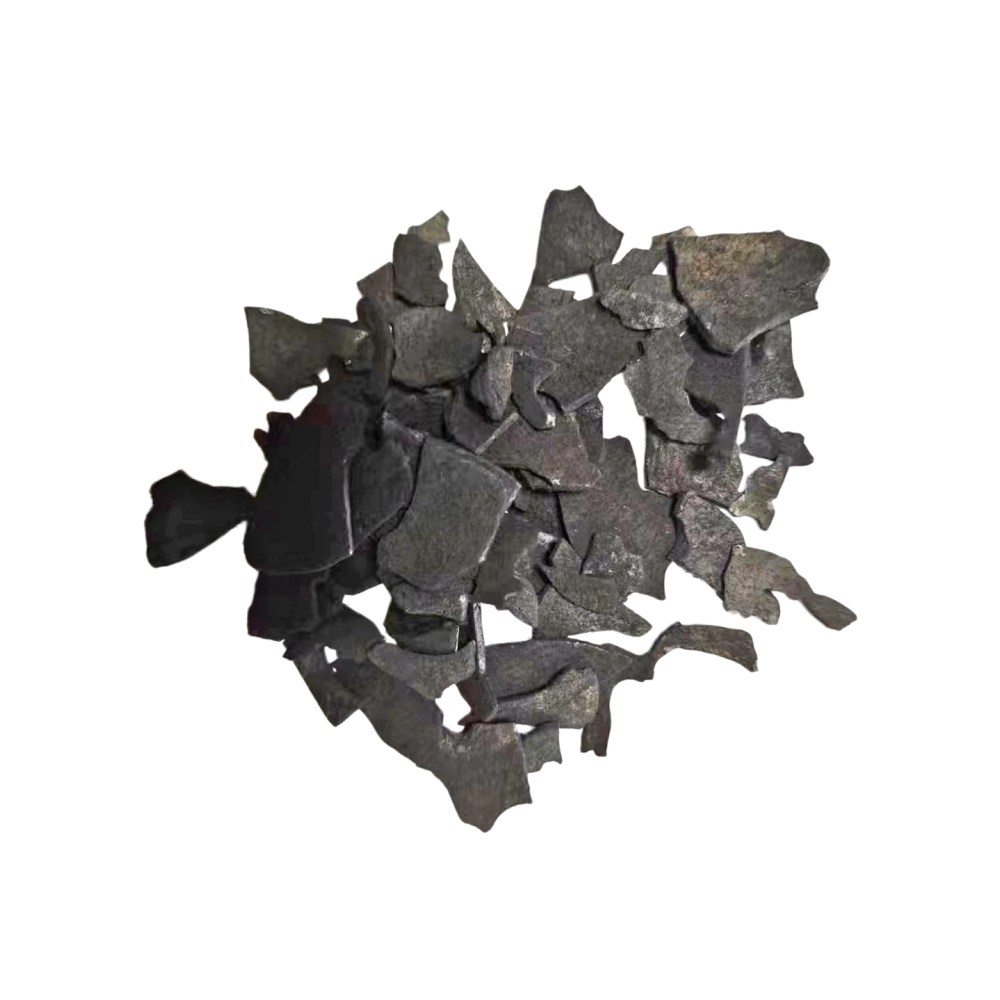
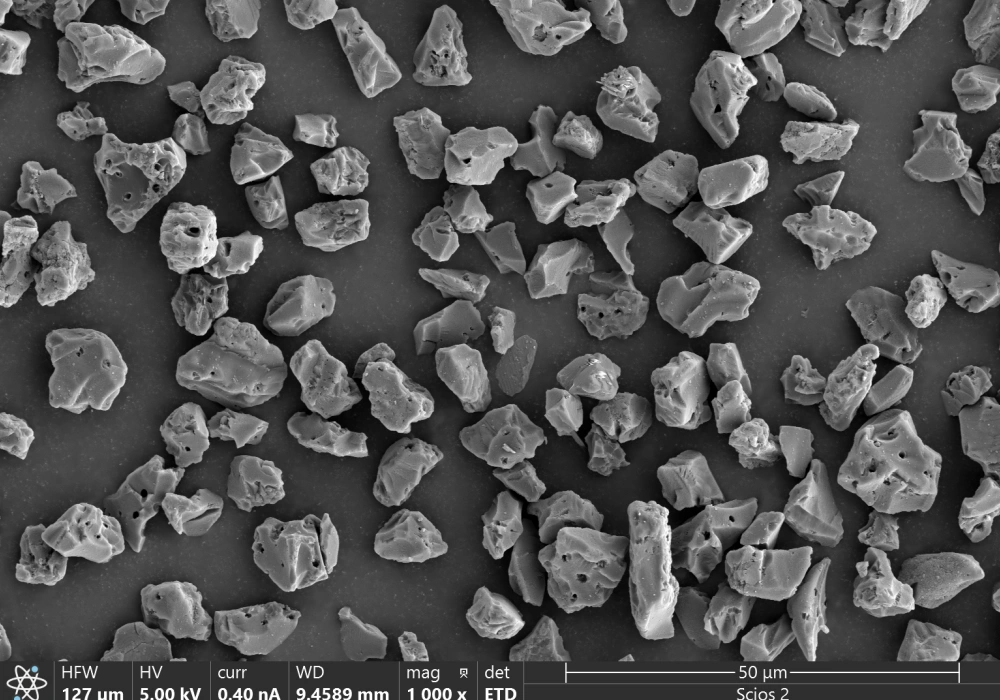
PureStar’s sugar decolorization grades are engineered for mesopore selectivity using pH-neutral, low-ash substrates. Our coconut shell activated carbon products deliver the precise pore volume distribution required for rapid color body capture while maintaining neutral pH and minimal leachable ash. The result is consistent crystallization yield, stable product color grade, and predictable filterability in downstream sugar refining.