


















Sodium-Ion Battery Materials
Hard Carbon Anodes for Sodium-Ion and Hybrid Energy Storage
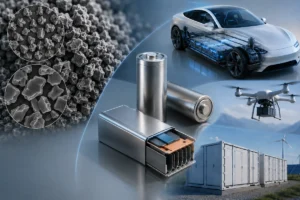
Sodium-ion batteries are no longer a laboratory curiosity. With abundant raw materials, lower cost, and superior low-temperature performance, they are emerging as the chemistry of choice for grid storage, two-wheelers, and cold-climate applications where lithium-ion economics do not close.
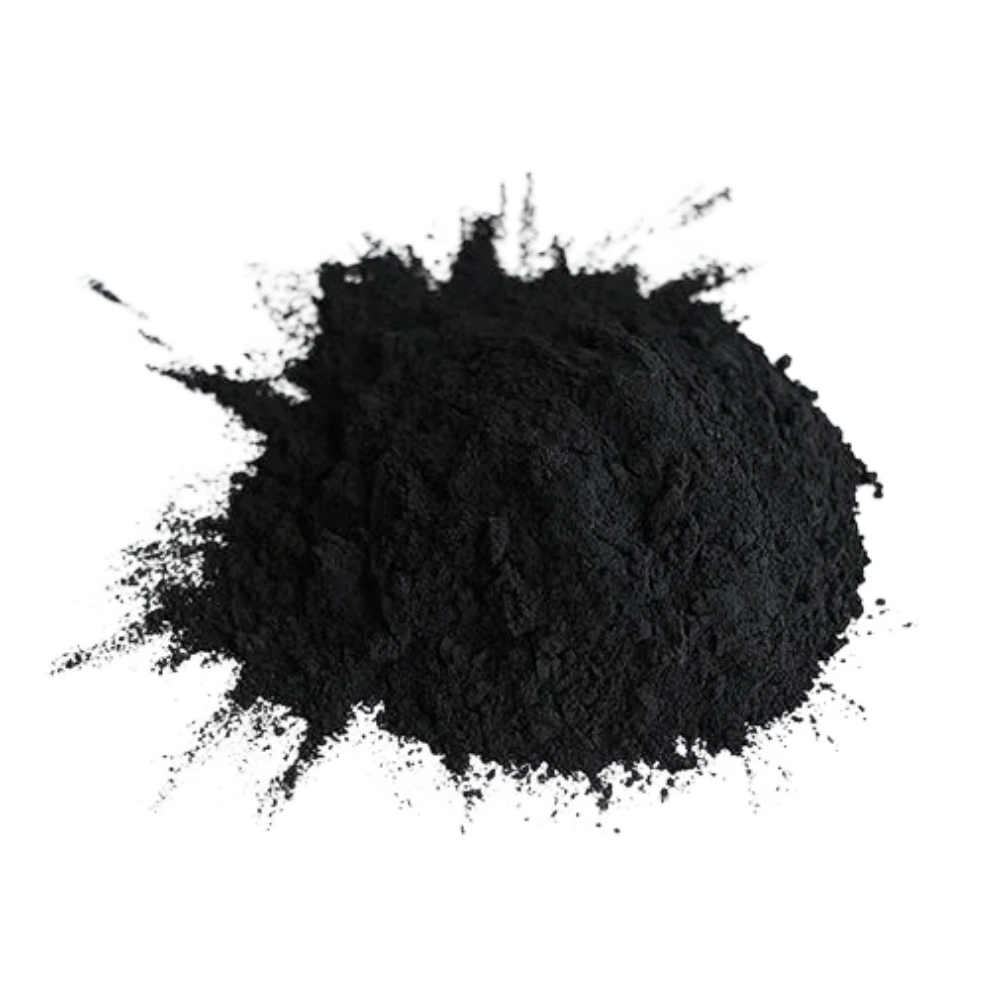
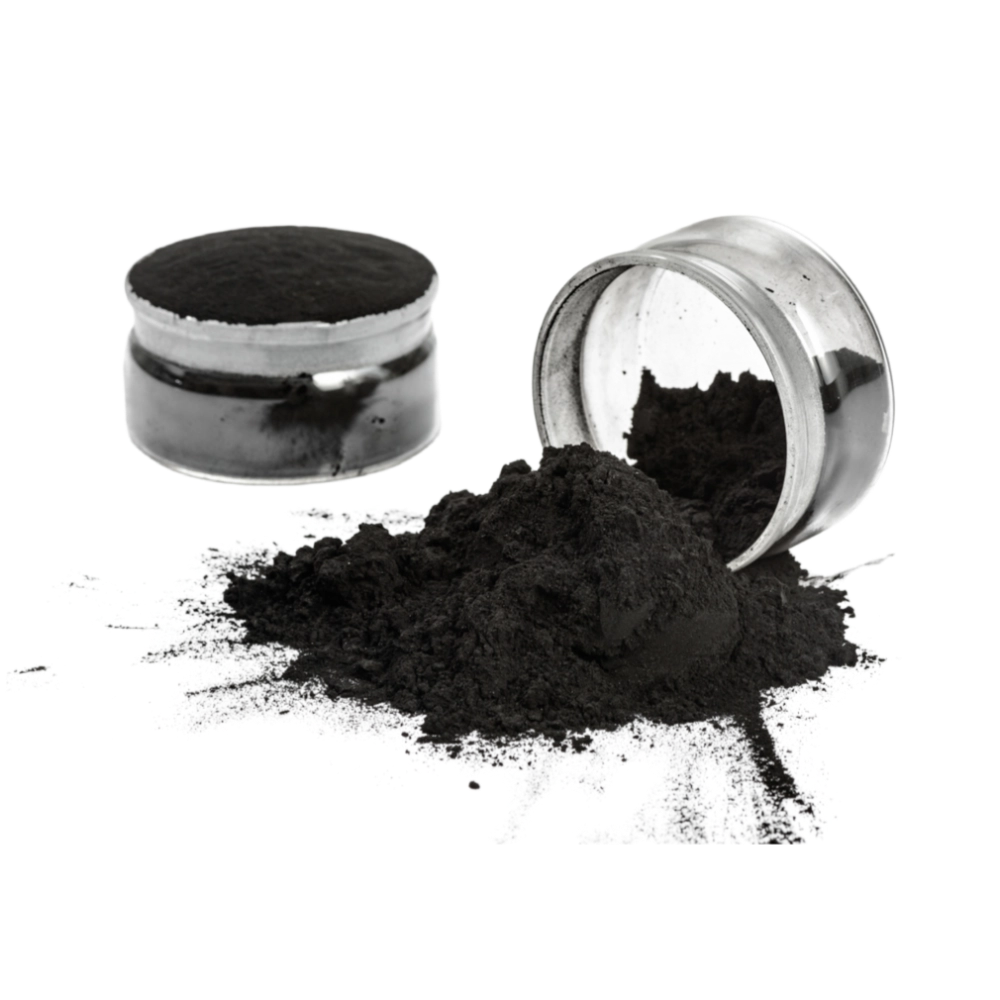
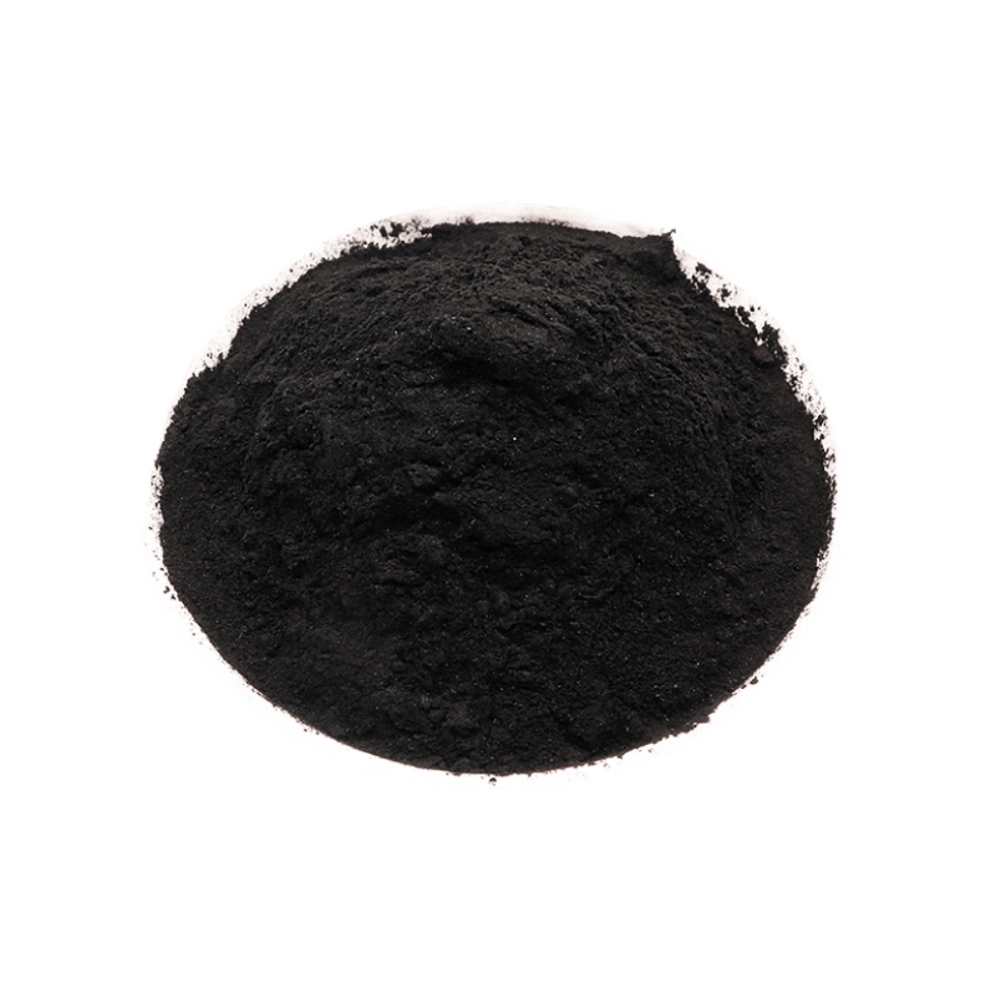
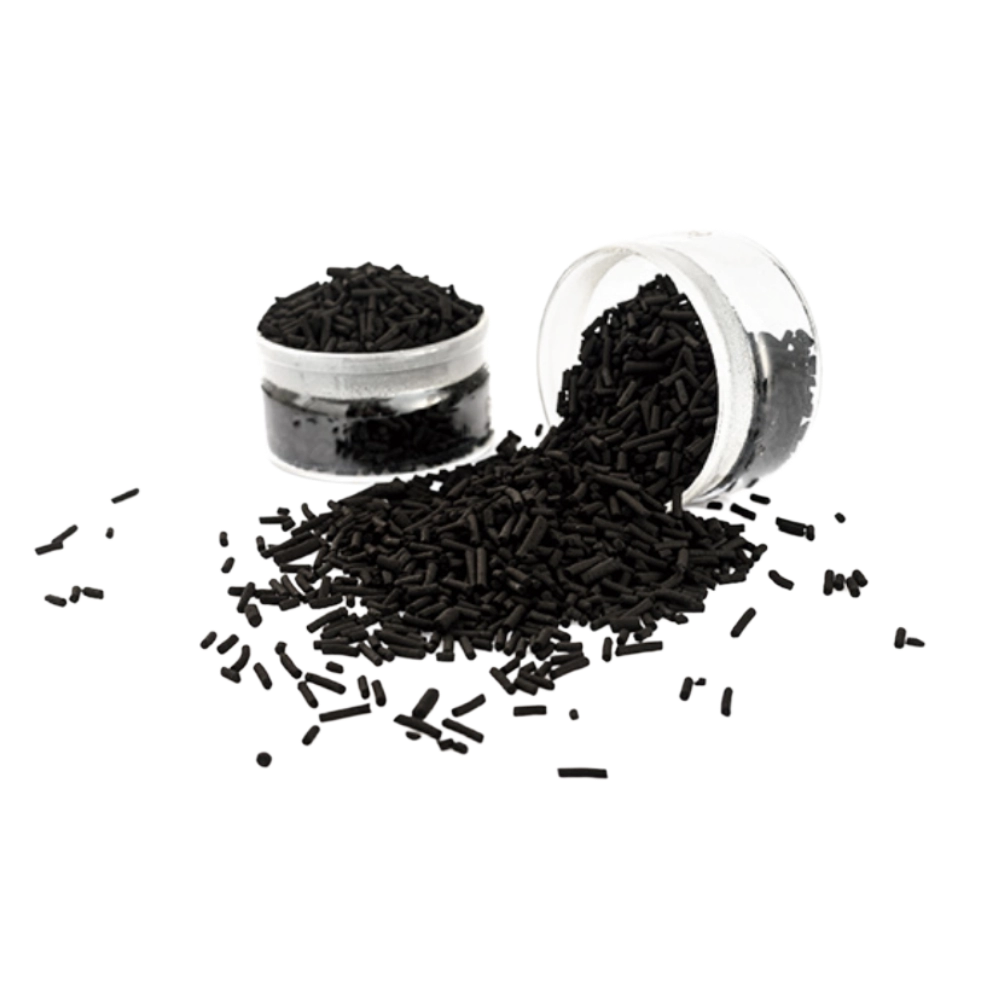
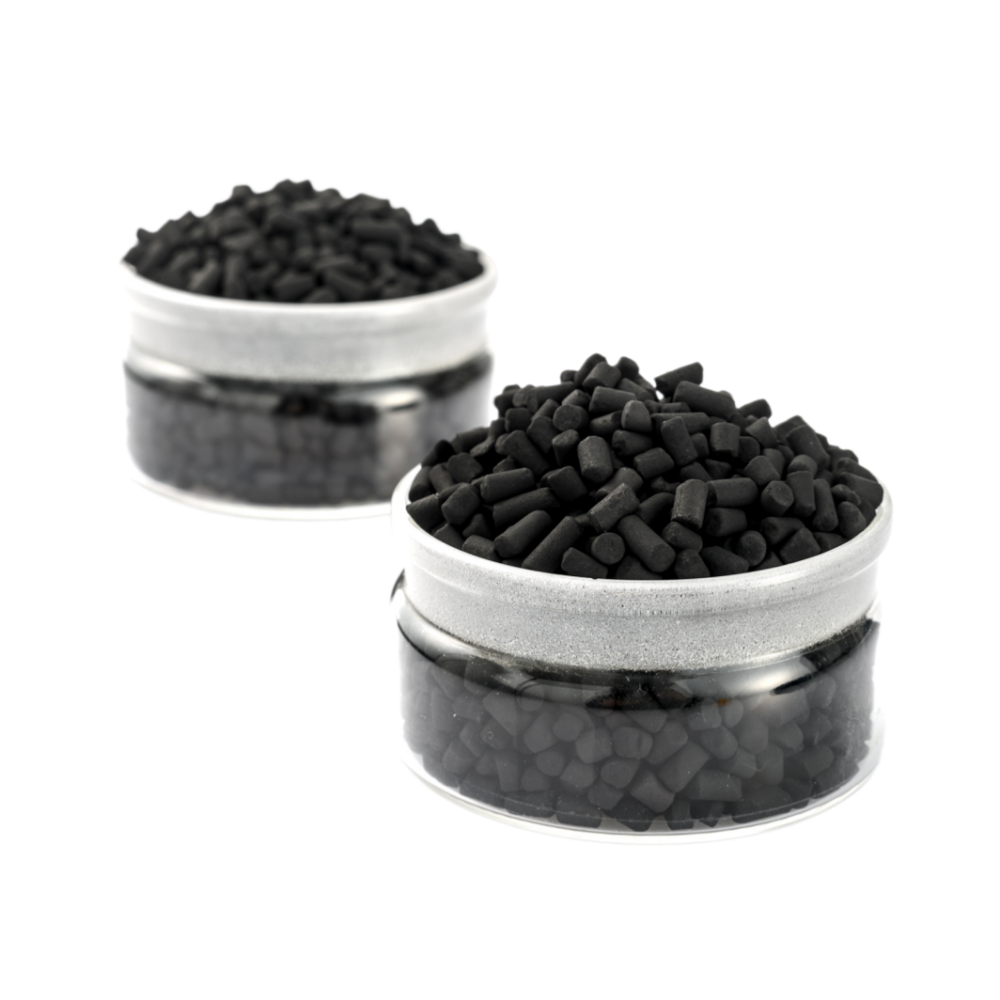
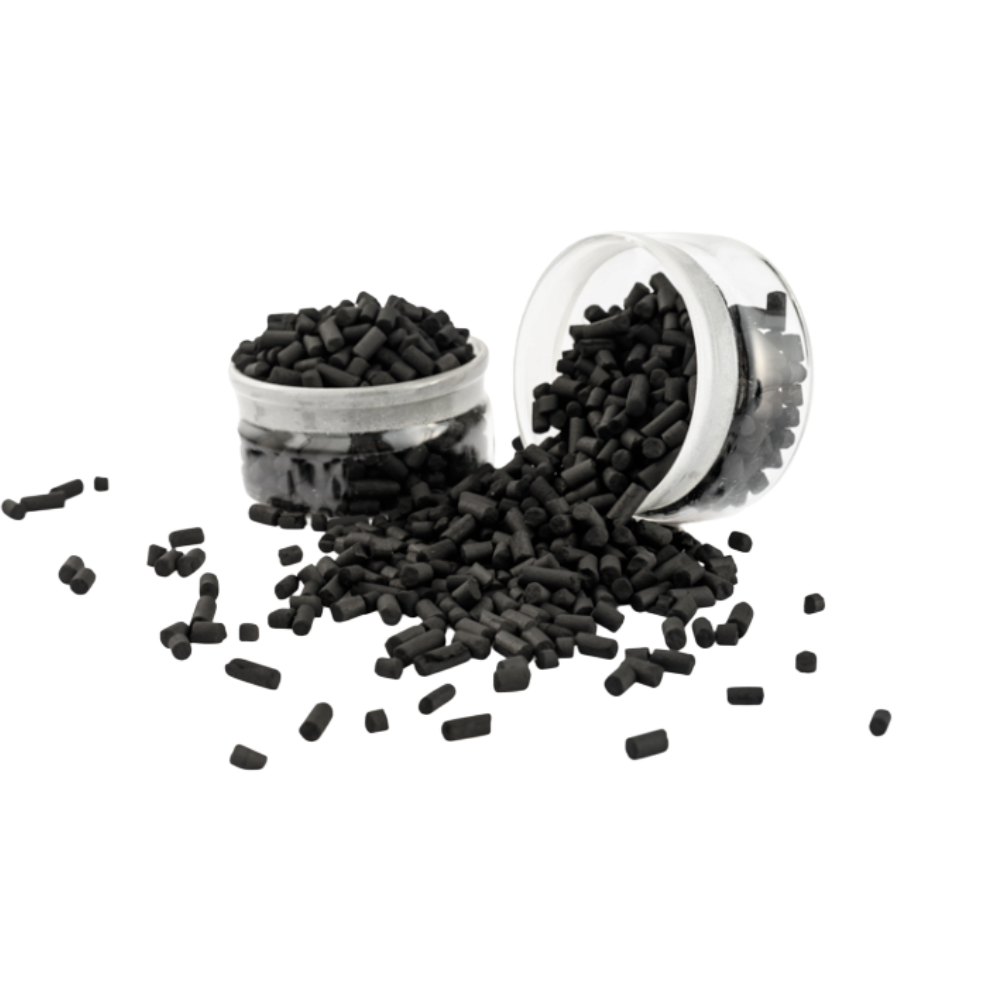
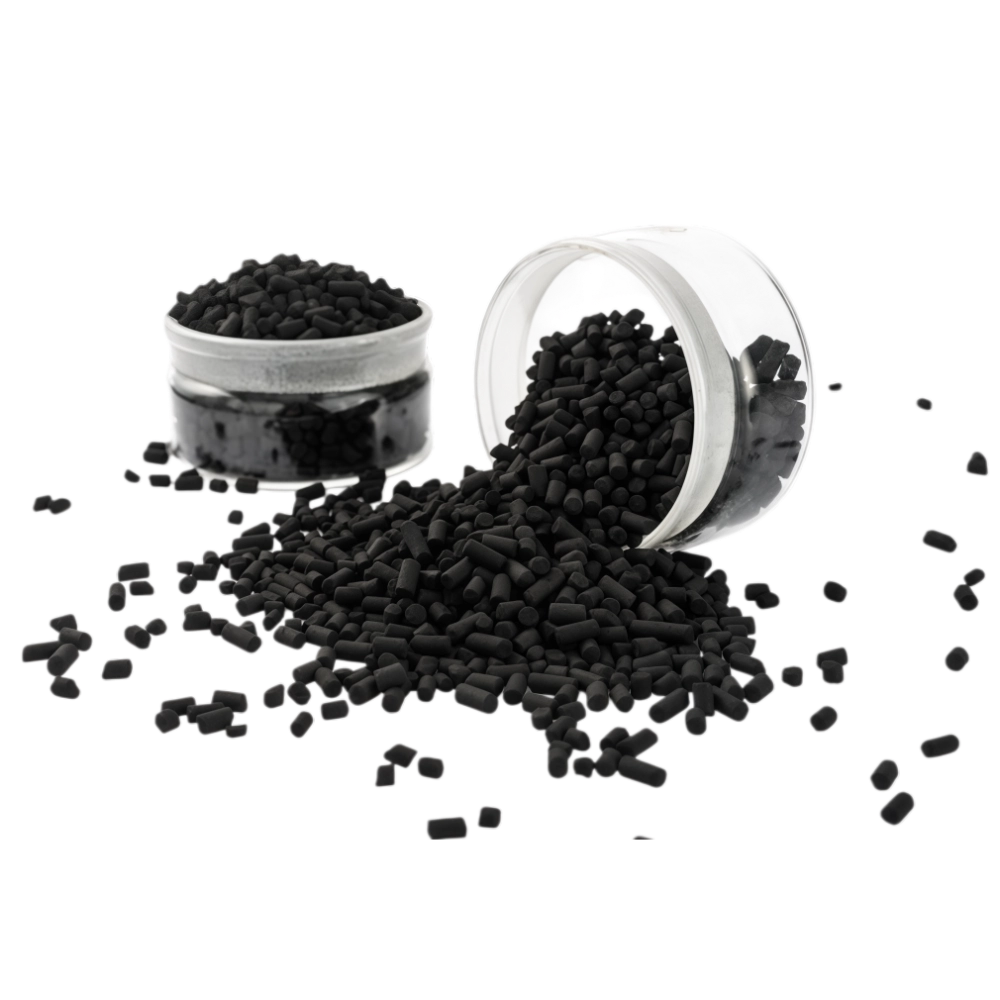
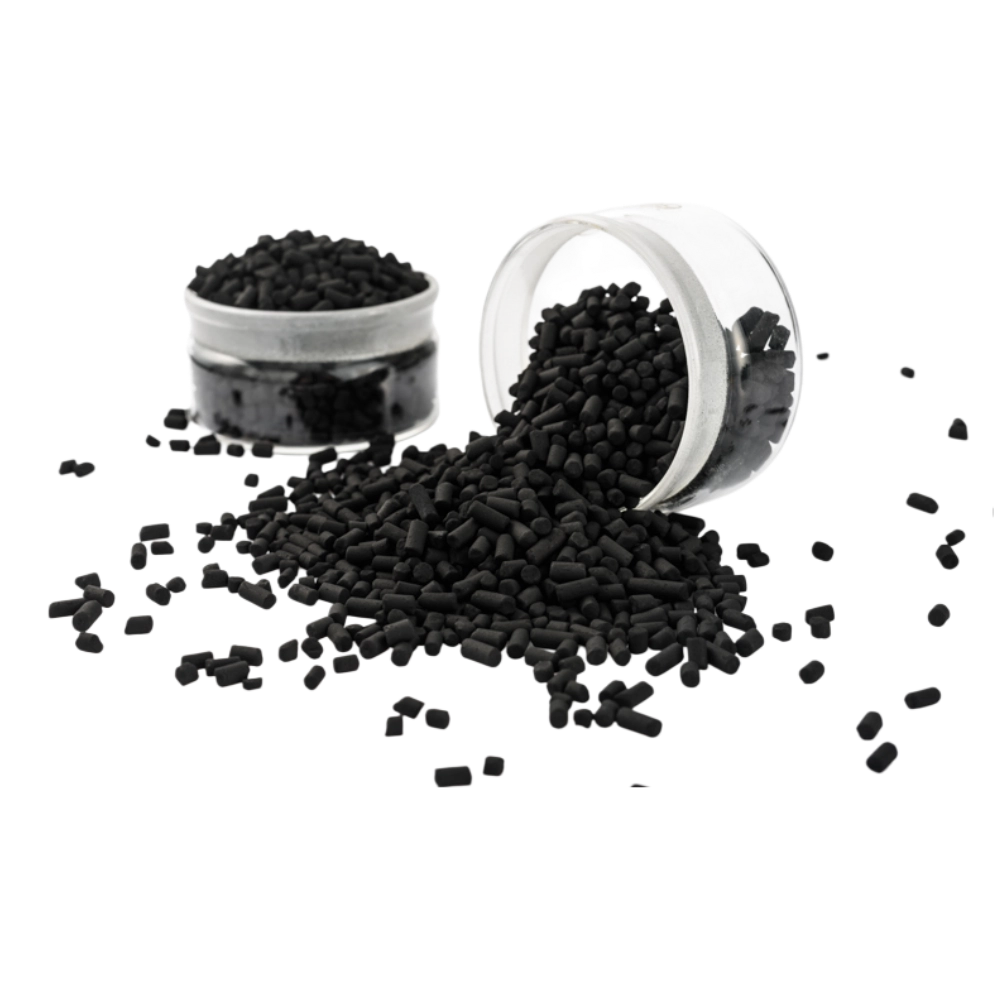
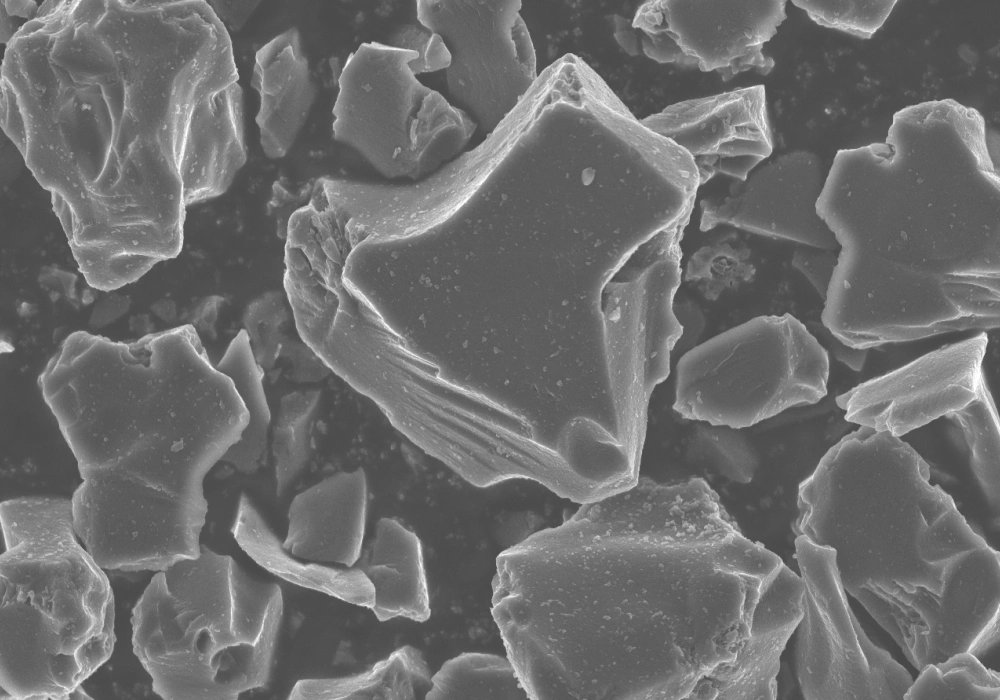
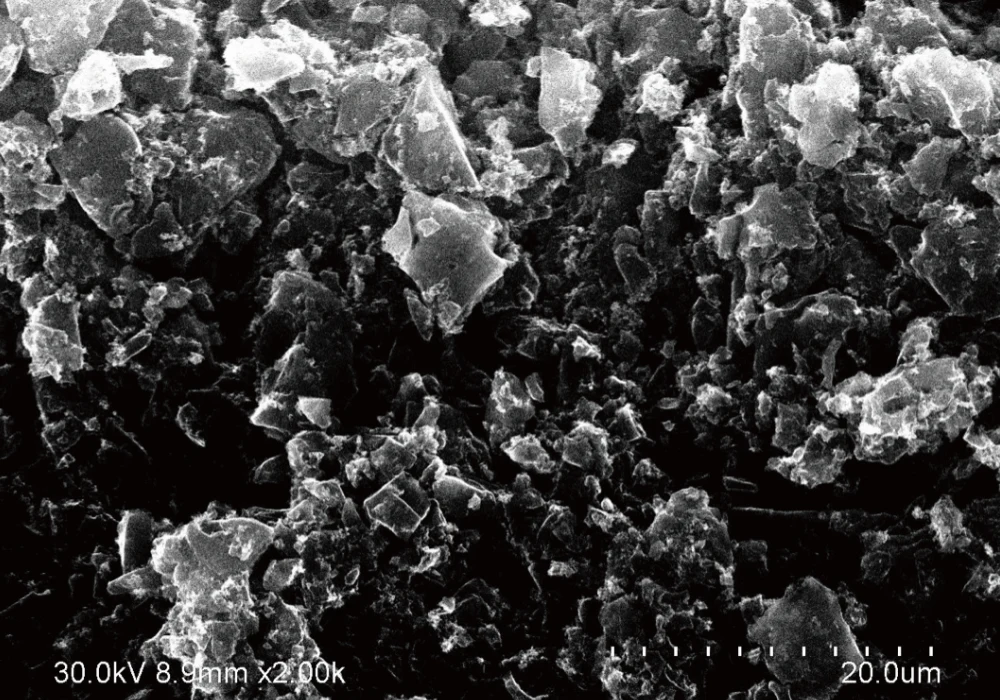
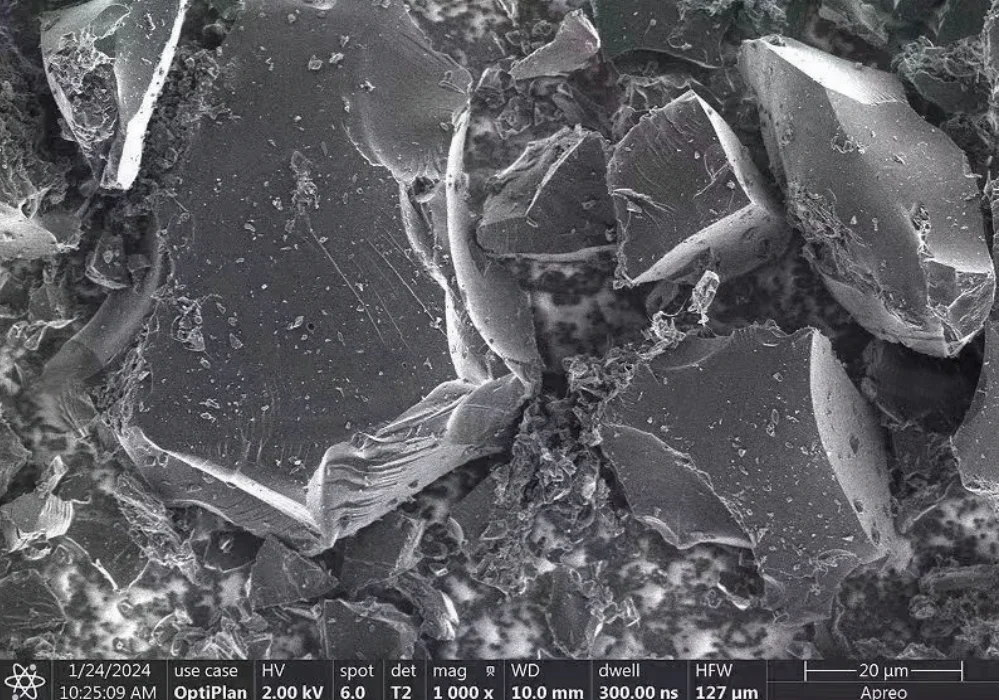
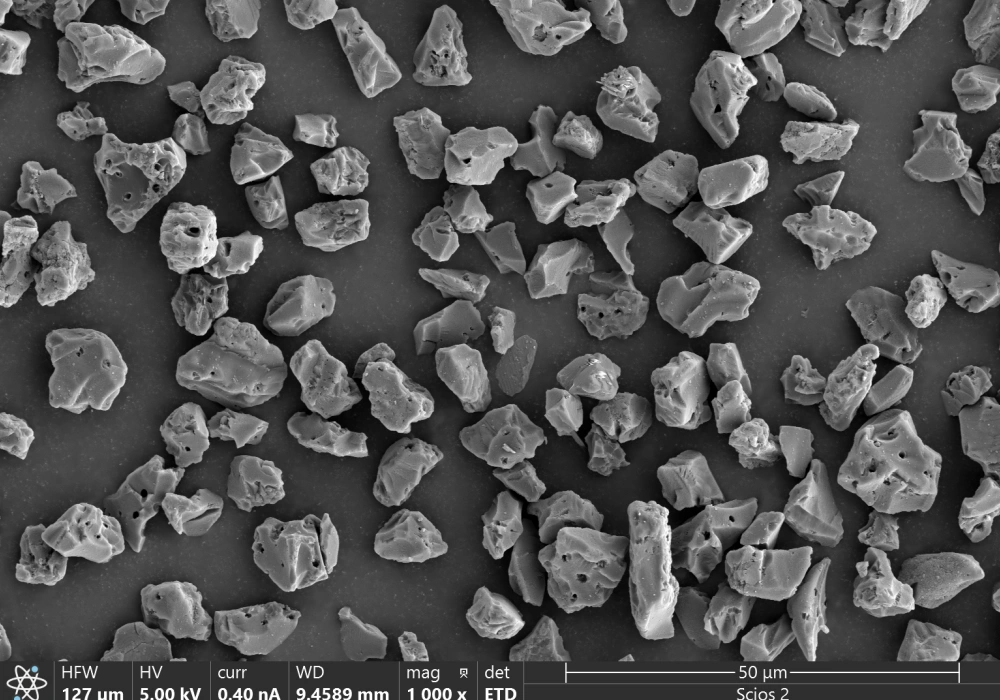
The anode is the gatekeeper. Graphite—the workhorse of lithium-ion batteries—cannot accommodate the larger sodium ion. Hard carbon, with its disordered turbostratic structure and nanoscale pores, is the only commercially viable anode material for sodium-ion cells. Its open architecture provides abundant intercalation and adsorption sites for Na⁺, while its minimal volume change during cycling preserves electrode integrity over thousands of charge-discharge events.
The Challenge & PureStar Approach
The challenge is not simply making hard carbon, but making it consistently from feedstocks that will remain available and affordable at scale.
PureStar has built a multi-feedstock precursor portfolio to de-risk supply chains and meet diverse customer specifications:
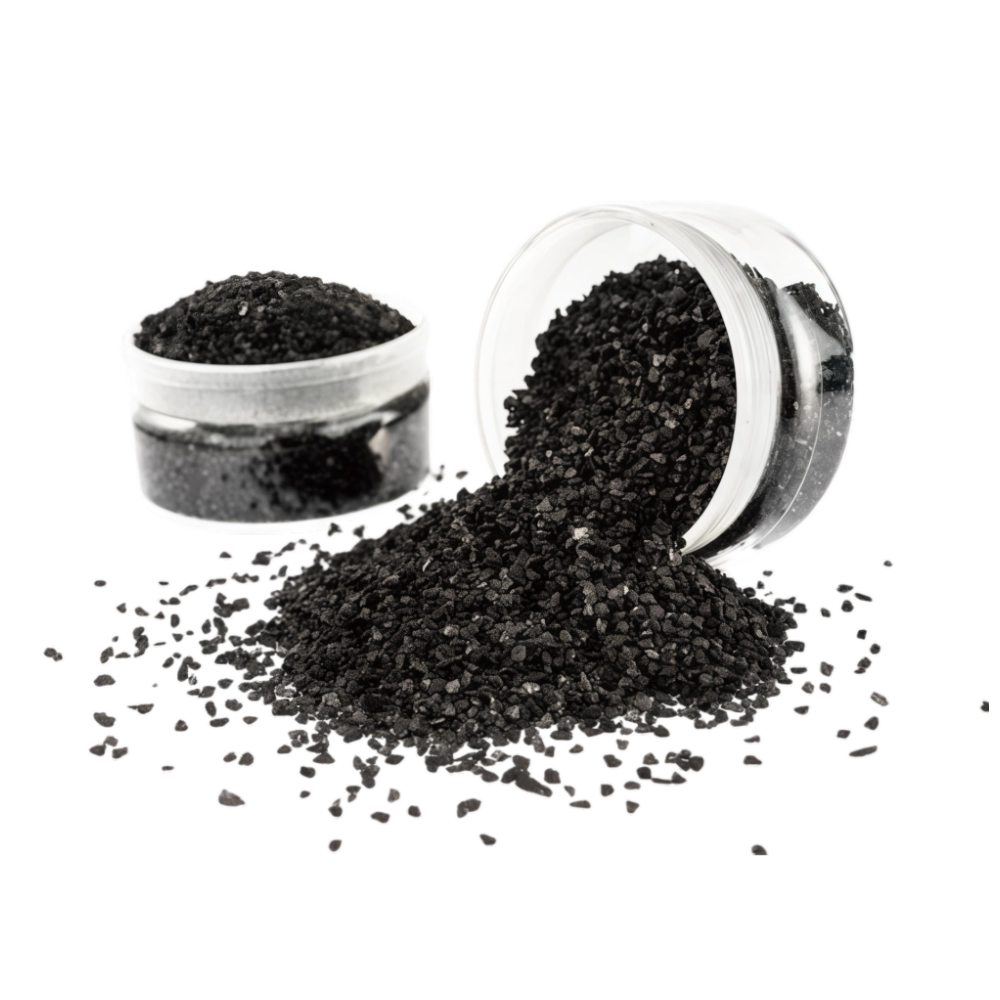
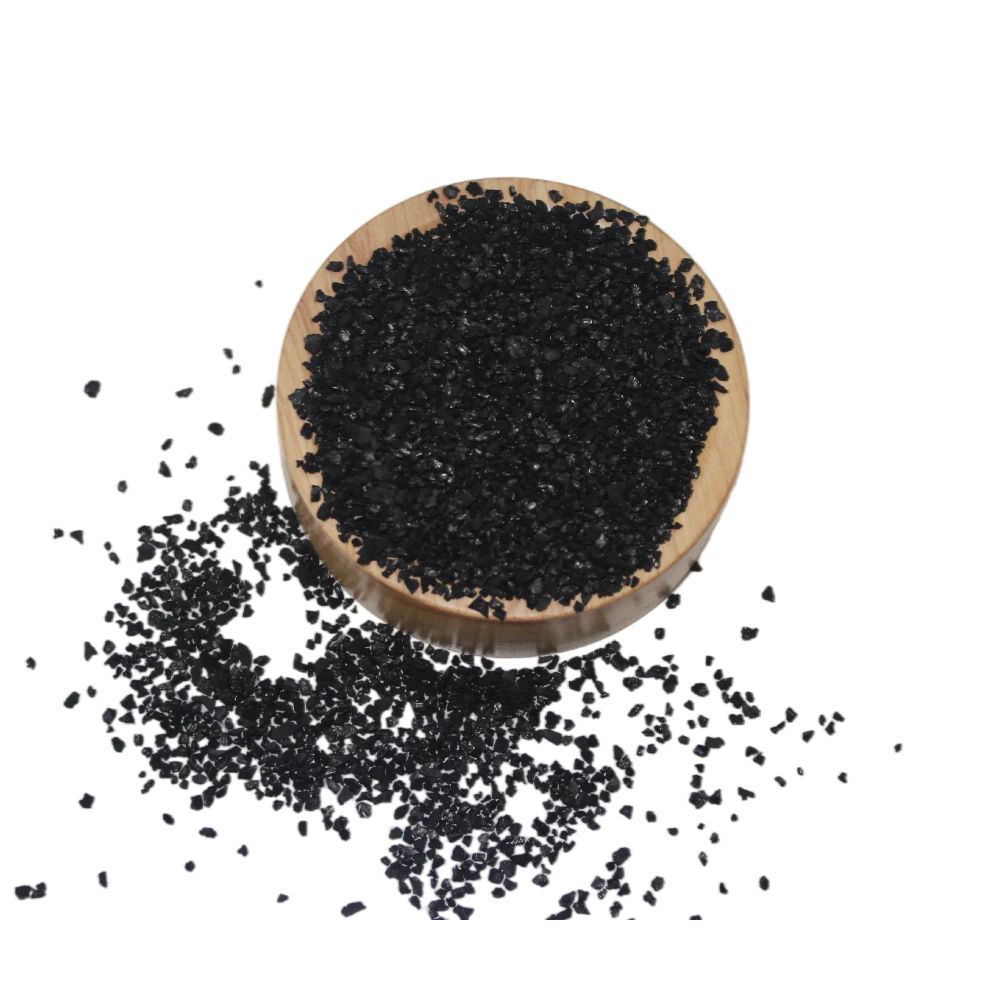
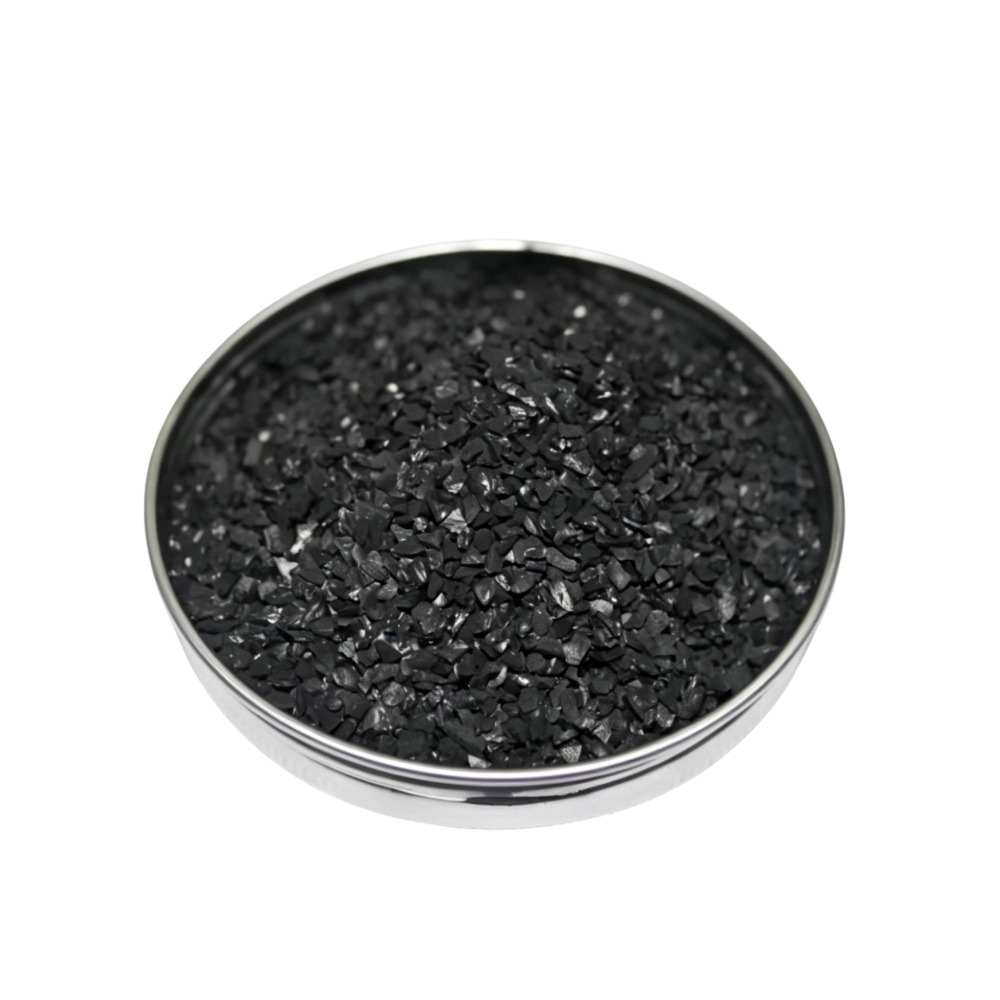
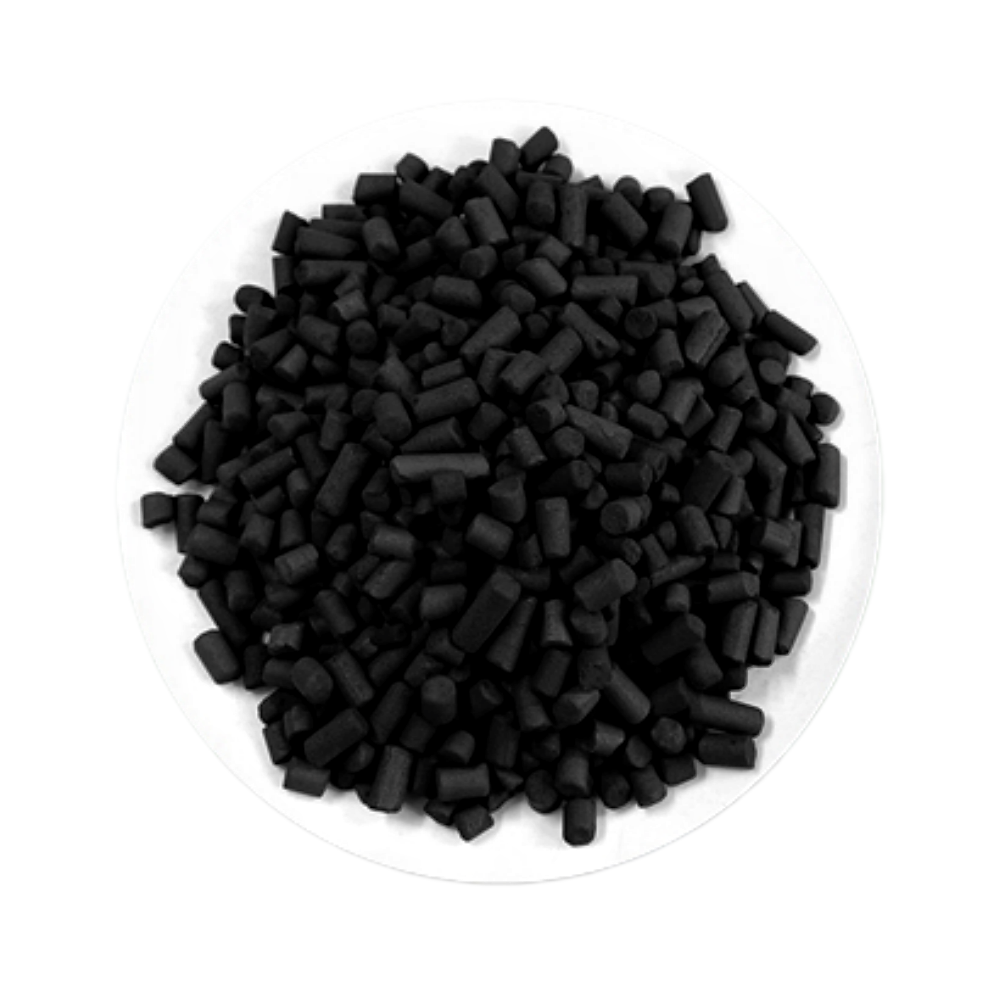
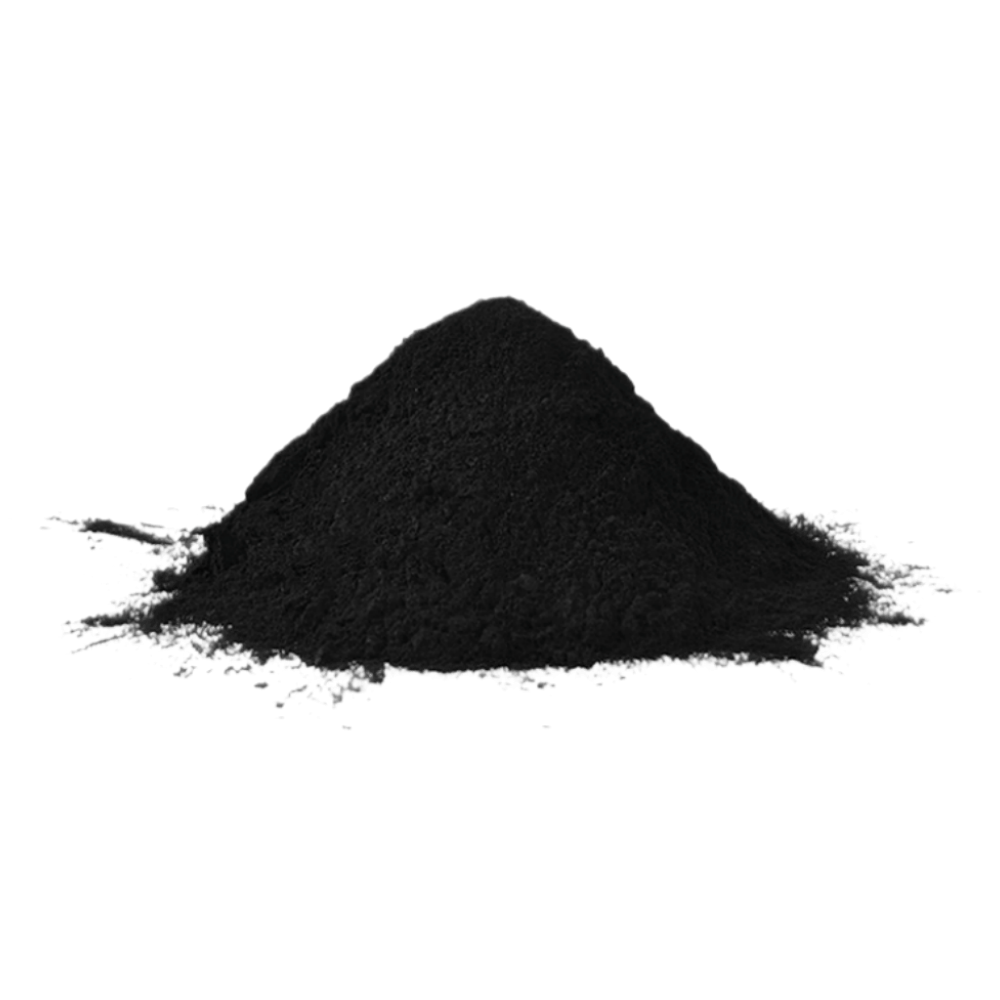
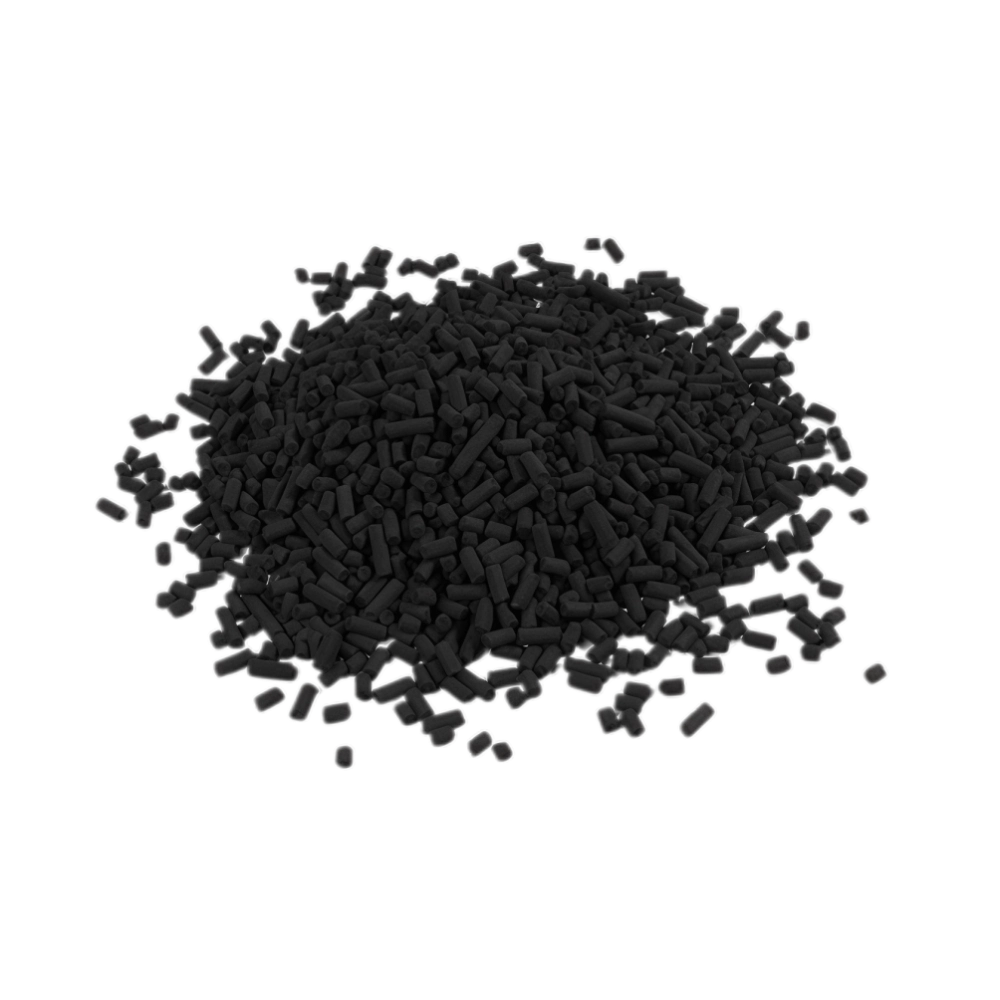
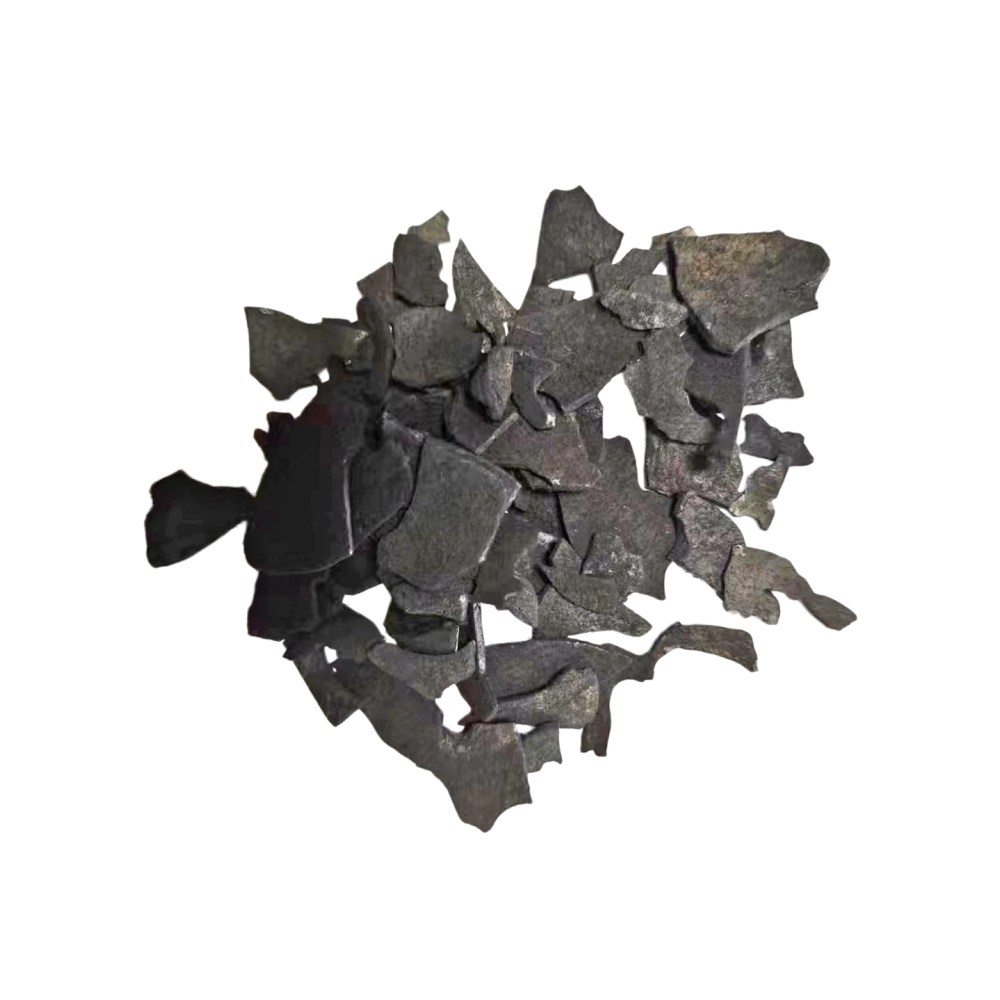
- PSD-TH (Coconut Shell Base) — High-wall-thickness Indonesian coconut shell, carbonized in proprietary equipment. Delivers superior mechanical strength and carbon yield. The dense shell structure translates to hard carbon with excellent tap density and low surface area, reducing first-cycle irreversible capacity loss.
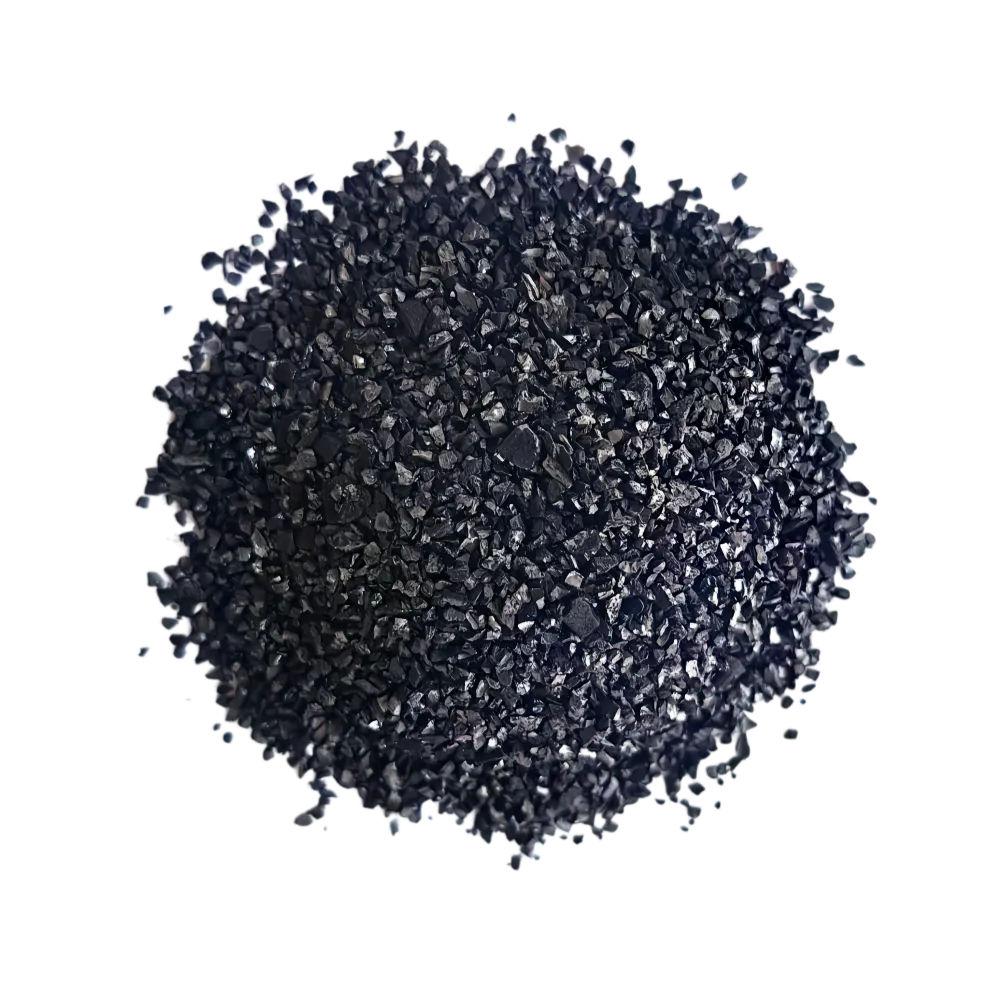
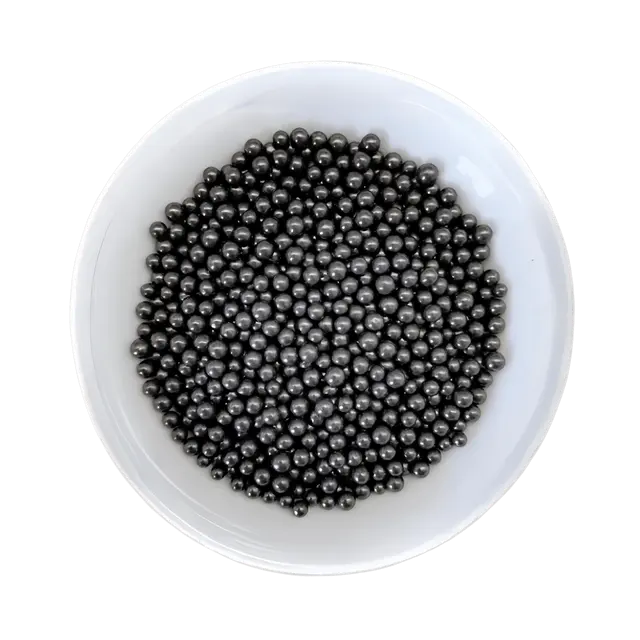
- PSD-ZTH (Bamboo Base) — Fast-regrowth bamboo offers a sustainable alternative with a fundamentally different pore development pathway. The cellulose-rich structure yields hard carbon with enhanced rate performance, supporting applications where rapid charging is prioritized over absolute energy density.
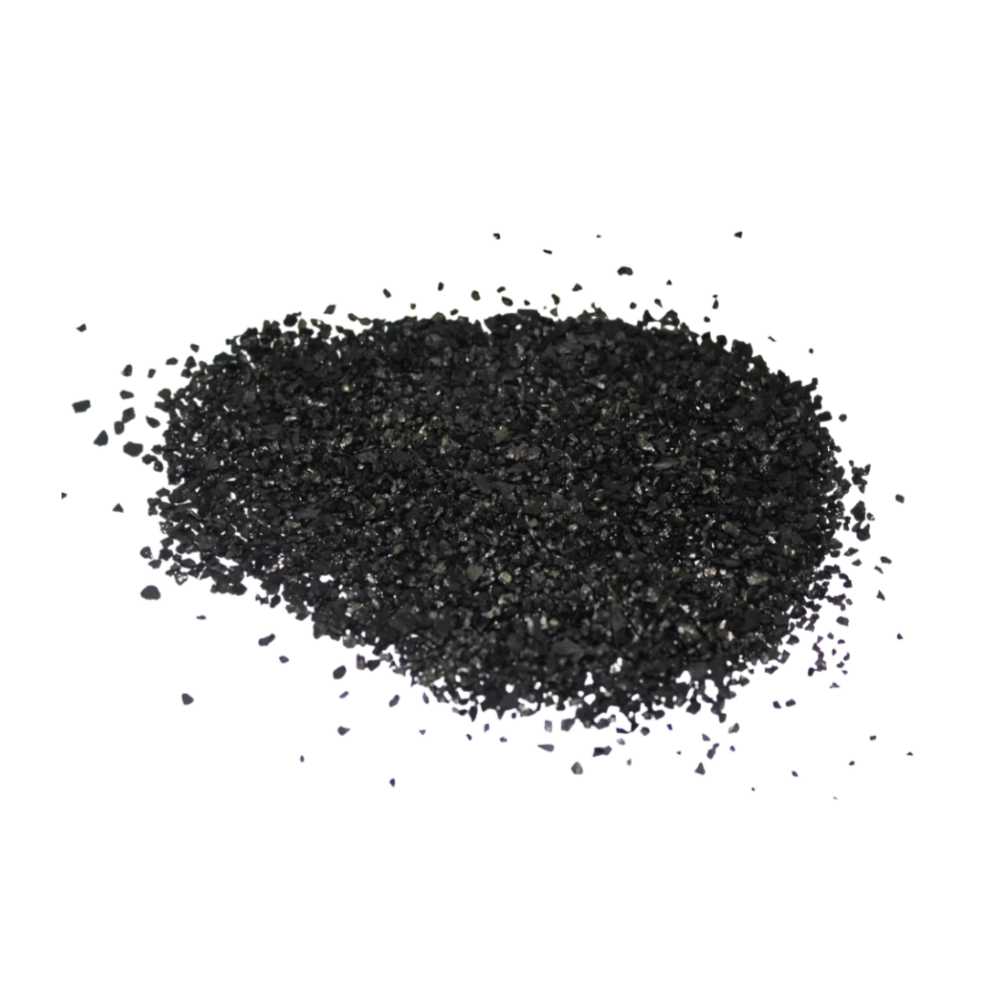
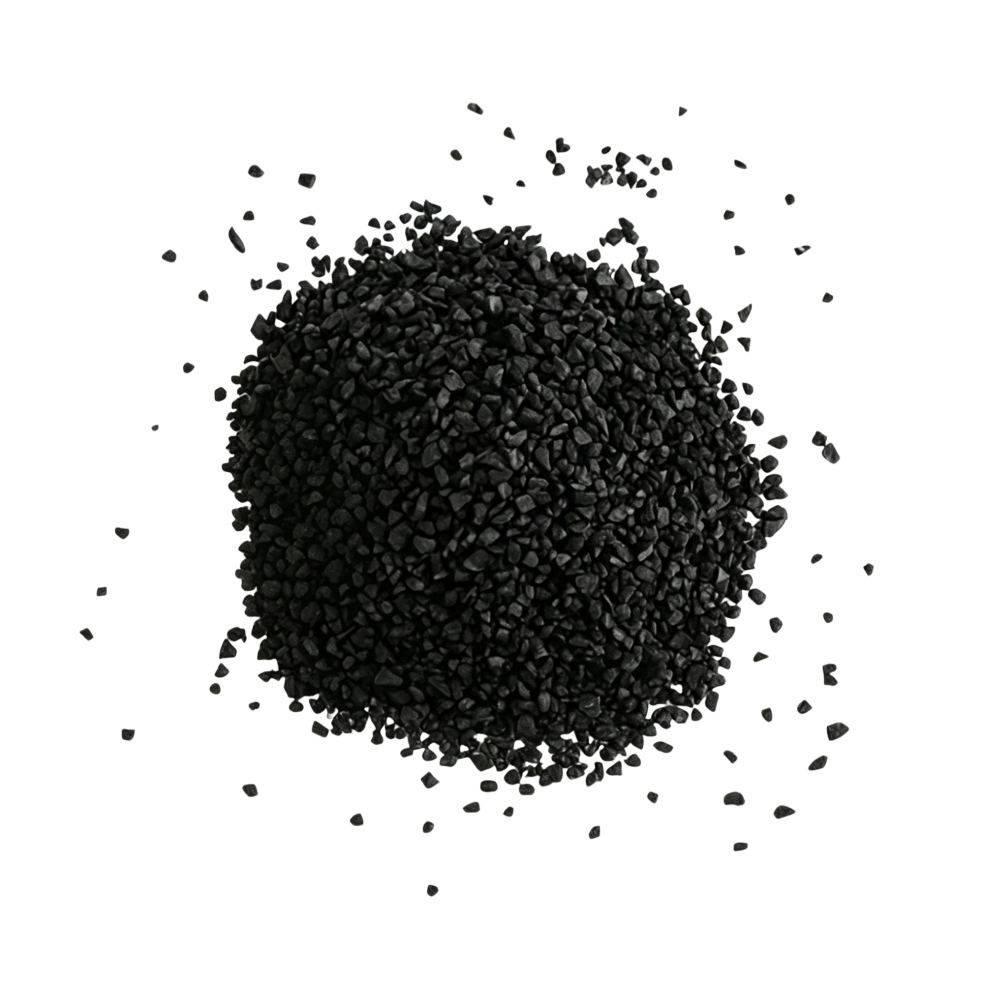
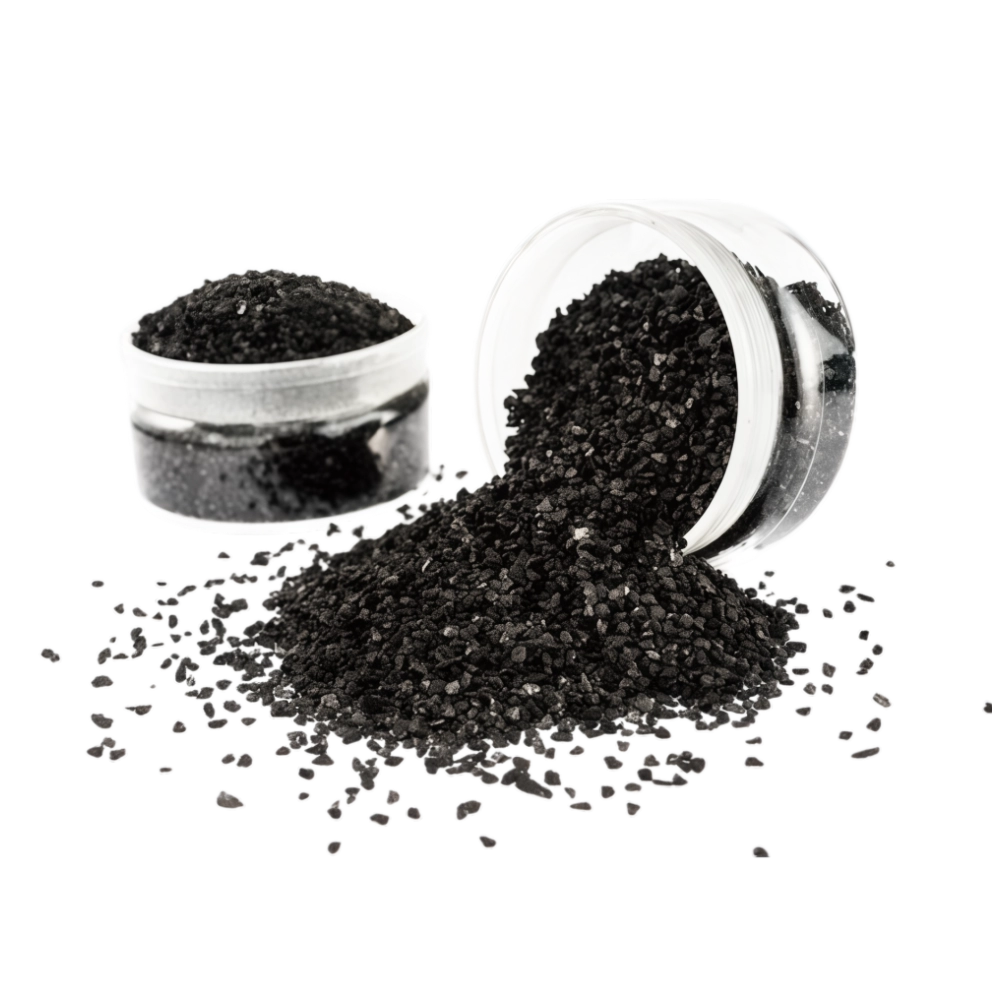
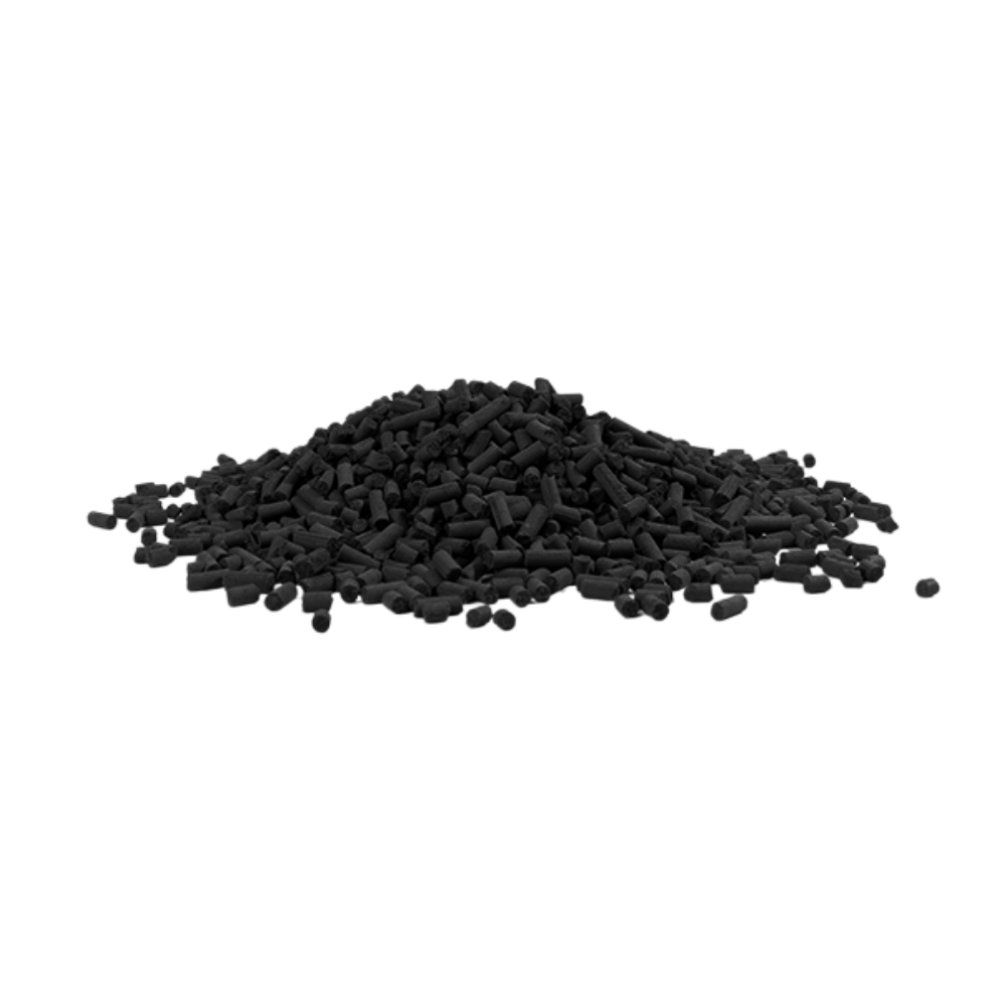
- PSD-TTH (Walnut Shell Base) — Repurposes agricultural waste streams into battery-grade material. Supports circular-economy procurement goals while delivering performance comparable to virgin feedstocks.
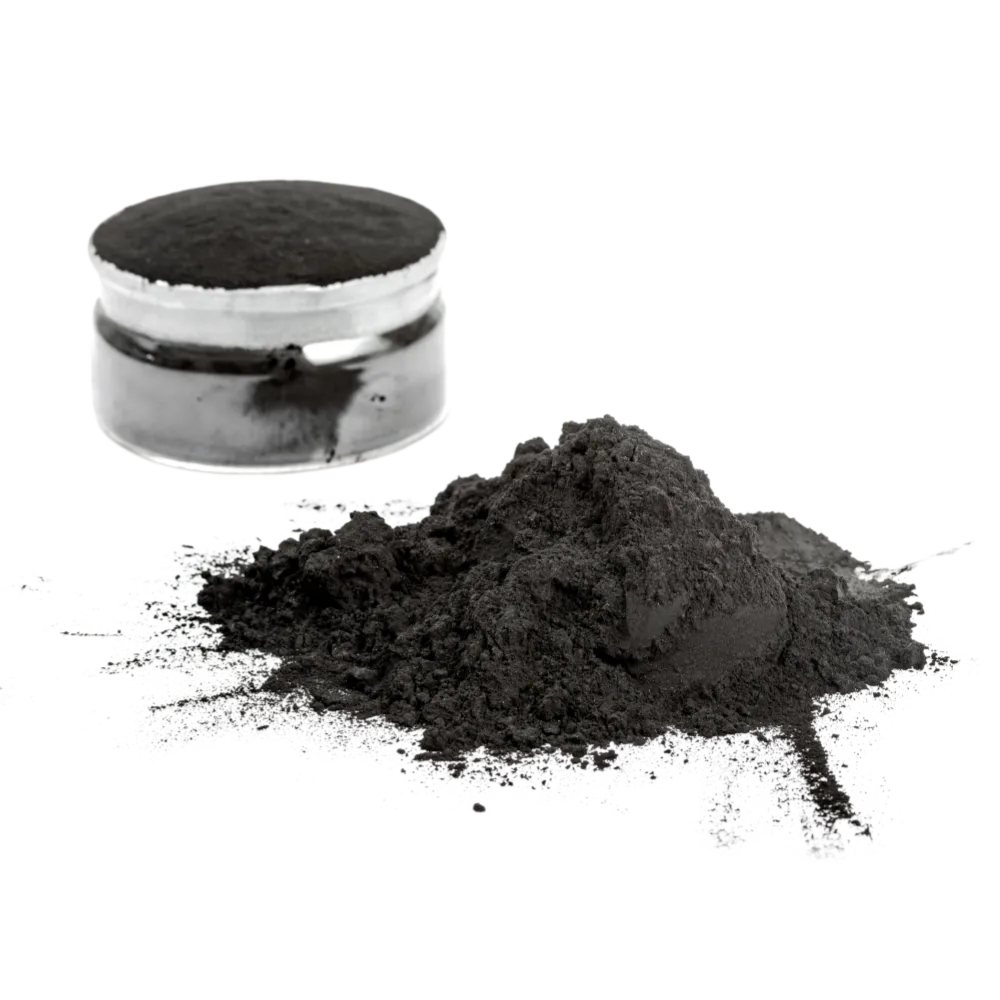
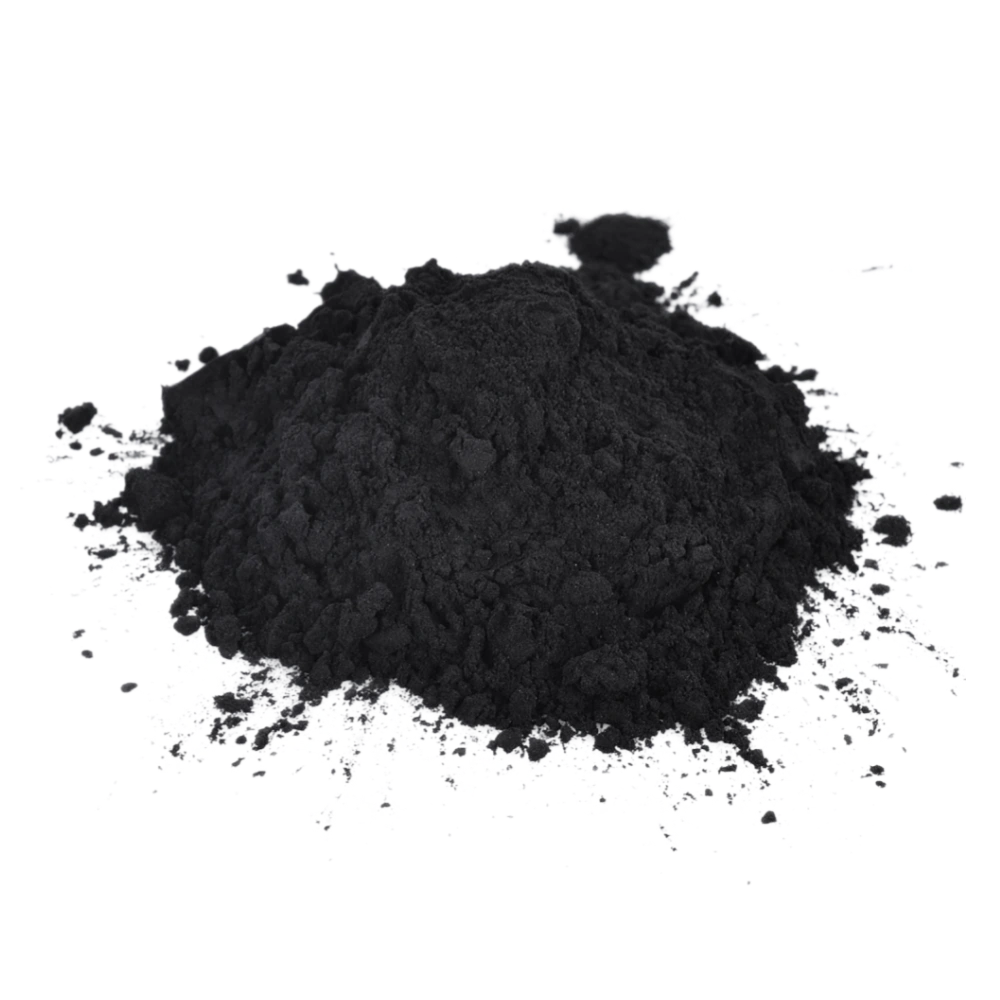
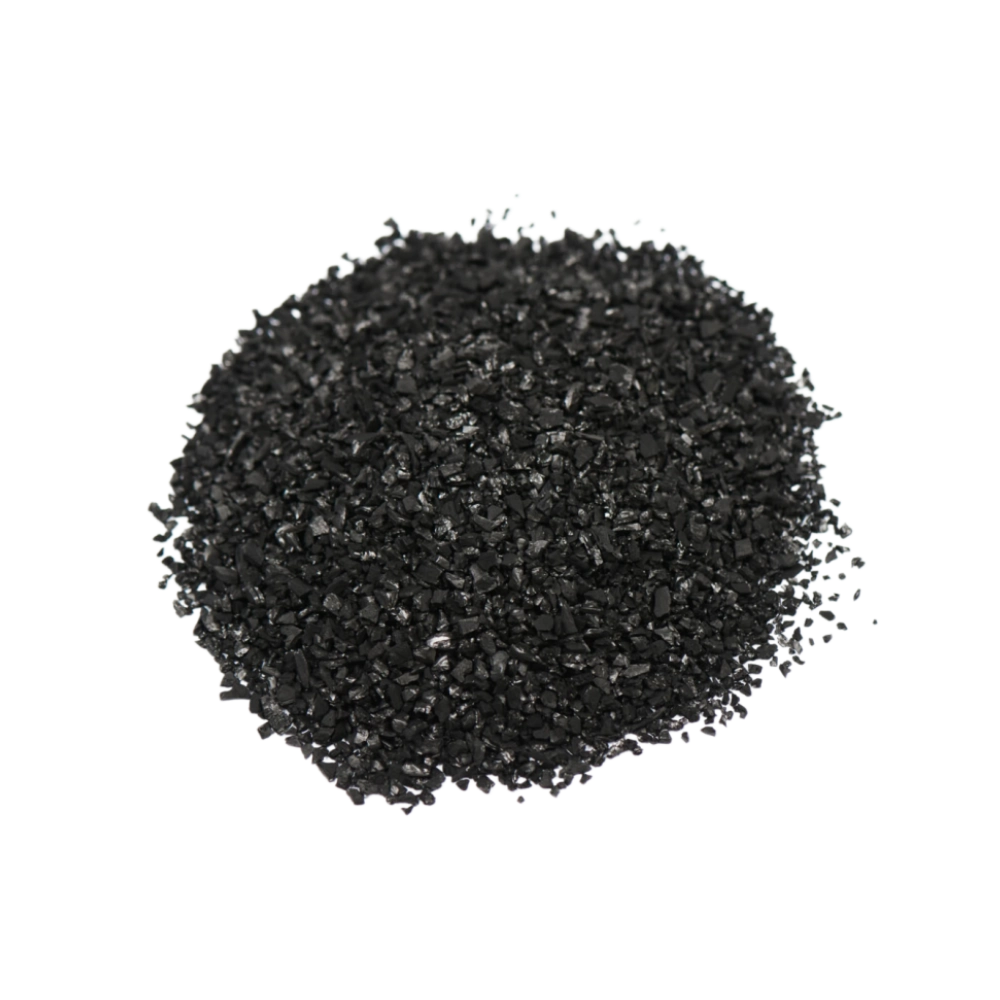
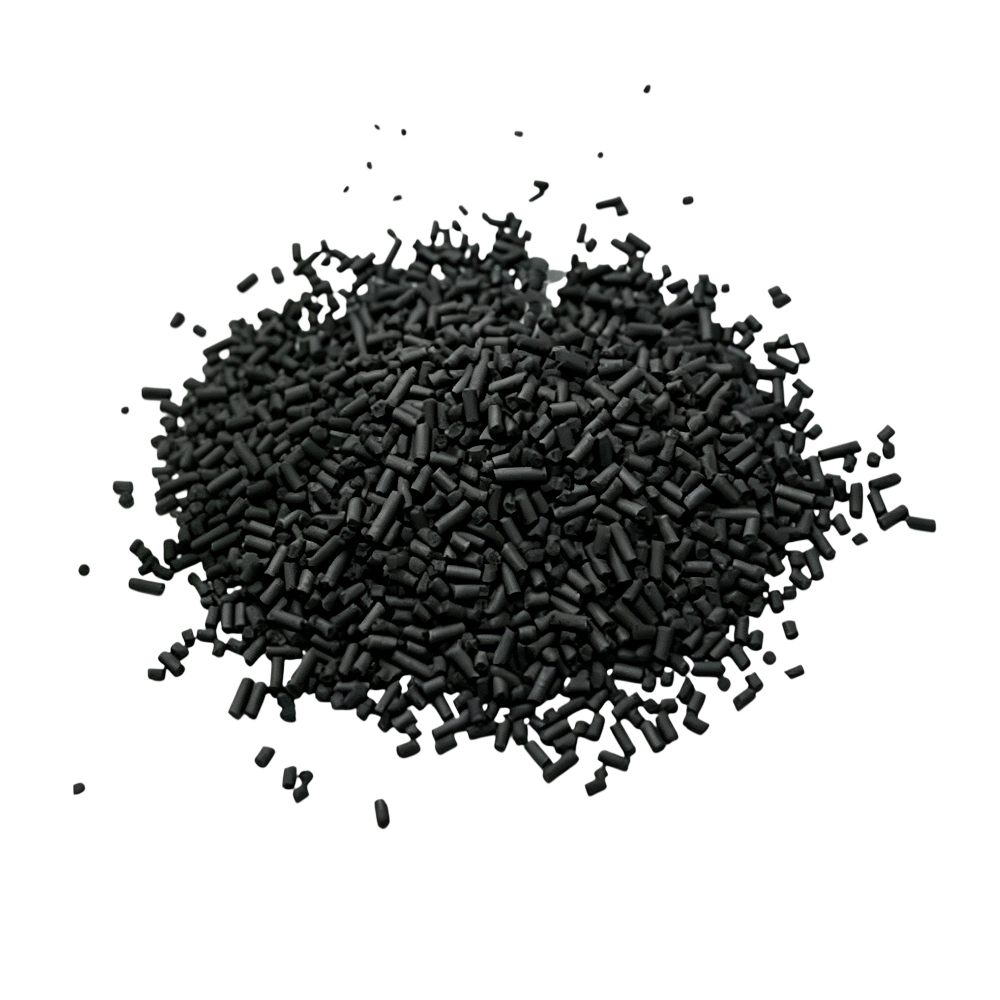
All precursors are converted to finished hard carbon through precisely controlled activation-carbonization curves that lock target pore architectures. The result is hard carbon with theoretical specific capacity reaching 300–350 mAh/g—exceeding the practical limit of graphite—while maintaining the long cycle life and low-temperature resilience that sodium-ion systems promise.