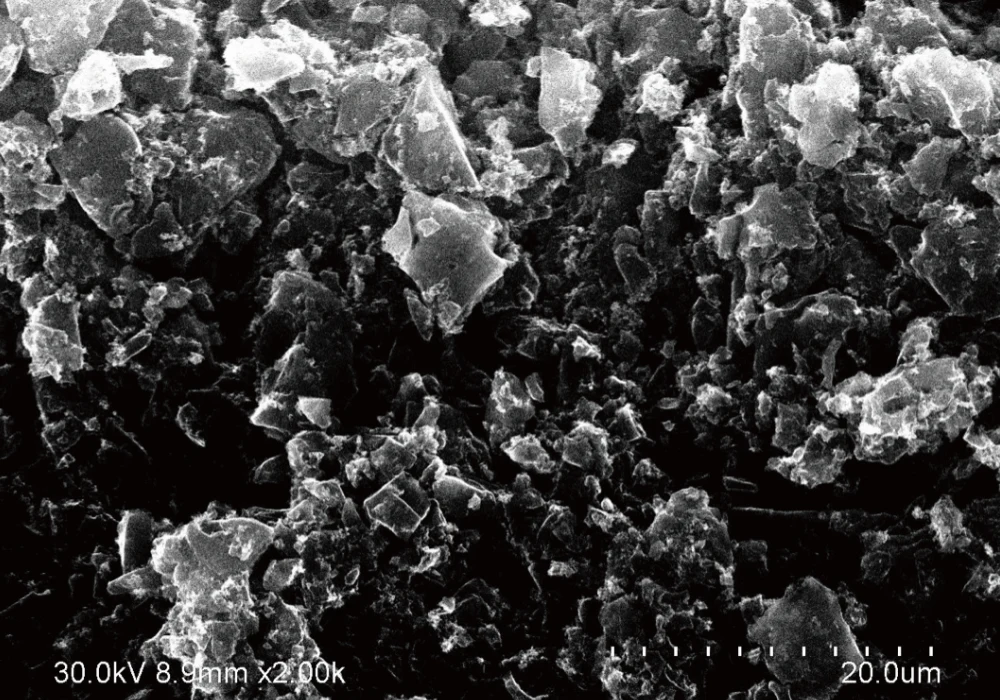
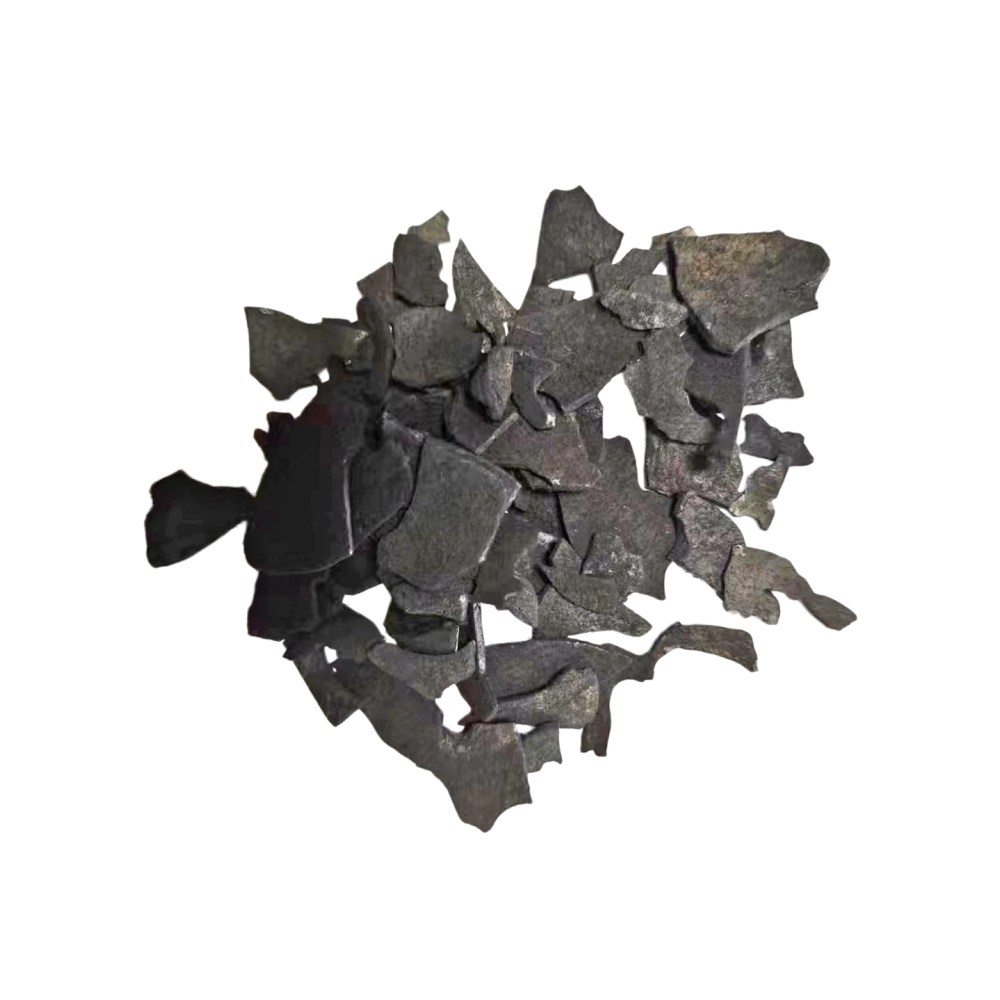
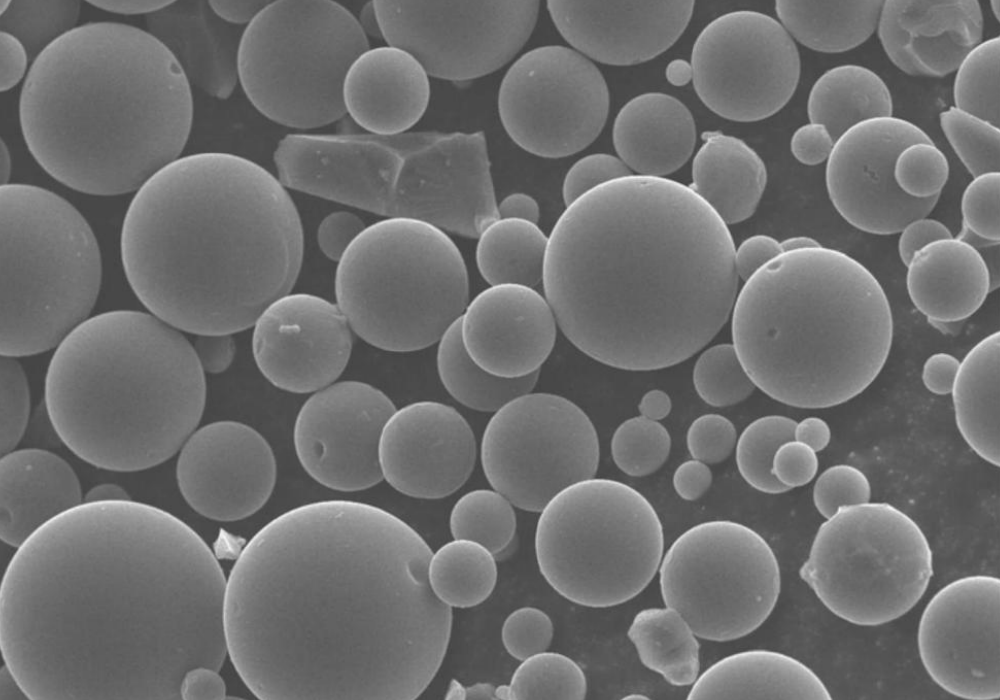
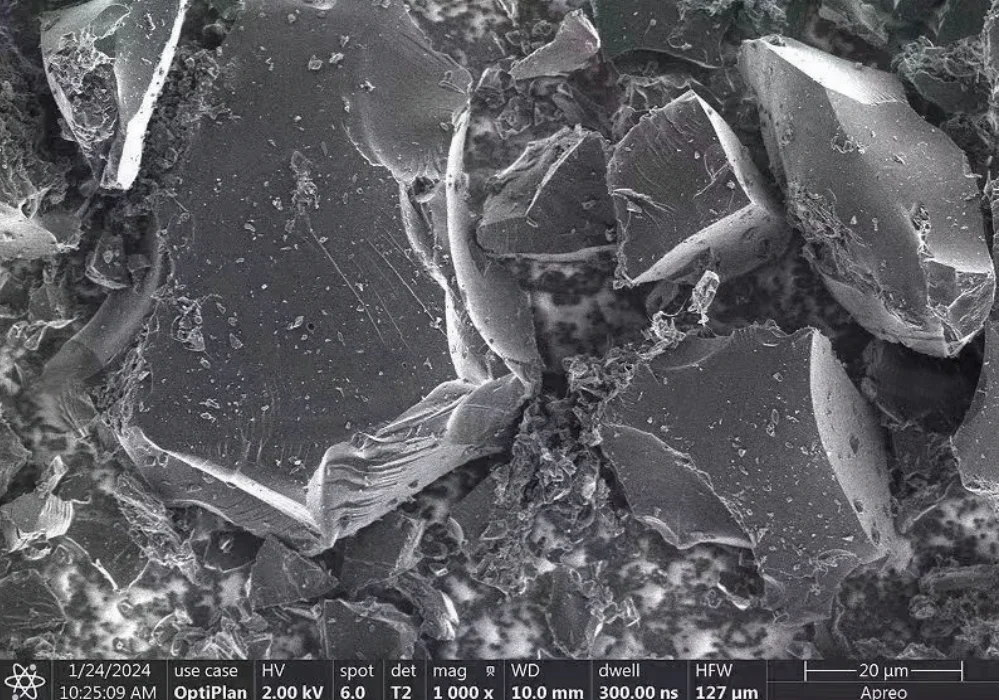


















Overview
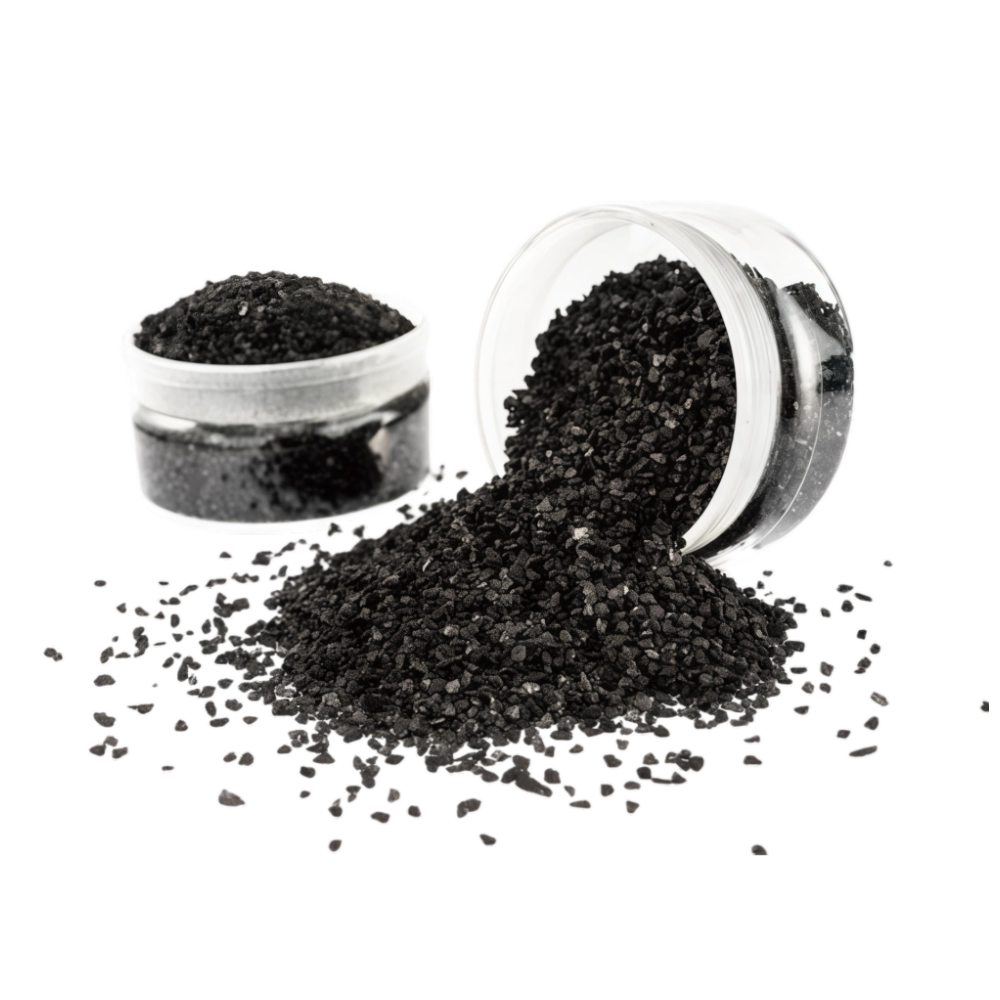
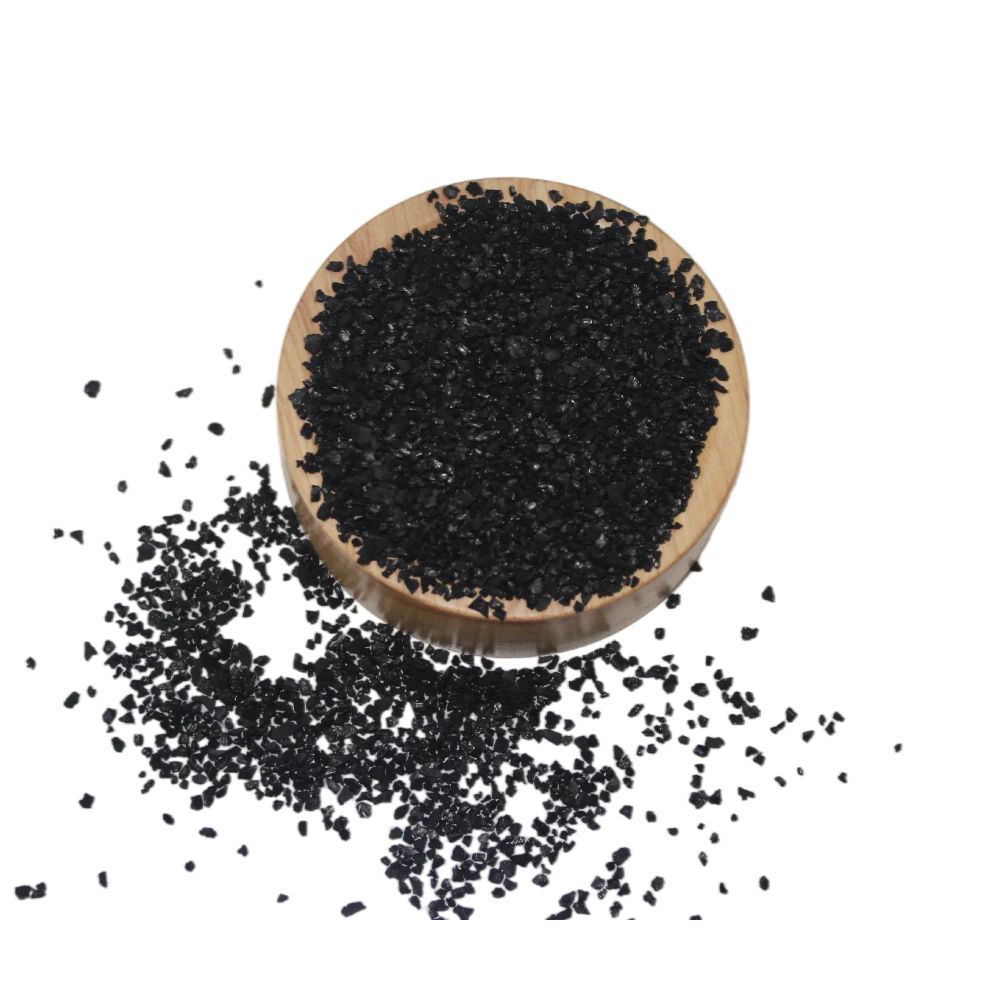
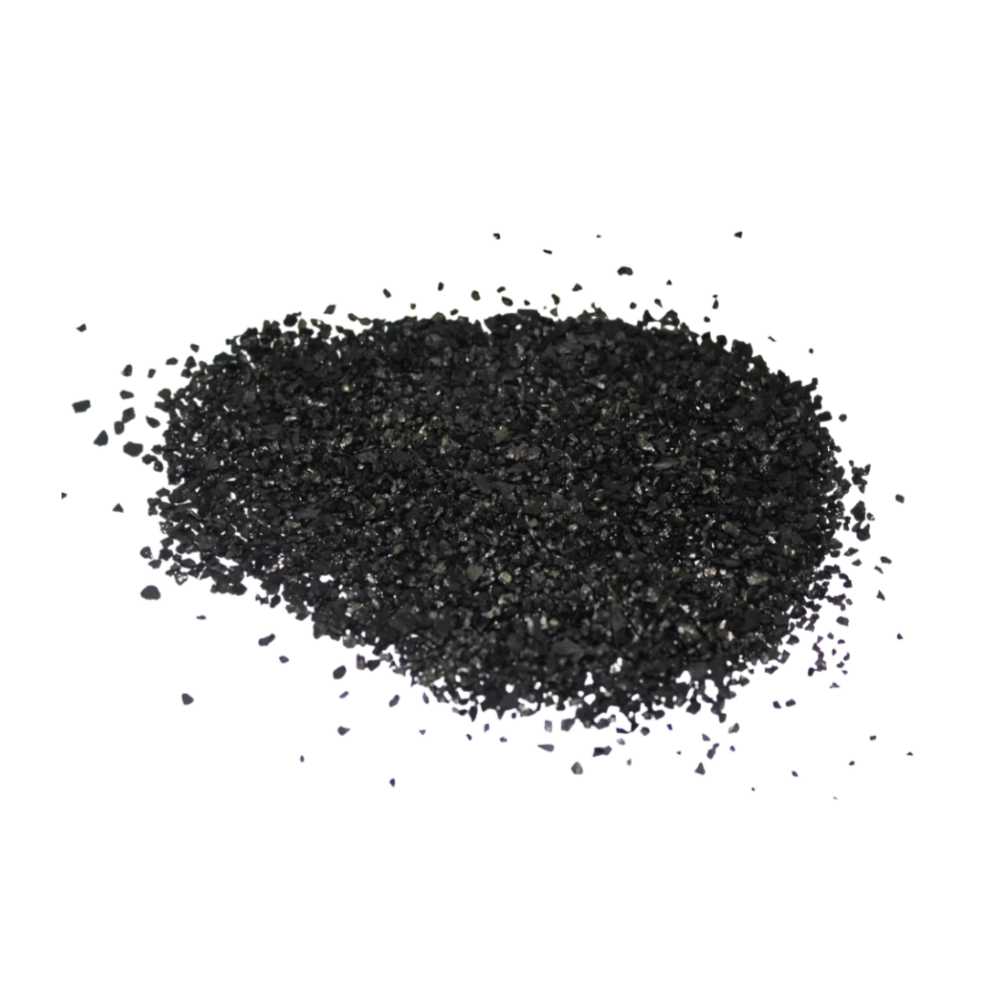
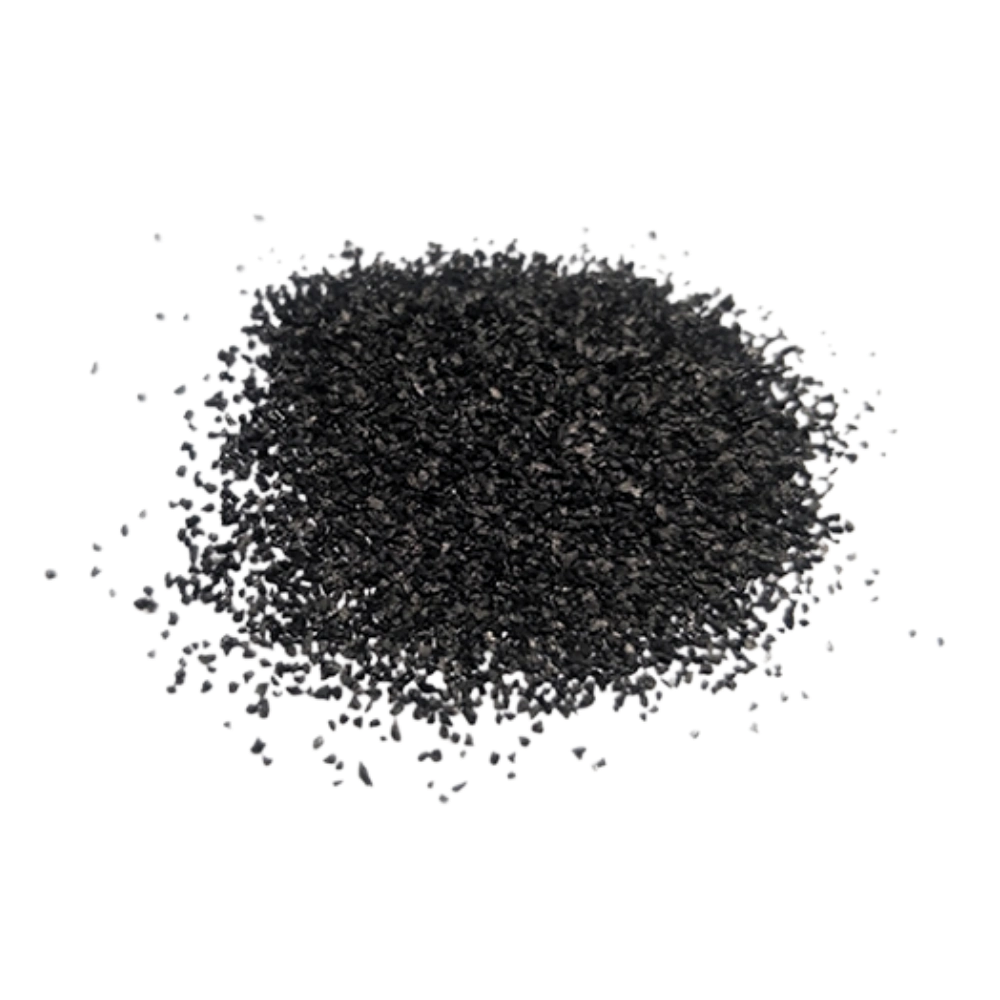
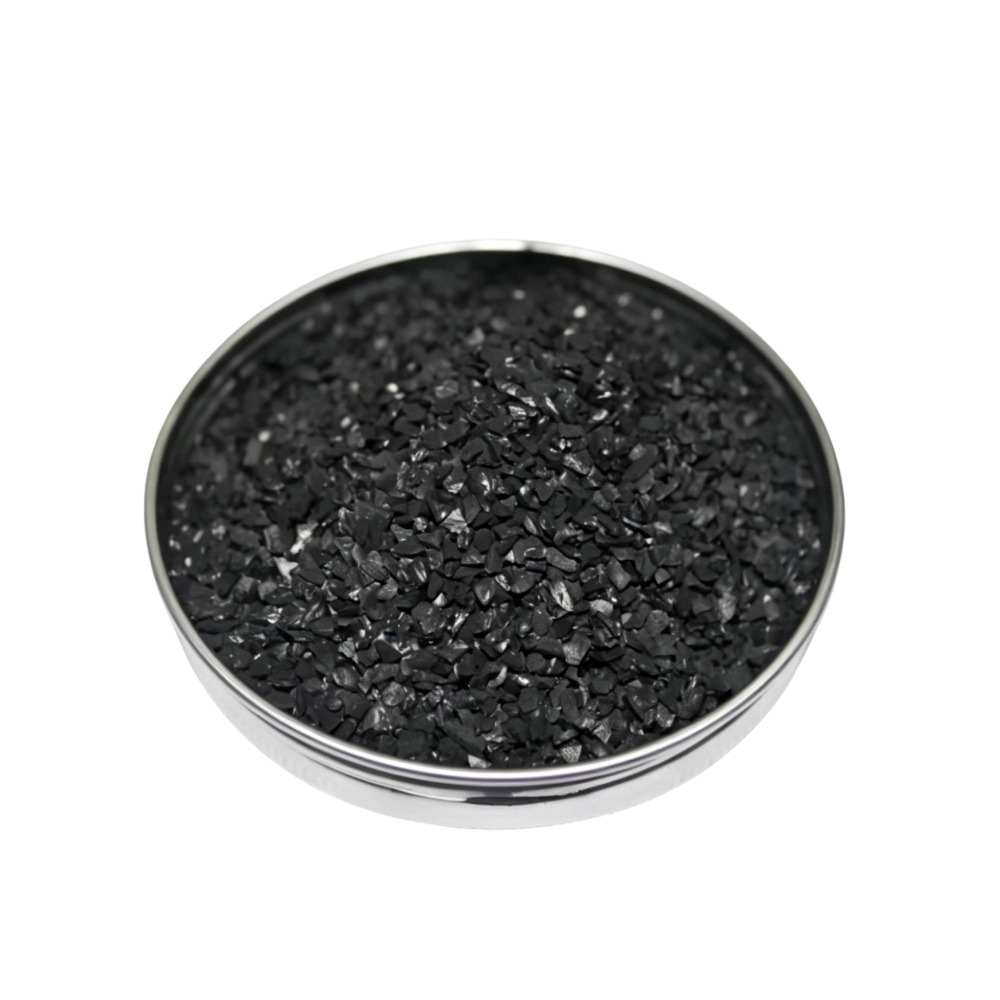
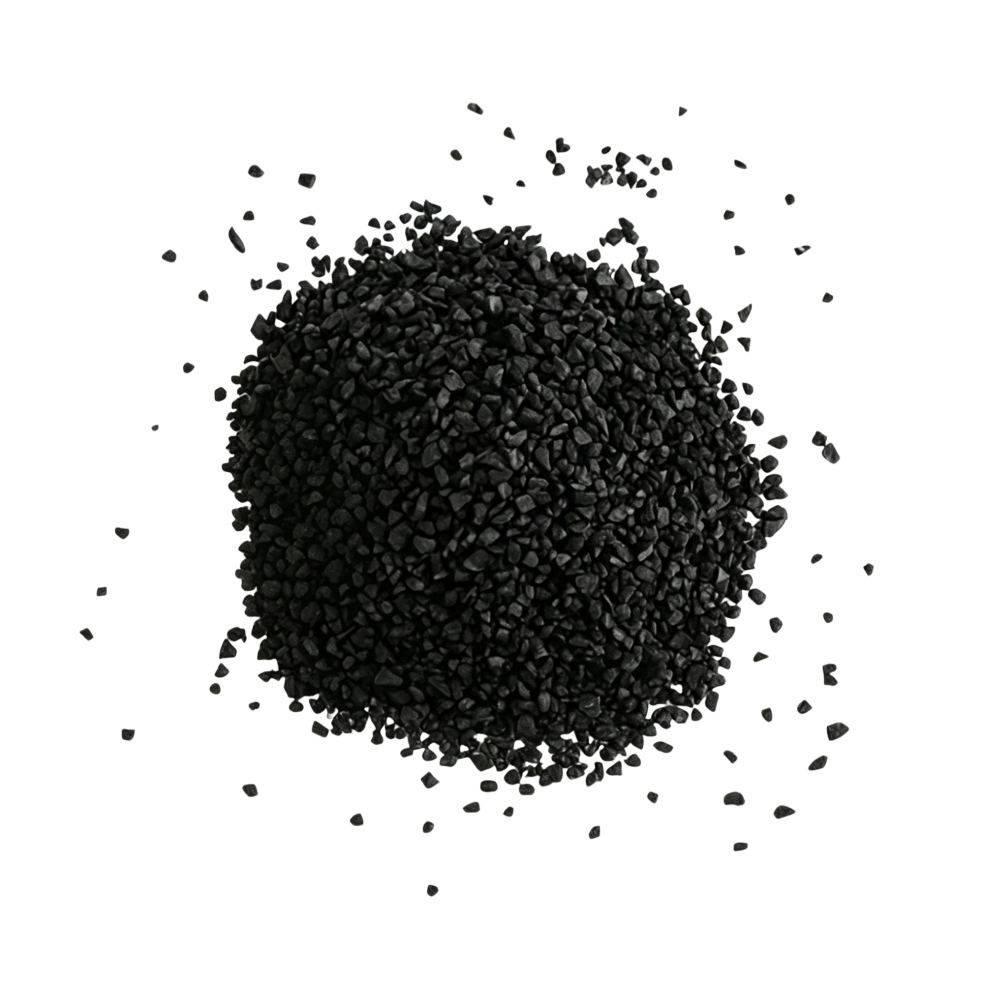
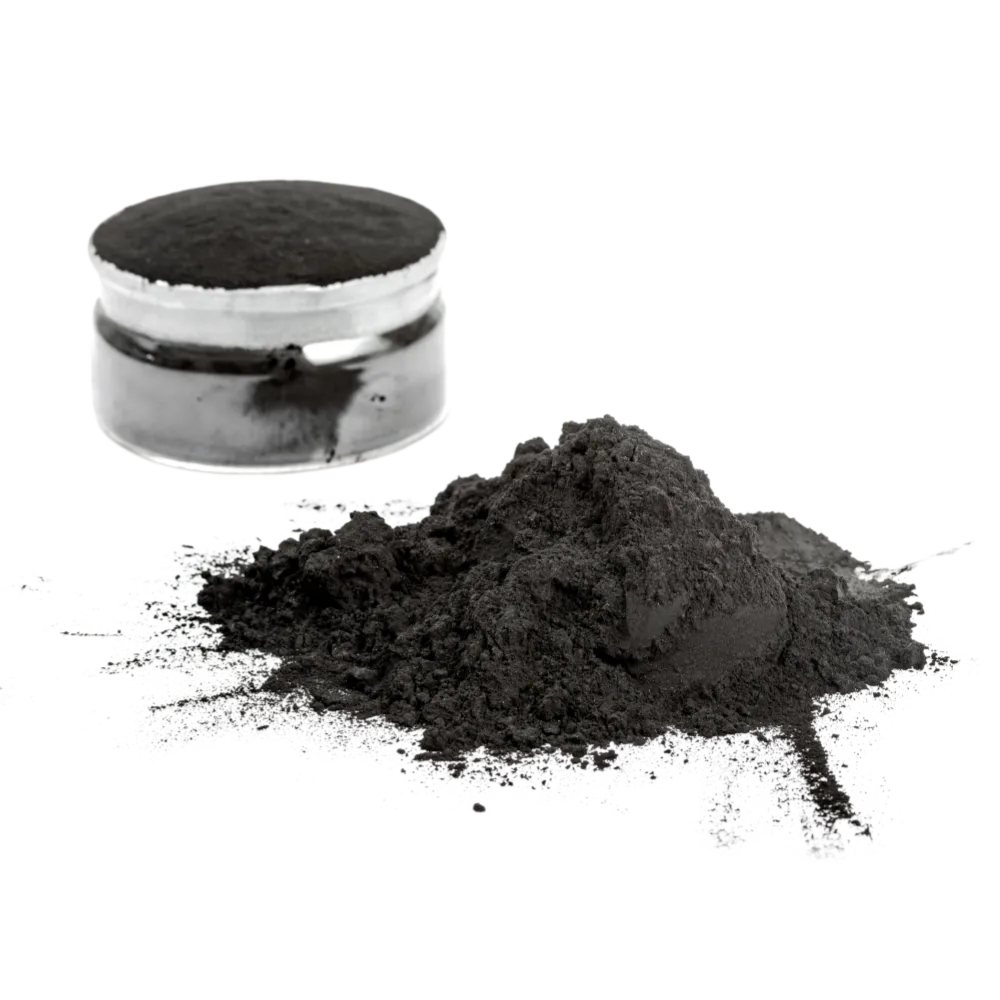
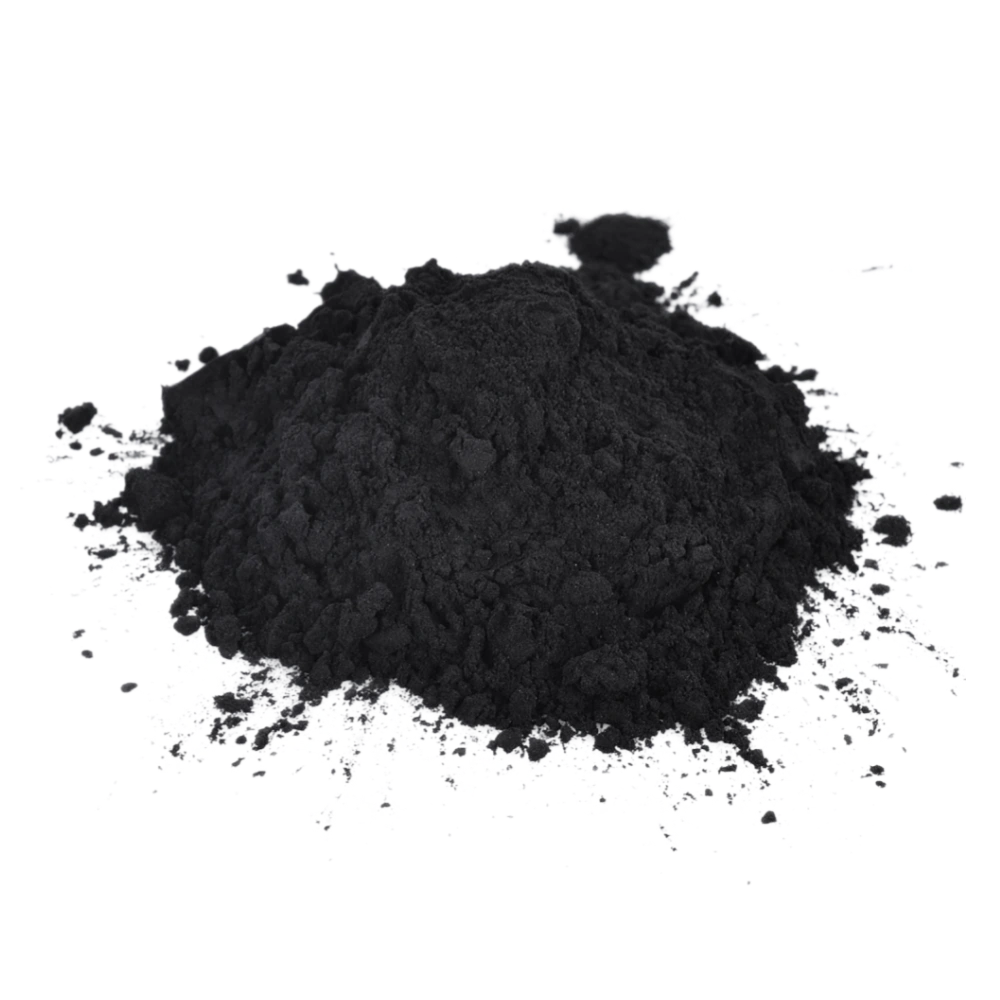
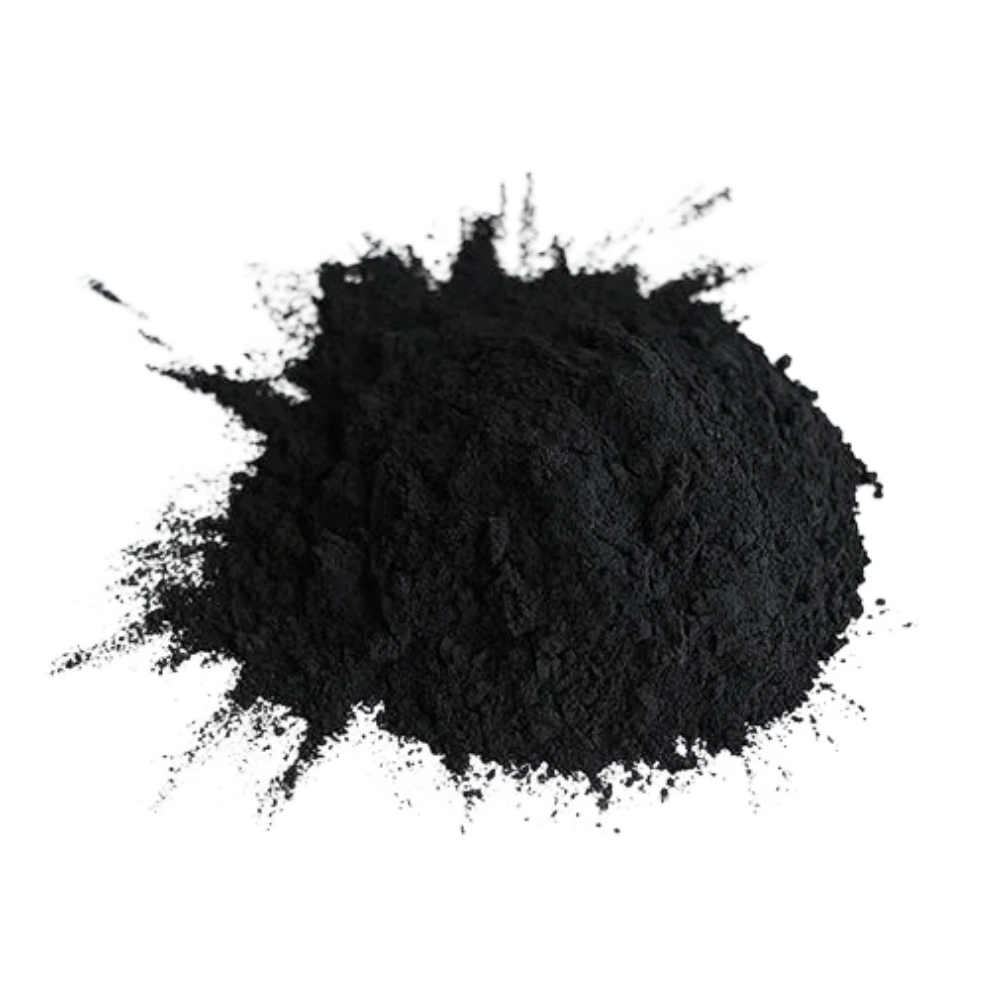
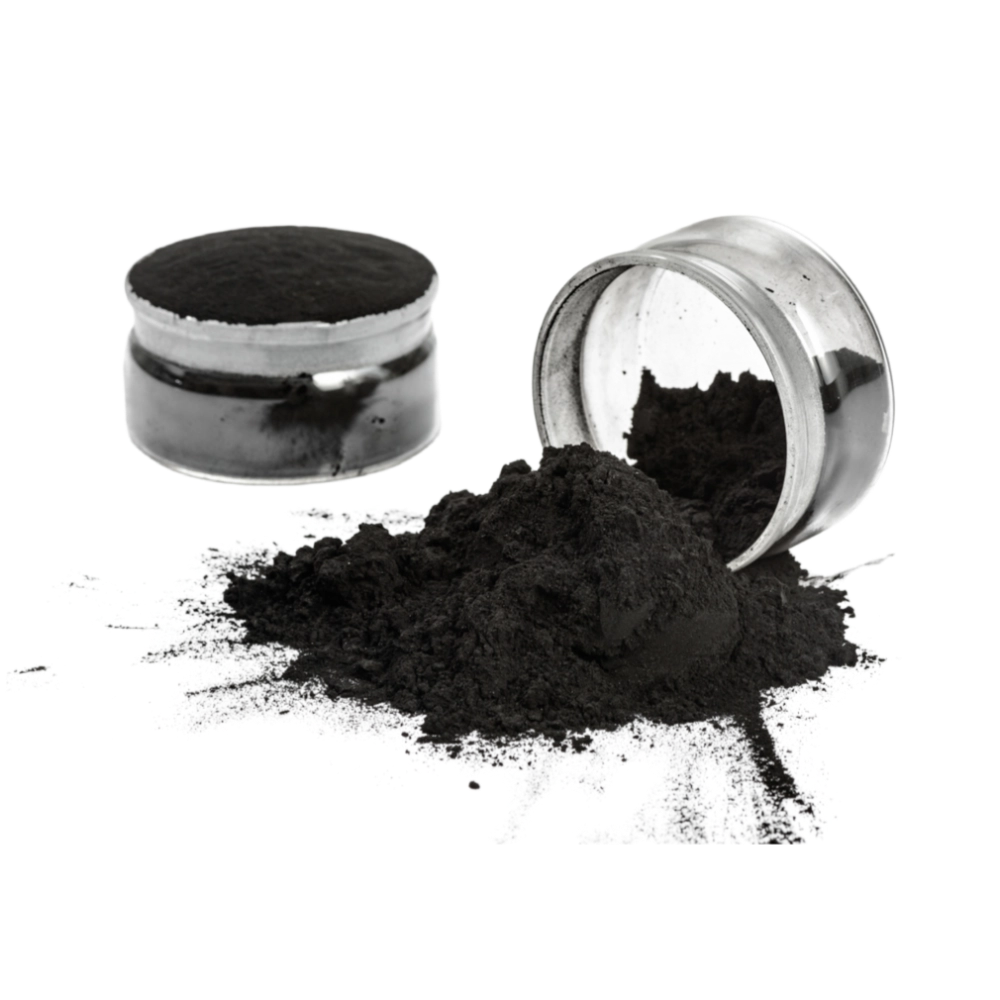
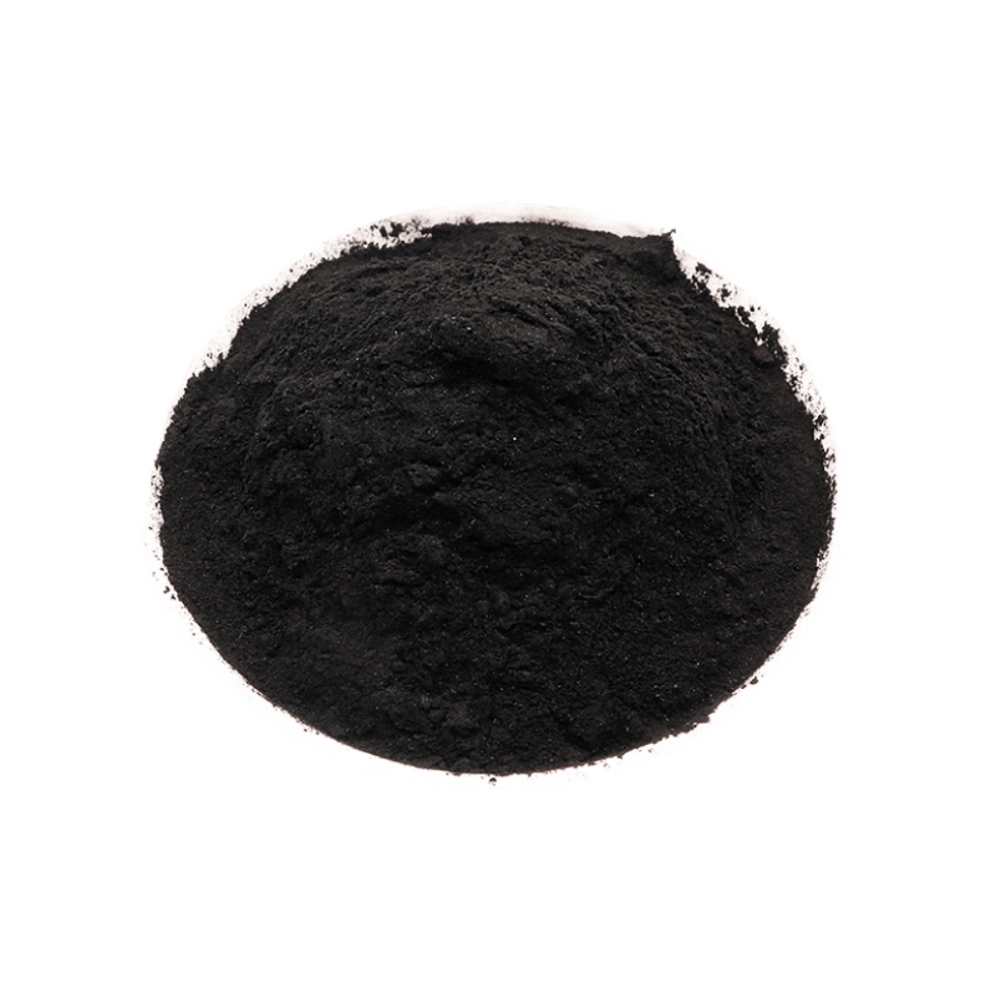
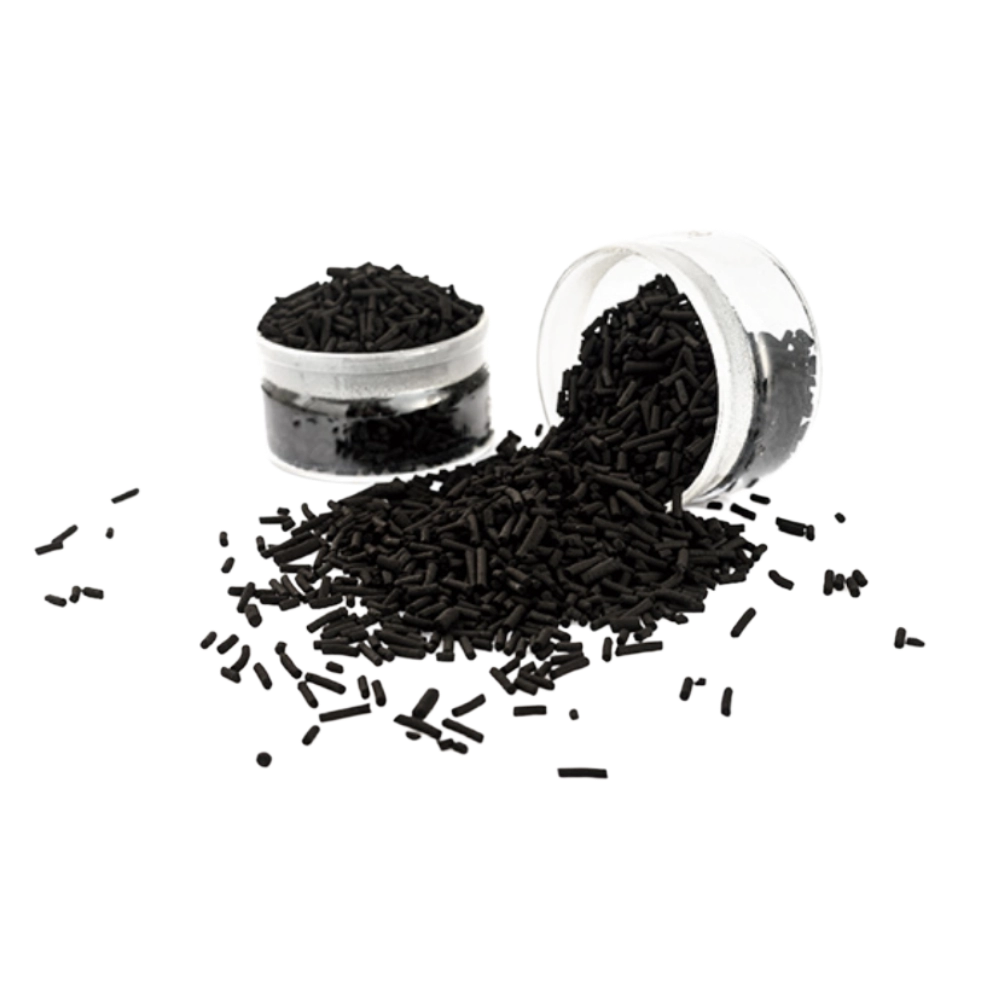
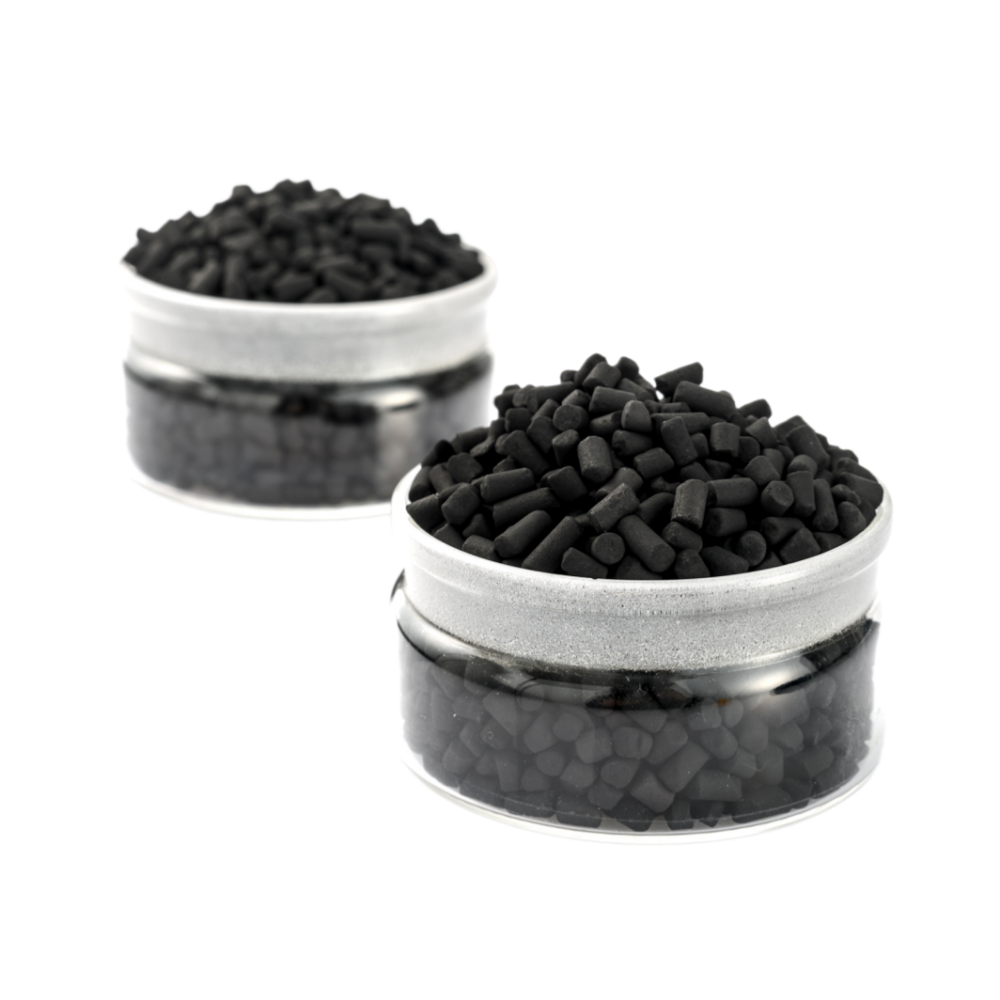
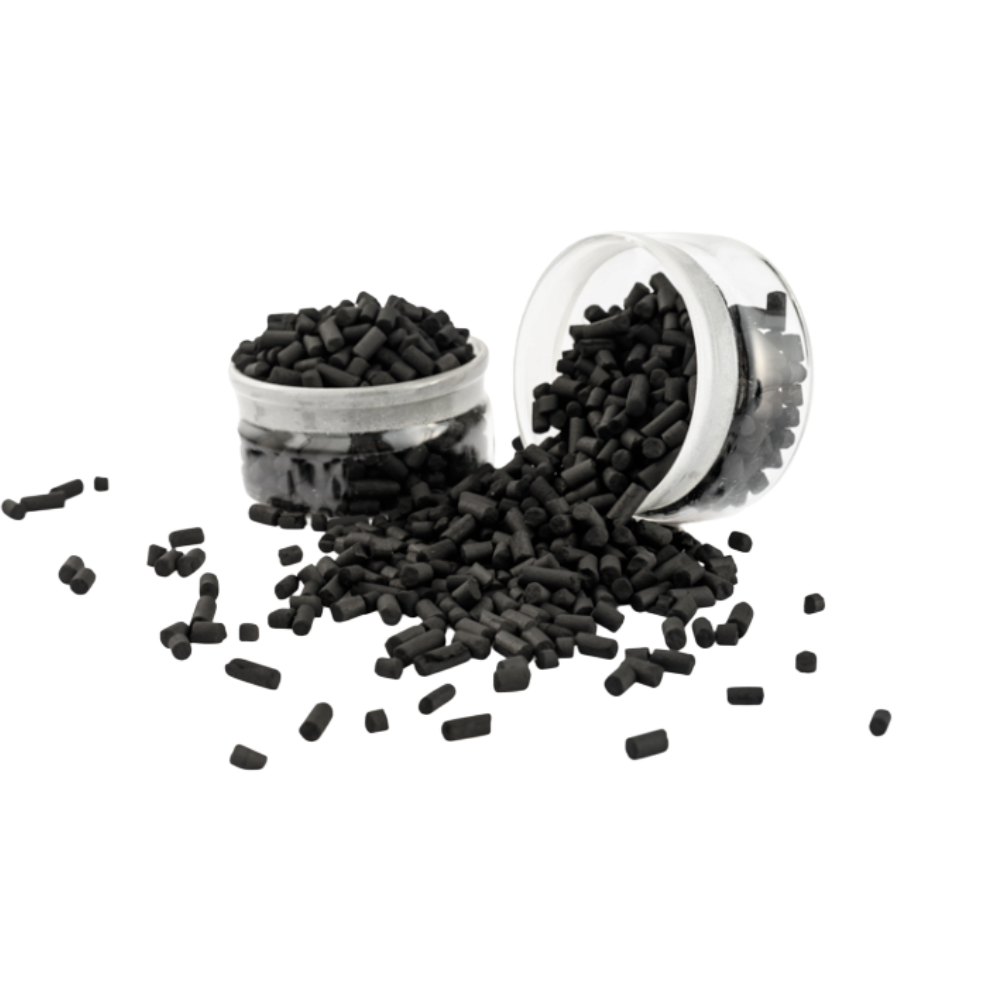
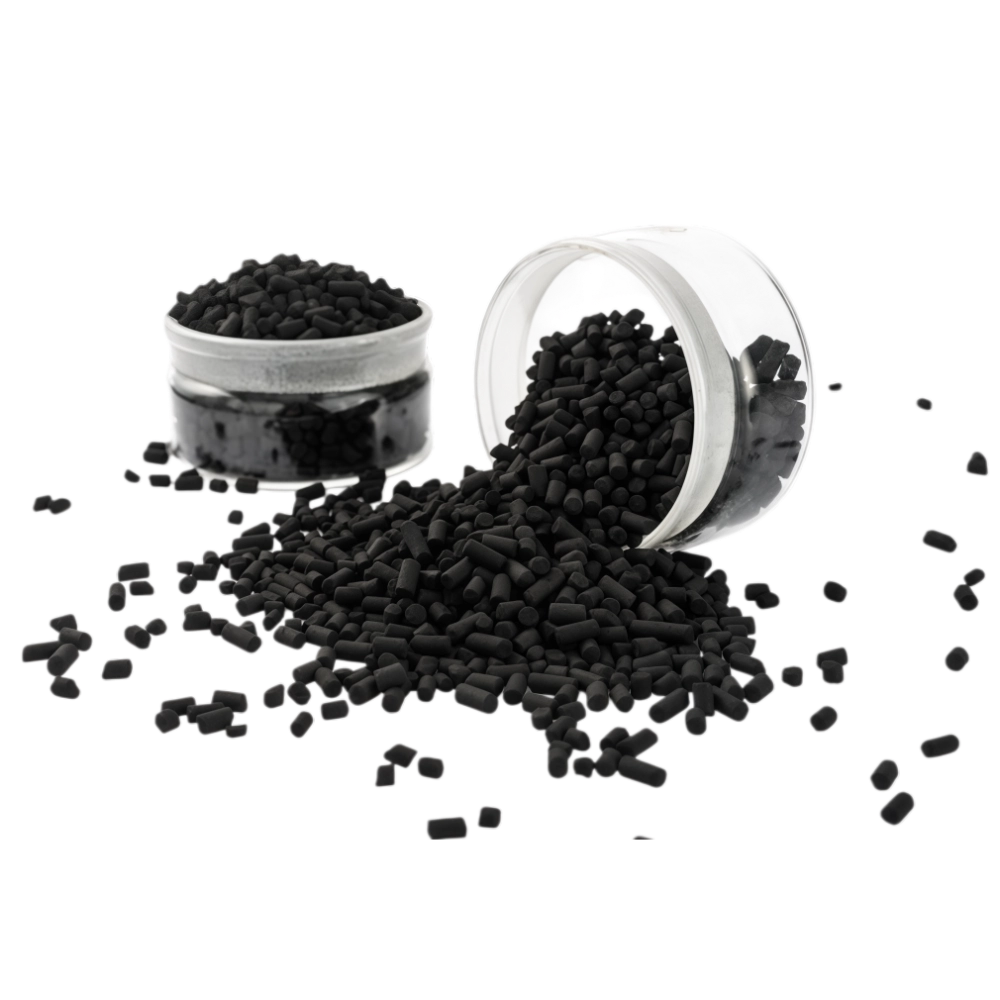
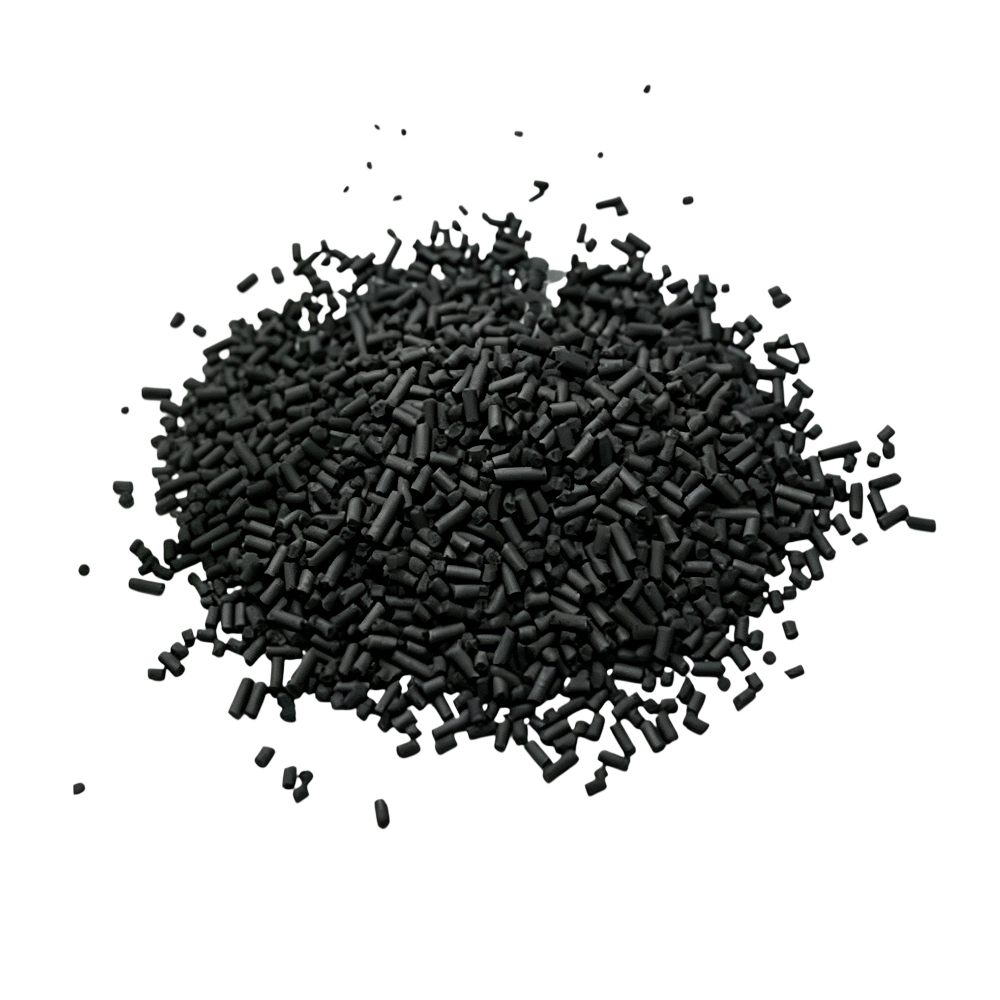
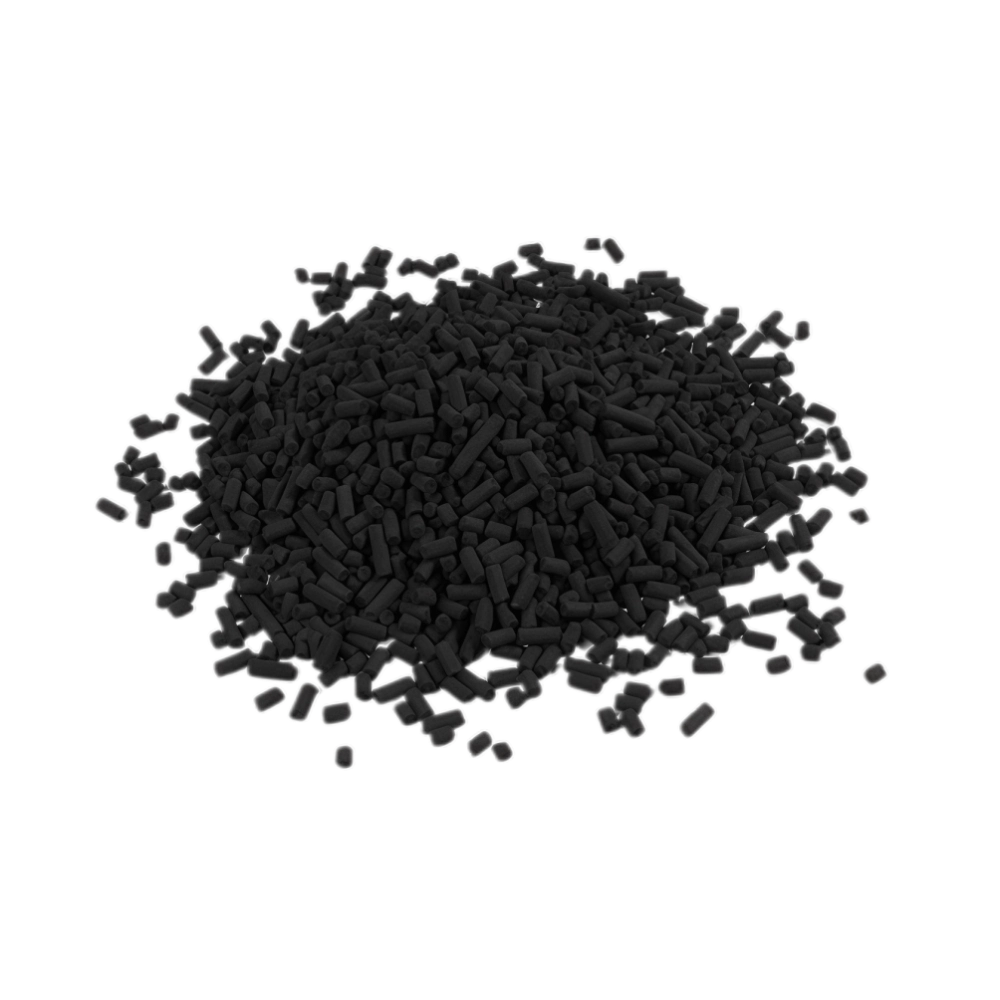
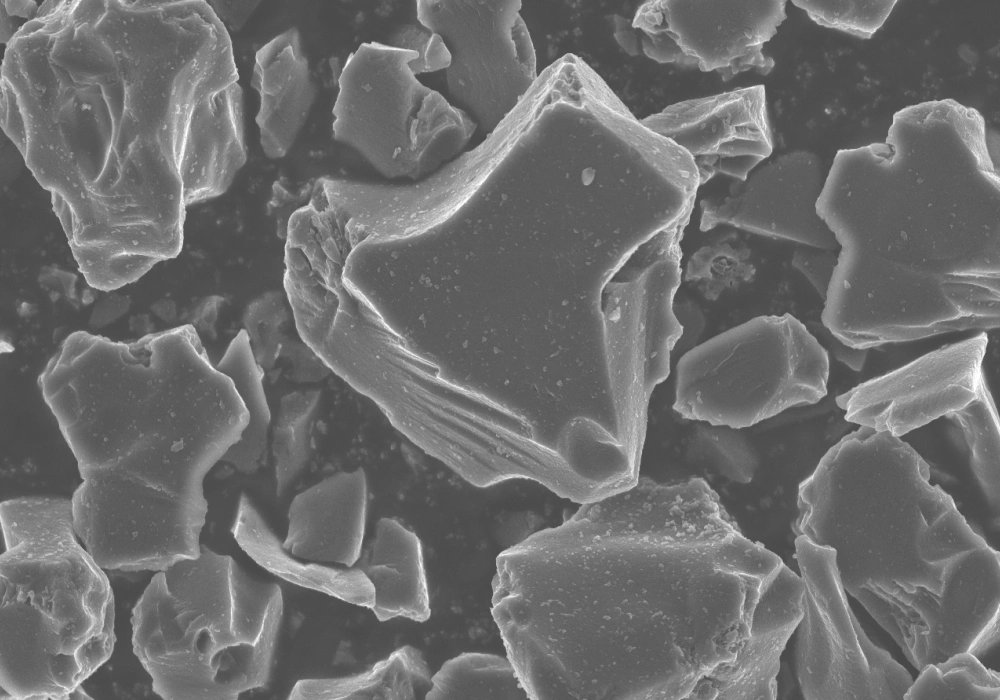
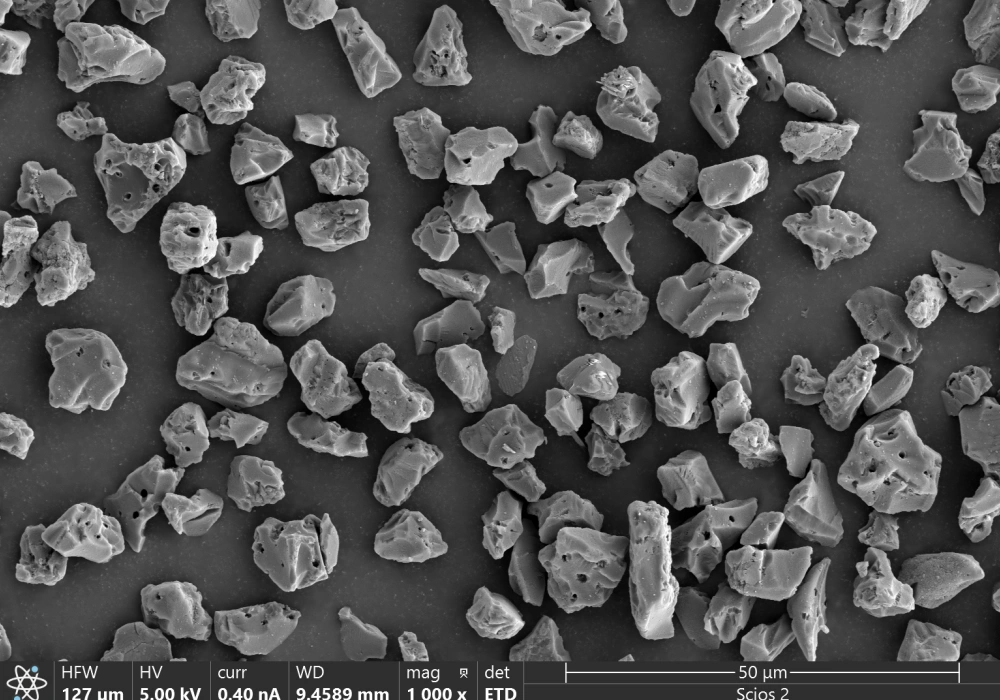
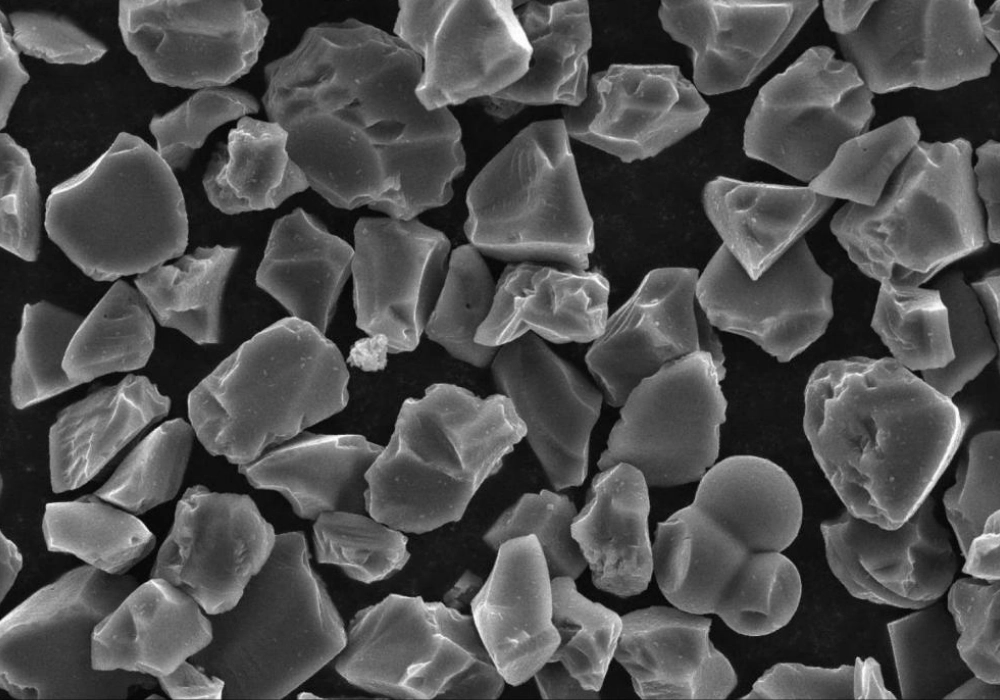
Resin-based porous carbon precursor delivering higher purity and more uniform pore architecture than biomass alternatives. Manufactured from synthetic resin materials through water vapor activation and special-process washing to achieve higher purity porous materials. The controlled activation-carbonization curves eliminate natural feedstock variability, making this the preferred choice for electrode manufacturers running continuous coating lines that cannot tolerate batch-to-batch drift.
Specification
| Technical Specifications | PAC-S85 | PAC-S95 | PAC-S100 | Unit |
|---|---|---|---|---|
| Total Pore Volume | 0.85±0.03 | 0.95±0.03 | 1.0±0.03 | cm³/g |
| Specific Surface Area | 1850±100 | 1950±100 | 2050±100 | m²/g |
| Average Pore Size | ≤1.9 | ≤1.9 | ≤1.9 | nm |
| Micropore Volume Ratio | 88±2 | 87±2 | 86±2 | % |
| Moisture Content | <2 | <2 | <2 | % |
| Ash Content | <0.3 | <0.3 | <0.3 | % |
| Particle Size D10 | 4±1 | 4±1 | 4±1 | μm |
| Particle Size D50 | 8±1 | 8±1 | 8±1 | μm |
| Particle Size D90 | 14±1 | 14±1 | 14±1 | μm |
| pH Value | 6~8 | 6~8 | 6~8 | — |
| Magnetic Substance | <2 | <2 | <2 | ppm |
Key application areas
- Premium lithium-ion silicon-carbon anodes
- High-purity heterogeneous catalyst carriers
- Advanced battery research and pilot lines
- New energy sources of silicon-carbon anode precursors and electrochemical fields
Synthetic Precision
- Micropore volume ratio 86±2%—tighter distribution than coconut-shell grades—ensures predictable silicon loading per batch.
- Total pore volume 0.85–1.0 cm³/g and BET 1850–2050 m²/g provide maximum buffer space for silicon expansion.
- Resin precursor eliminates natural biomass variability, delivering gigafactory-ready consistency for high-volume electrode manufacturing.
- Higher purity base material reduces acid-washing intensity, preserving more native pore structure.