







Our Products
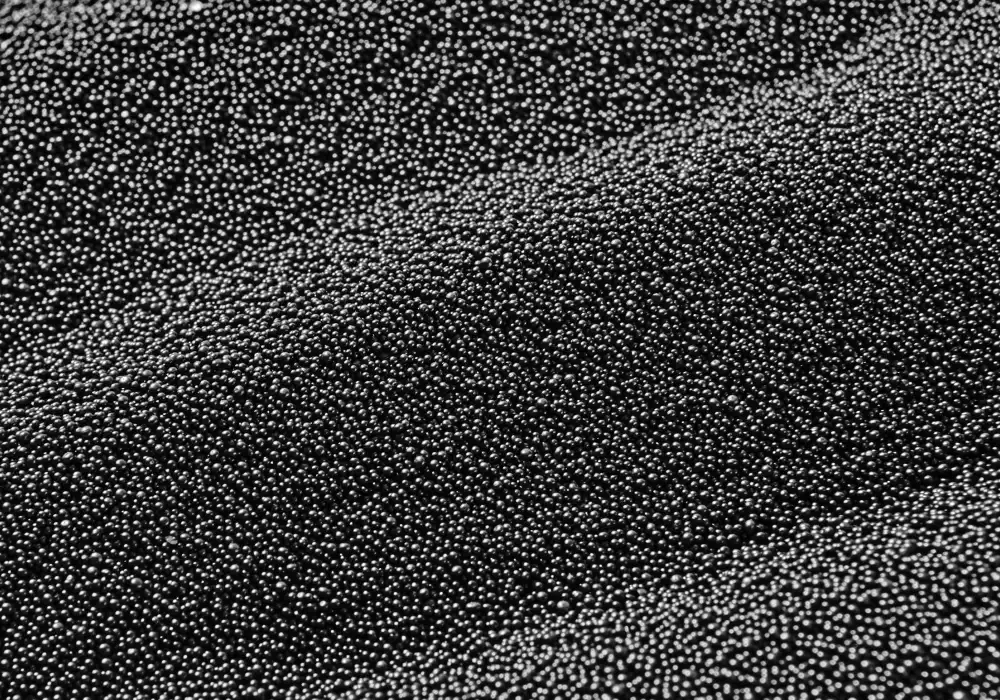
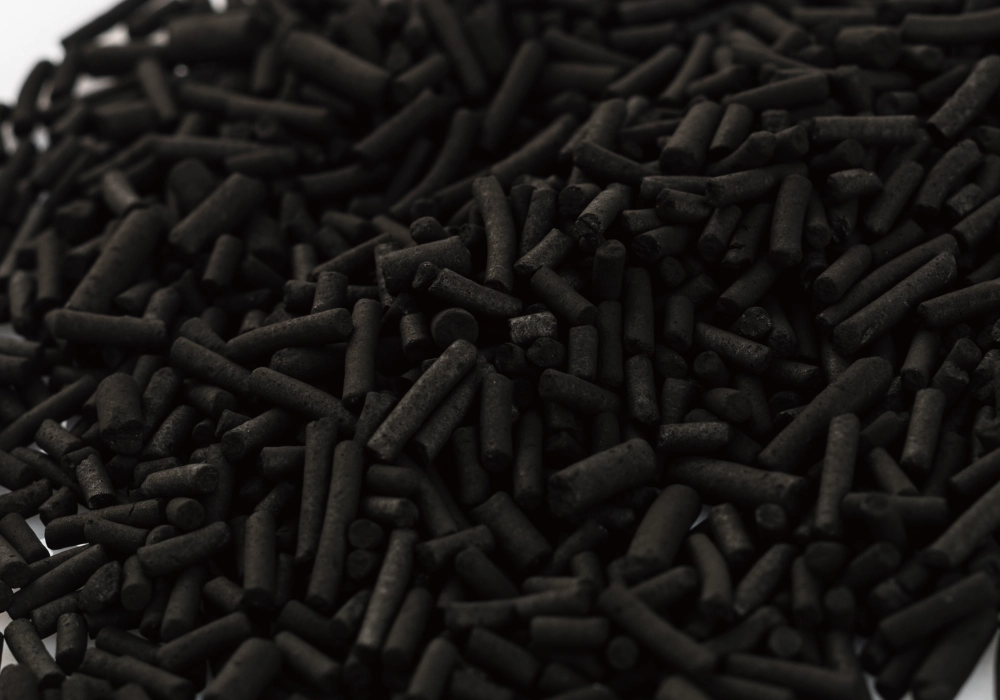
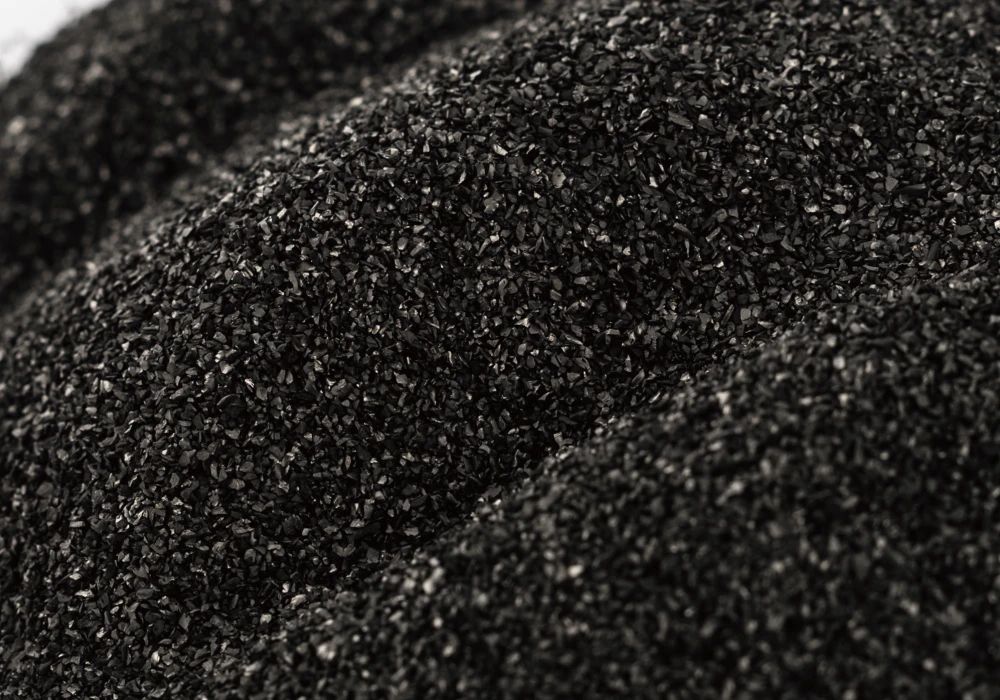
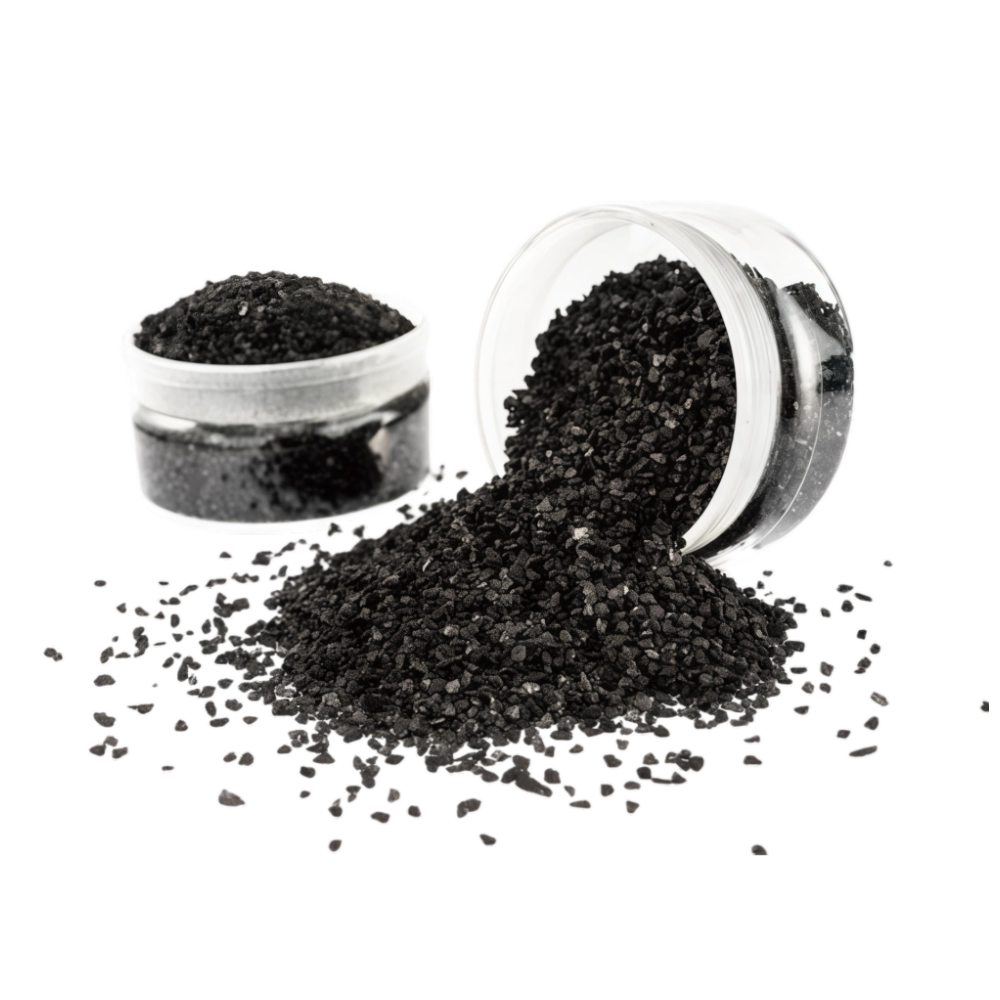
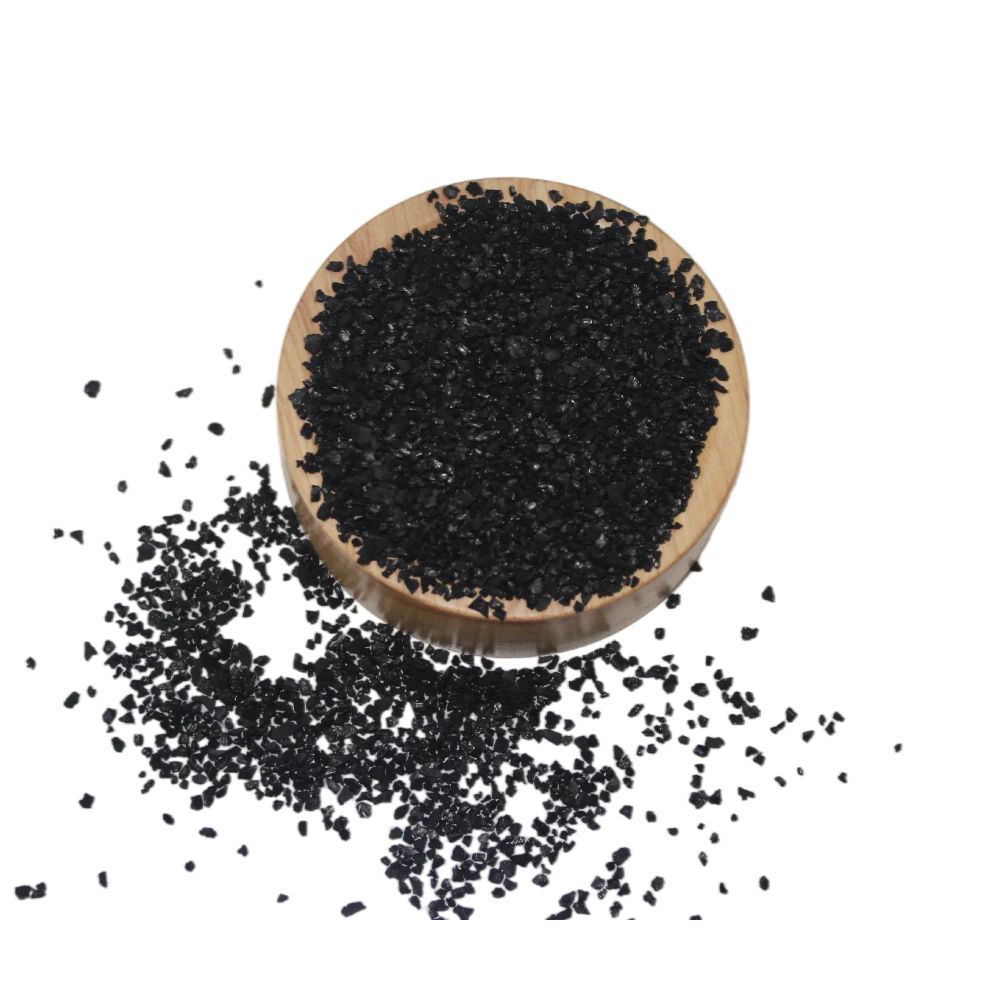
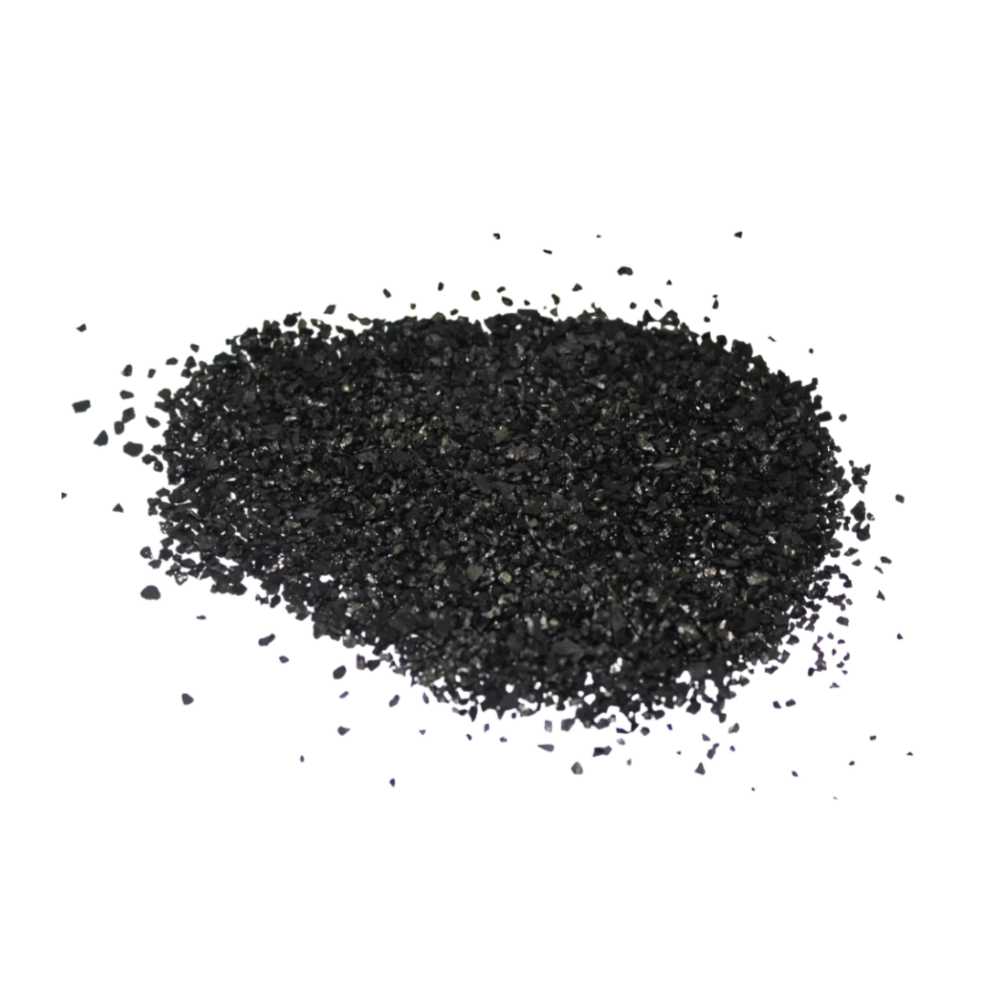
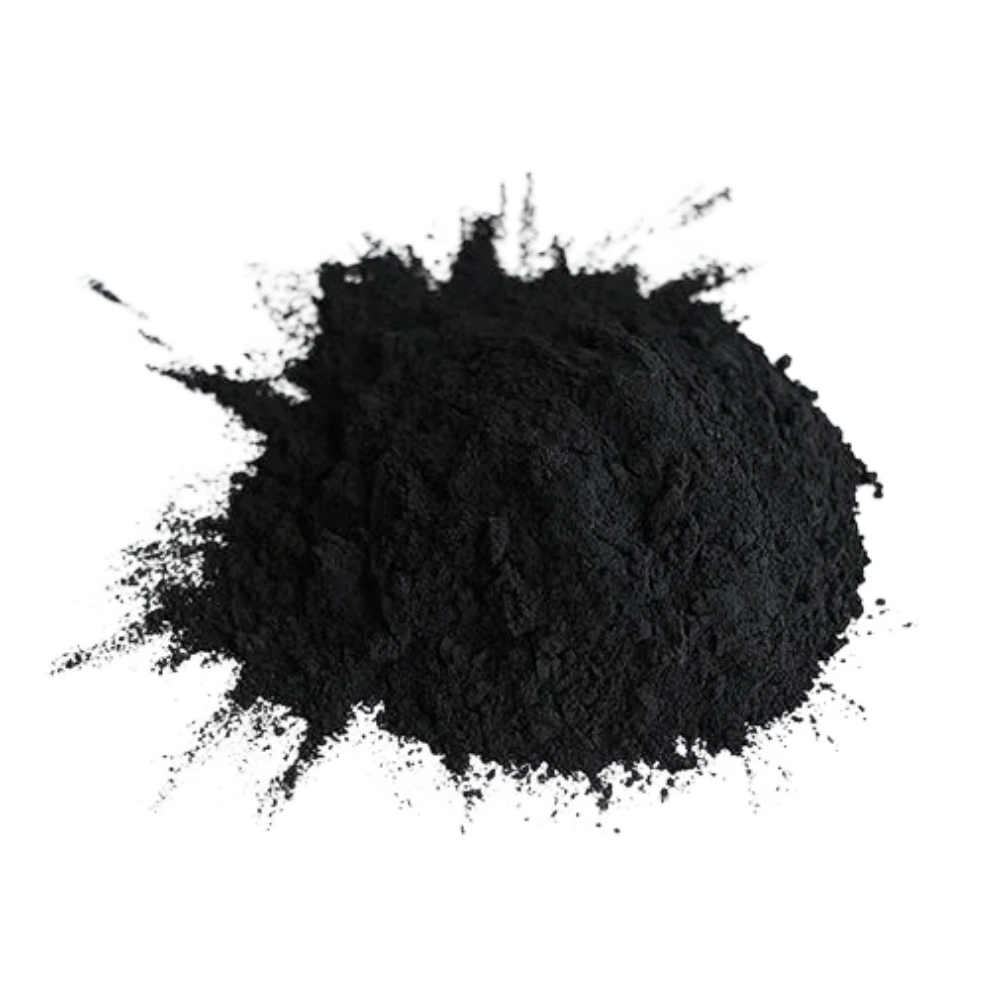
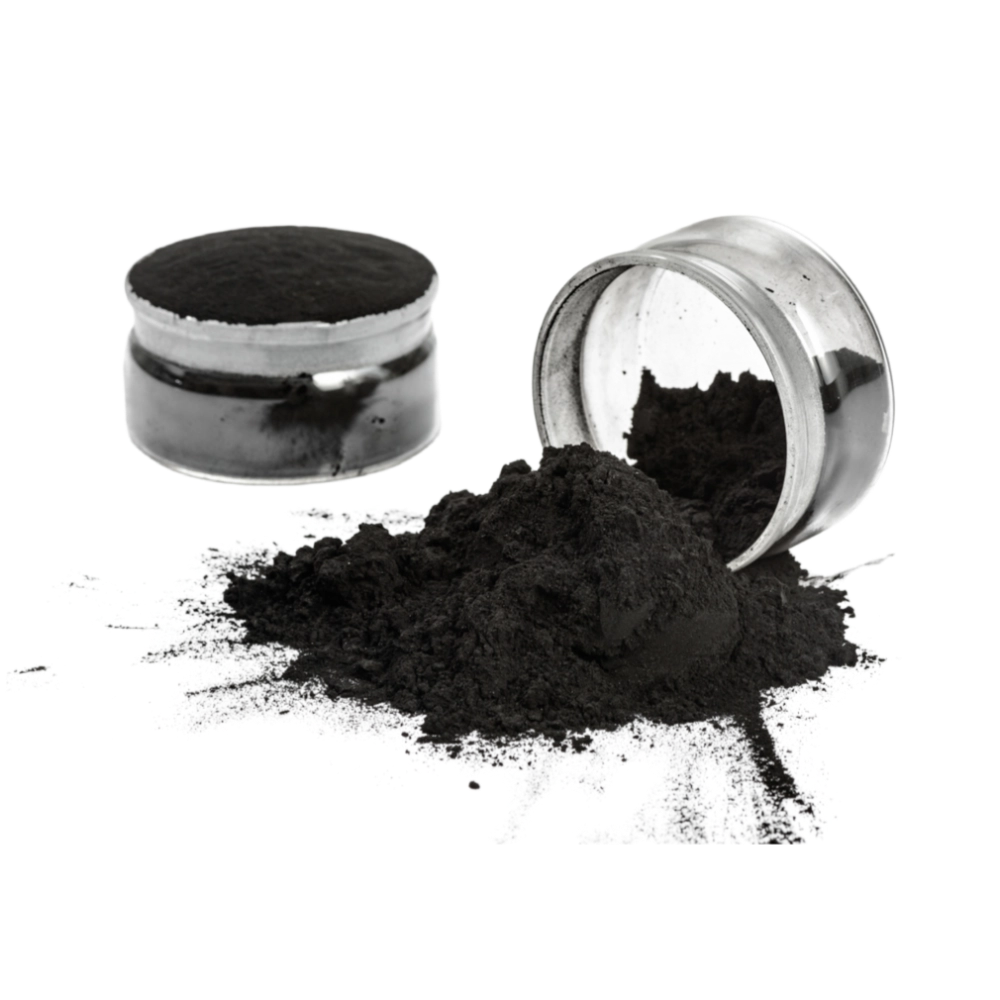
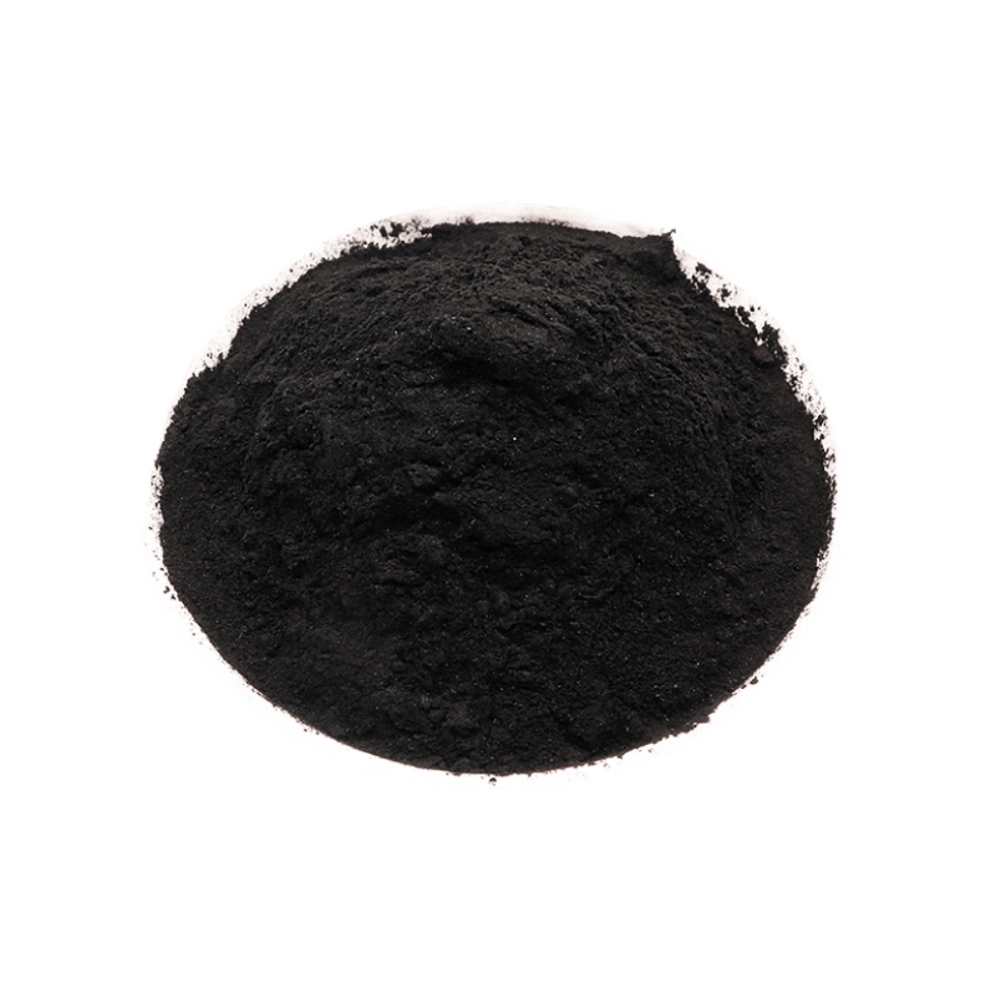
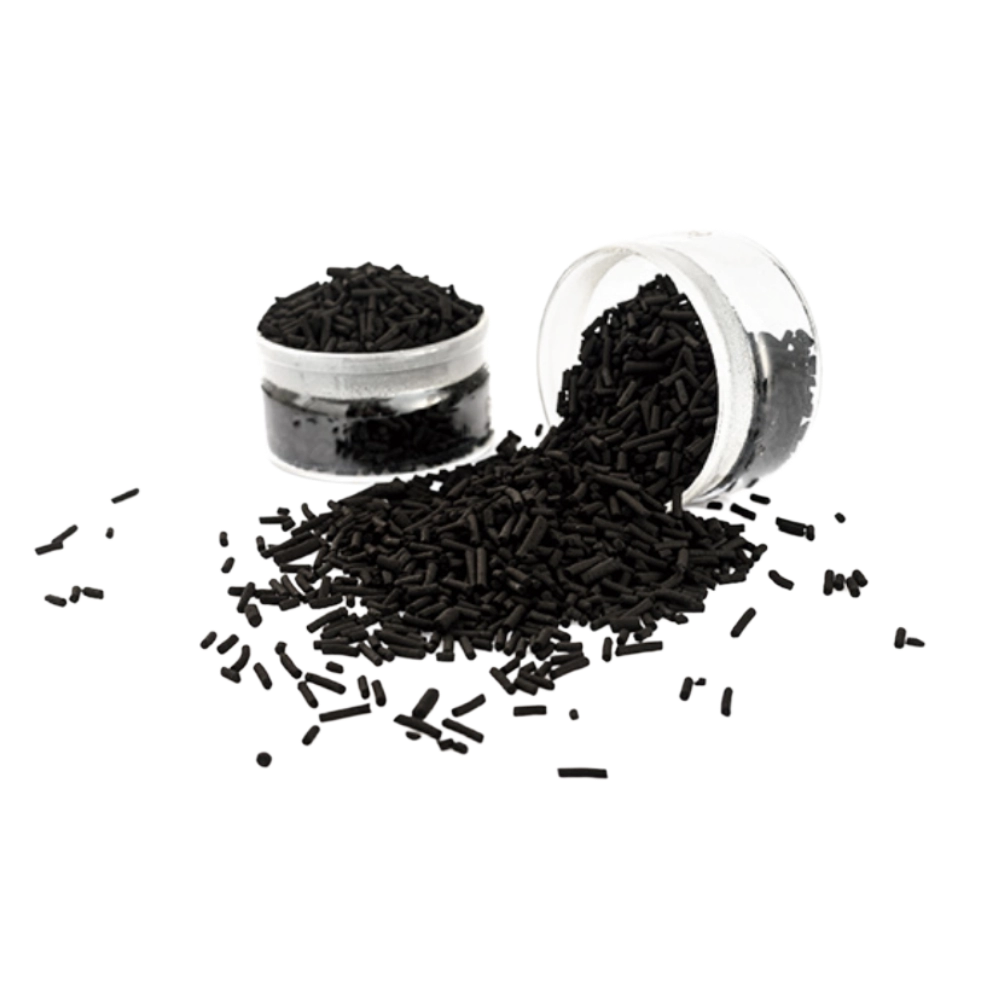
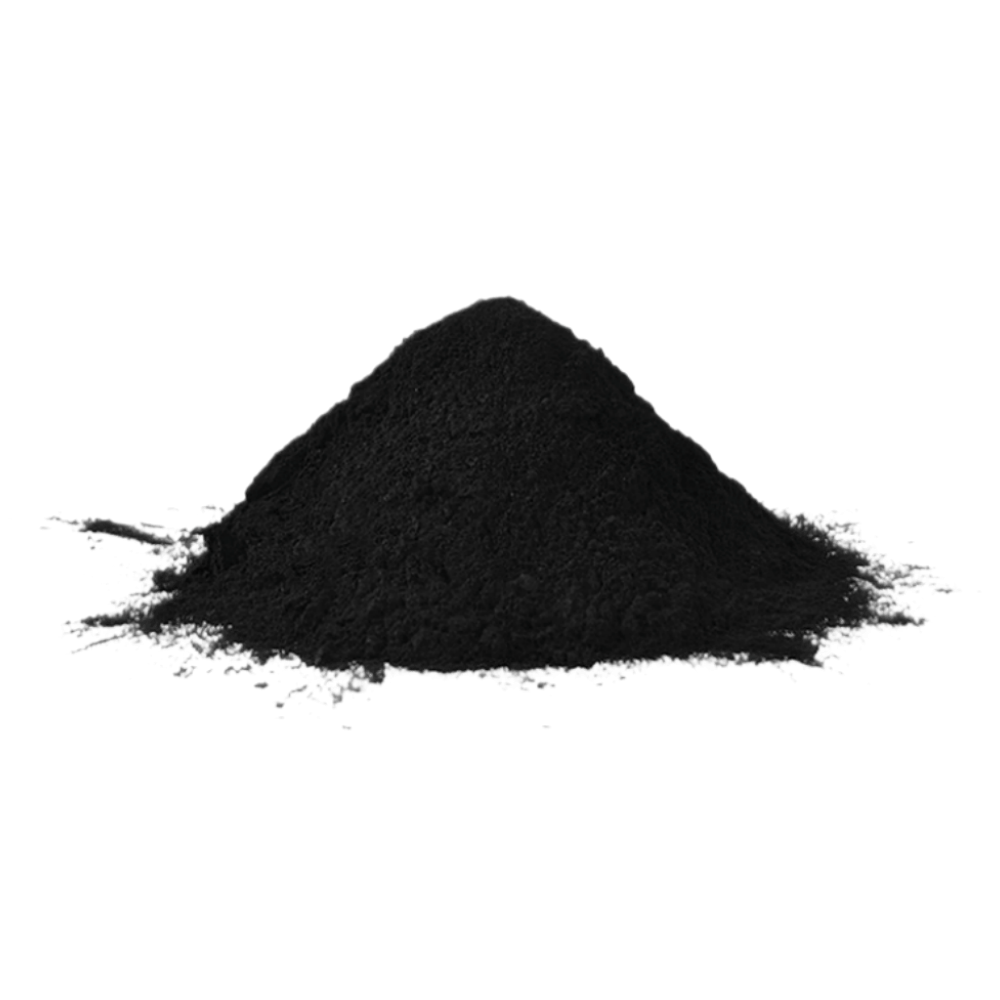
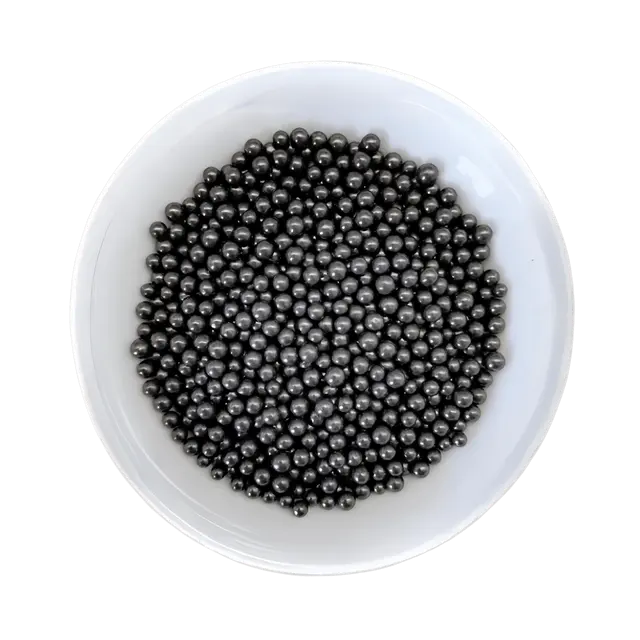
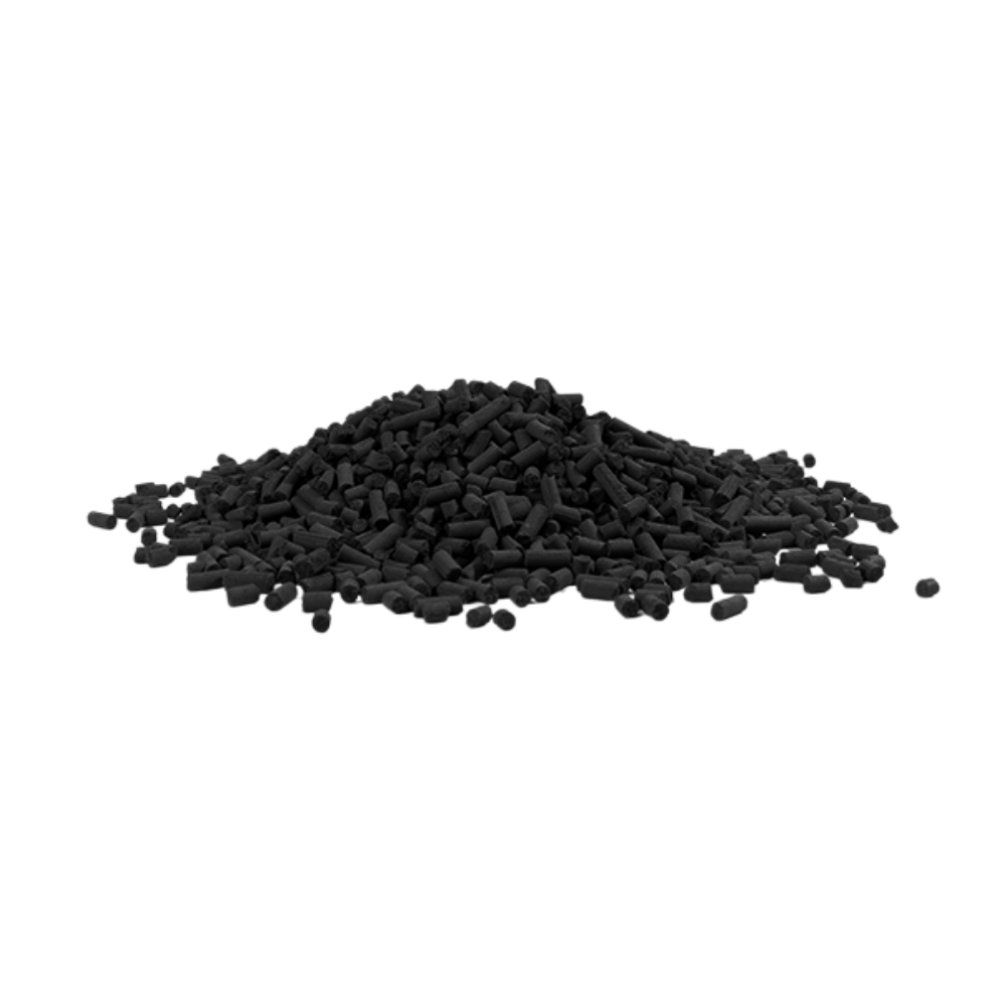
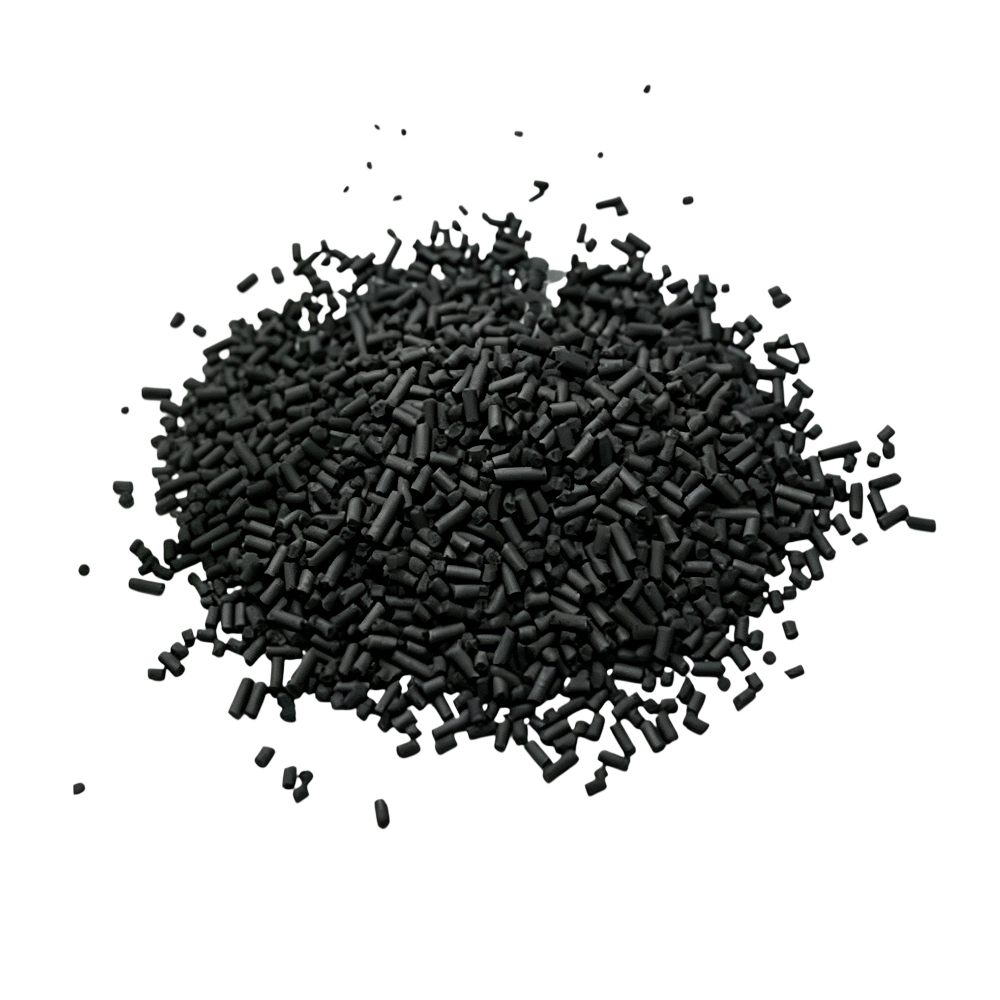
Purestar manufactures activated carbon across the full adsorption spectrum—granular, powdered, extruded pellet, spherical, and impregnated grades—sourced from coconut shell, bituminous coal, hardwood, and proprietary resin precursors. Every product line is developed in-house at our Jiangsu and Shaanxi production centers, with raw material traceability from carbonization through steam activation or chemical activation to finished batch release.
What is Activated Carbon?
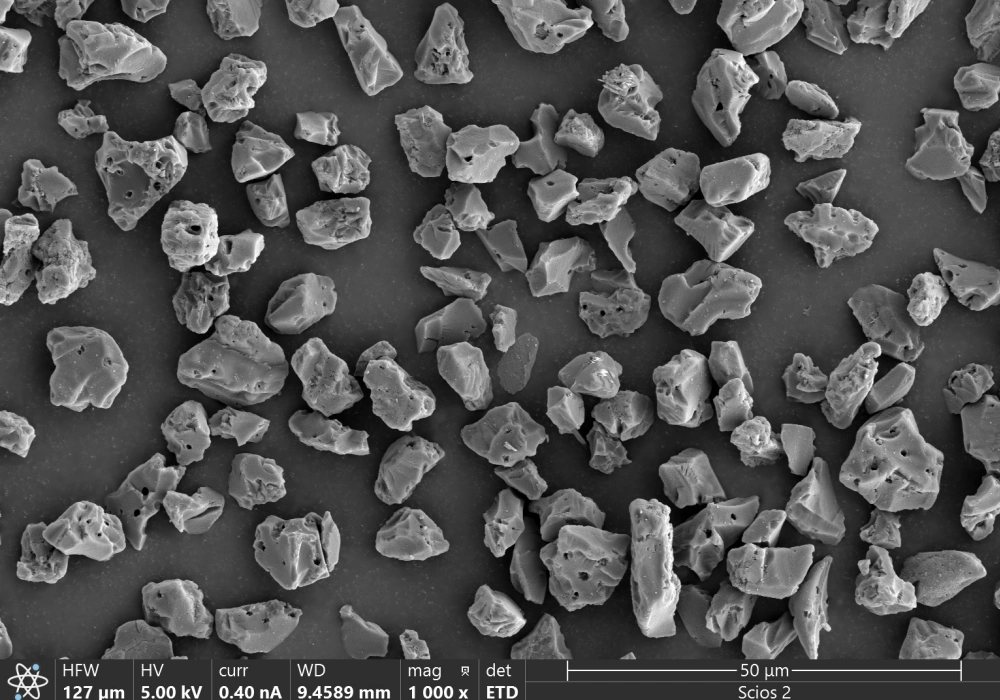
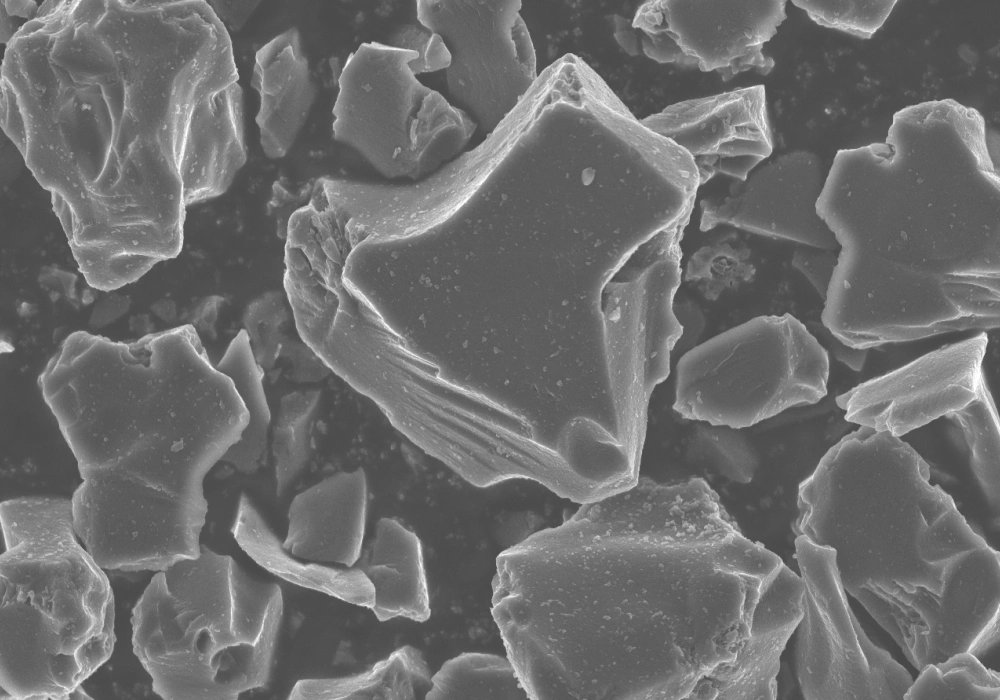
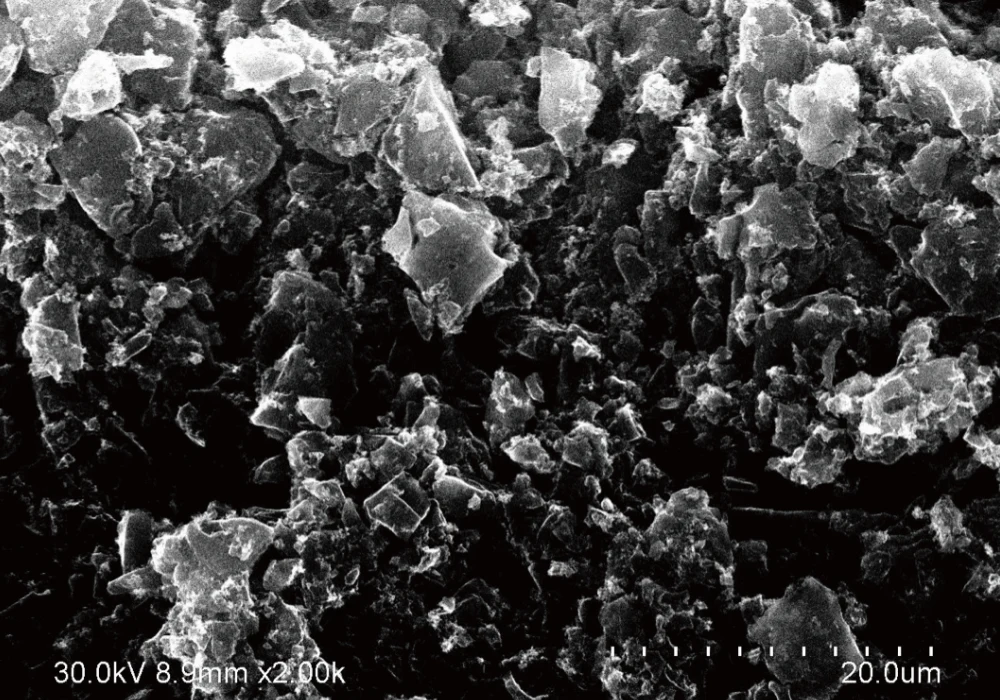
Activated carbon is a highly porous adsorbent material engineered to capture organic compounds, inorganic contaminants, and toxic vapors from liquid and gas streams. During adsorption, target molecules—called adsorbates—diffuse into the pore network of the adsorbent and bind to internal surfaces through physical van der Waals forces or chemisorption, depending on surface functionalization.
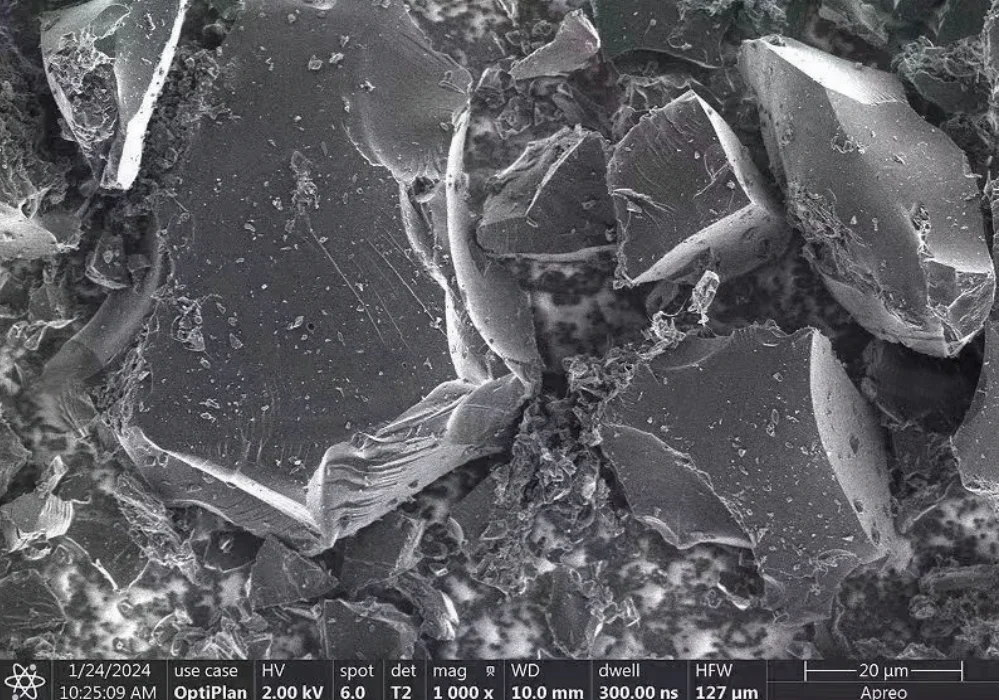
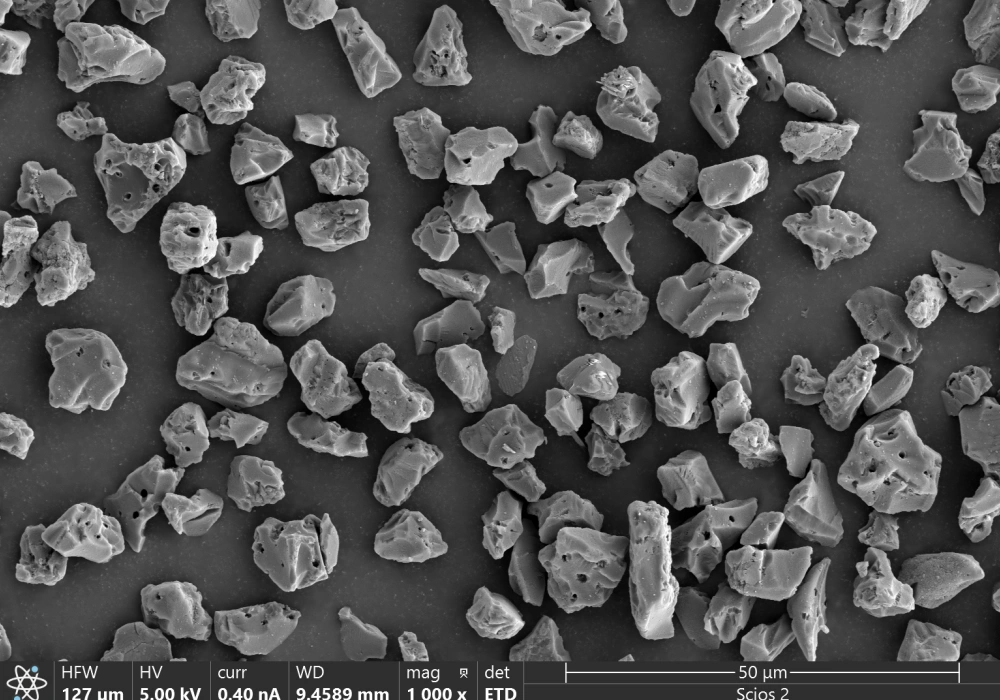
Purestar controls the entire activation value chain: raw material selection, controlled carbonization, high-temperature steam activation, acid washing, impregnation, and precision sizing. By adjusting activation temperature, steam partial pressure, and residence time, we develop micropore, mesopore, and macropore distributions matched to specific contaminant molecular dimensions—whether removing chlorine and disinfection byproducts from municipal water, capturing mercury vapor from flue gas, or recovering gold cyanide complexes in mining leach circuits.
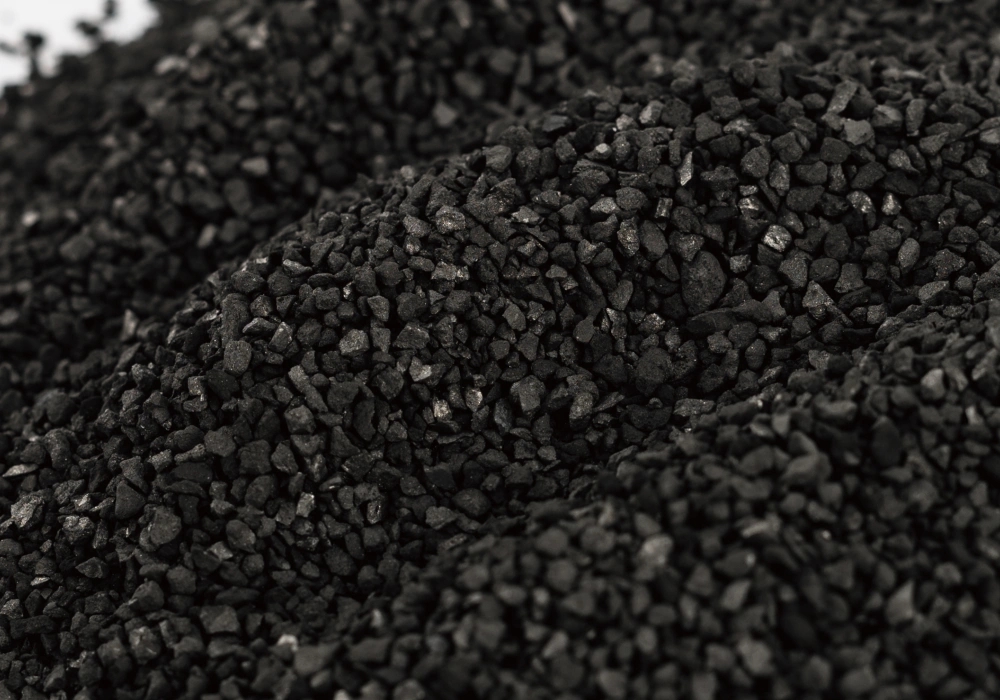
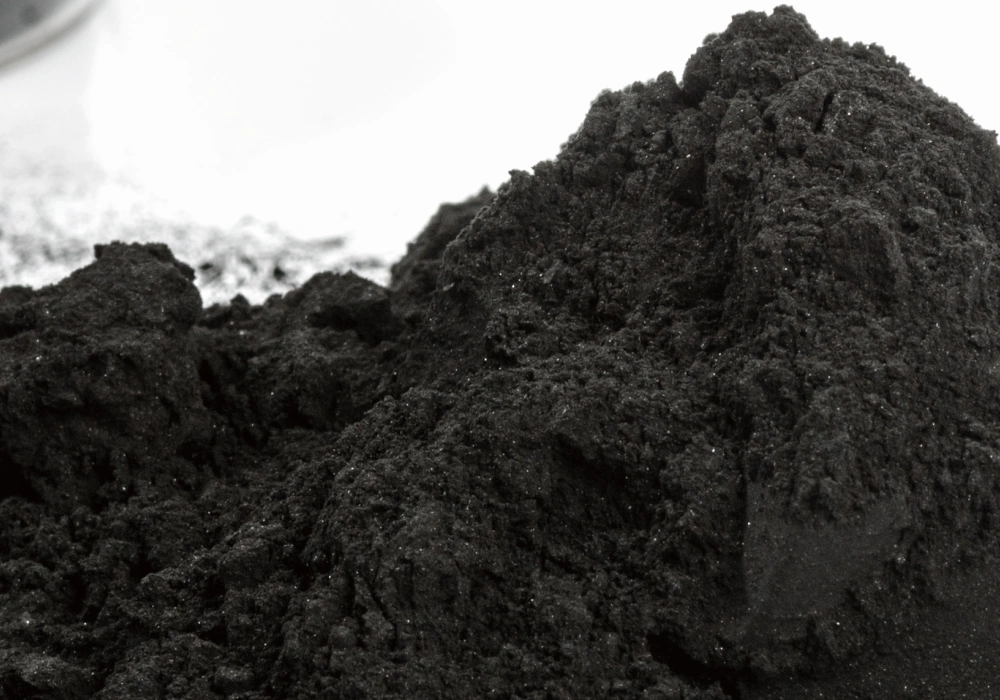
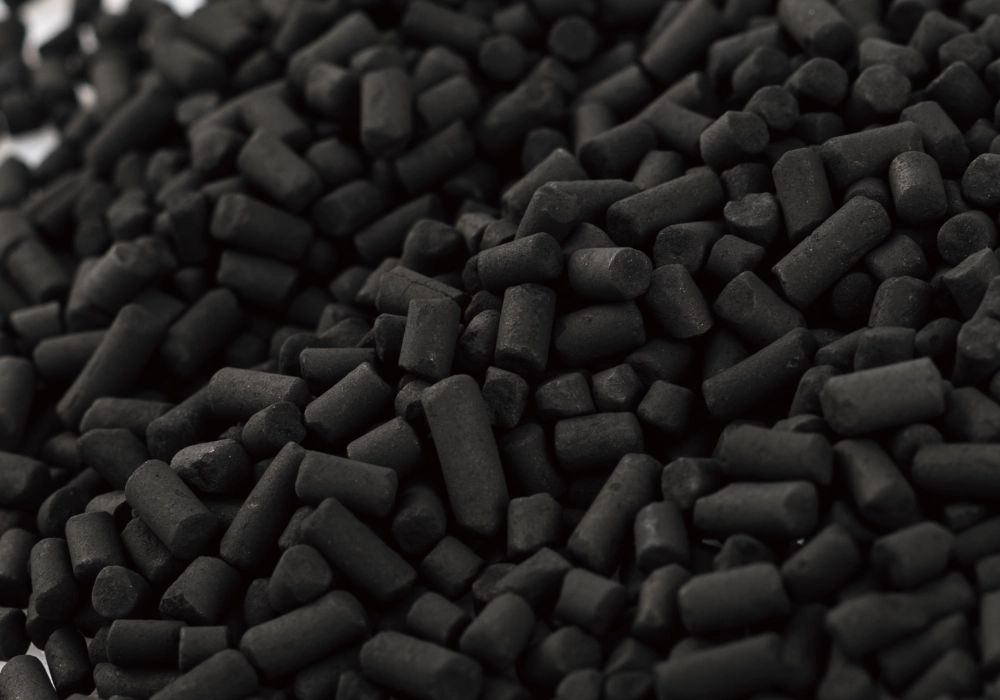
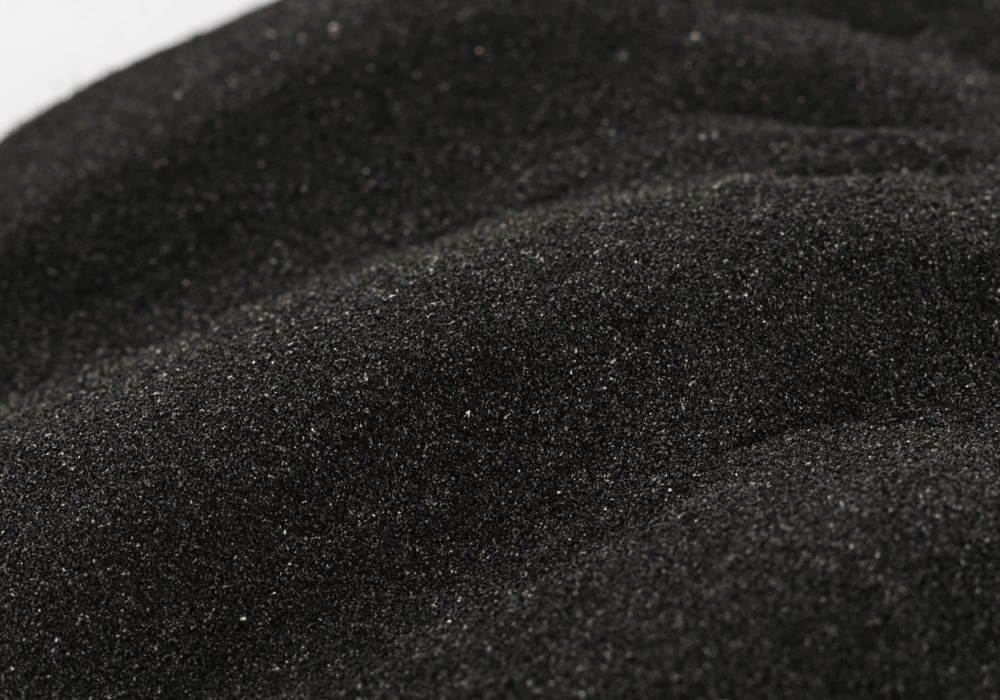
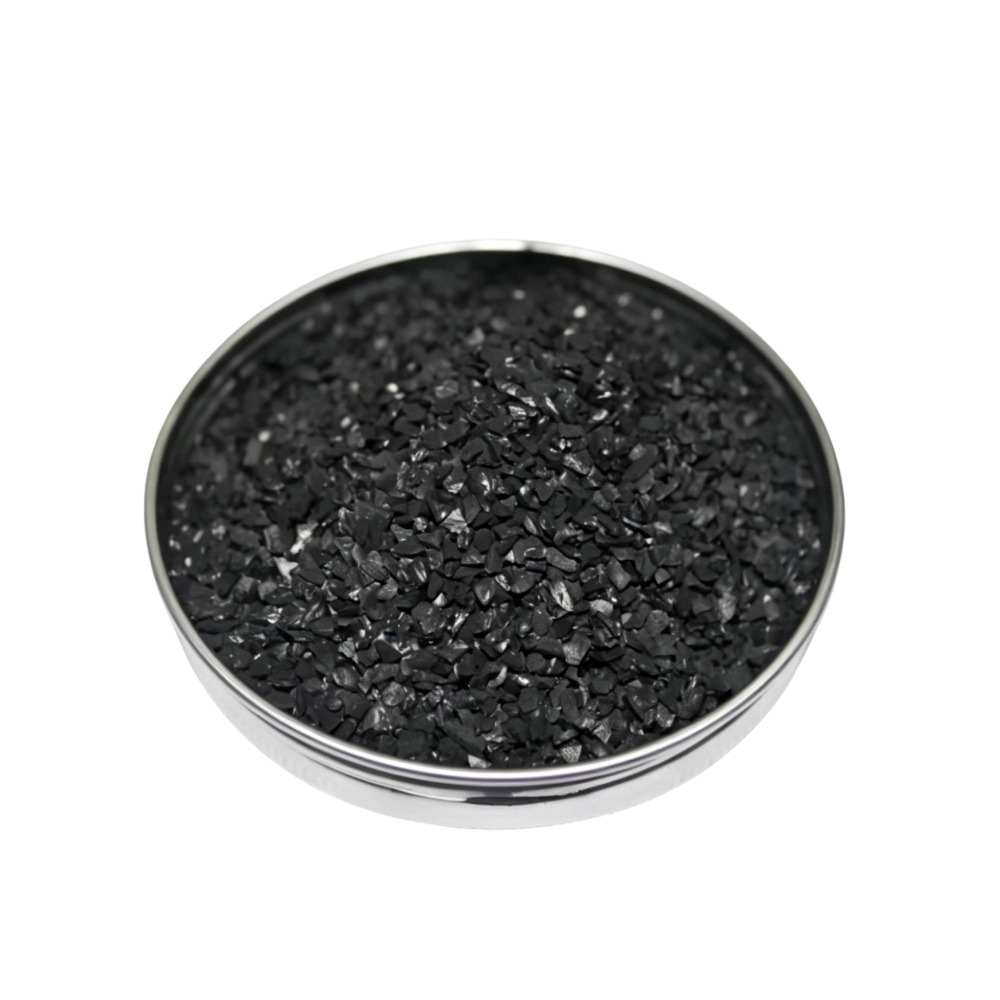
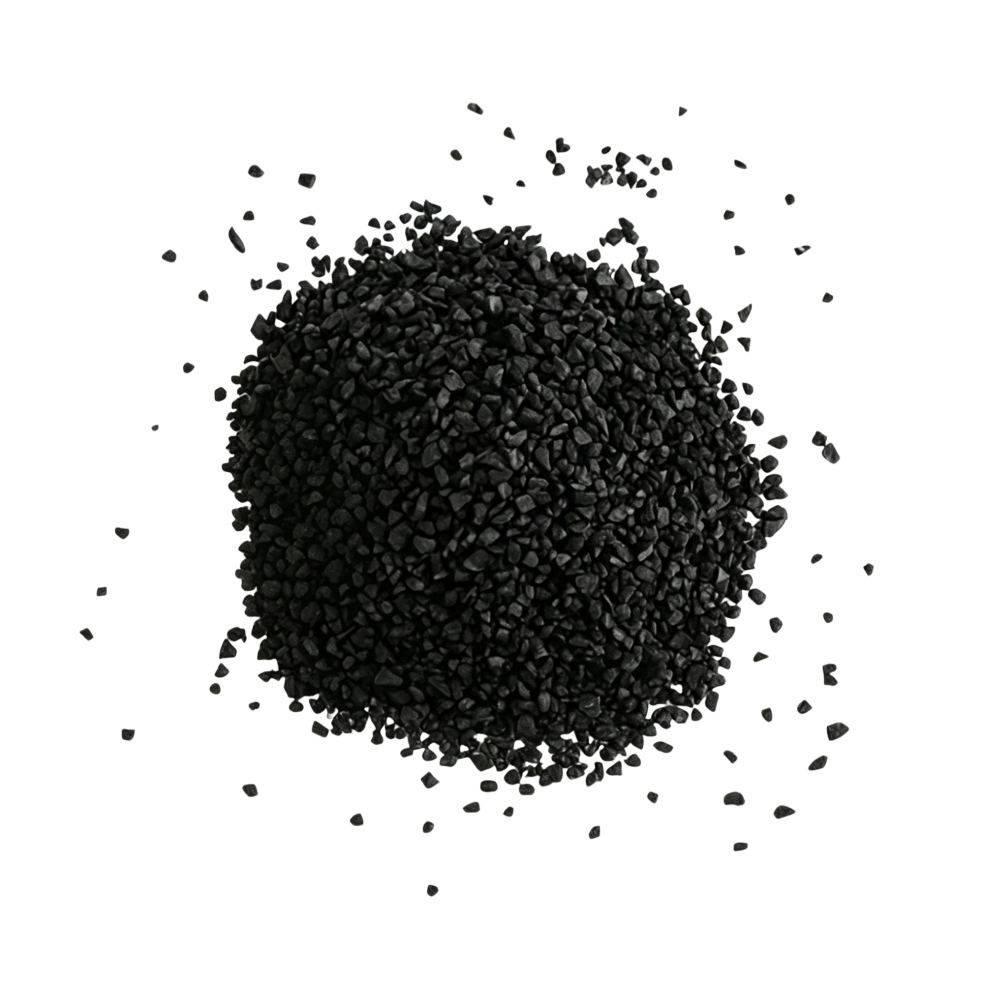
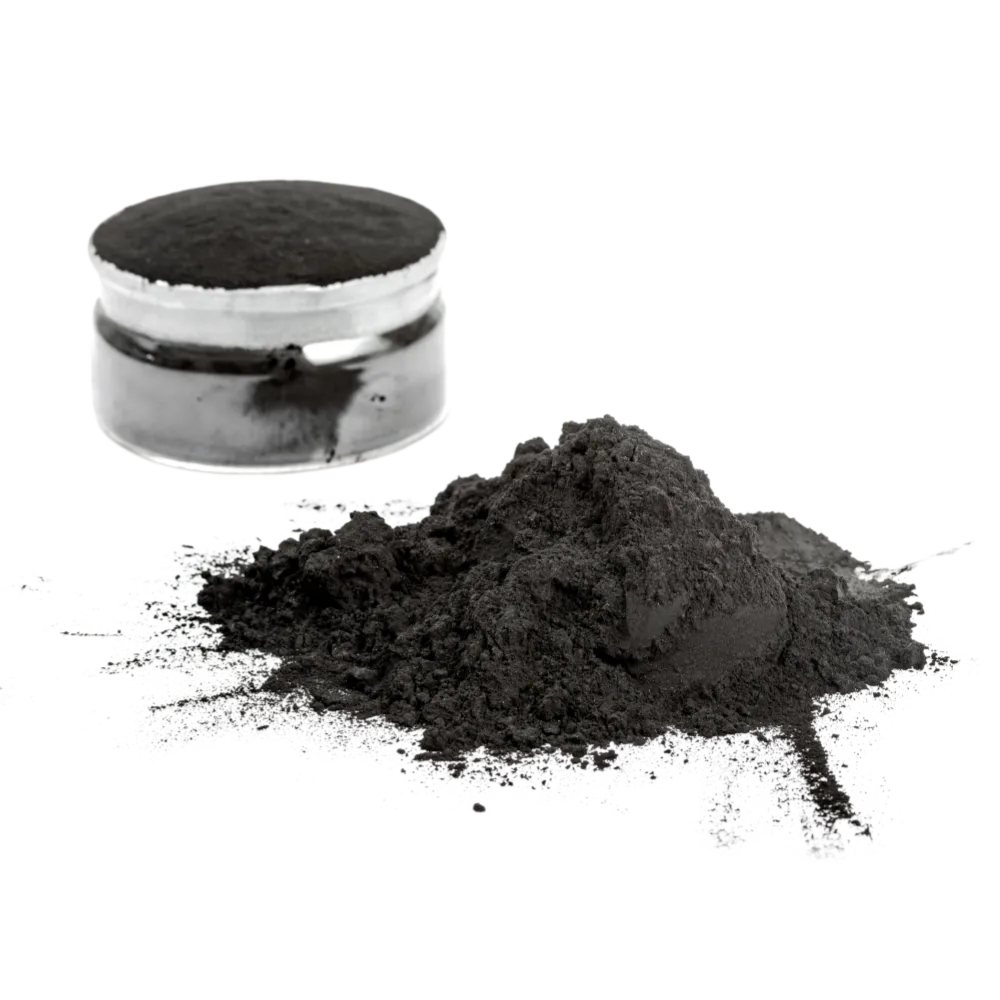
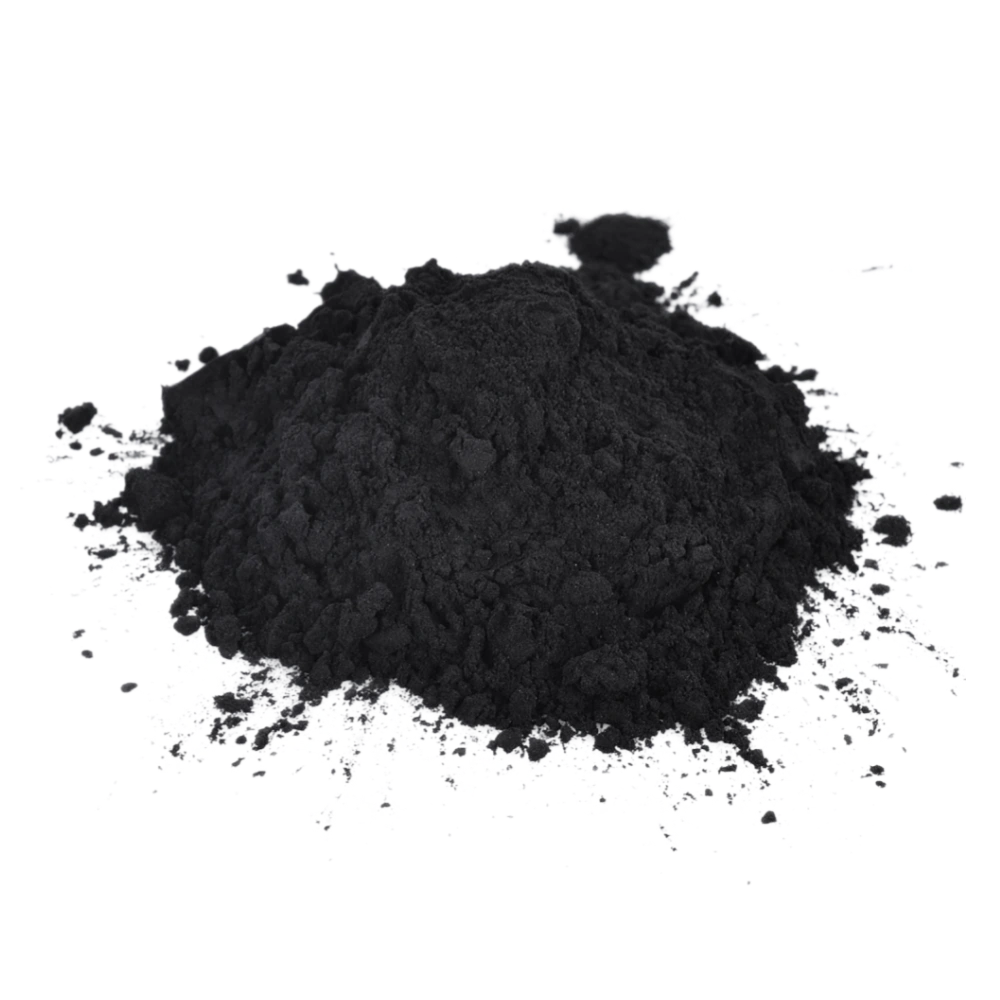
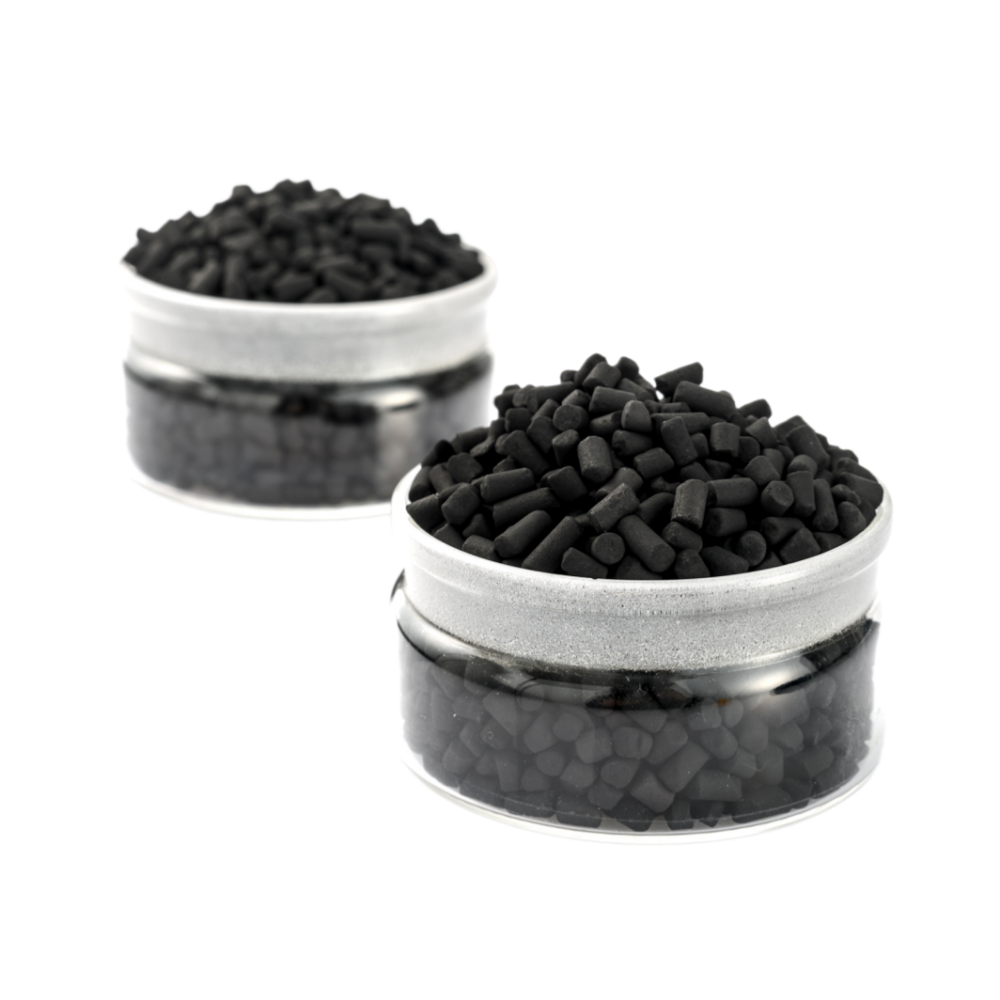
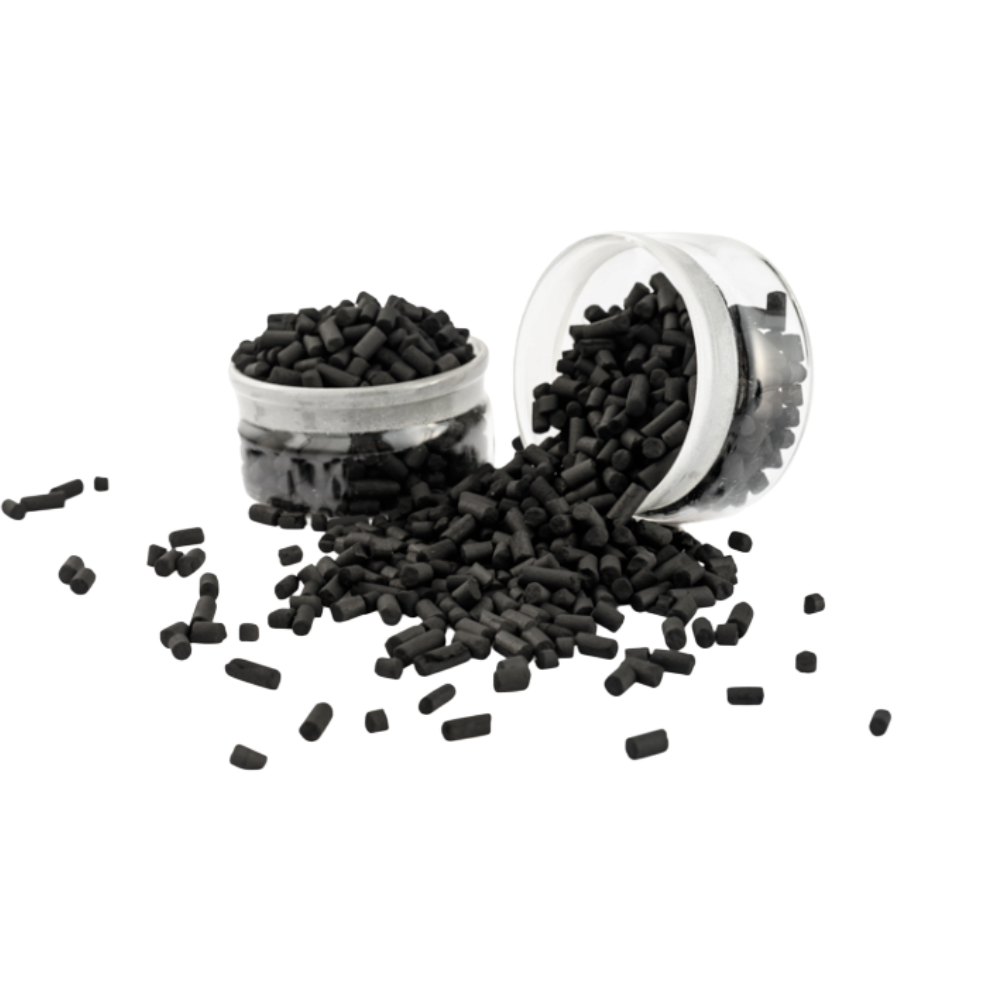
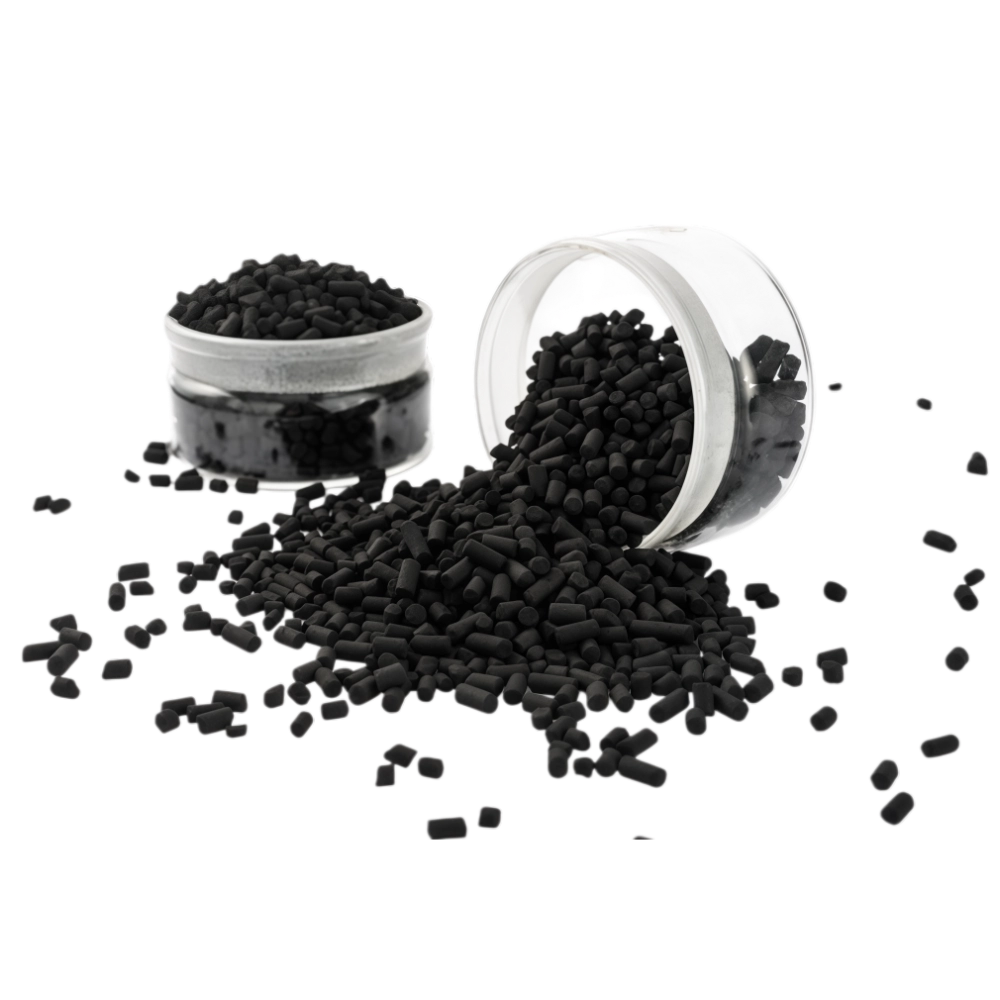
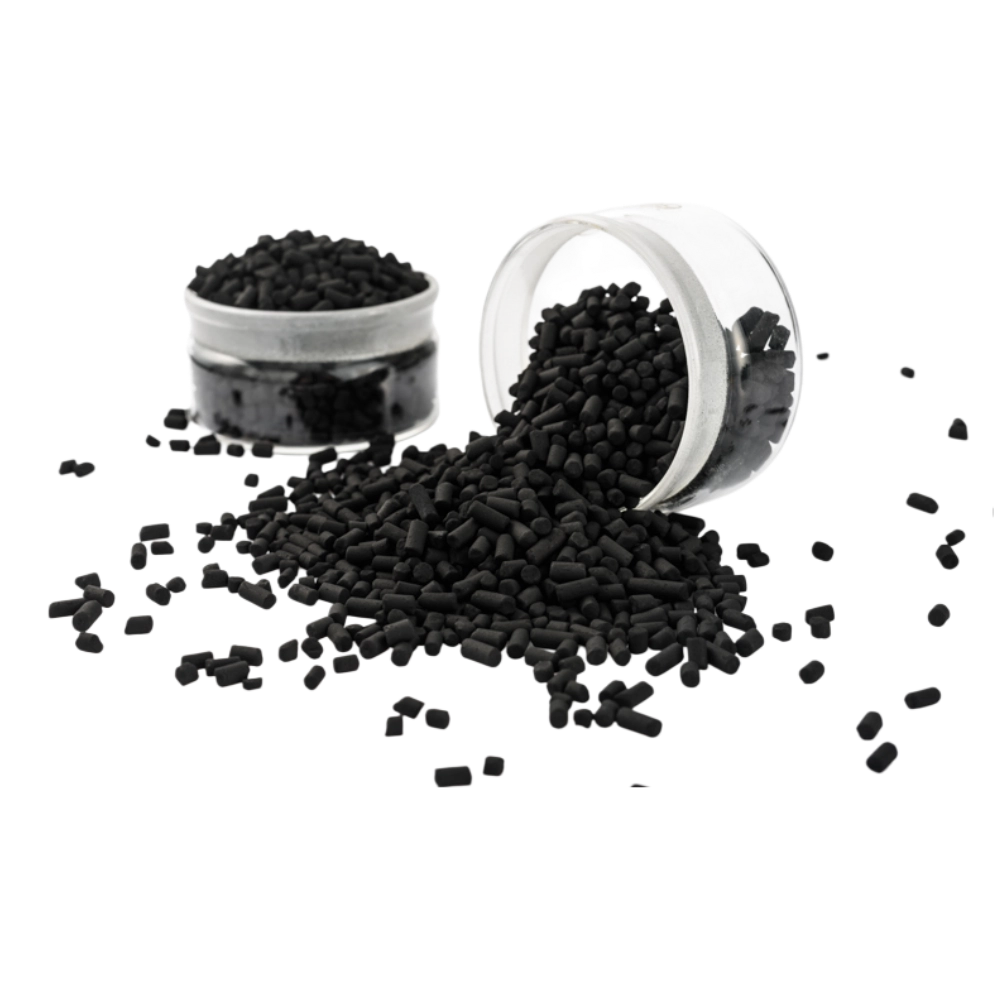
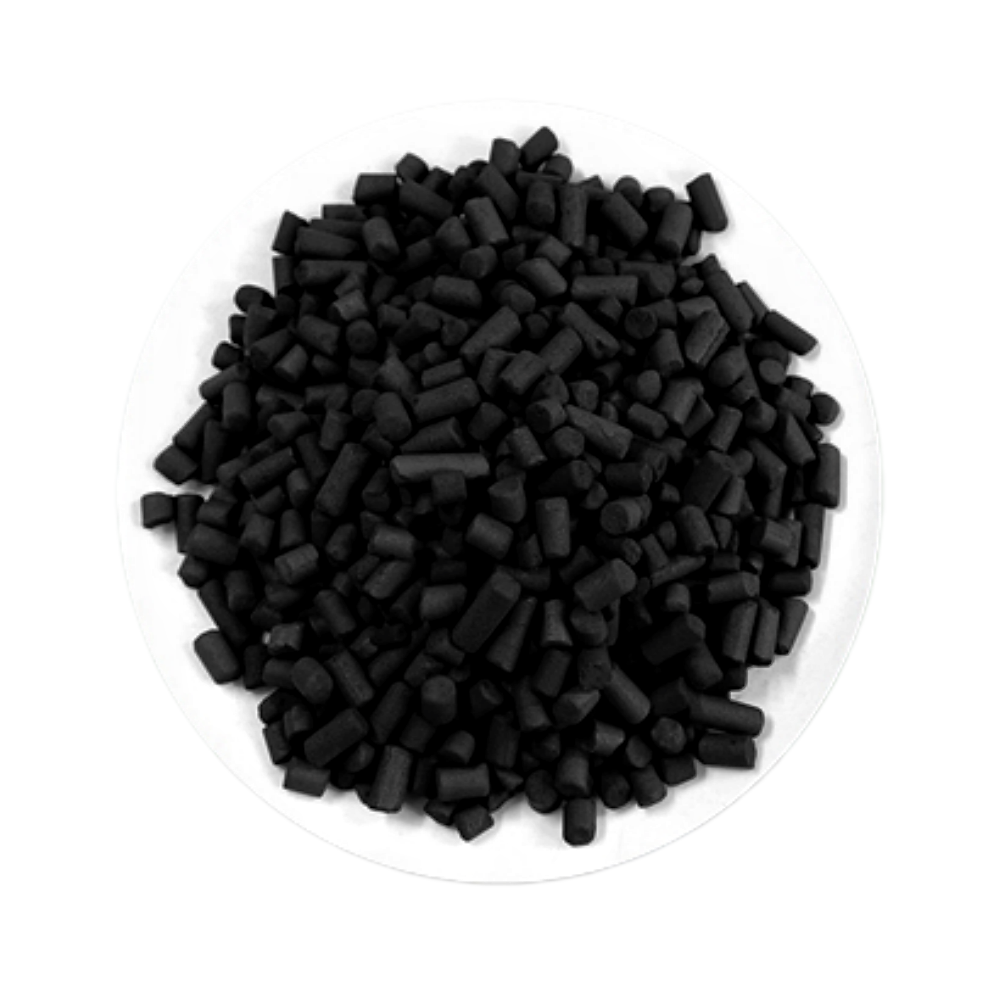
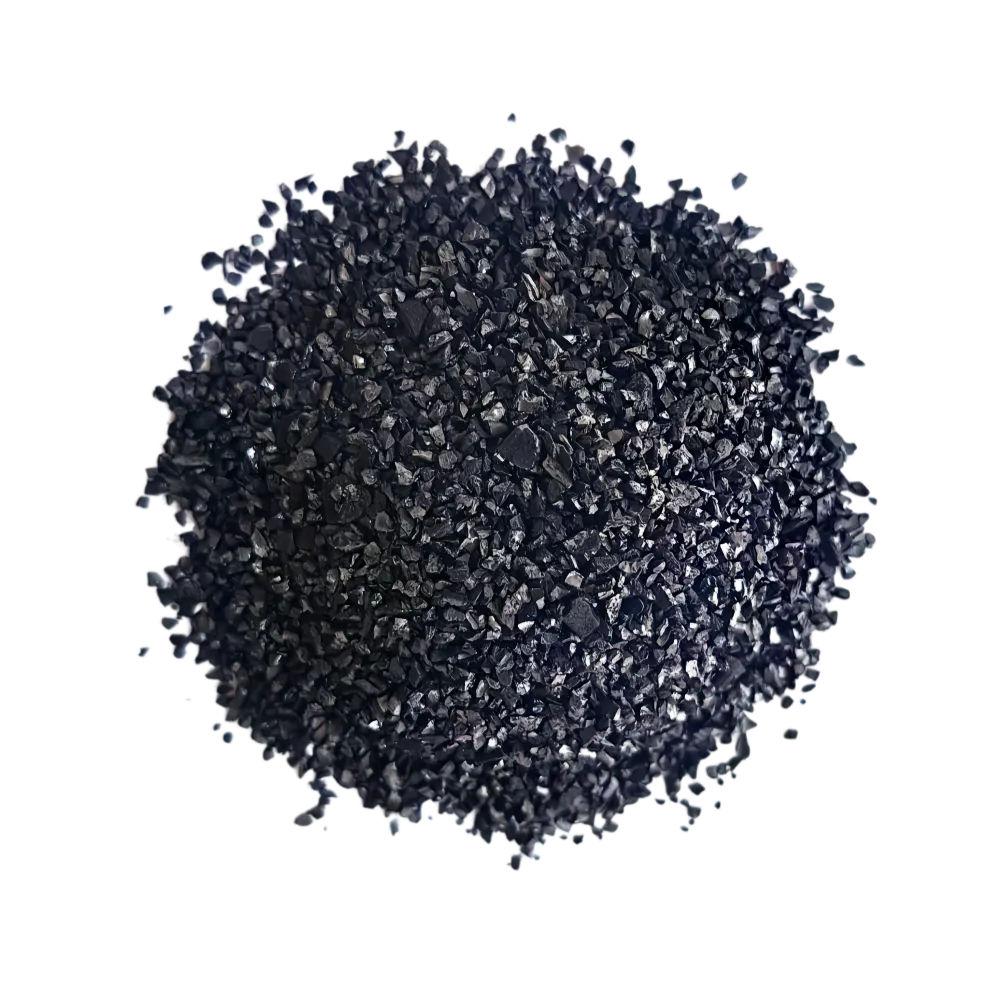
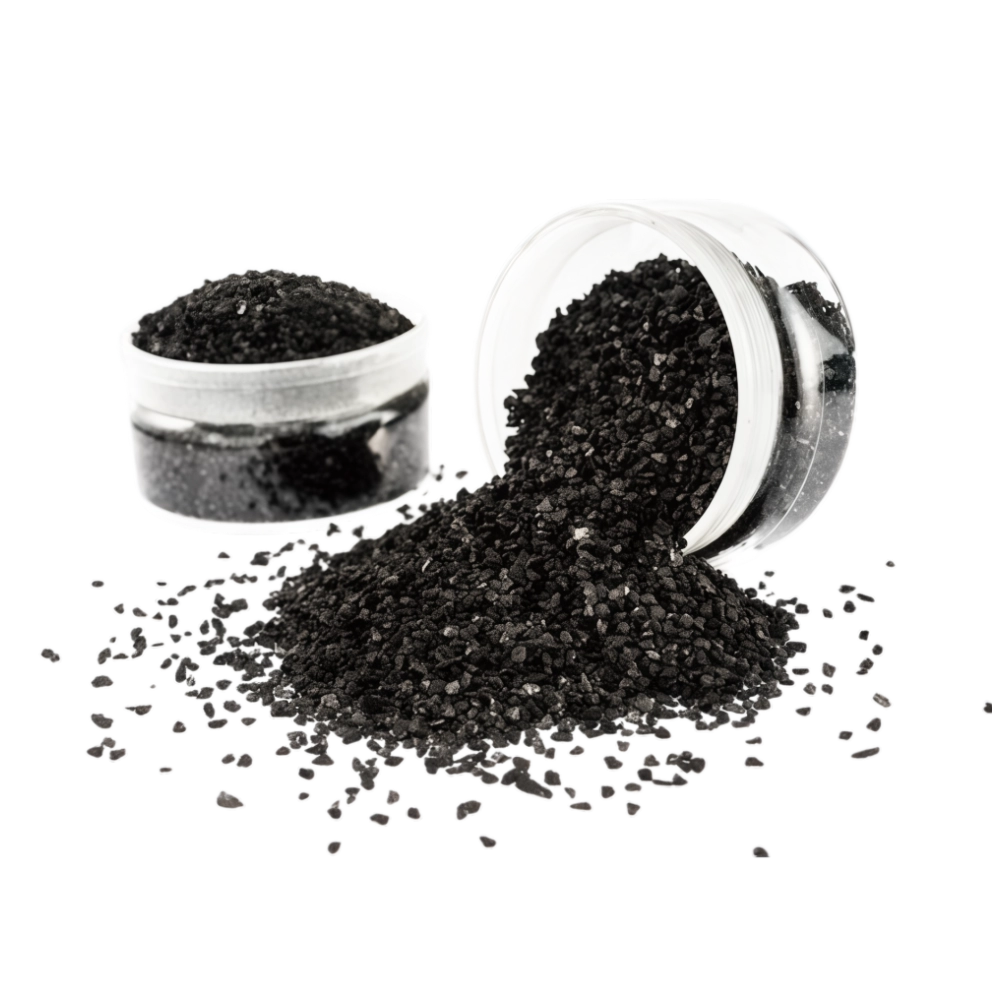
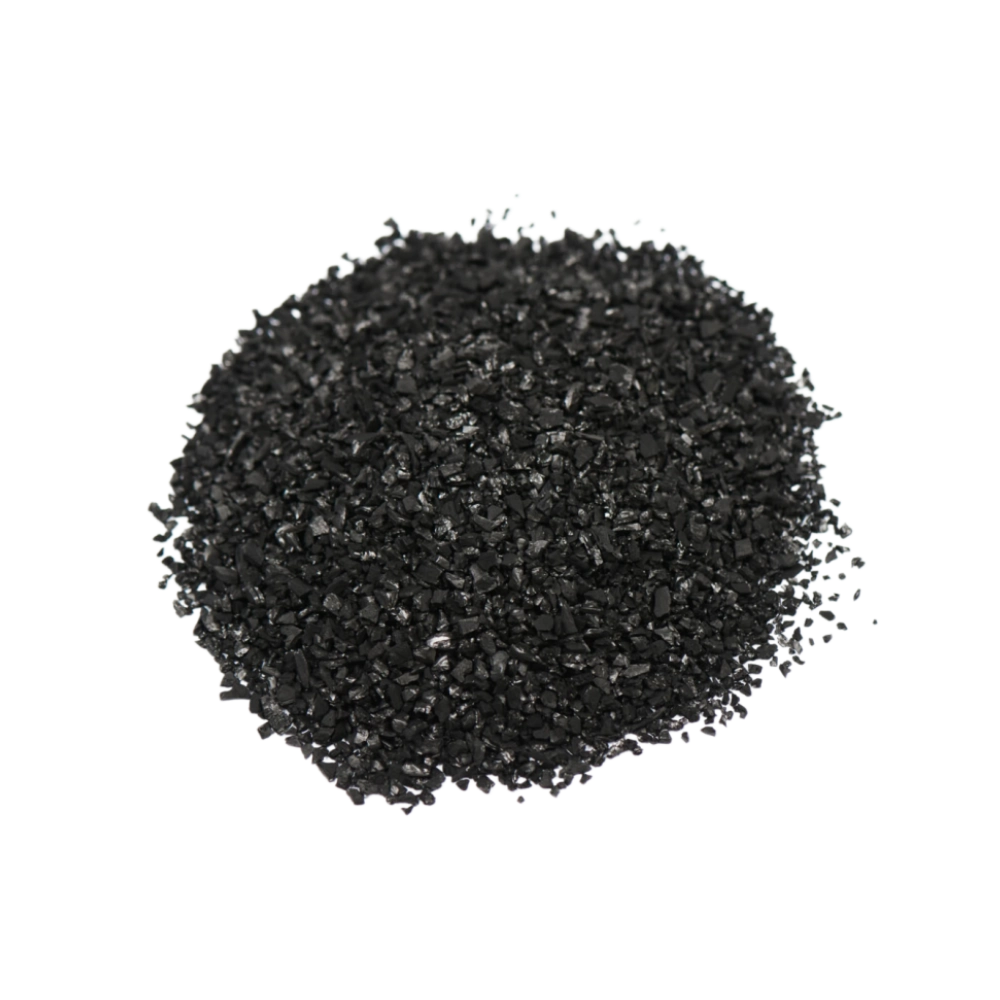
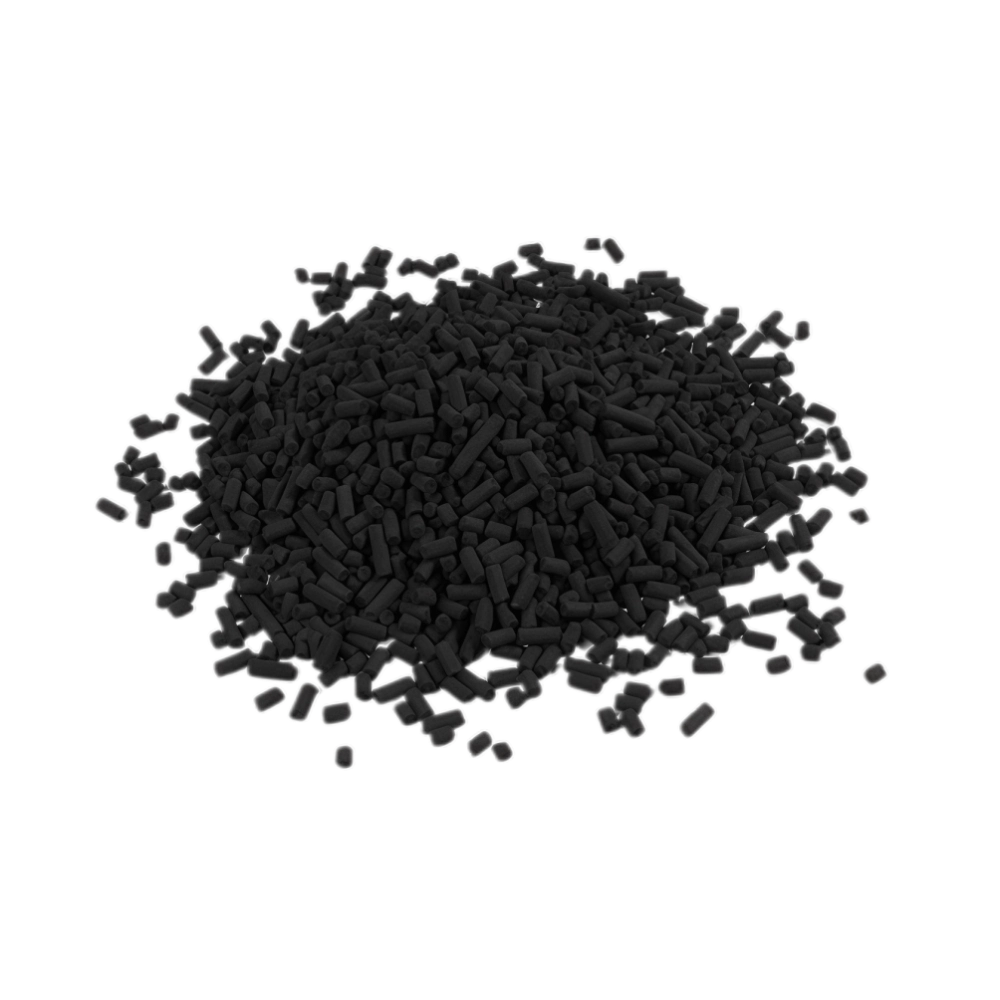
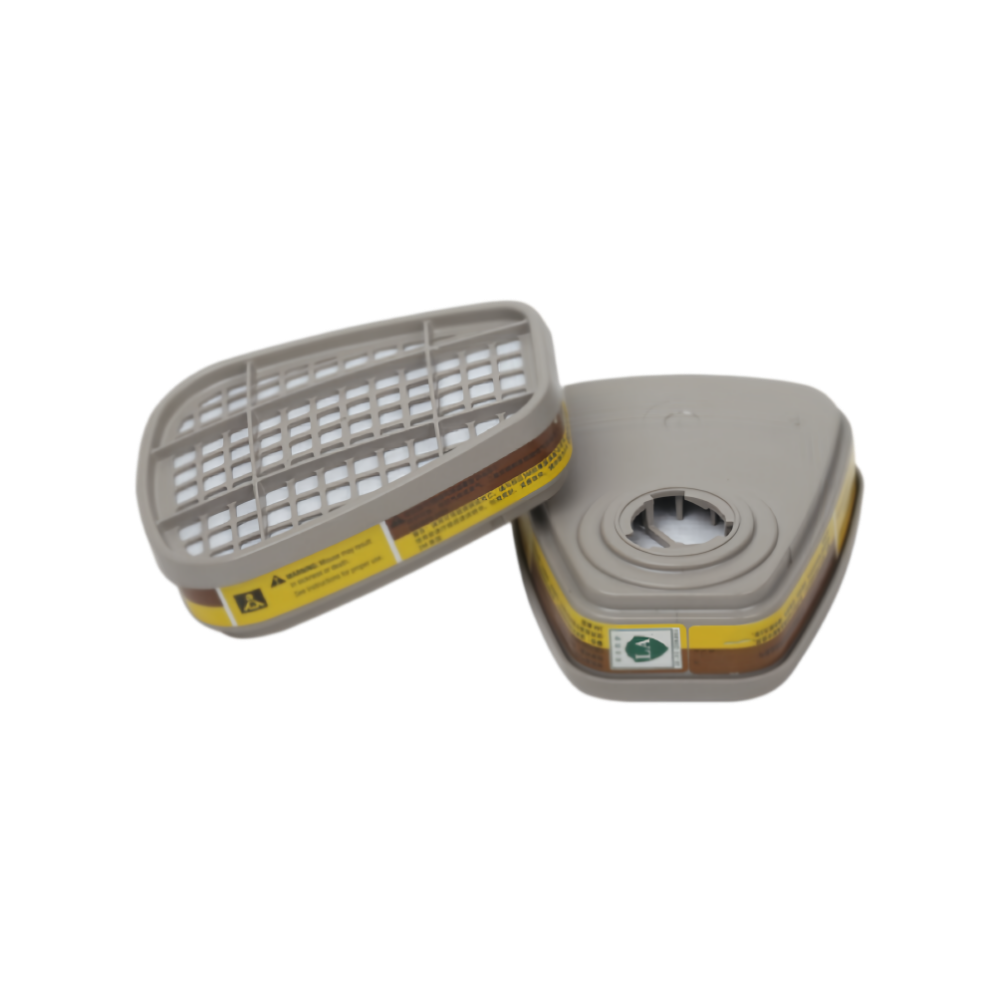
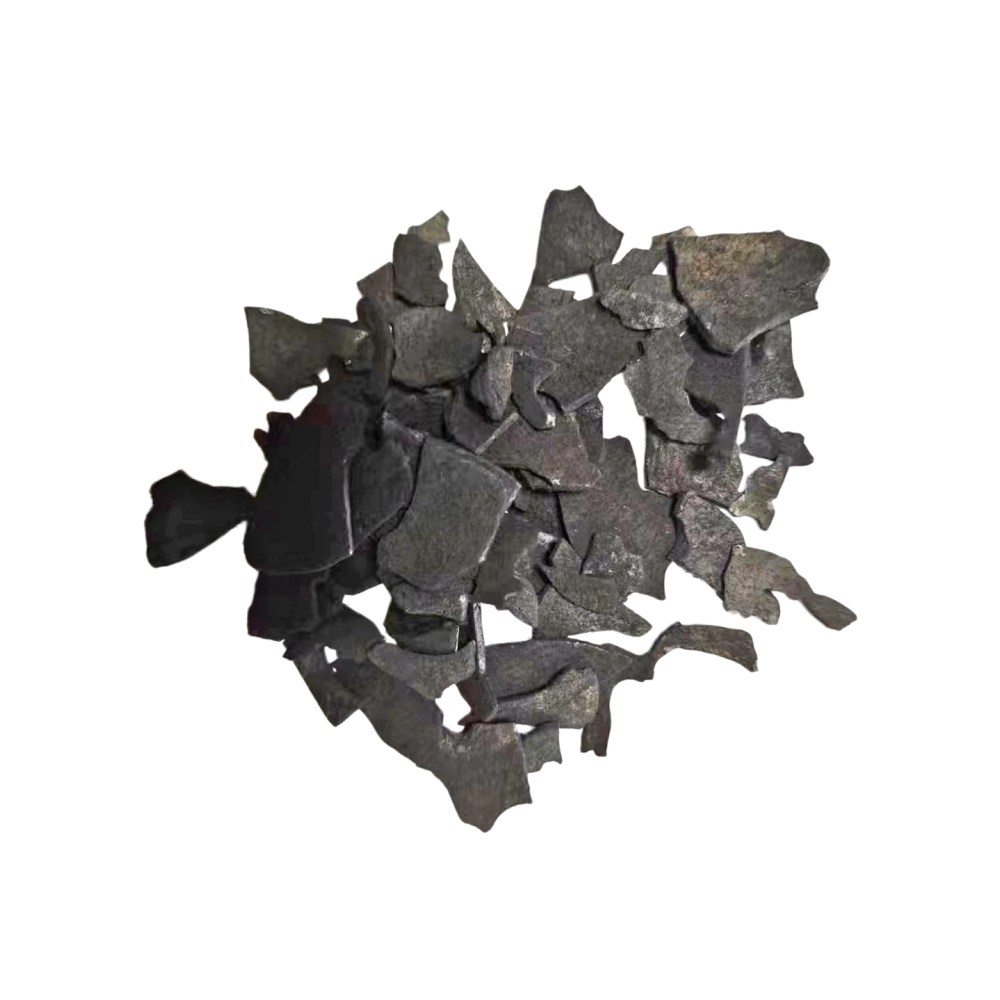
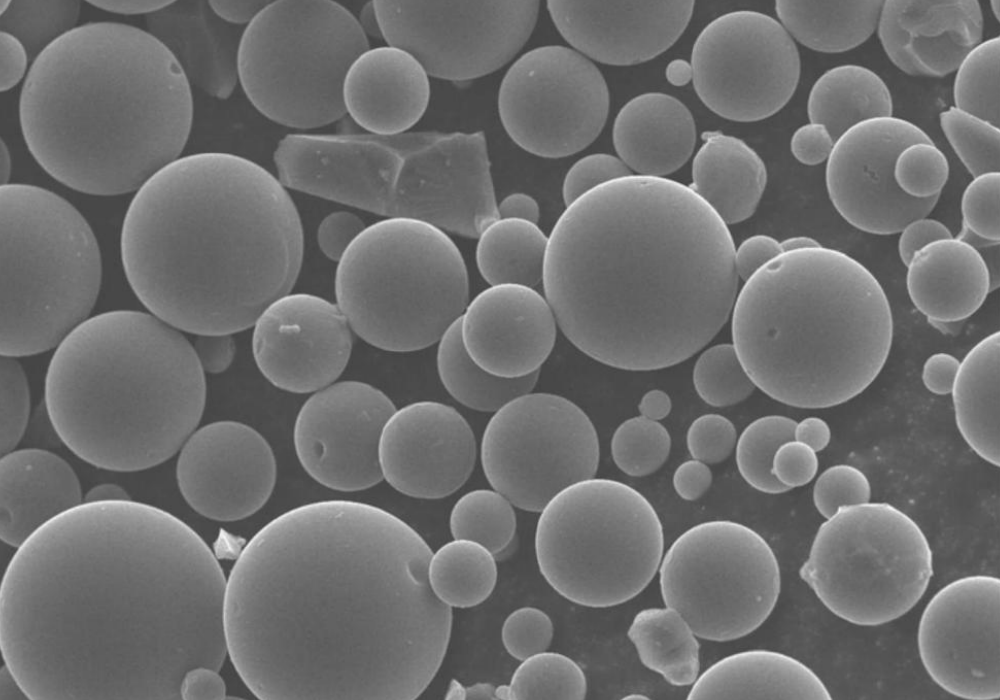
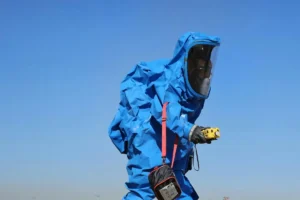
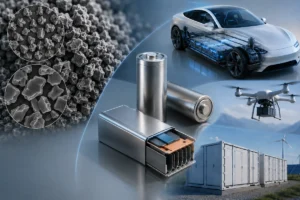
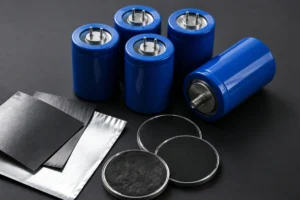
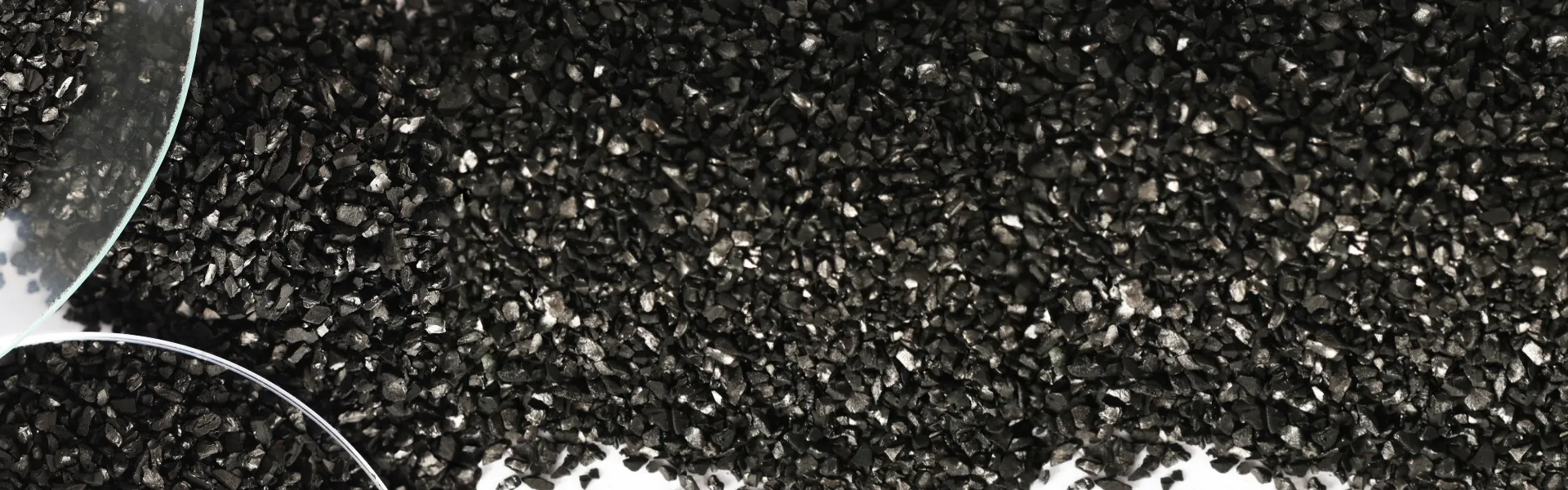
Our coal-based activated carbon grades are produced from select bituminous coal seams through carbonization and steam activation, yielding hard, durable granular and columnar structures optimized for fixed-bed and moving-bed industrial systems. Coconut shell grades deliver ultra-low ash and high micropore volume for drinking water, food-contact, and pharmaceutical purity requirements. Wood-based powders provide rapid decolorization kinetics for sugar refining and chemical purification. Spherical and impregnated grades extend into CBRN protection, biogas upgrading, and battery material applications where geometry and surface chemistry are critical.
All production is governed by ISO 9001, ISO 14001, and ISO 45001 management systems, with NSF/ANSI 61, Halal, and Chinese drinking water safety certifications maintained on applicable grades.