















Overview
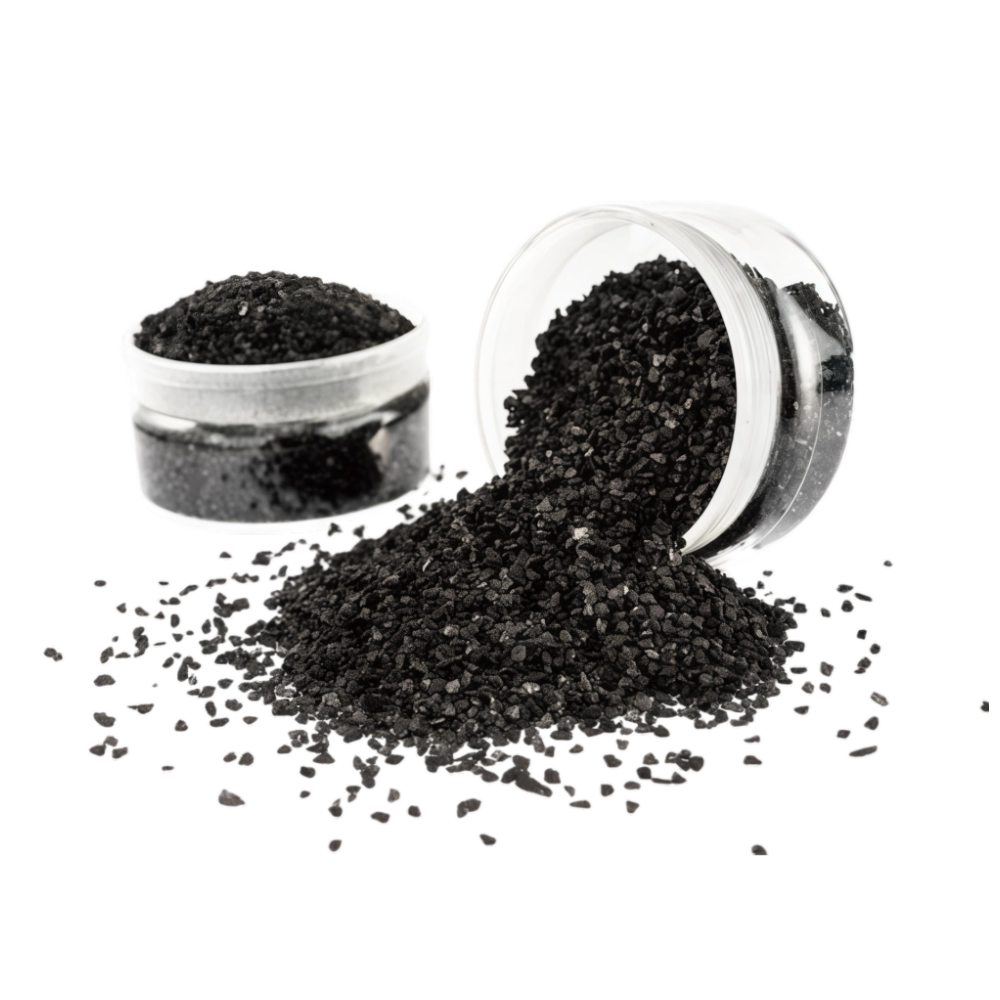
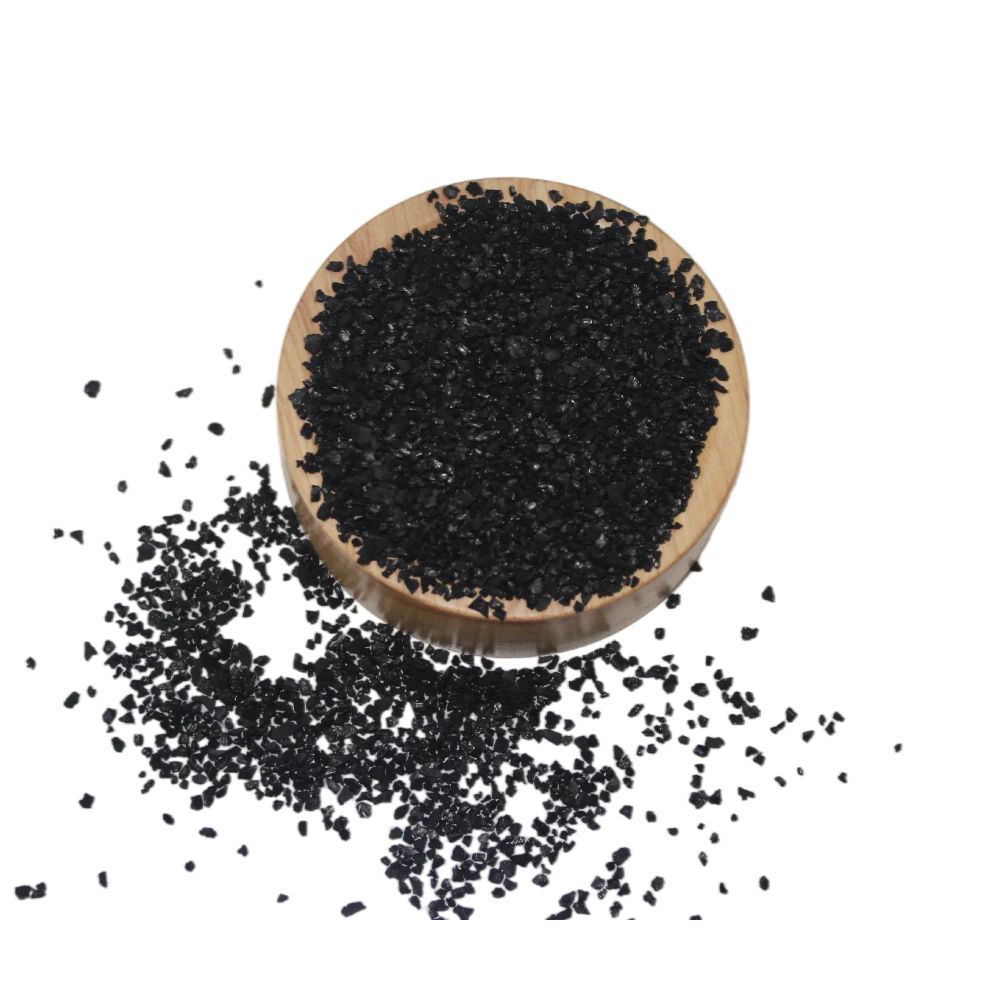
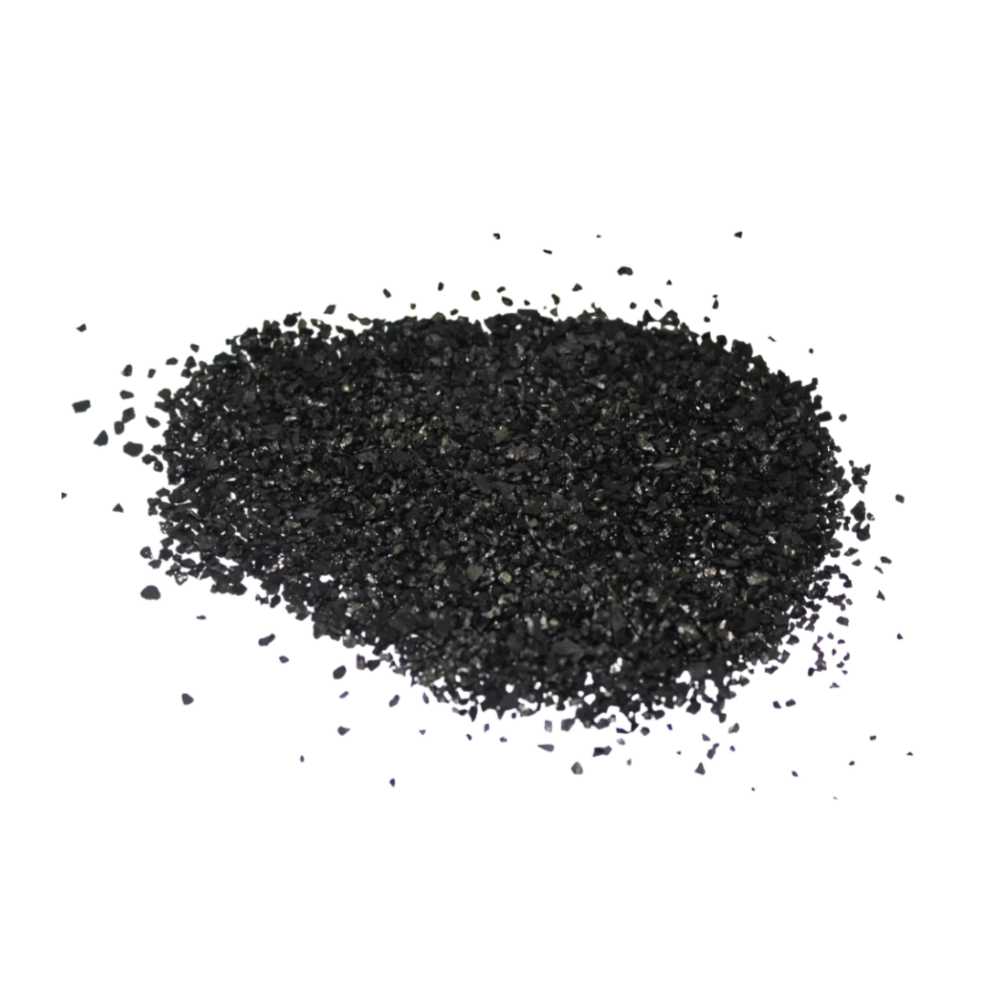
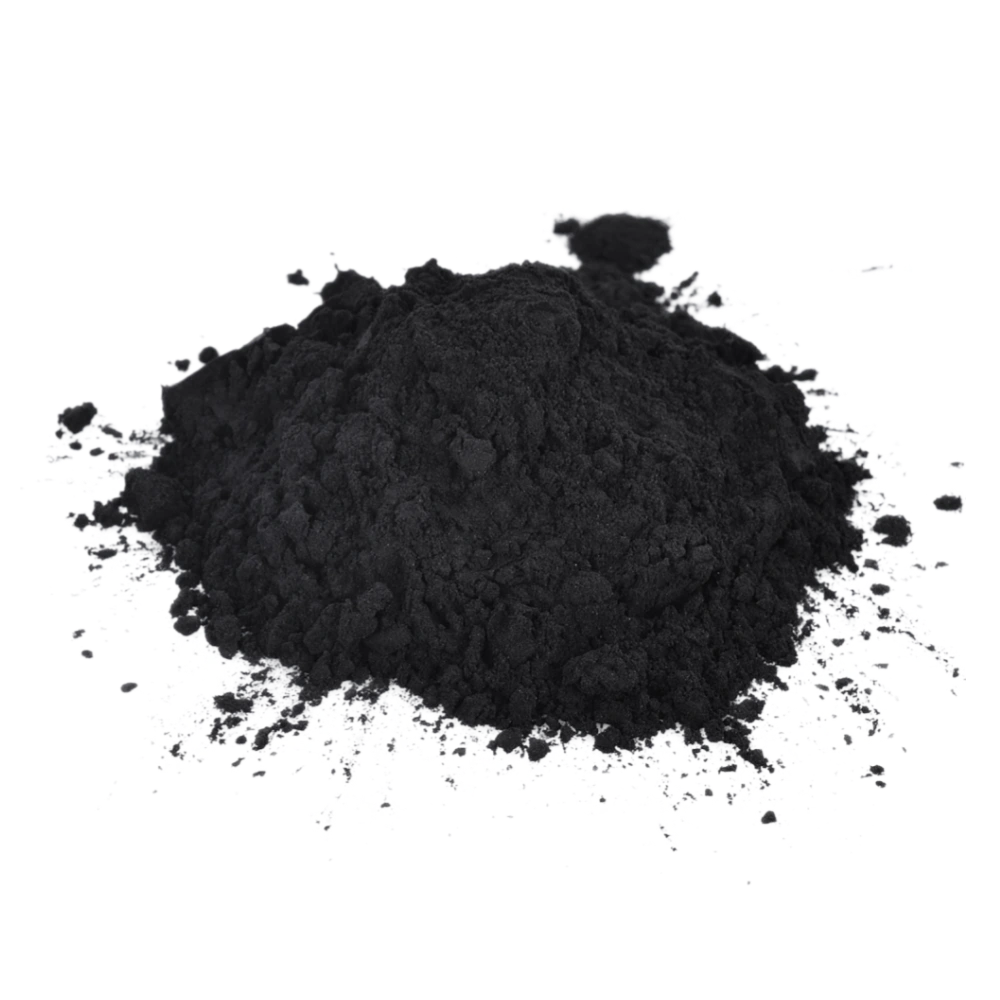
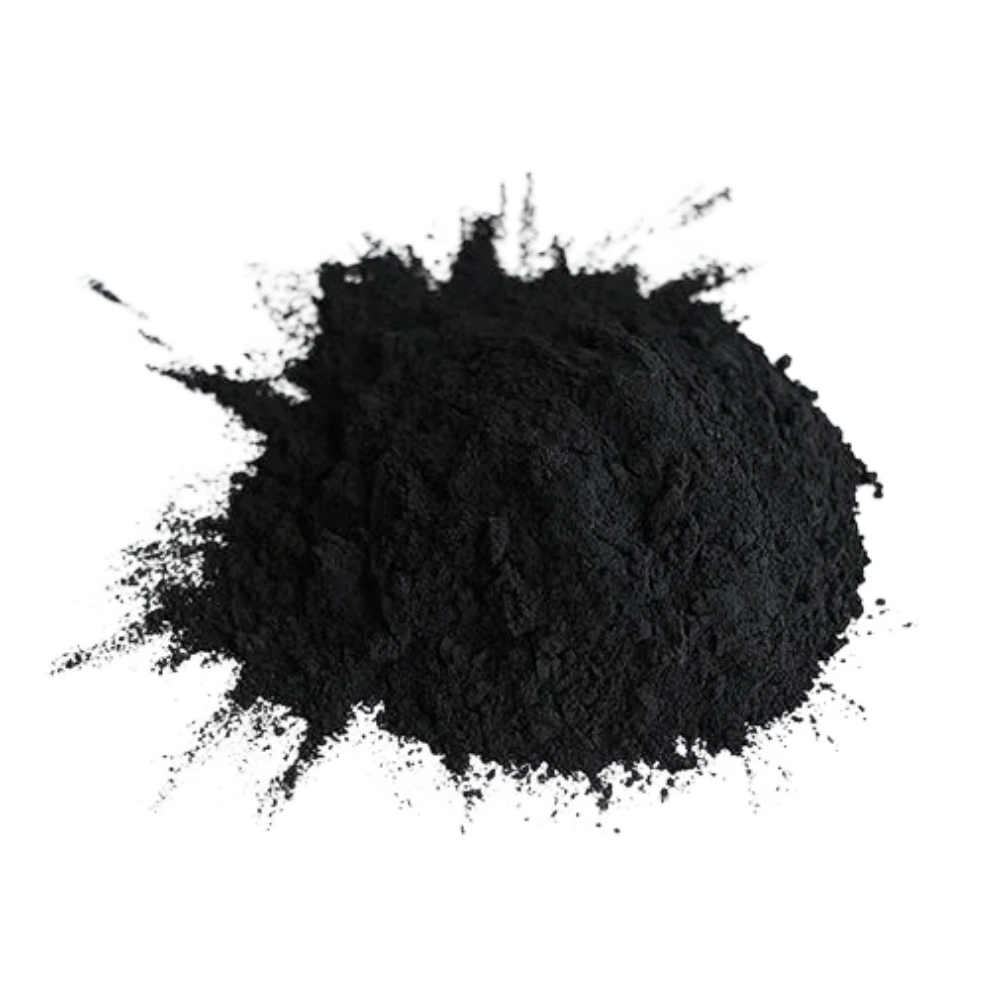
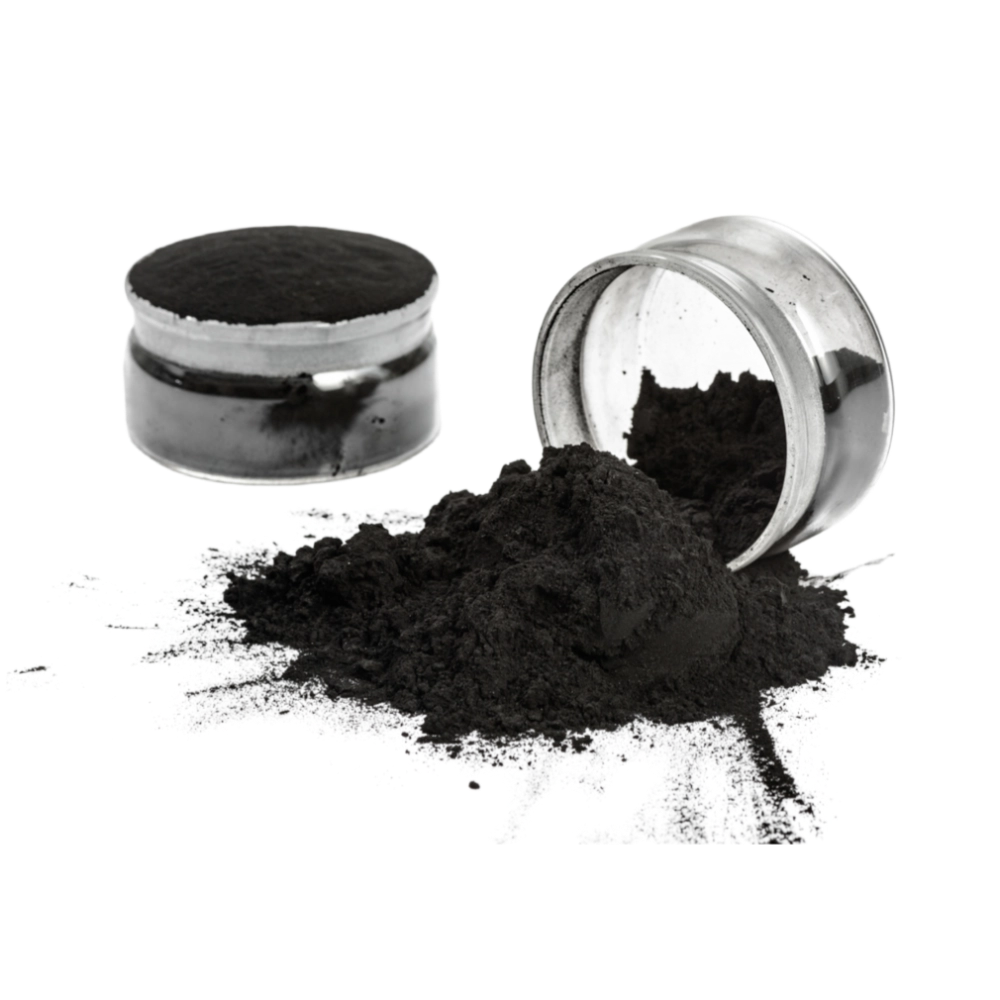
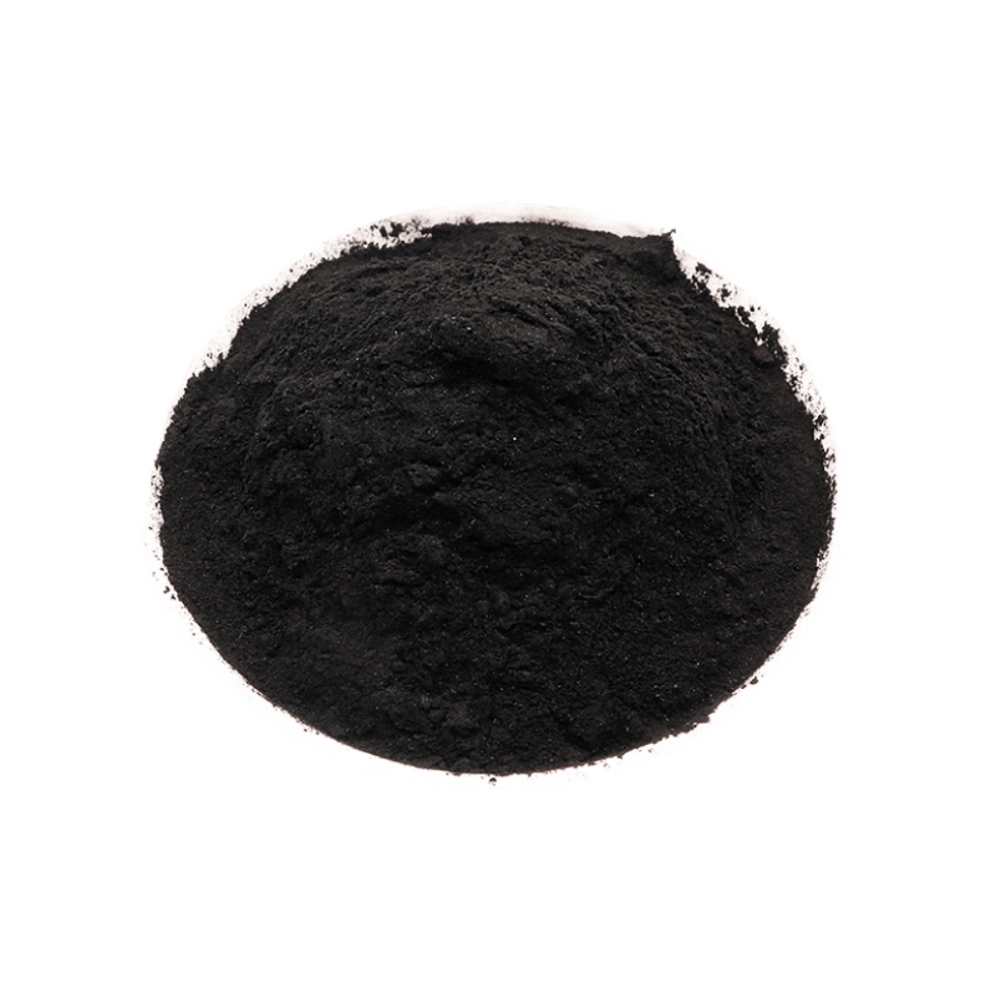
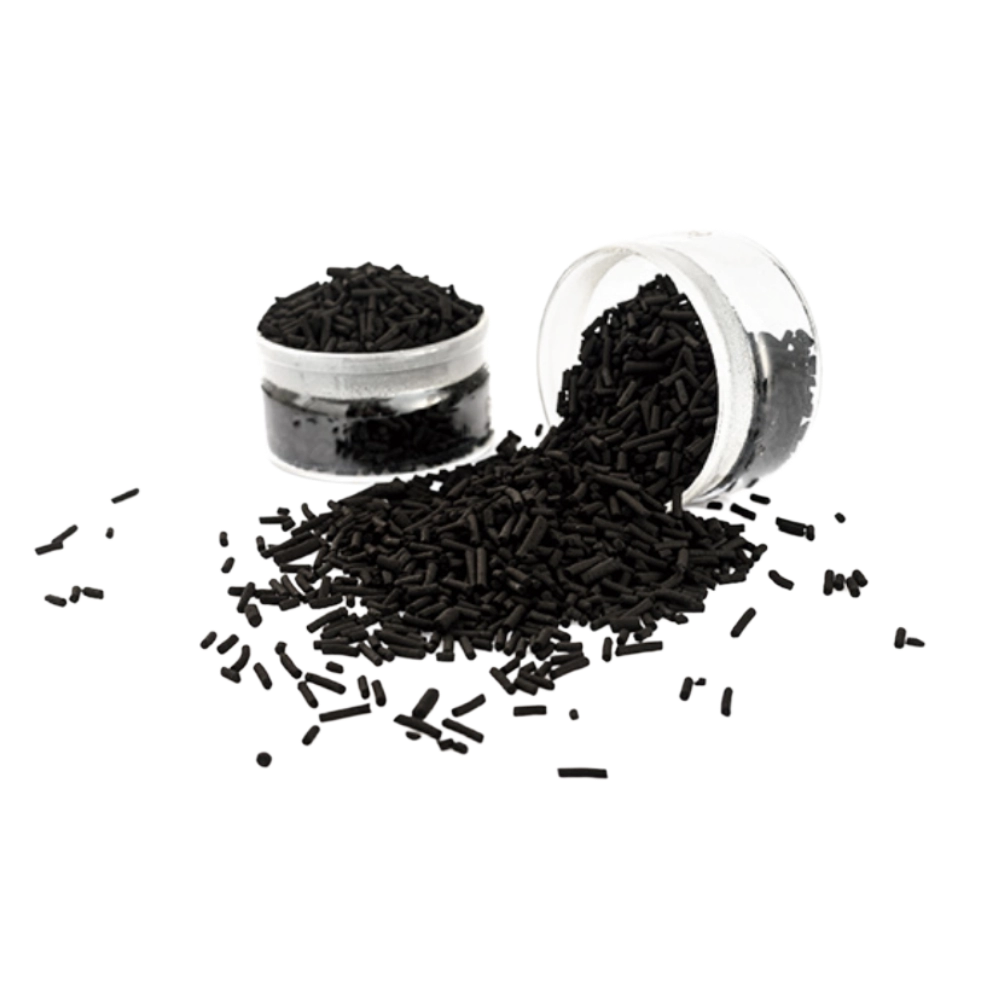
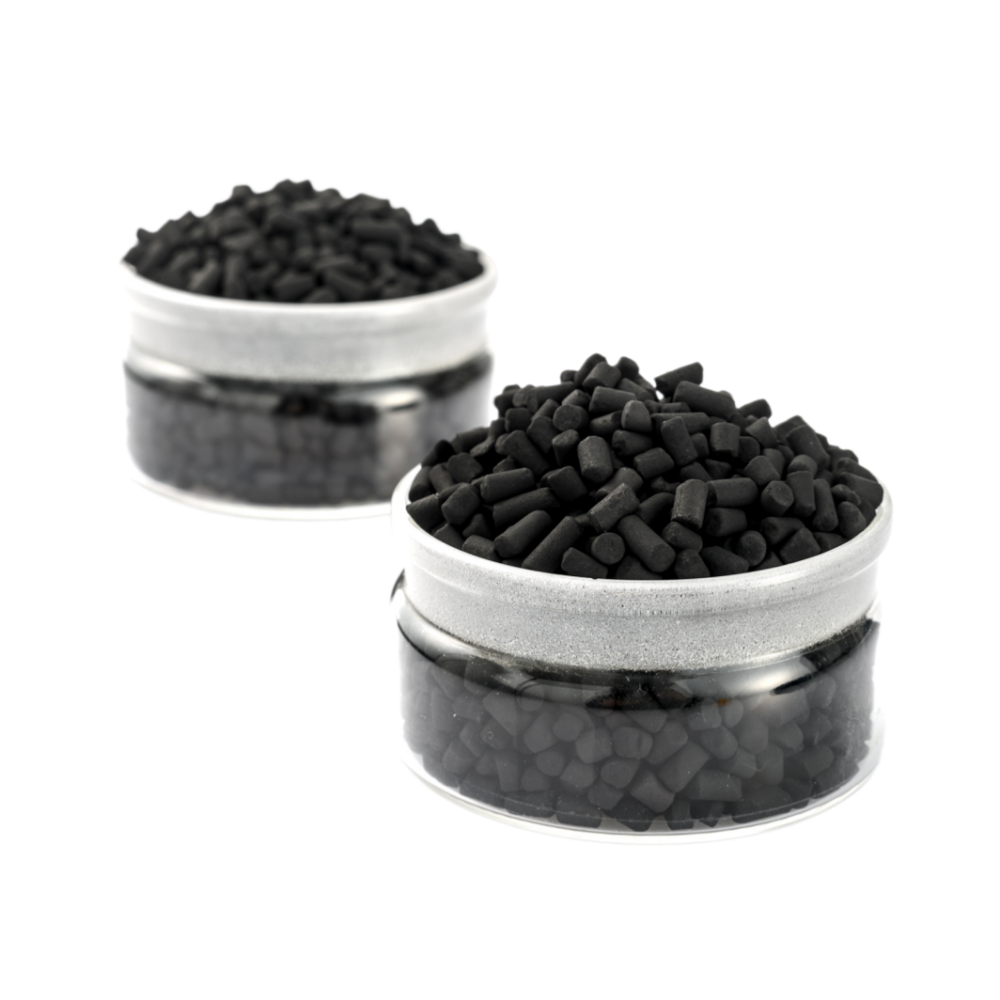
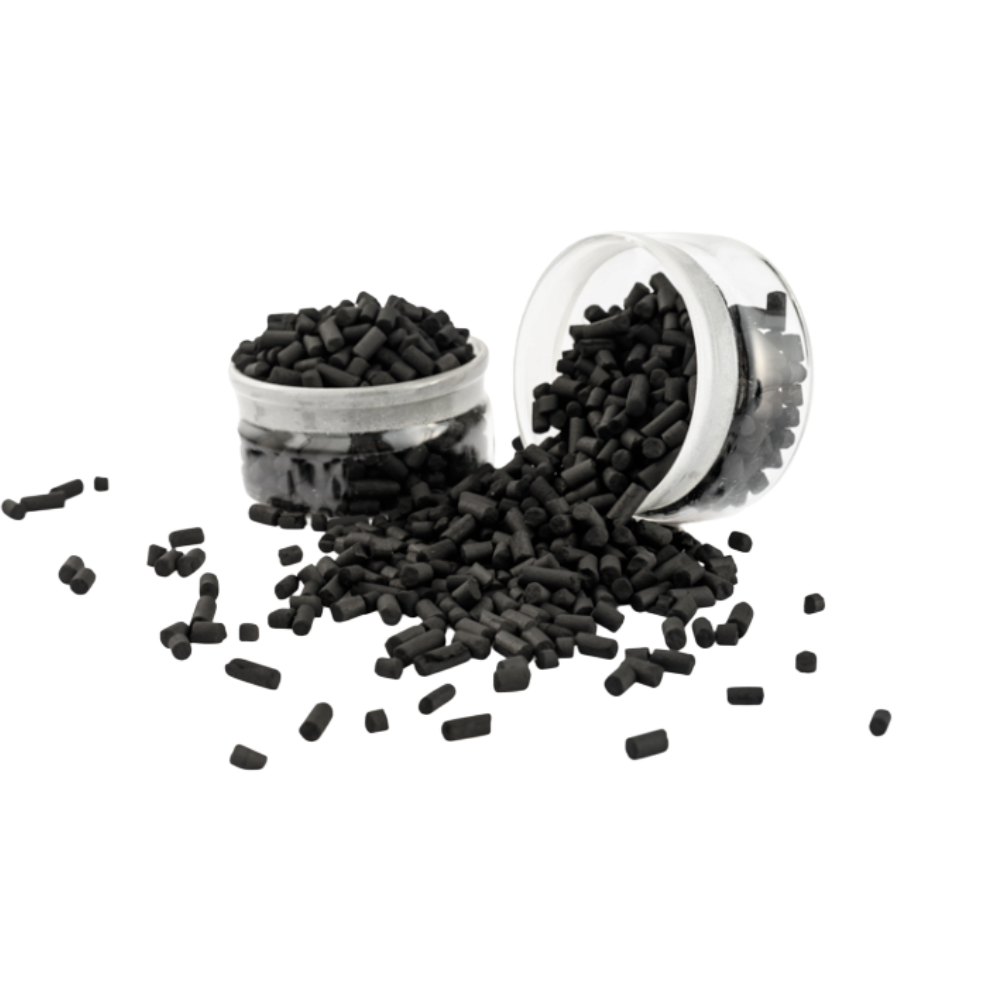
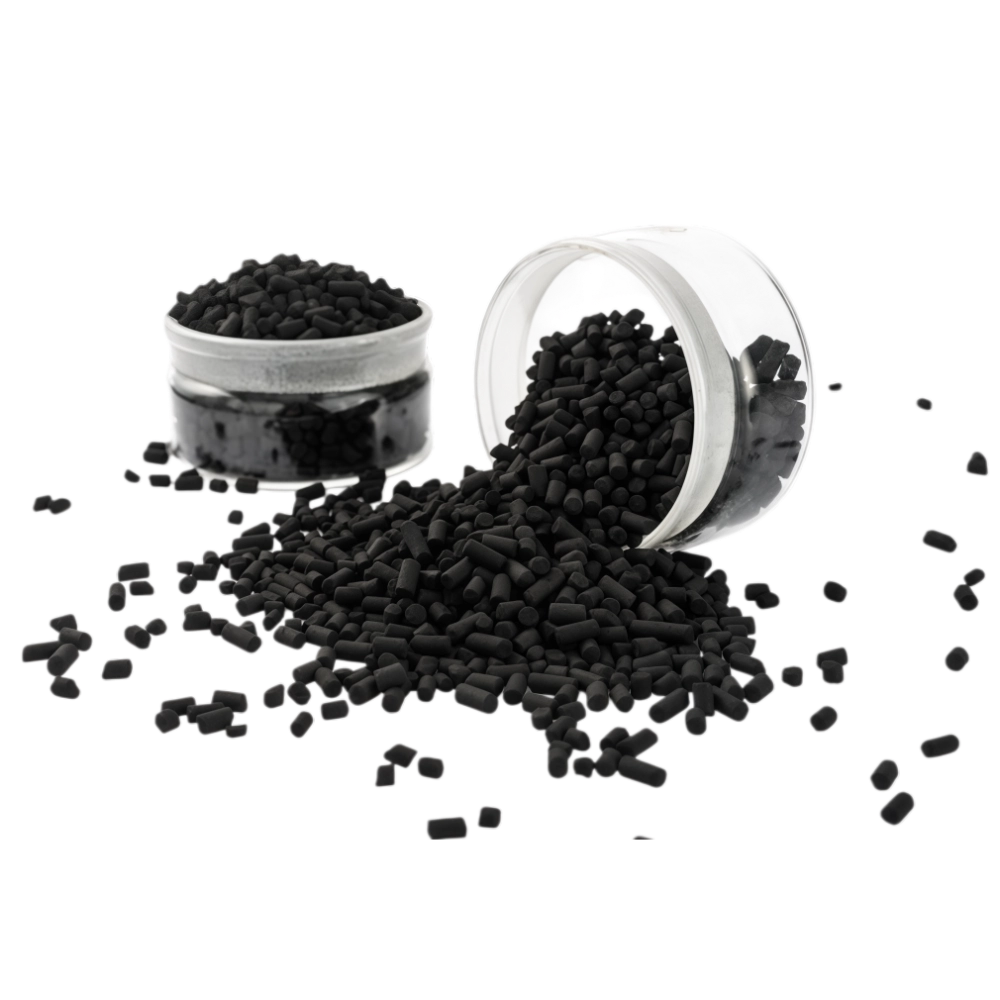
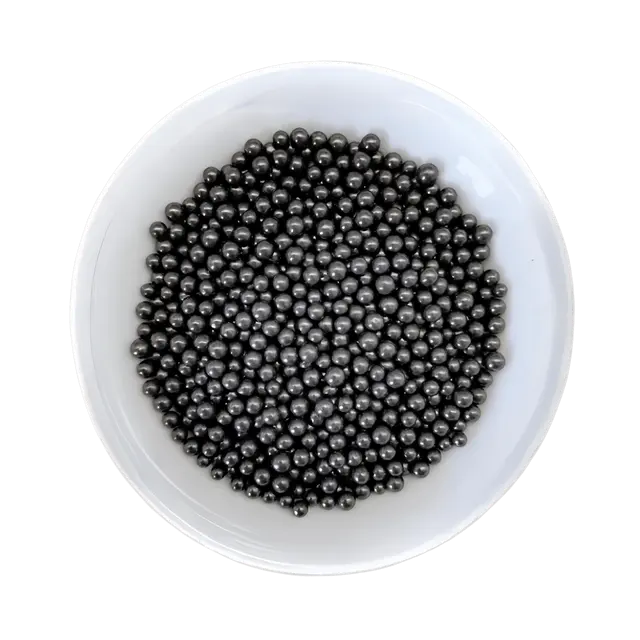
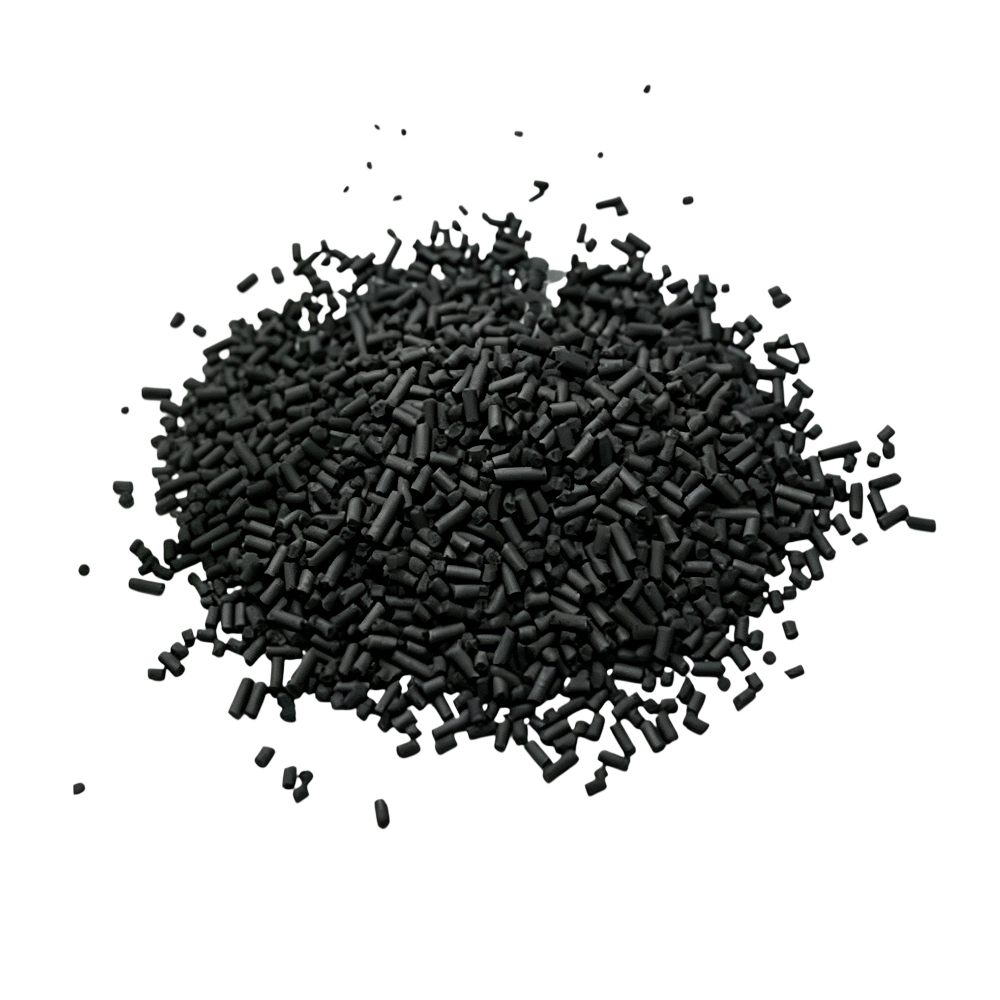
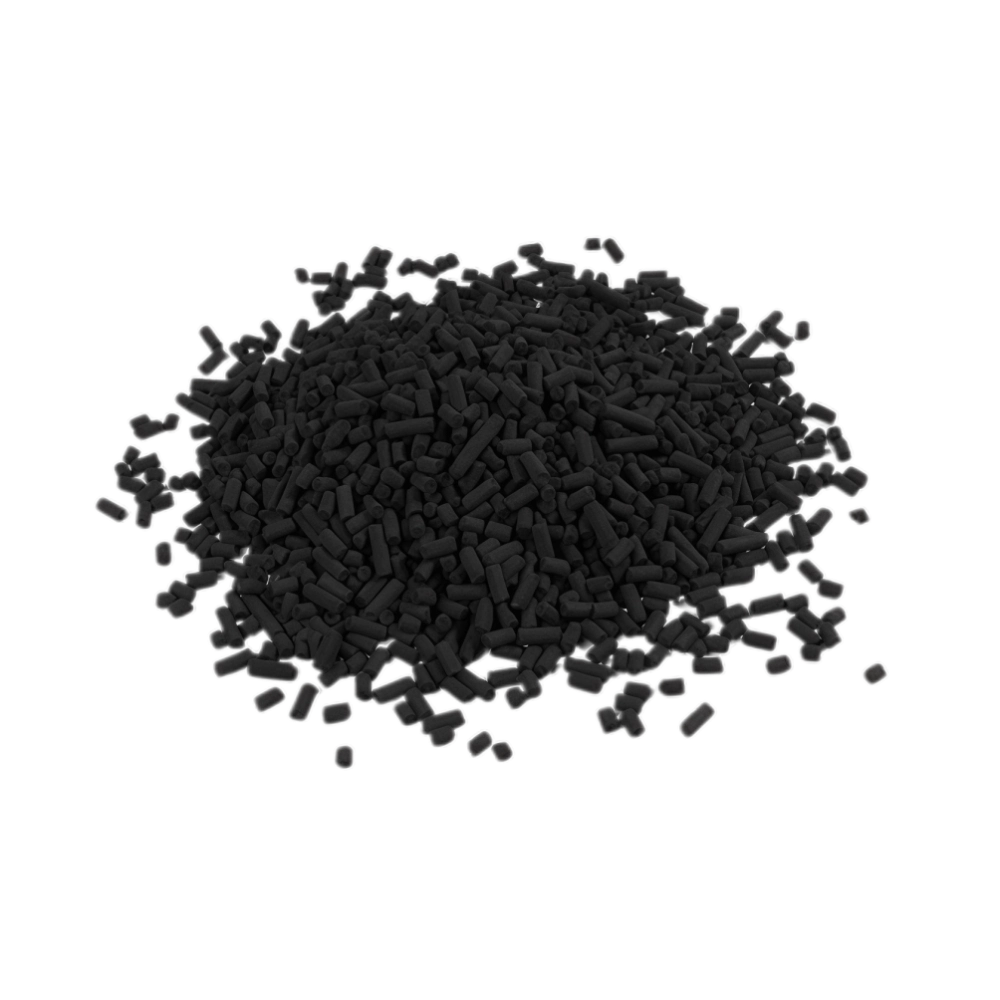
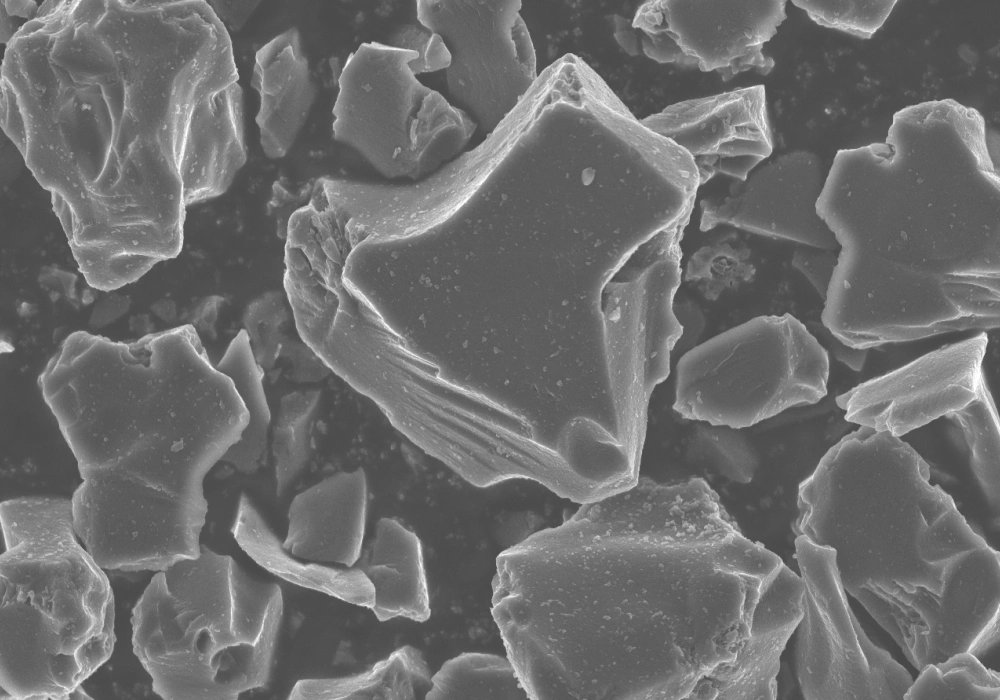
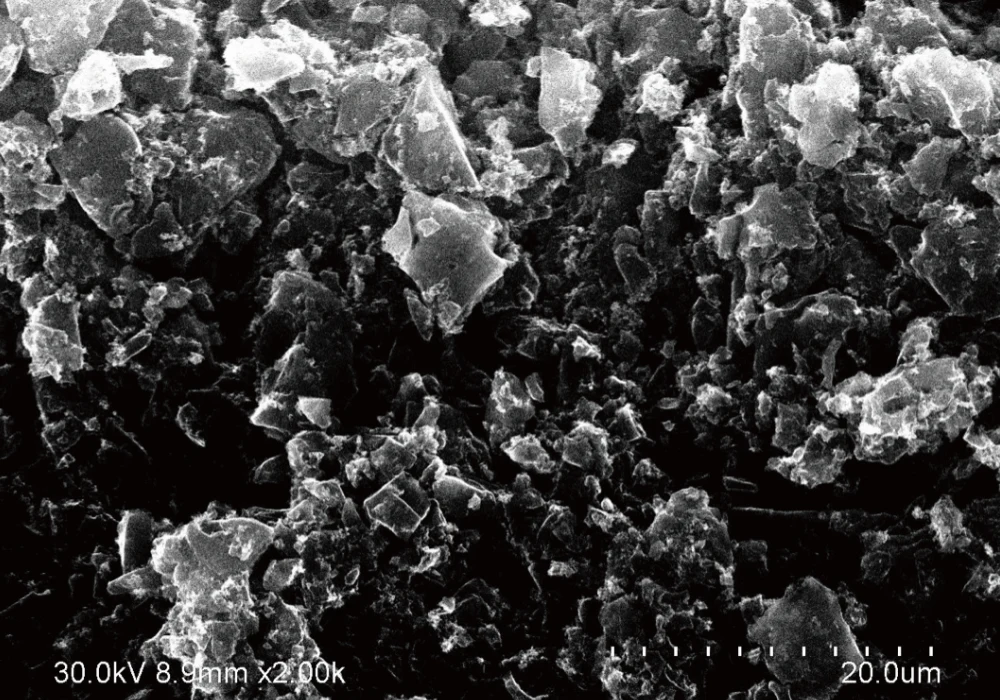
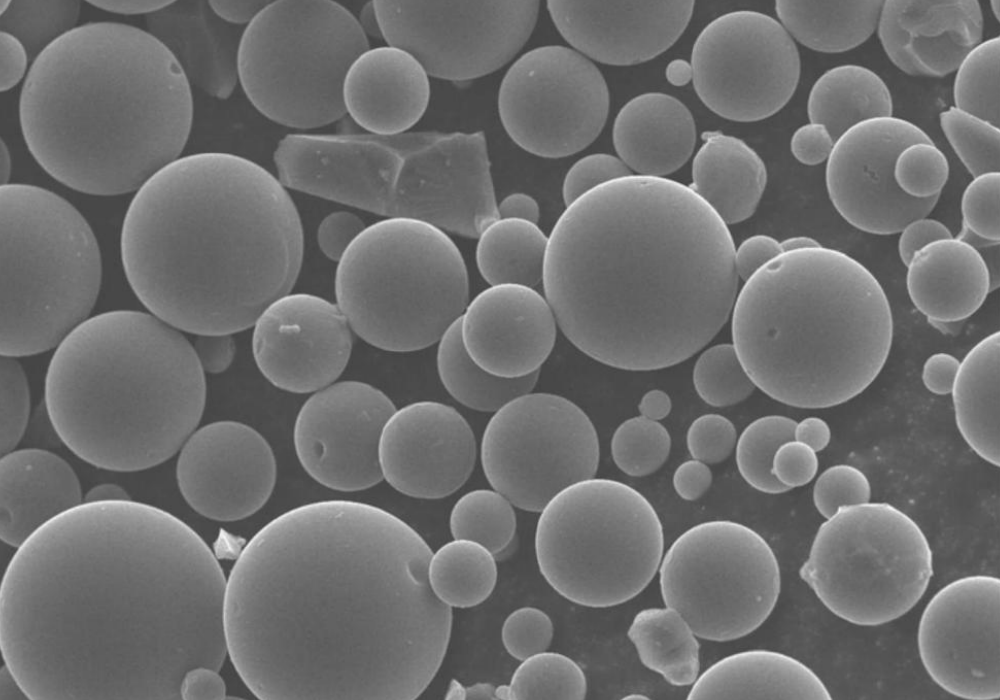
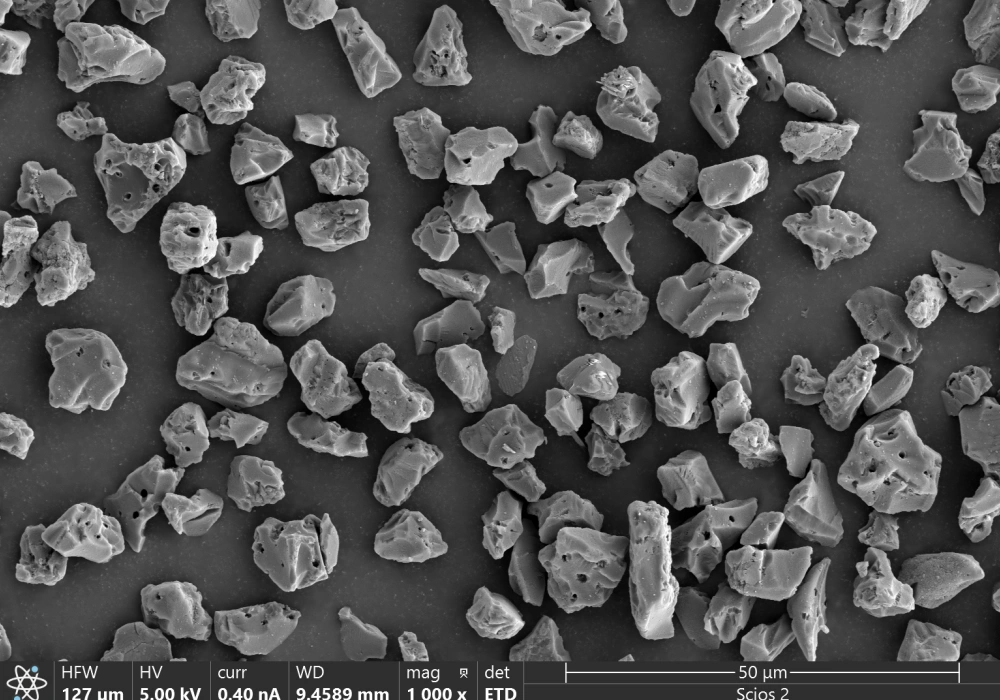
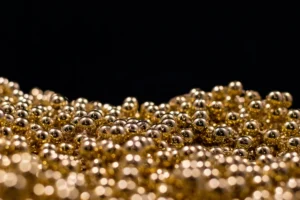
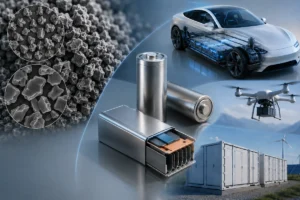
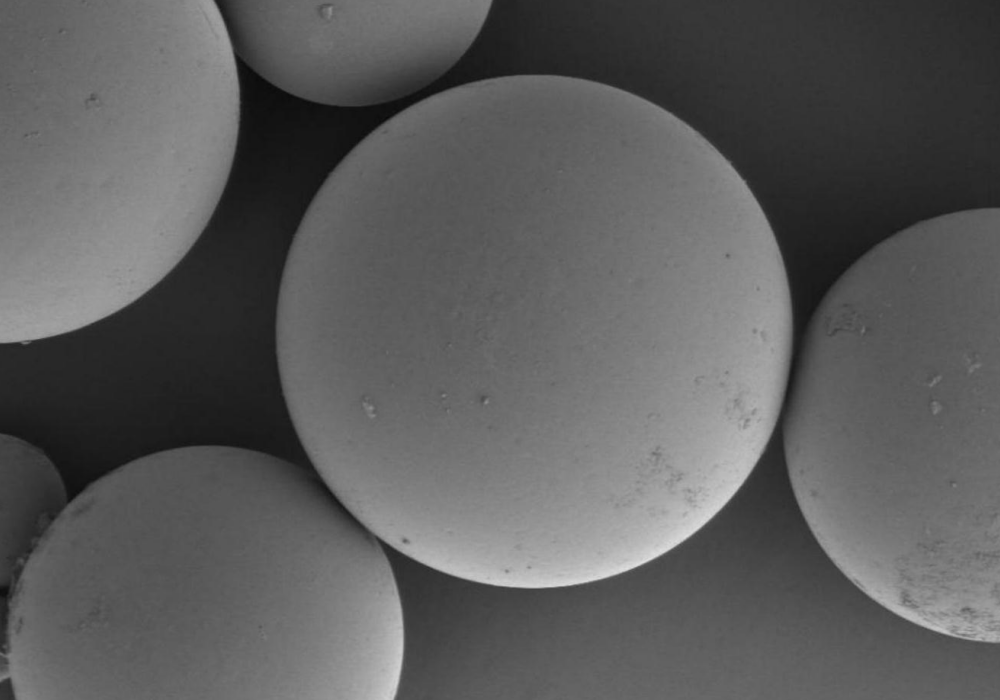
Spherical resin-based precursor manufactured in fluidized-bed equipment using steam/CO₂ dual-activation. The near-perfect sphericity enhances particle packing density and creates uniform interstitial voids for electrolyte wetting. This geometry is specifically engineered for high-end silicon-carbon anodes where coating thickness uniformity directly impacts cell cycle life. Suitable for heterogeneous catalyst carriers, silicon-carbon anode precursors, and advanced electrochemical applications.
Specification
| Technical Specifications | PAC-Q85 | PAC-Q95 | Unit |
|---|---|---|---|
| Total pore volume | 0.85±0.03 | 0.95±0.03 | cm³/g |
| Specific surface area | 1850±100 | 1950±100 | m²/g |
| Average pore size | ≤1.9 | ≤1.9 | nm |
| Micropore volume ratio | >85 | >85 | % |
| Moisture content | <1 | <1 | % |
| Ash content | <0.2 | <0.2 | % |
| Particle size D10 | 4±1 | 4±1 | μm |
| Particle size D50 | 8±1 | 8±1 | μm |
| Particle size D90 | 14±1 | 14±1 | μm |
| PH value | 6~8 | 6~8 | — |
| Magnetic substance | <2 | <2 | ppm |
Key application areas
- High-end silicon-carbon anodes for EV and aviation batteries
- Precision catalyst supports requiring uniform flow dynamics
- Solid-state battery research programs
- New energy and electrochemical fields
Morphology Lock
- Spherical particles eliminate sharp edges that cause electrode coating defects and slurry segregation.
- Moisture below 1% and ash below 0.2%—the lowest ash ceiling in the precursor portfolio—minimize side reactions with electrolyte salts.
- Fluidized-bed activation ensures every sphere receives identical gas exposure, delivering unmatched batch-to-batch pore uniformity.
- Higher tap density reduces electrode porosity, increasing volumetric energy density of the finished cell.