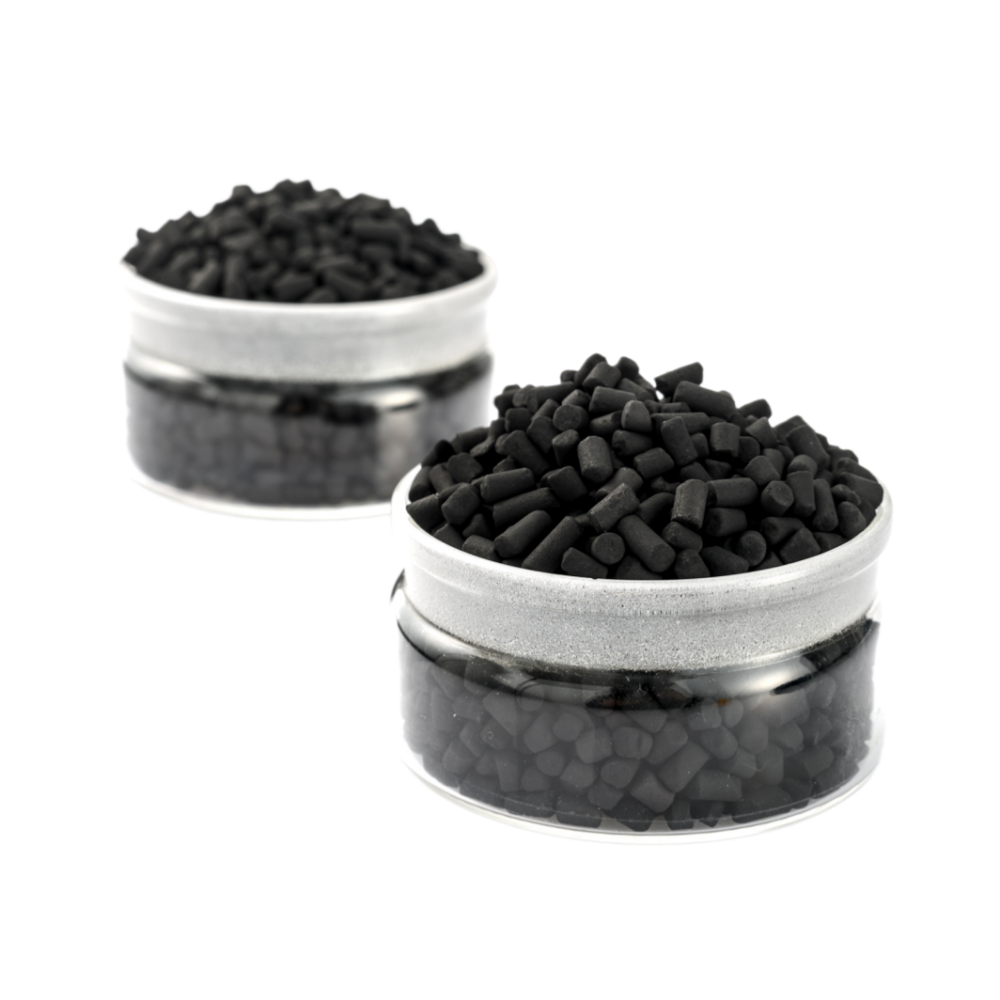
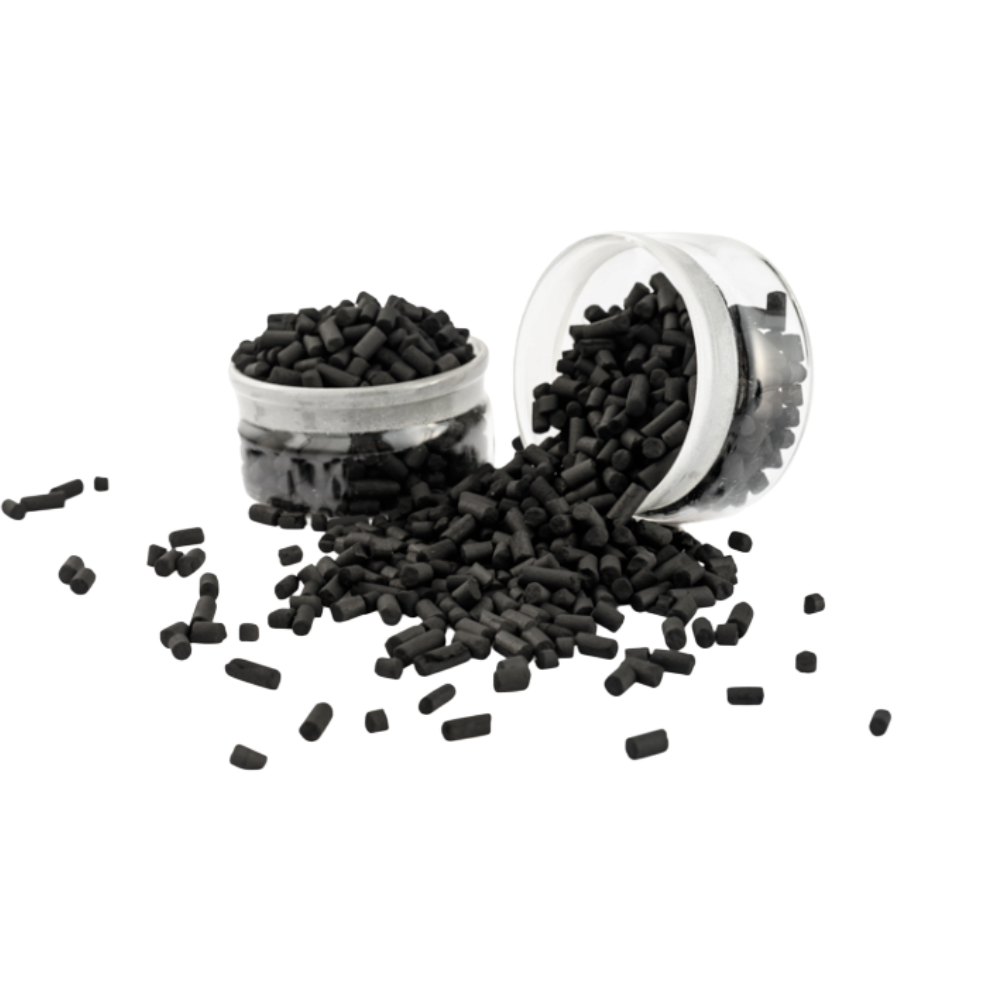
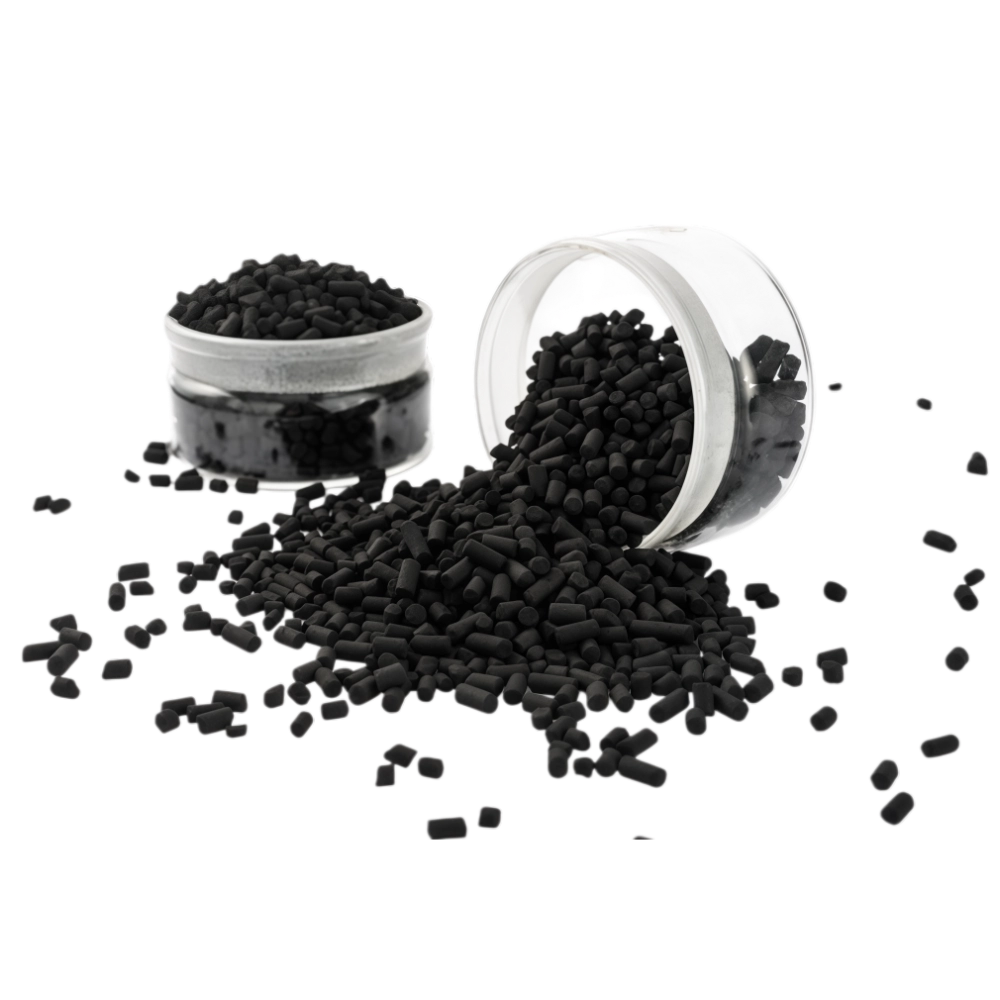
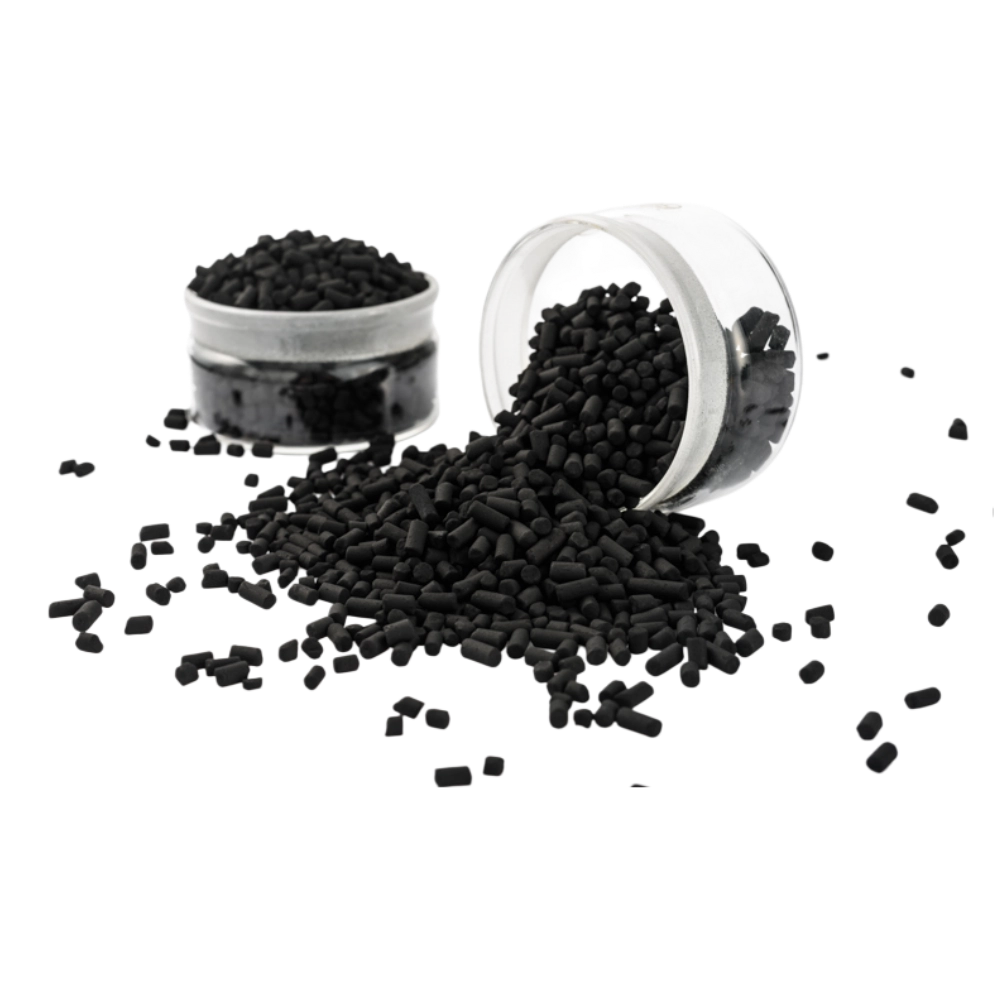






















Overview
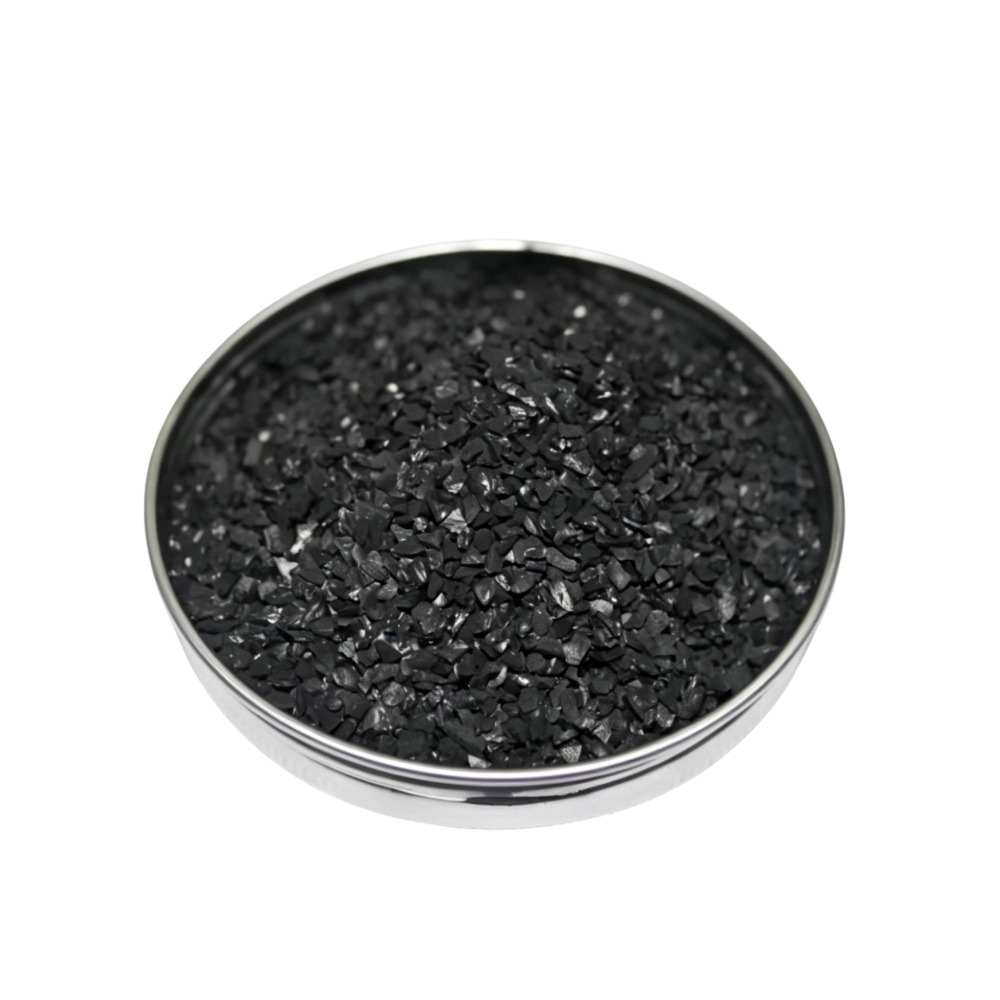
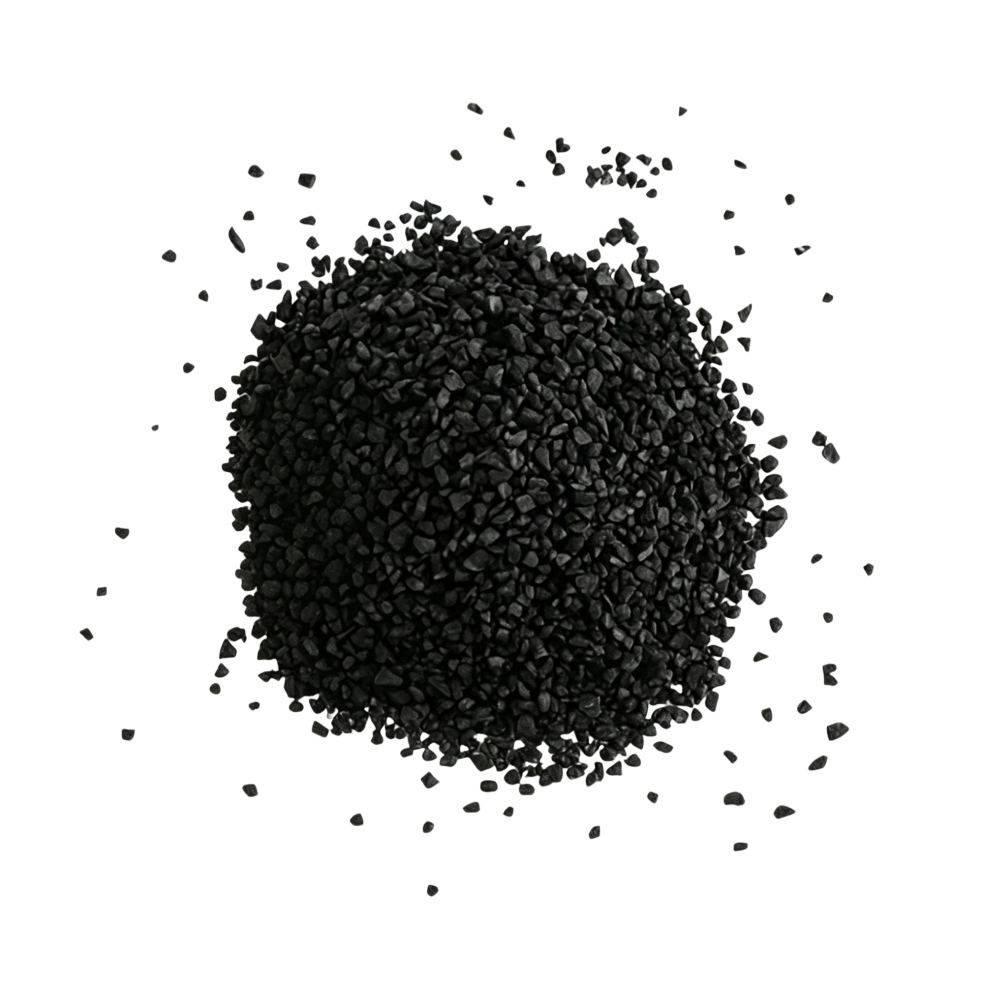
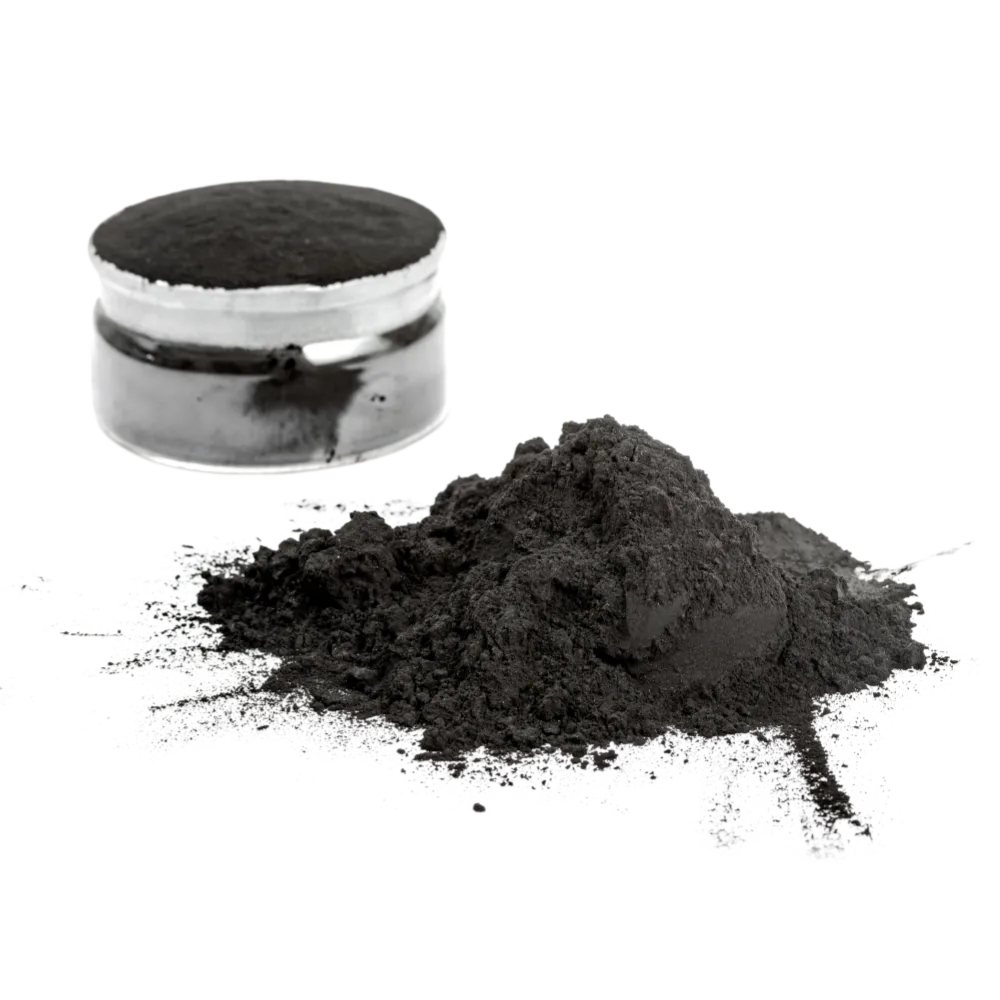
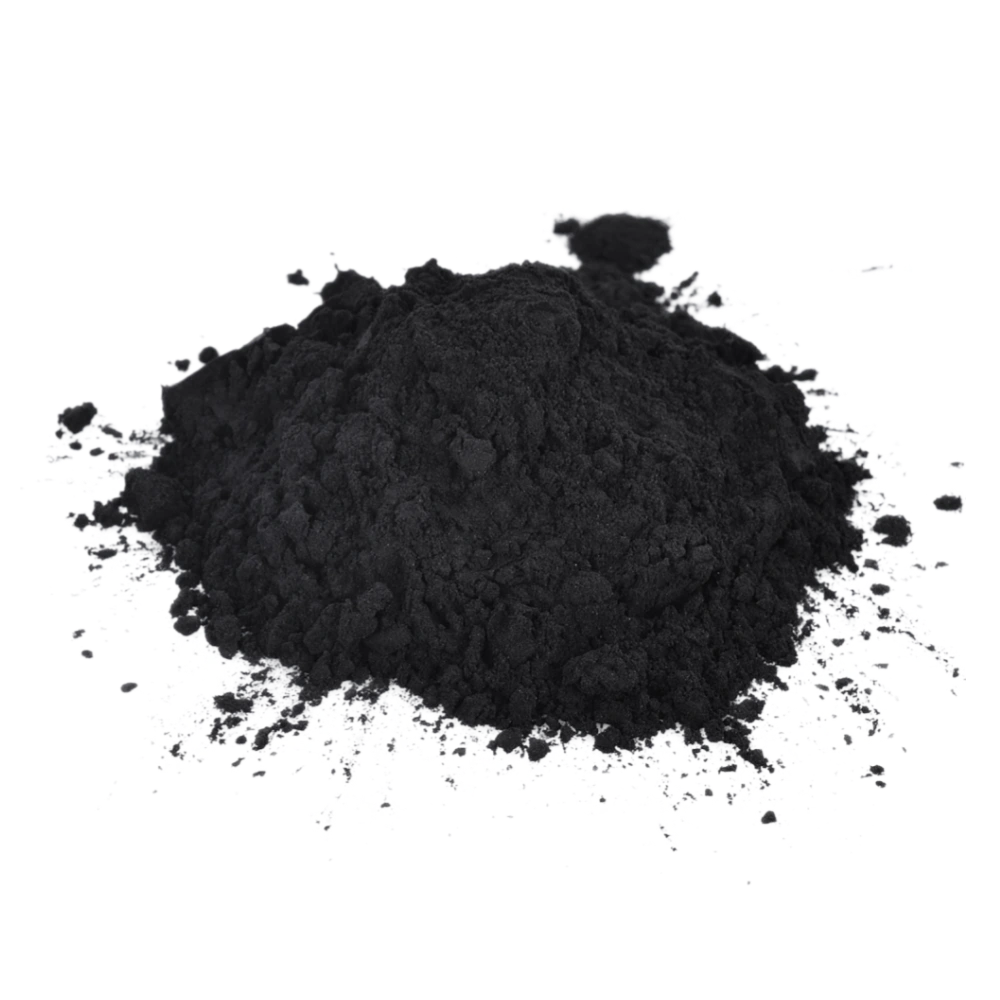
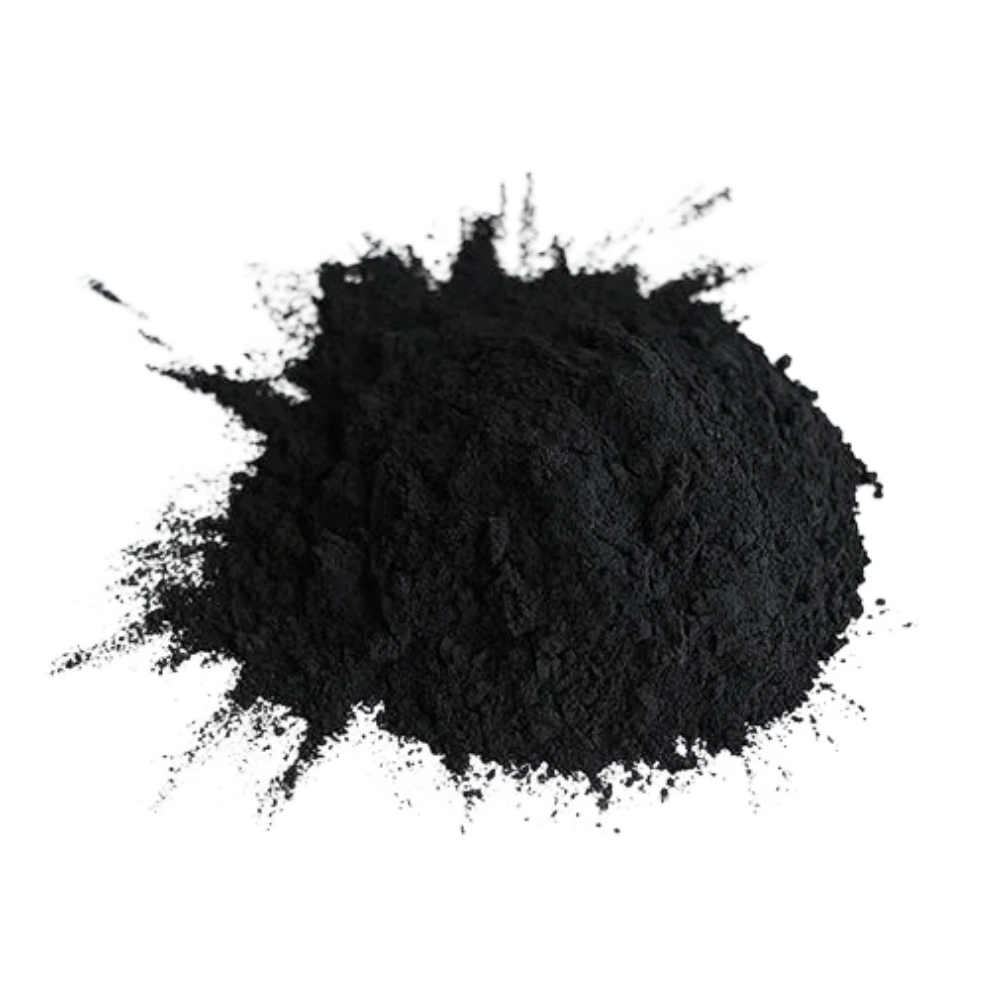
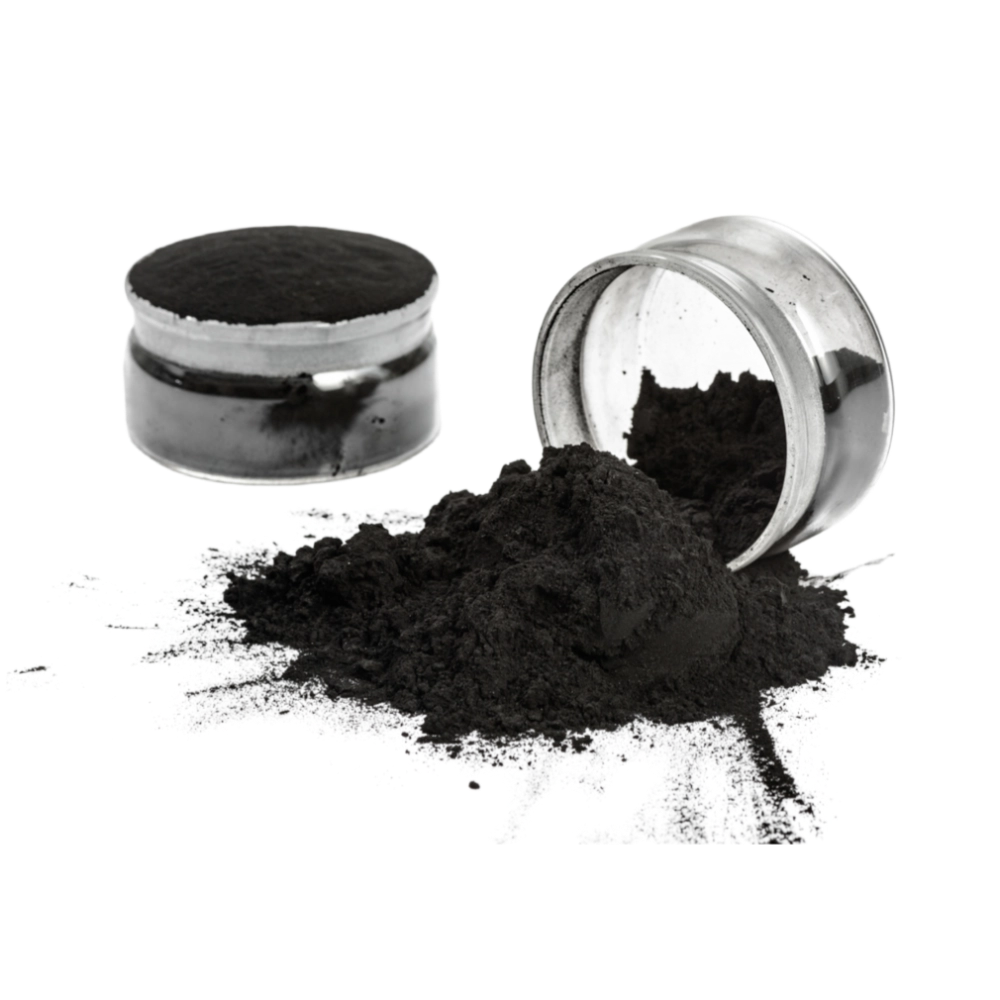
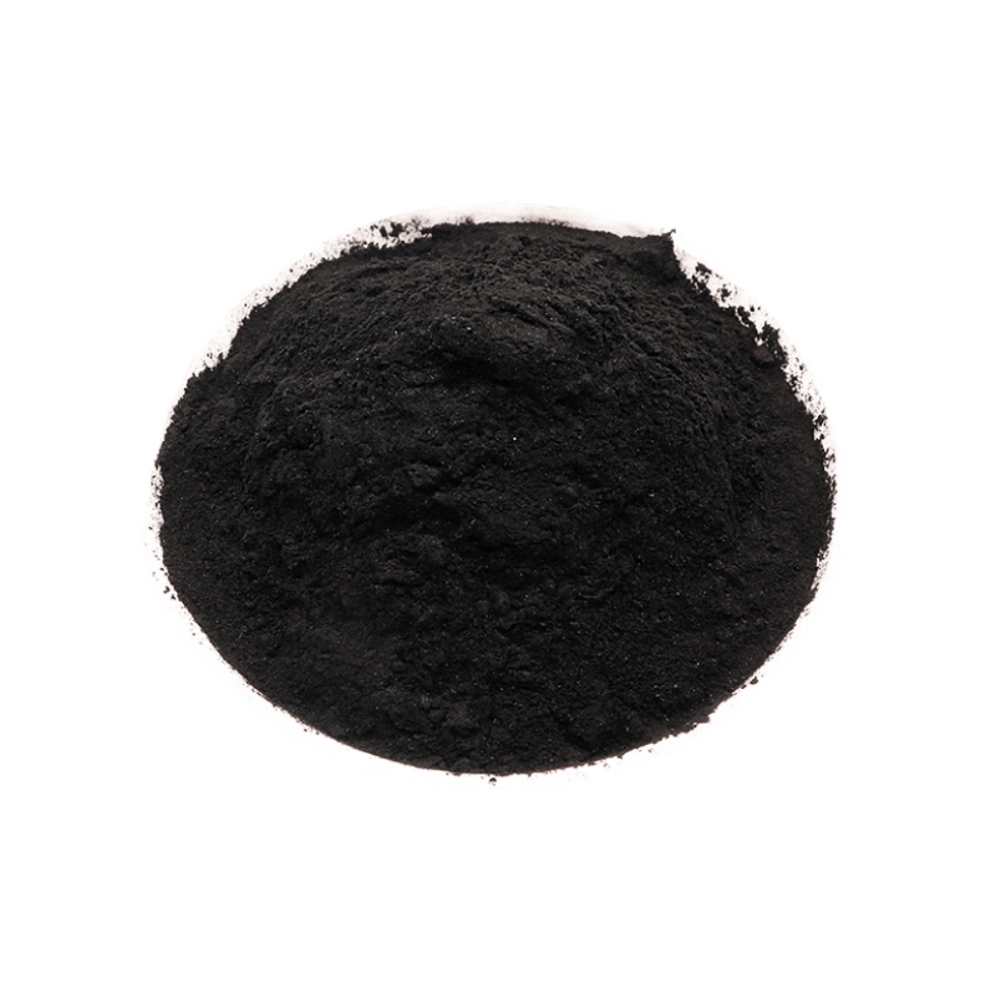
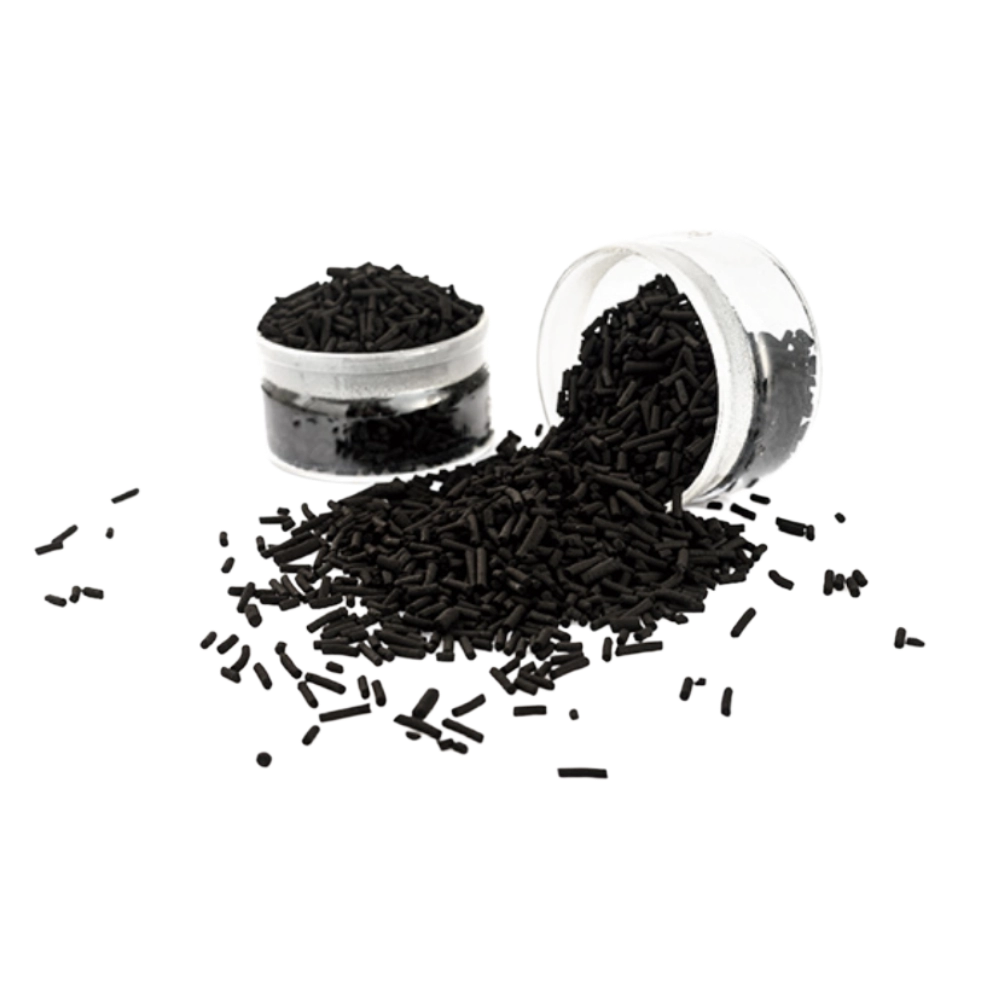
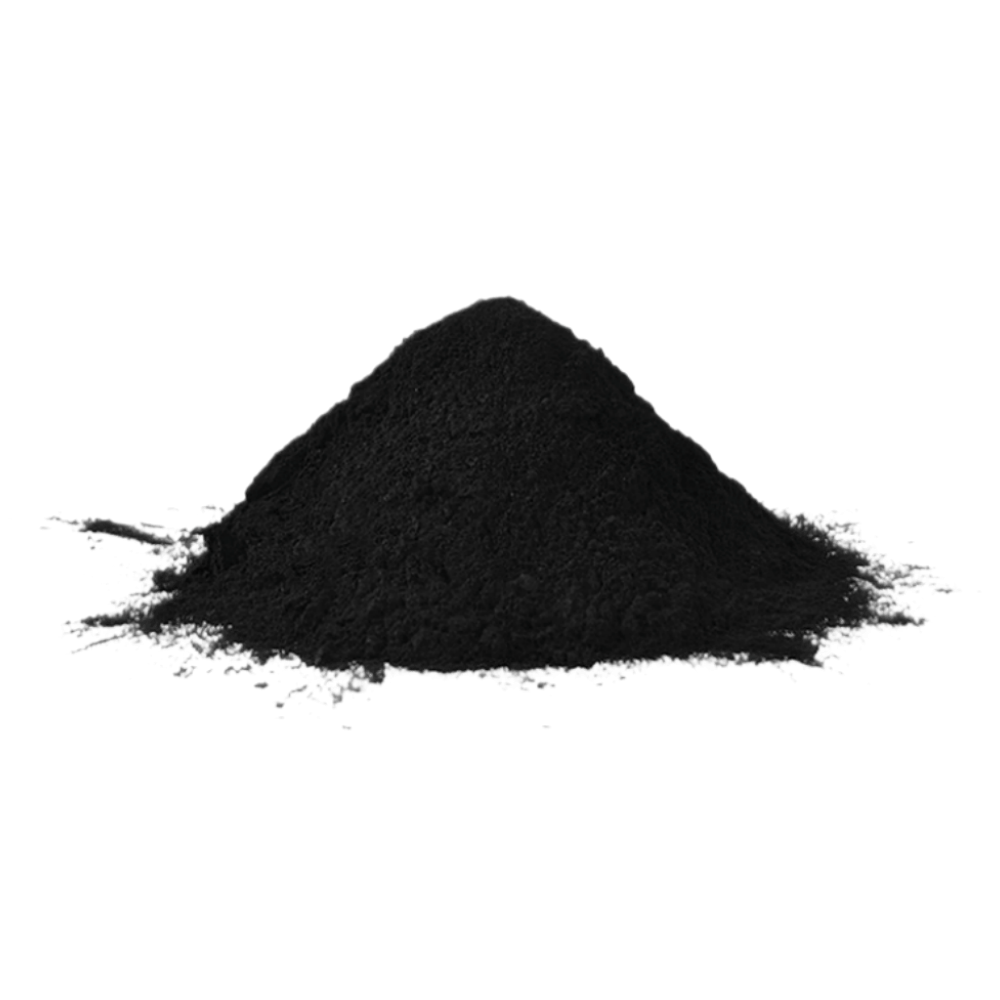
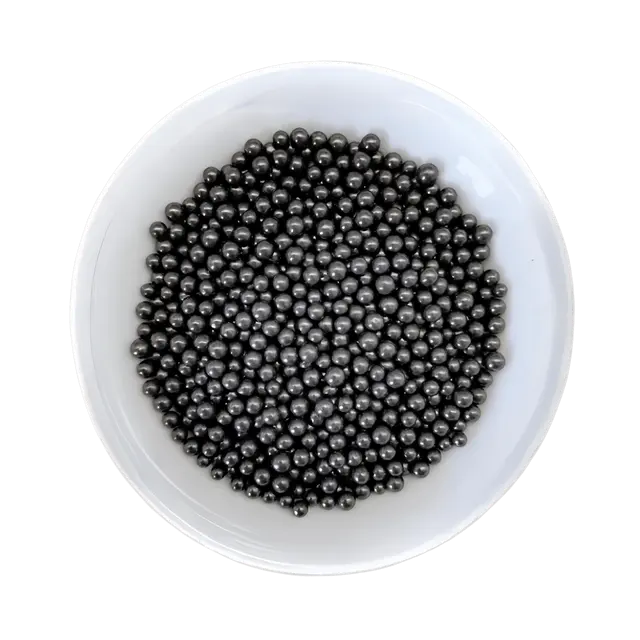
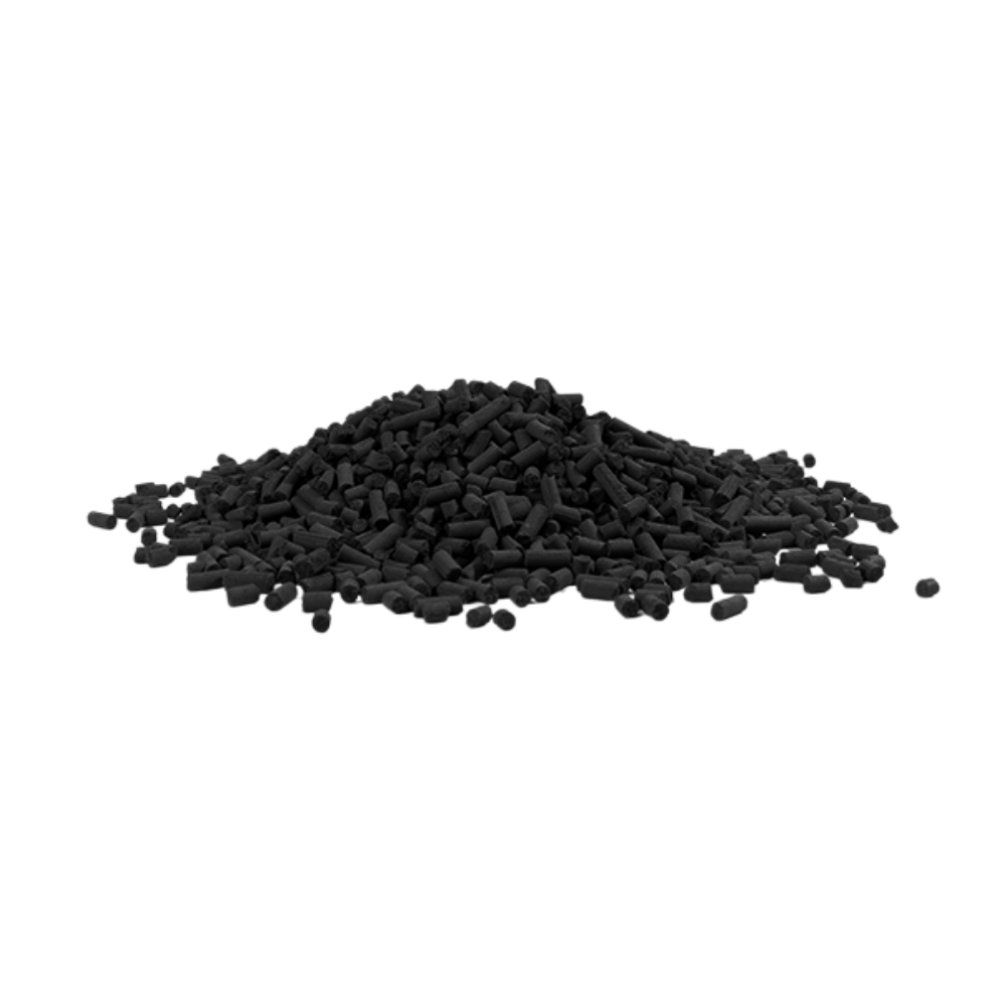
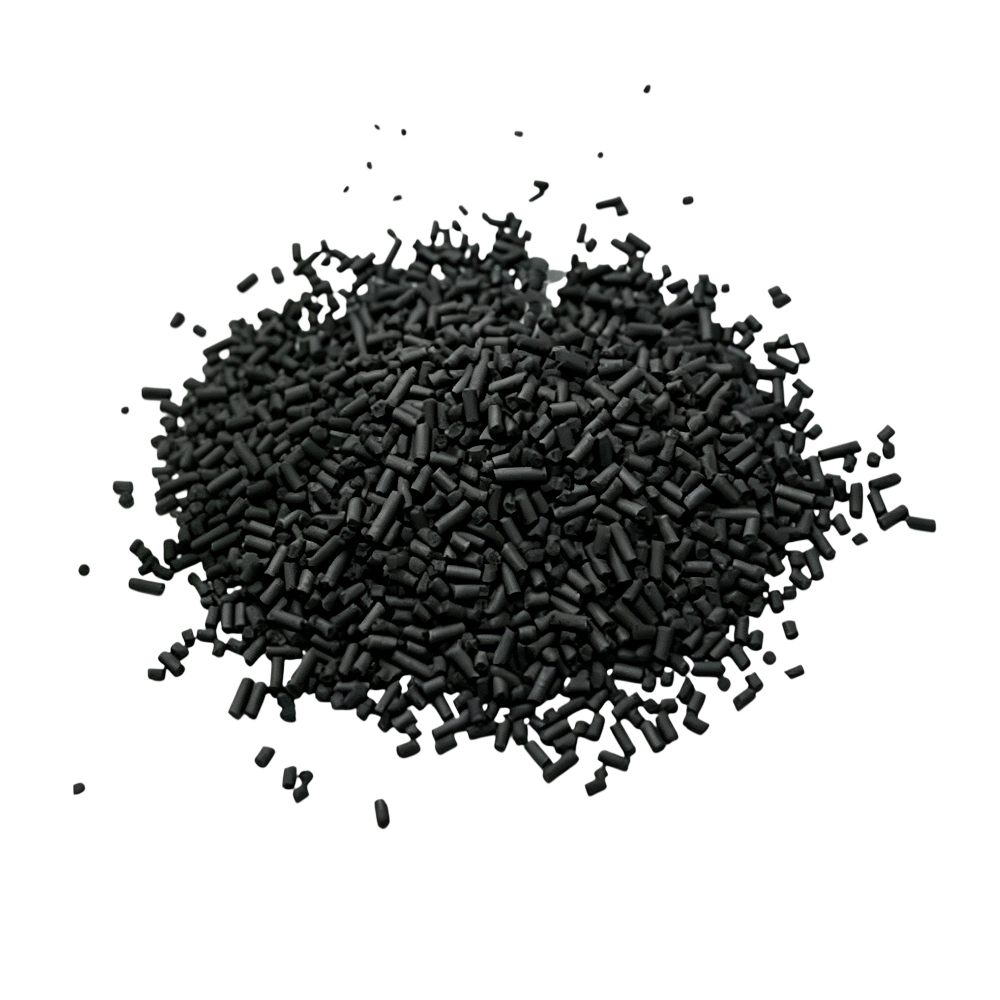
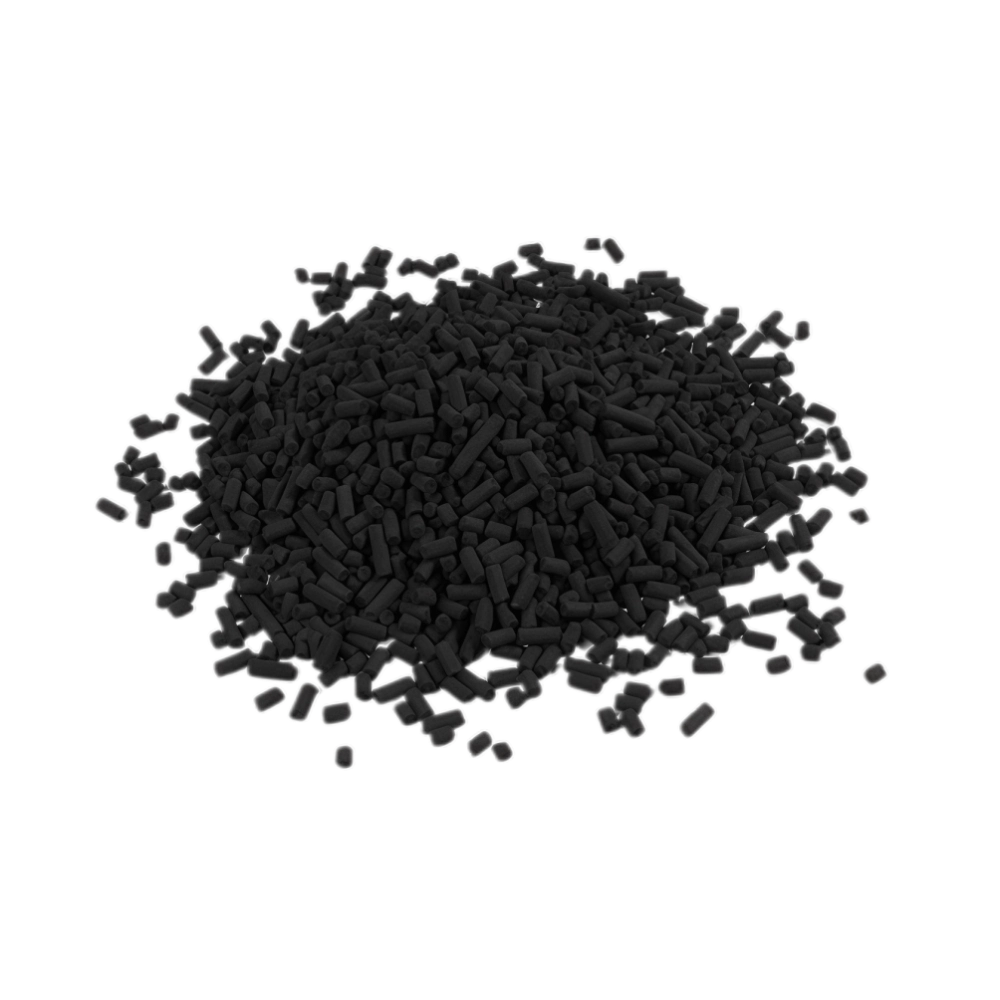
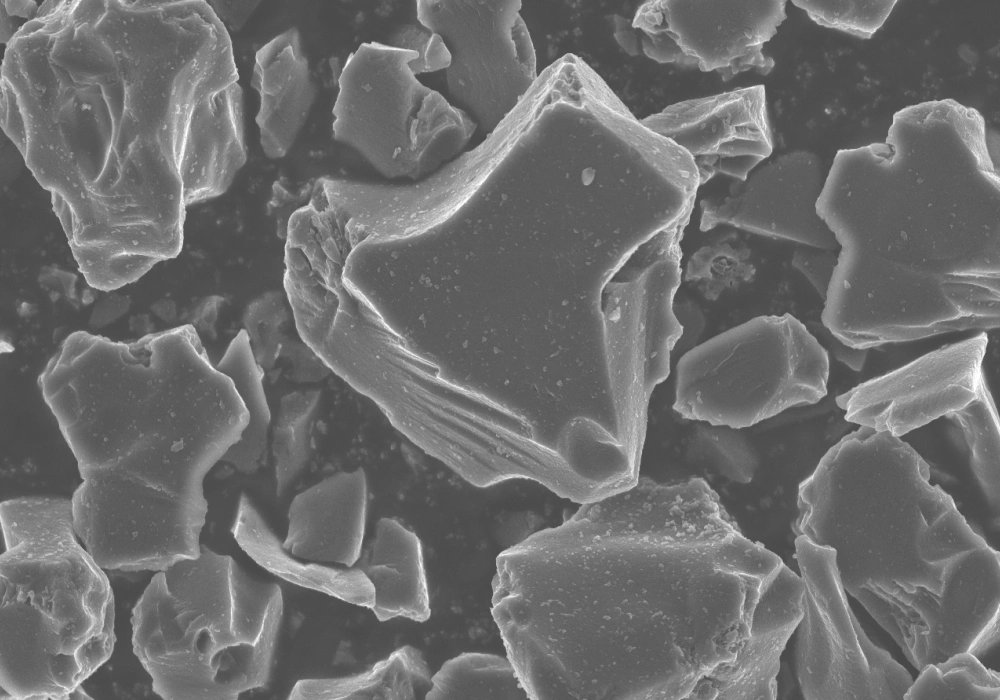
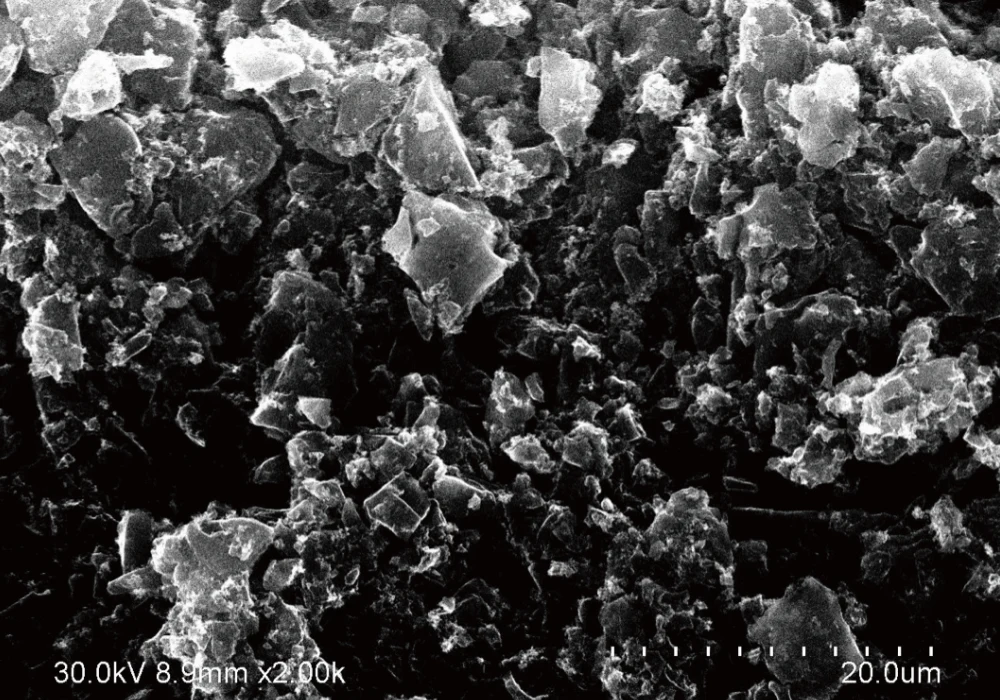
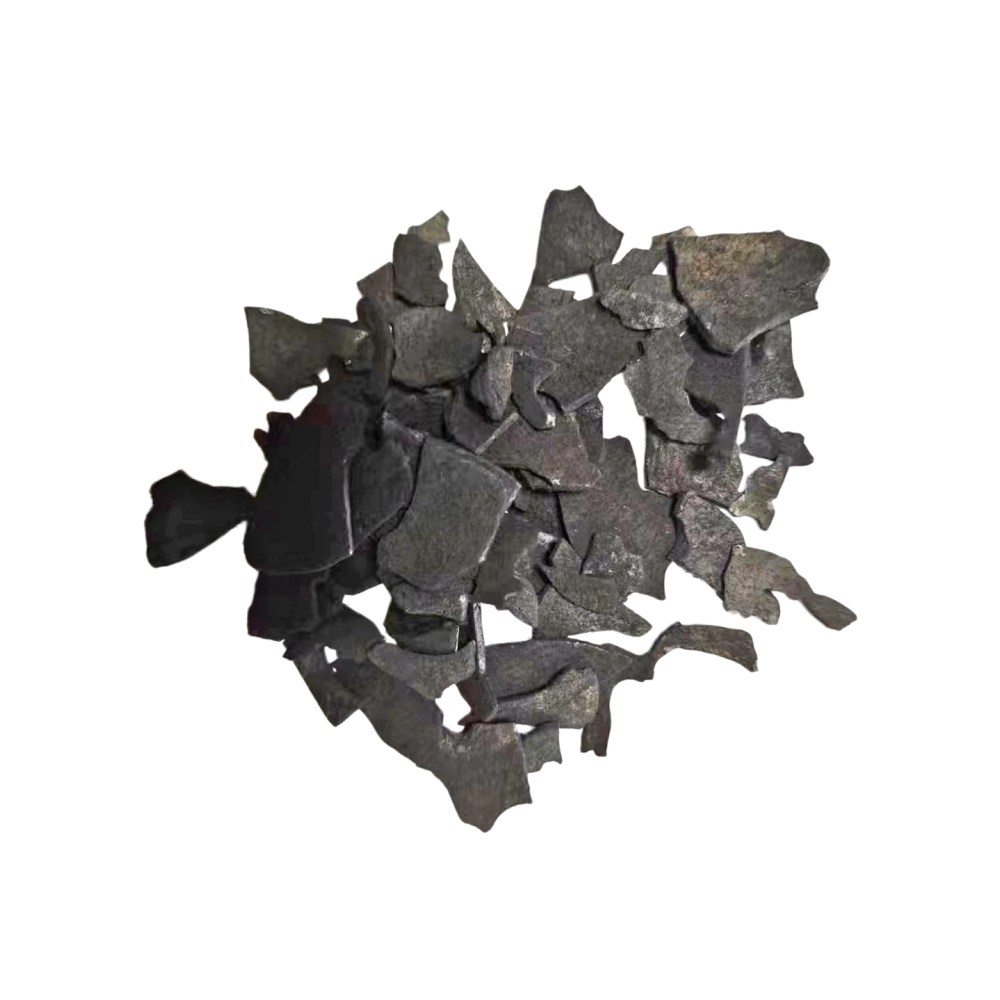
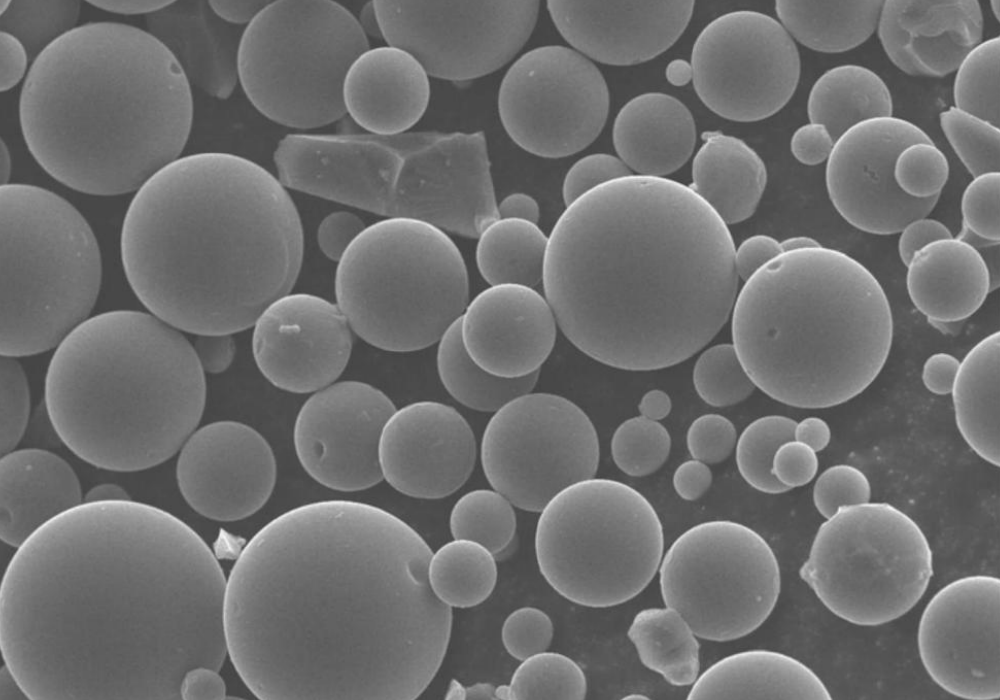
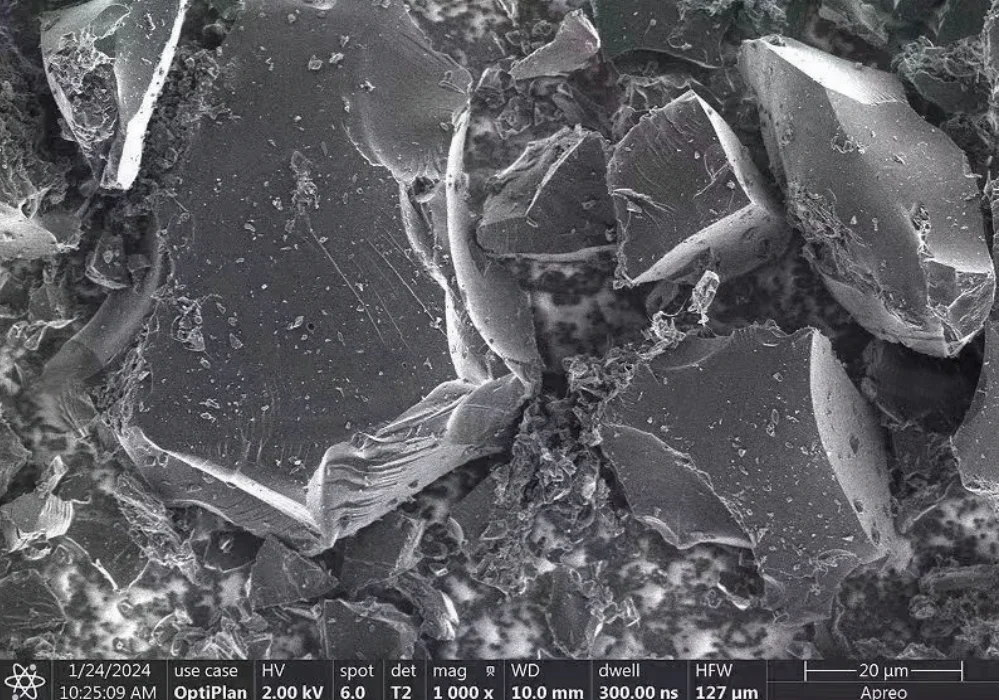
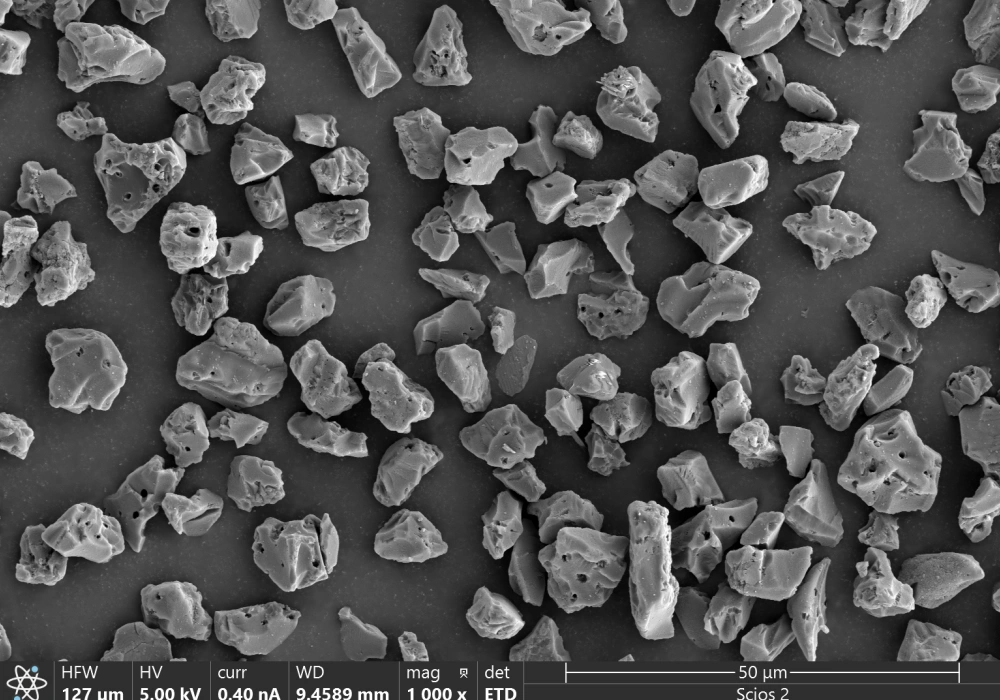
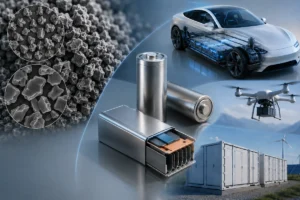
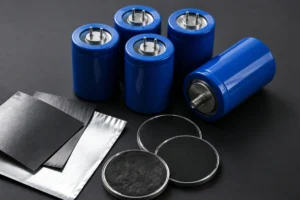
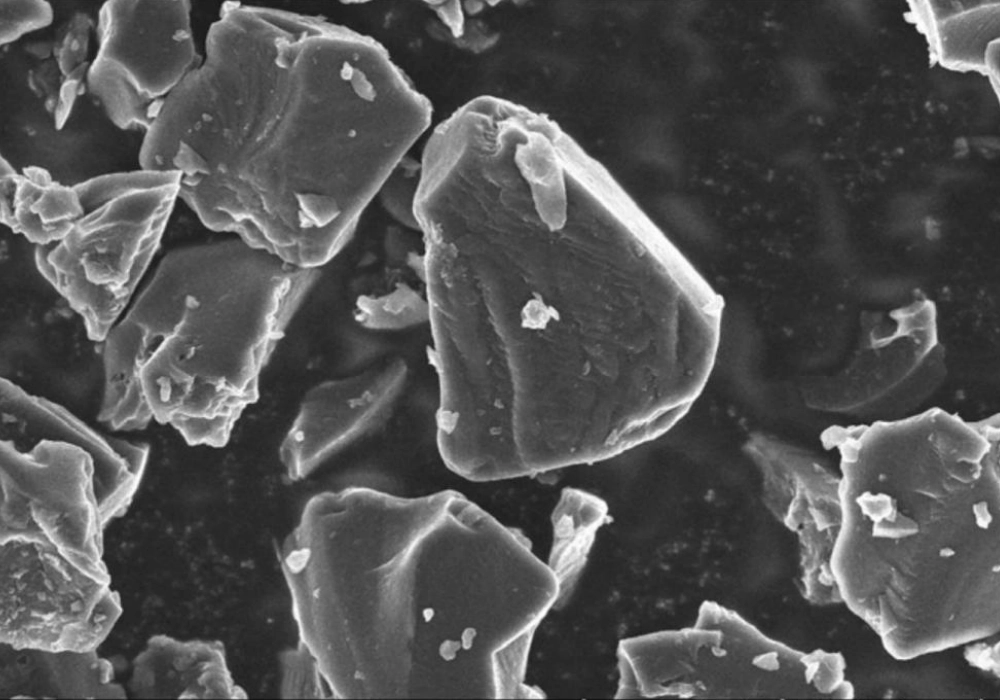
Disordered carbon anode material engineered for sodium-ion batteries and lithium-ion hybrid capacitors. The turbostratic structure provides abundant nano-pores and defect sites that accommodate the larger Na⁺ ion, delivering high specific capacity with excellent rate performance and low-temperature resilience. Minimal volume change during cycling preserves electrode integrity over thousands of charge-discharge events. Precursors include glucose, starch, cellulose, and phenolic resin options.
Key application areas
- Sodium-ion battery anodes (Na-ion cells)
- Lithium-ion supercapacitors (hybrid capacitors)
- Power batteries and start-stop power supplies
- Automotive start-stop systems
- Grid-scale storage batteries
Key features
- Excellent sodium storage performance: this is the most core advantage ofhard carbon. Its disordered structure and nano-pores provide abundantintercalation/adsorption sites and diffusion channels for sodium ions (Na+)with larger radii, making it the preferred anode material for sodium-ionbatteries.
- Higher specific capacity: the theoretical specific capacity of hard carboncan reach 300-350 mAh/g, which is higher than the theoretical capacity ofgraphite anode in lithium batteries [372 mAh/g).Good rate performance: the diffusion resistance of sodium ions in the openstructure of hard carbon is relatively small, so the charging and discharg-ing speed can be very fast.
- Long cycle life: during the charging and discharging process, the volumechange of the hard carbon structure is very small, so the cycle stability isvery good.
- Rich sources of raw materials: precursors can be biomass such asglucose, starch, cellulose, or polymers like phenolic resin. They have a widerange of sources, relatively low costs, and are environmentally friendly.