
































Lithium Battery Materials
Activated Carbon for Lithium-Ion Battery Anode Materials
Where the battery industry's demand has shifted from availability to consistency.
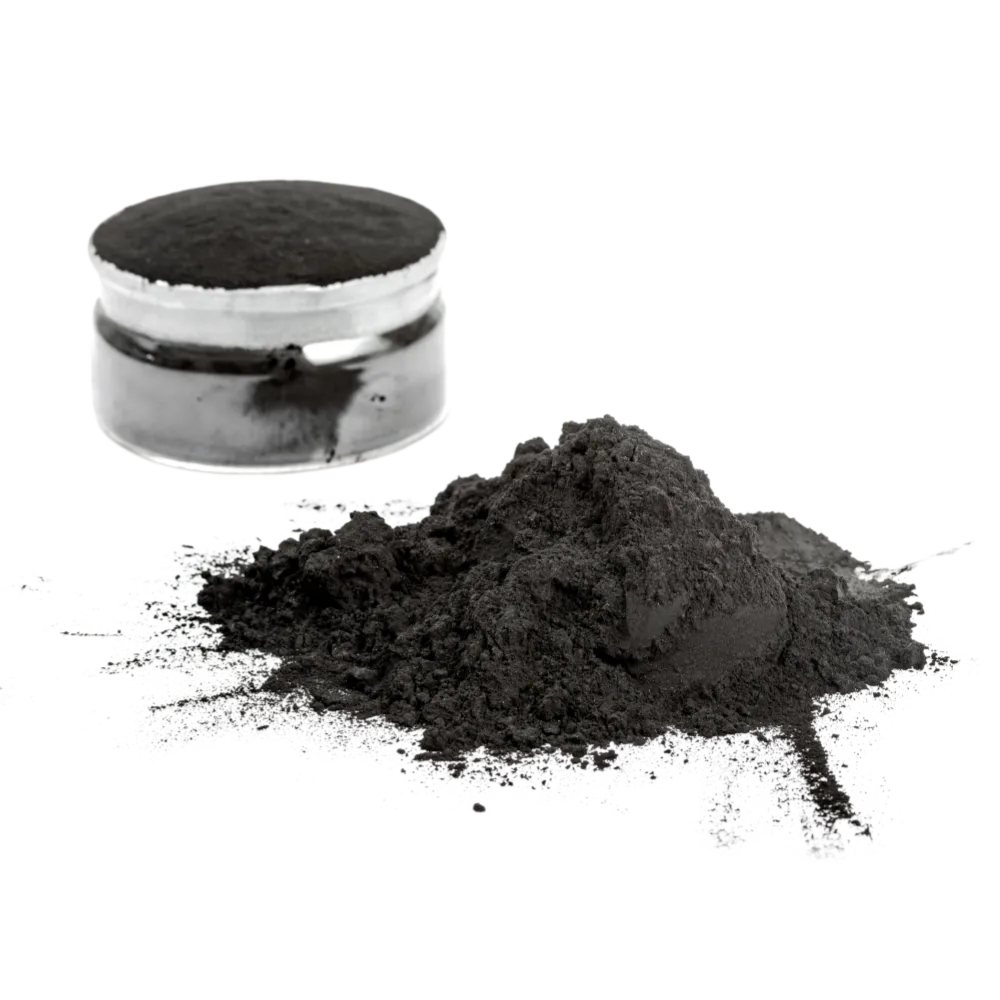
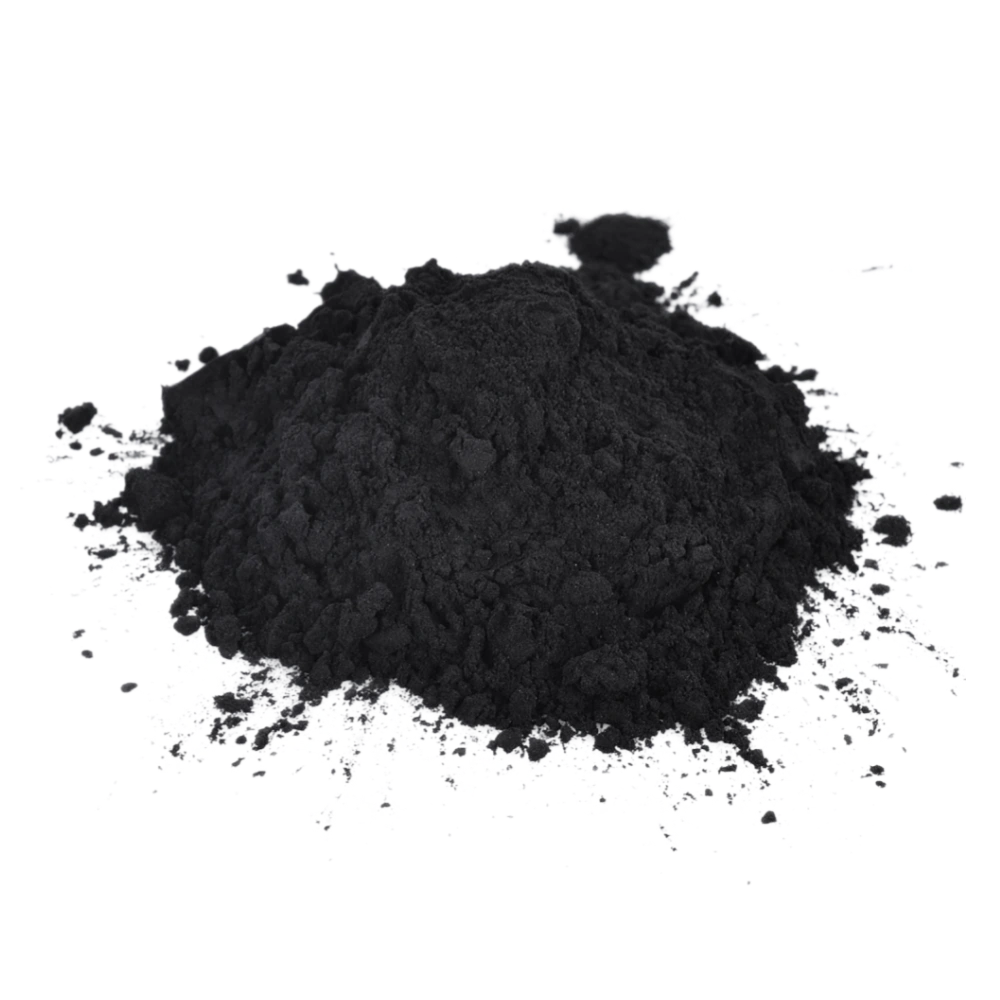
Silicon-carbon composite anodes are the only commercially viable path to push lithium-ion energy density beyond 300 Wh/kg. Yet the carbon skeleton that carries the silicon is just as critical as the silicon itself. PureStar's porous carbon precursors function as the foundational architecture of the anode: they buffer the severe volume expansion during lithiation, maintain electronic and ionic pathways across thousands of cycles, and lock nano-silicon in place so it does not pulverize and detach.
The real risk is not whether the carbon works in the lab, but whether every batch performs identically on the production line. A gigafactory's annual capacity plan assumes material stability. If pore volume, particle size, or metal impurity fluctuates between batches, cell capacity fade curves diverge, cycle life scatters, and entire lots downgrade. This "consistency risk" is invisible until cells are assembled and tested—and by then, the cost is already sunk.
The Challenge & PureStar Approach
The core challenge is eliminating consistency risk through batch-level purity certification and morphology lock.
PureStar operates three distinct precursor platforms, each engineered for a different segment of the silicon-carbon market:
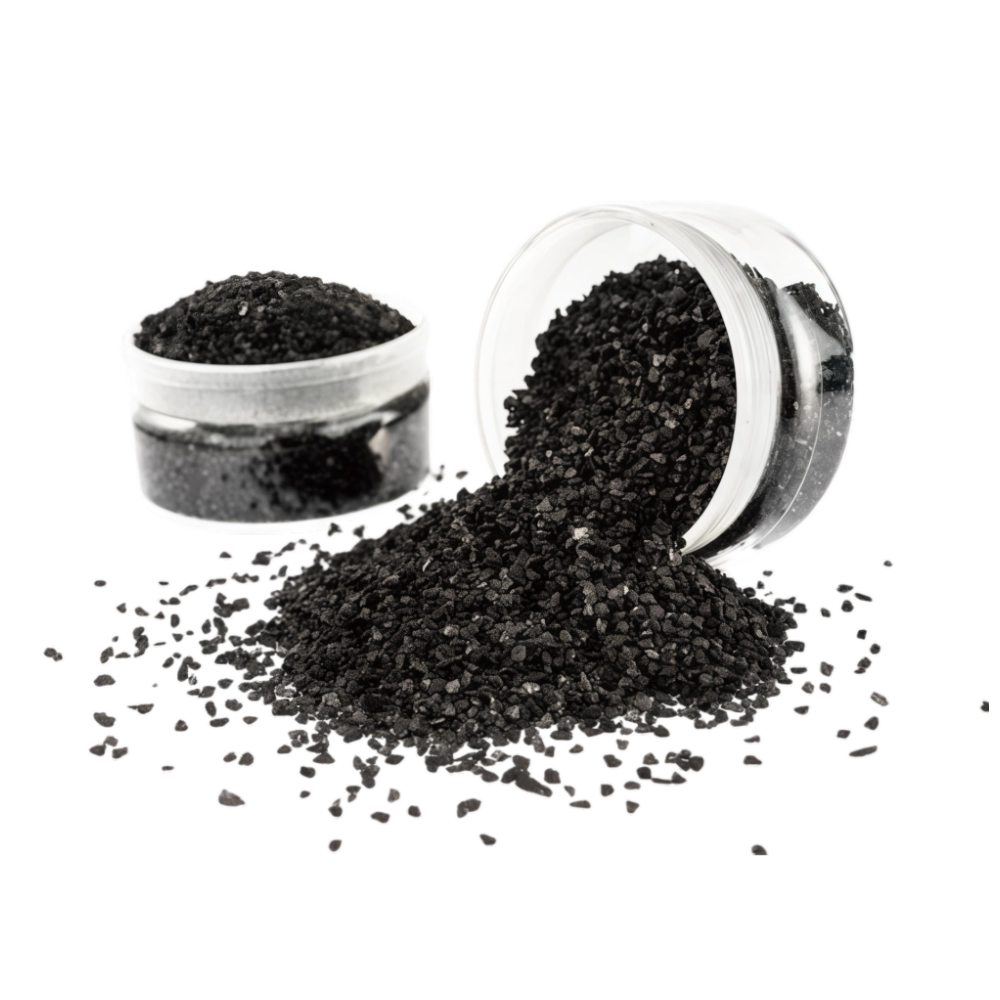
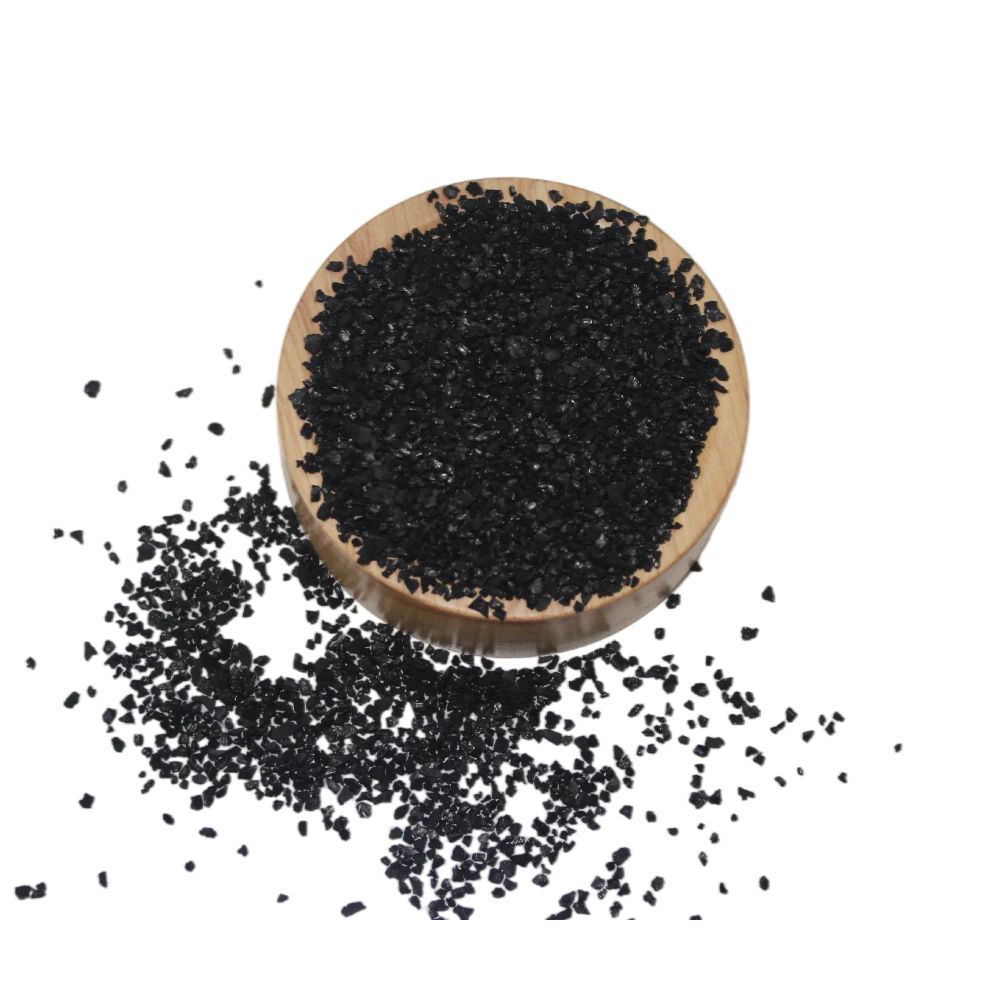
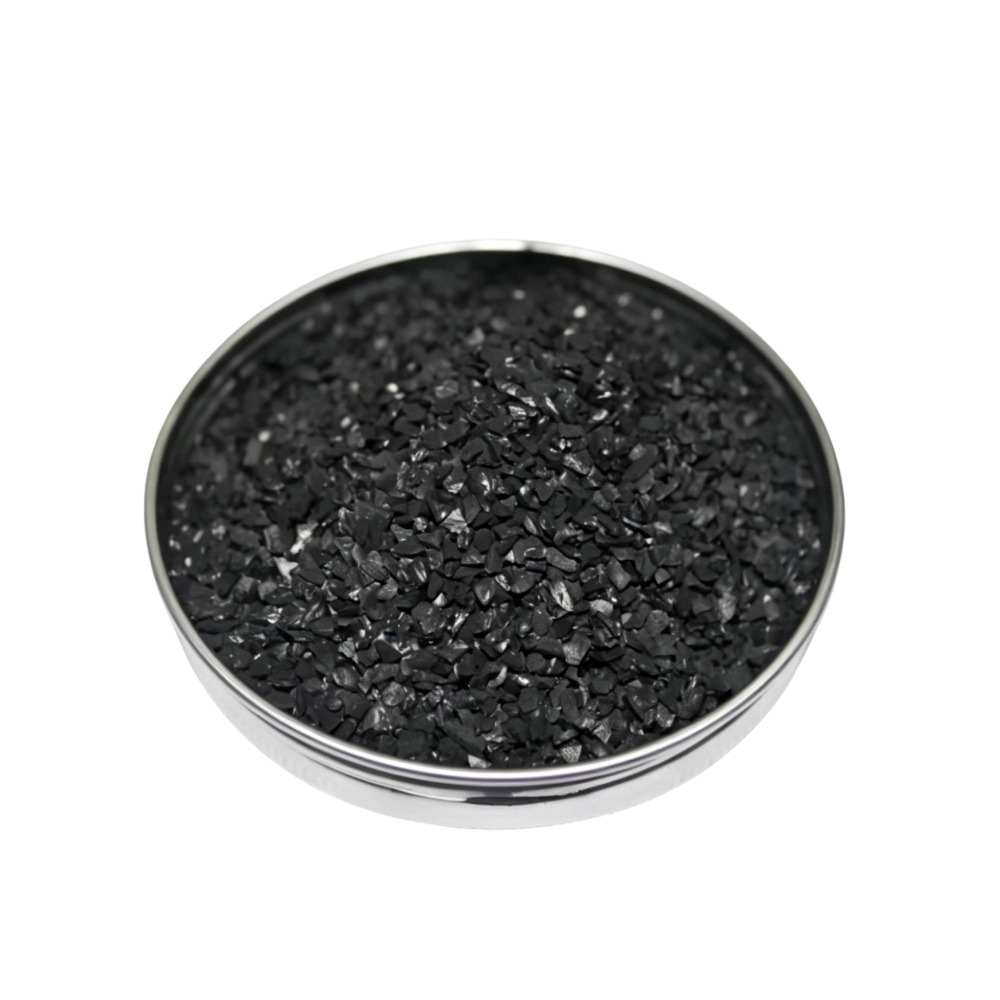
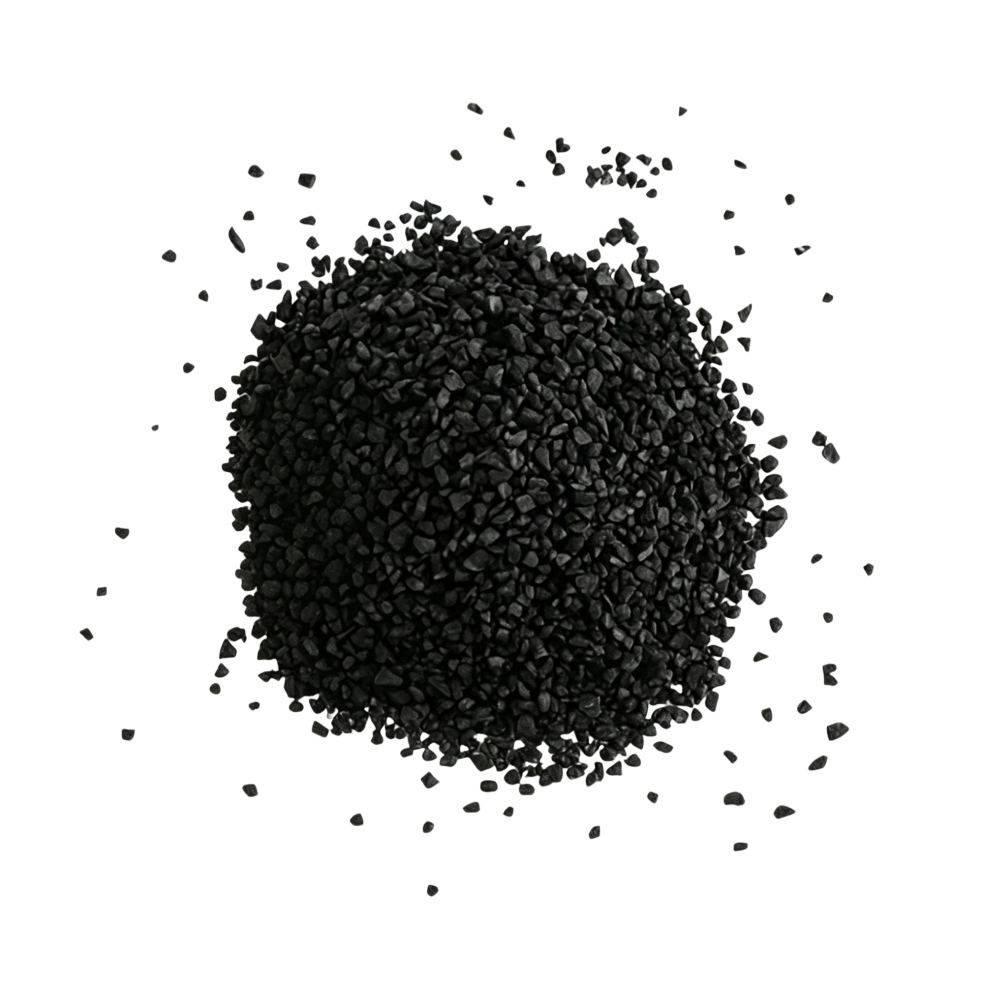
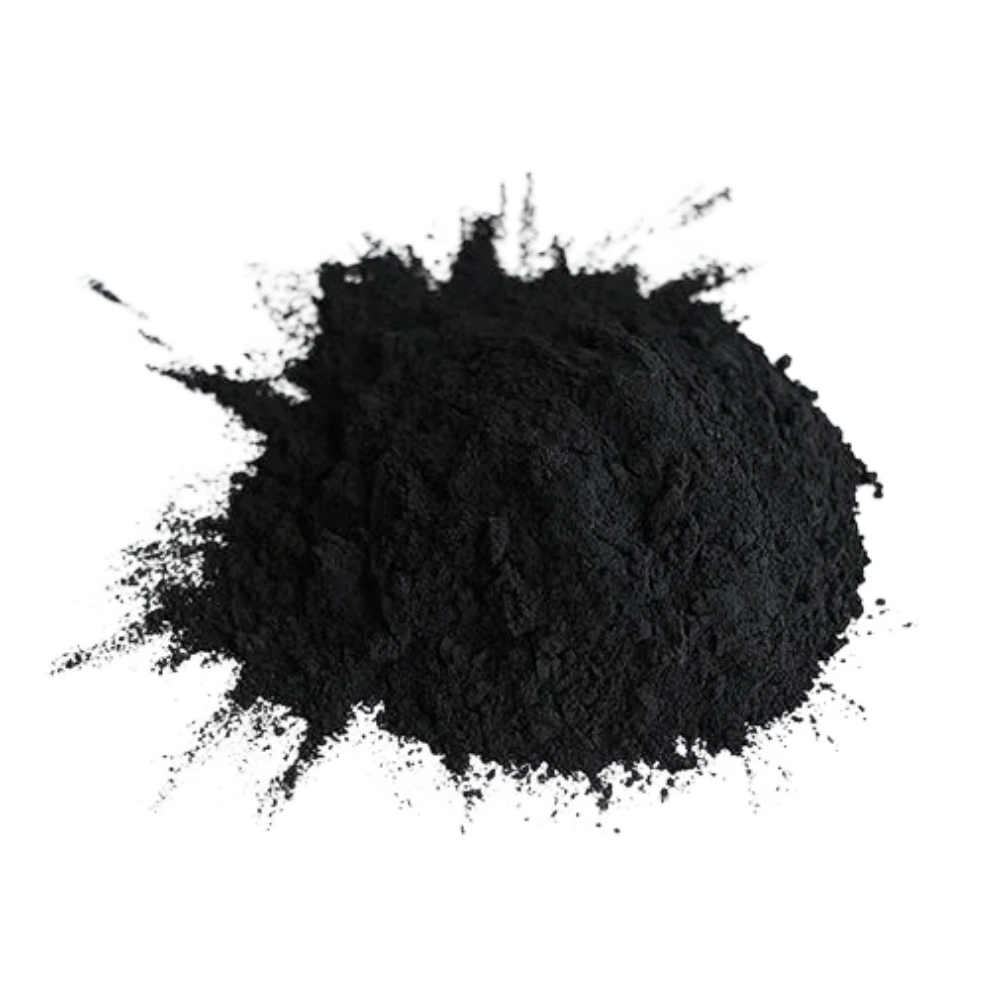
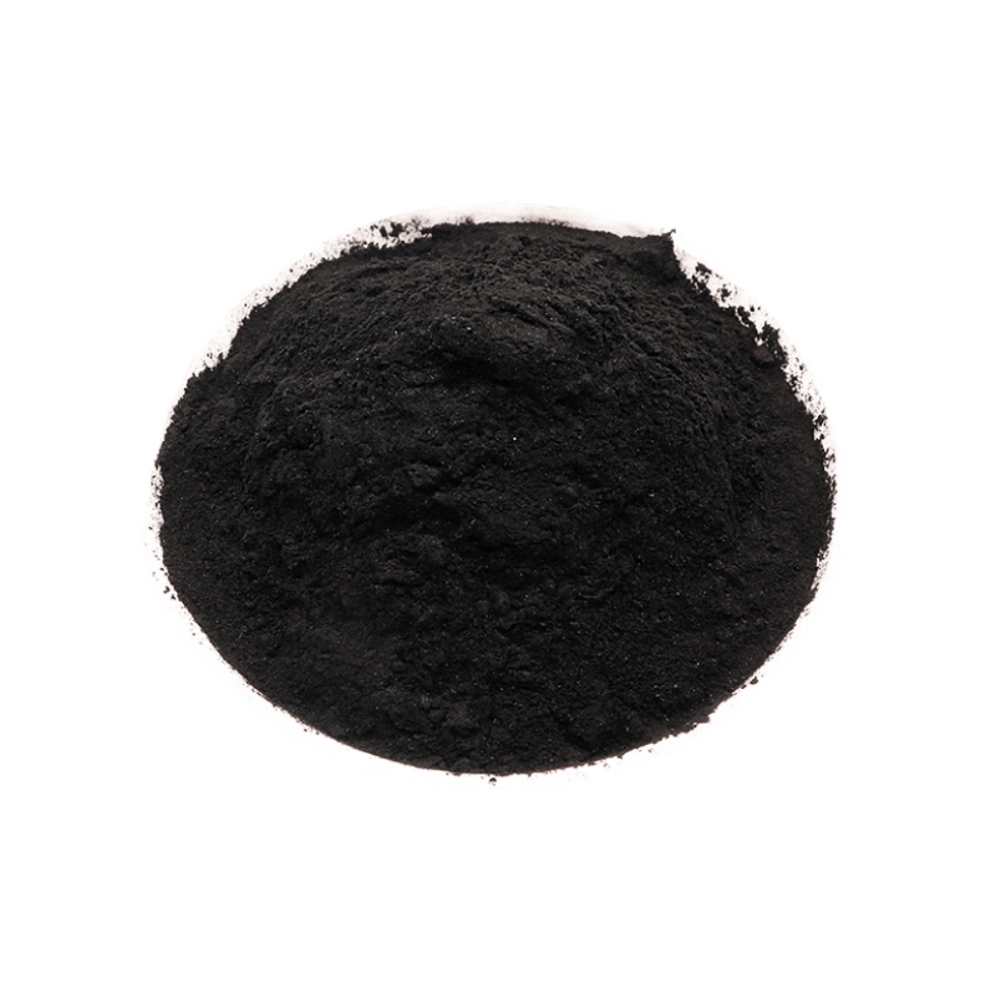
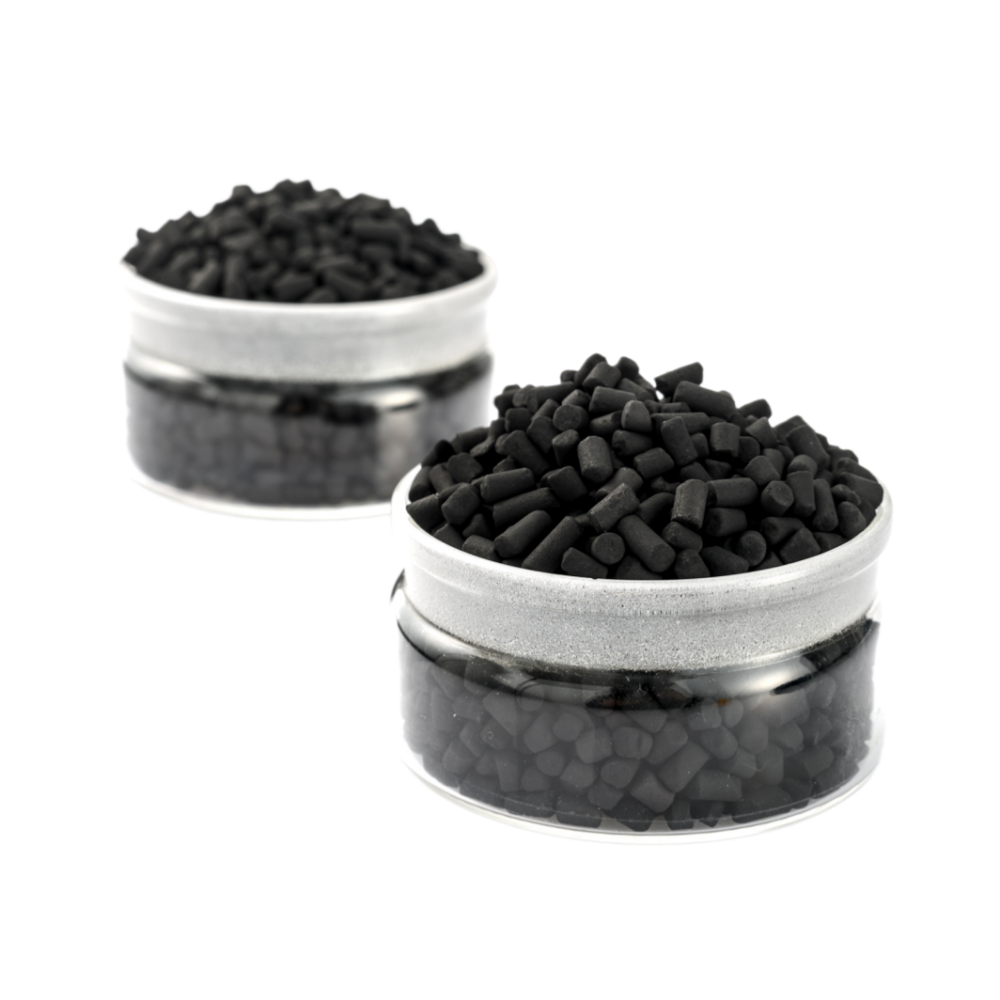
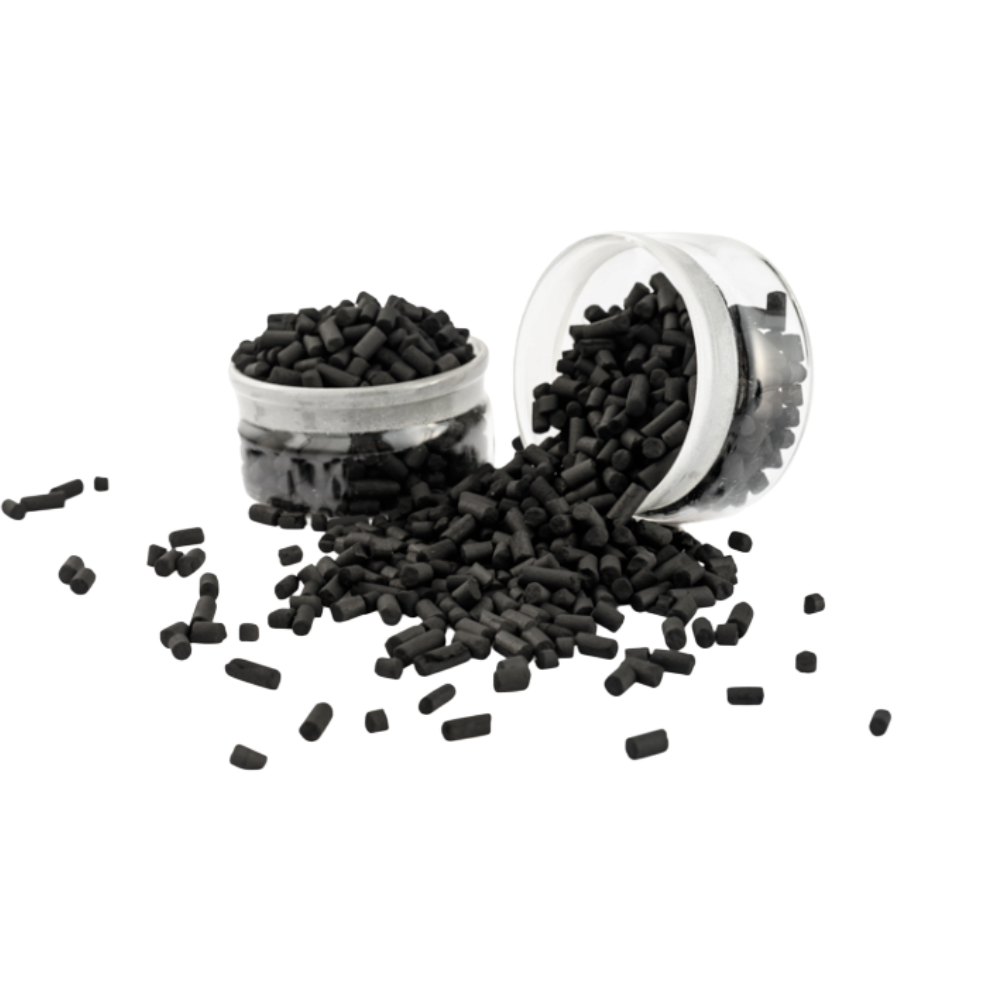
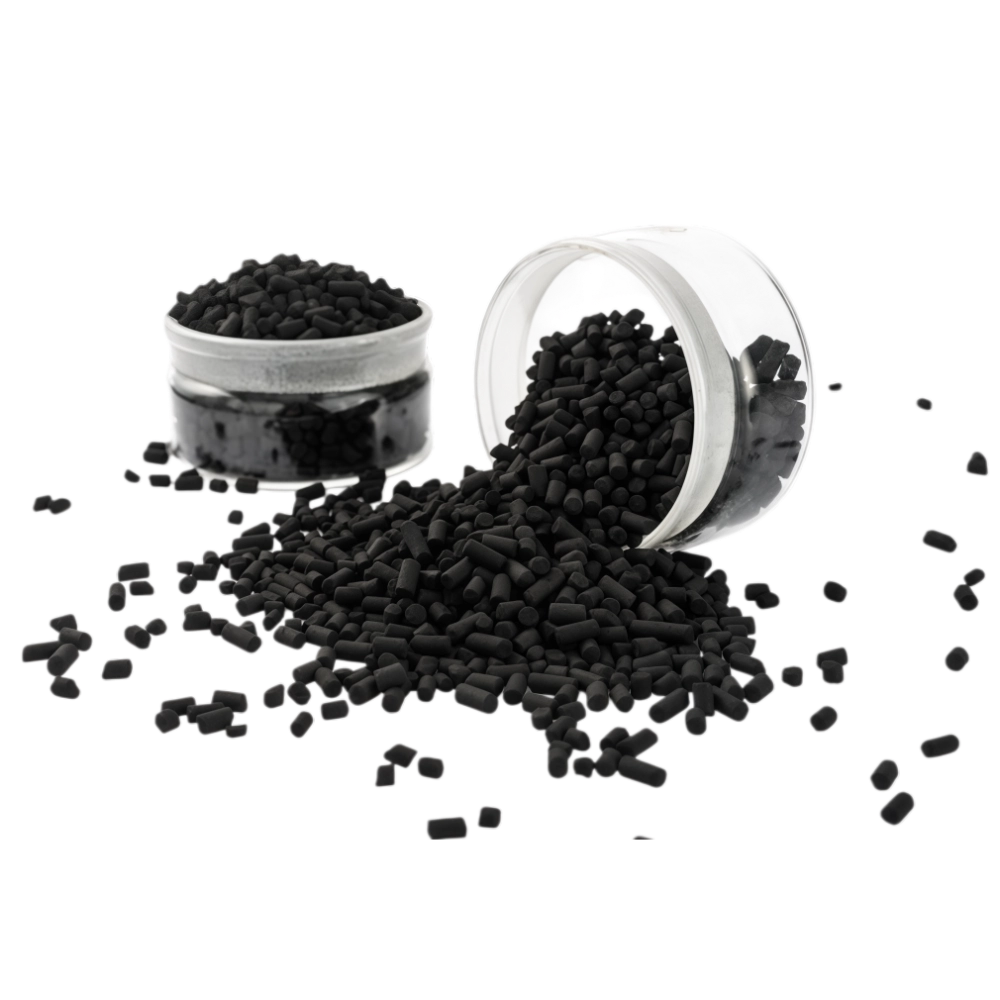
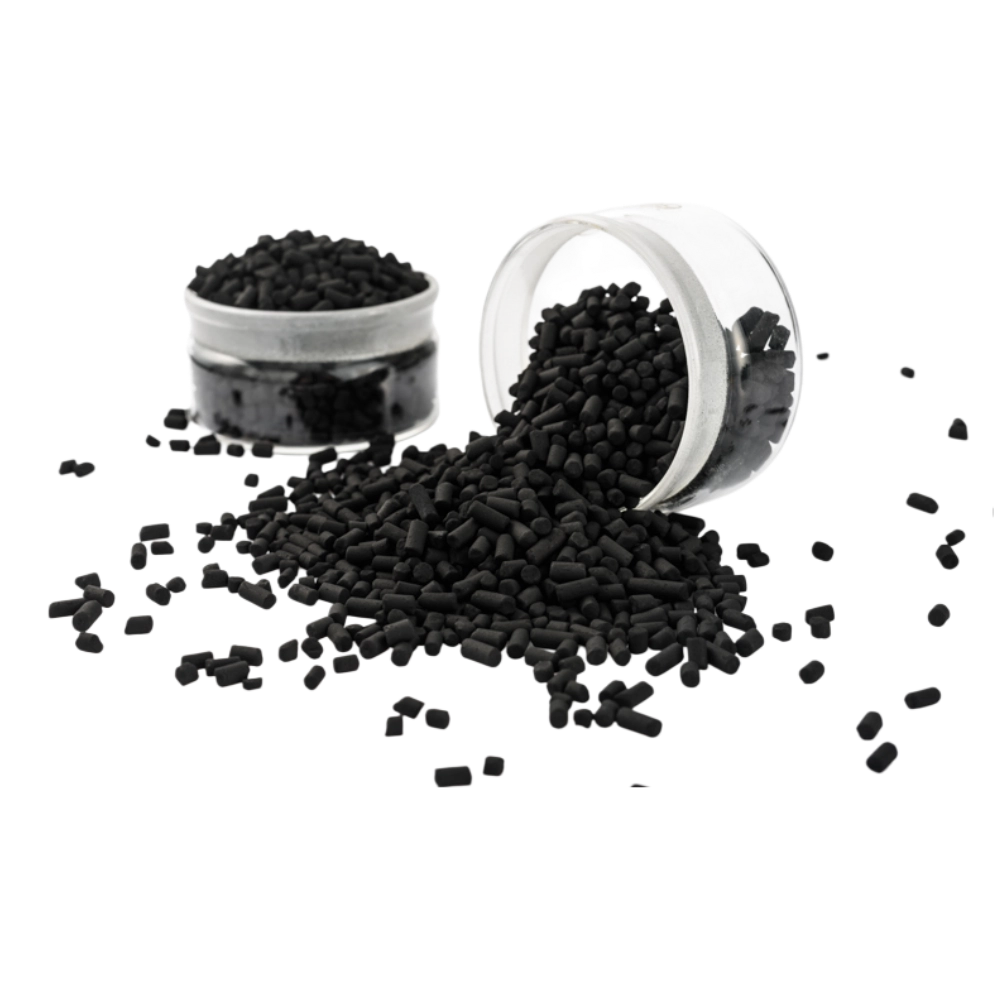
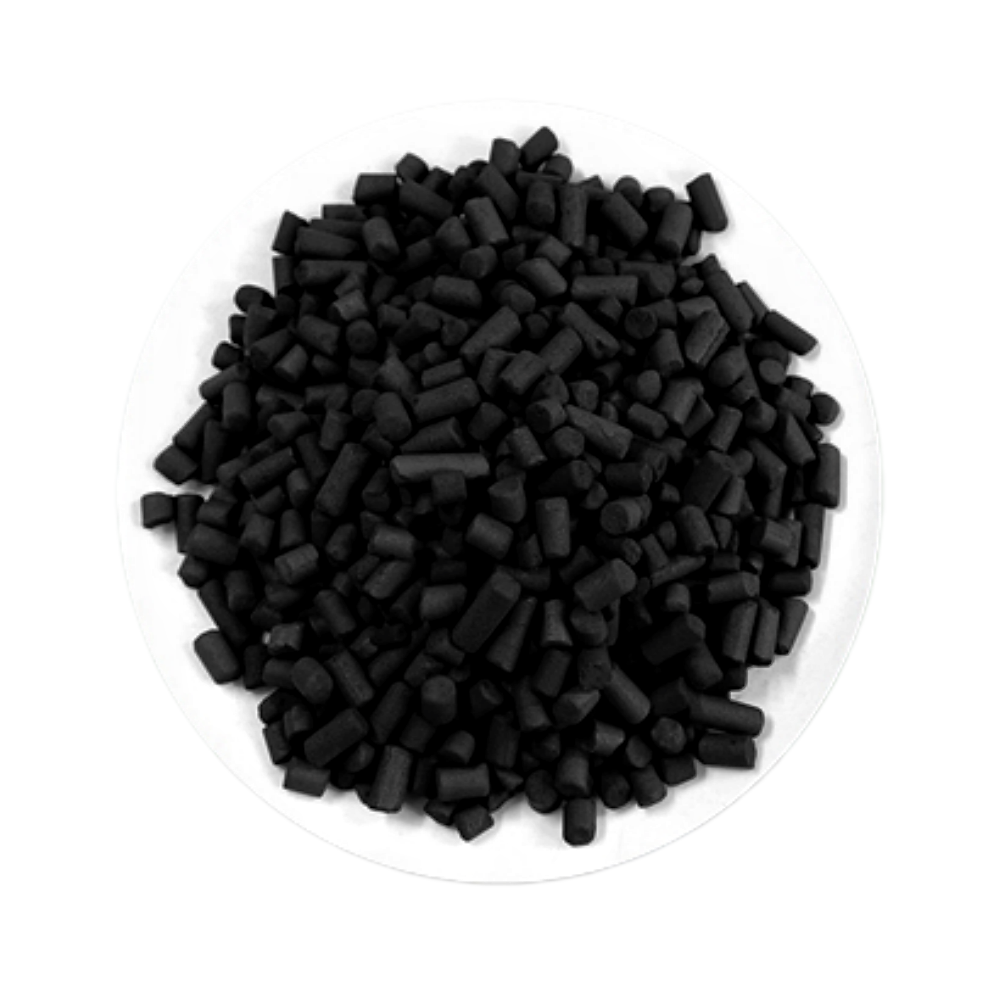
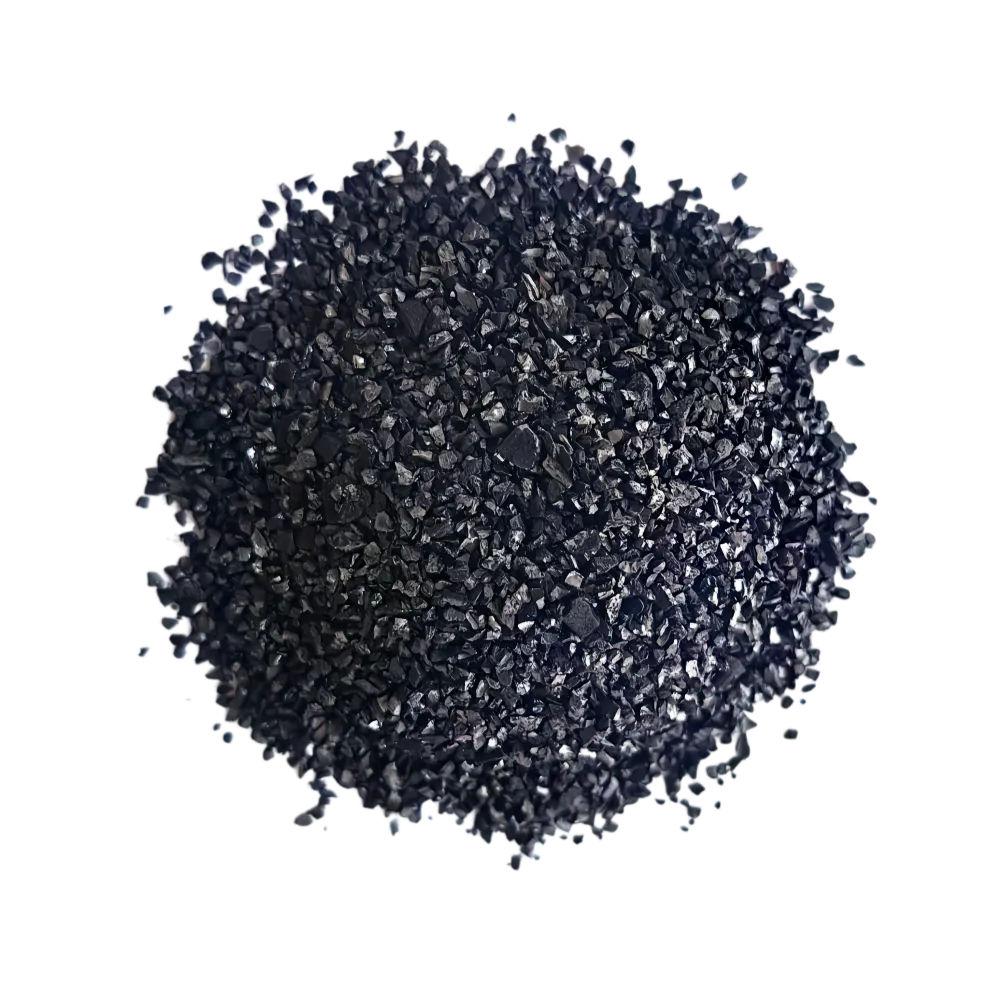
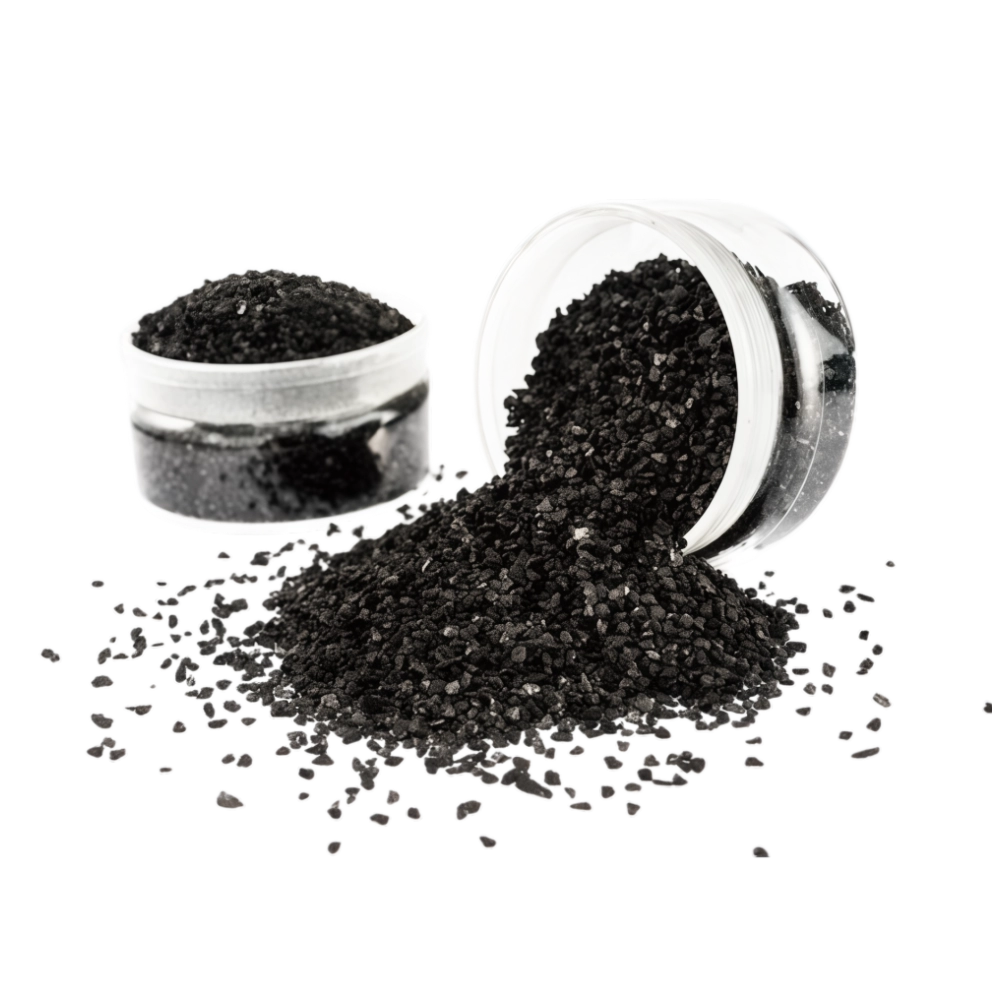
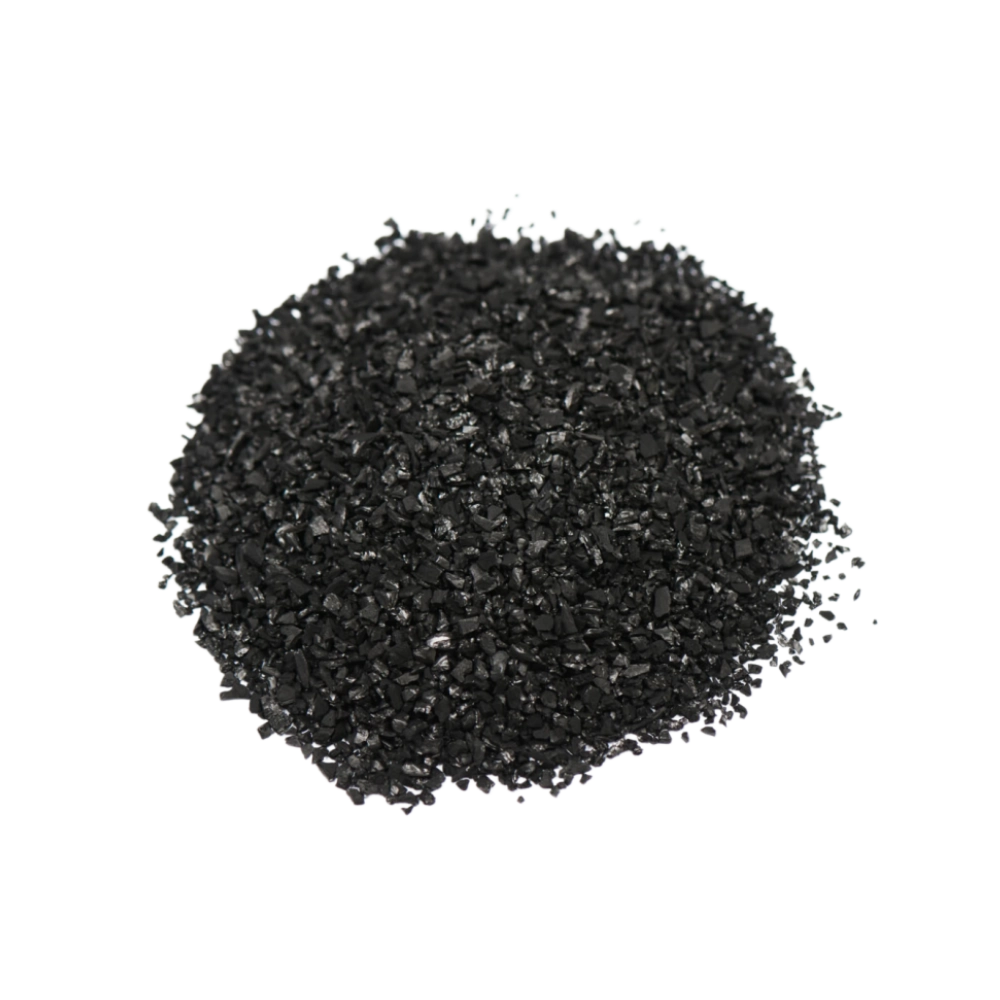
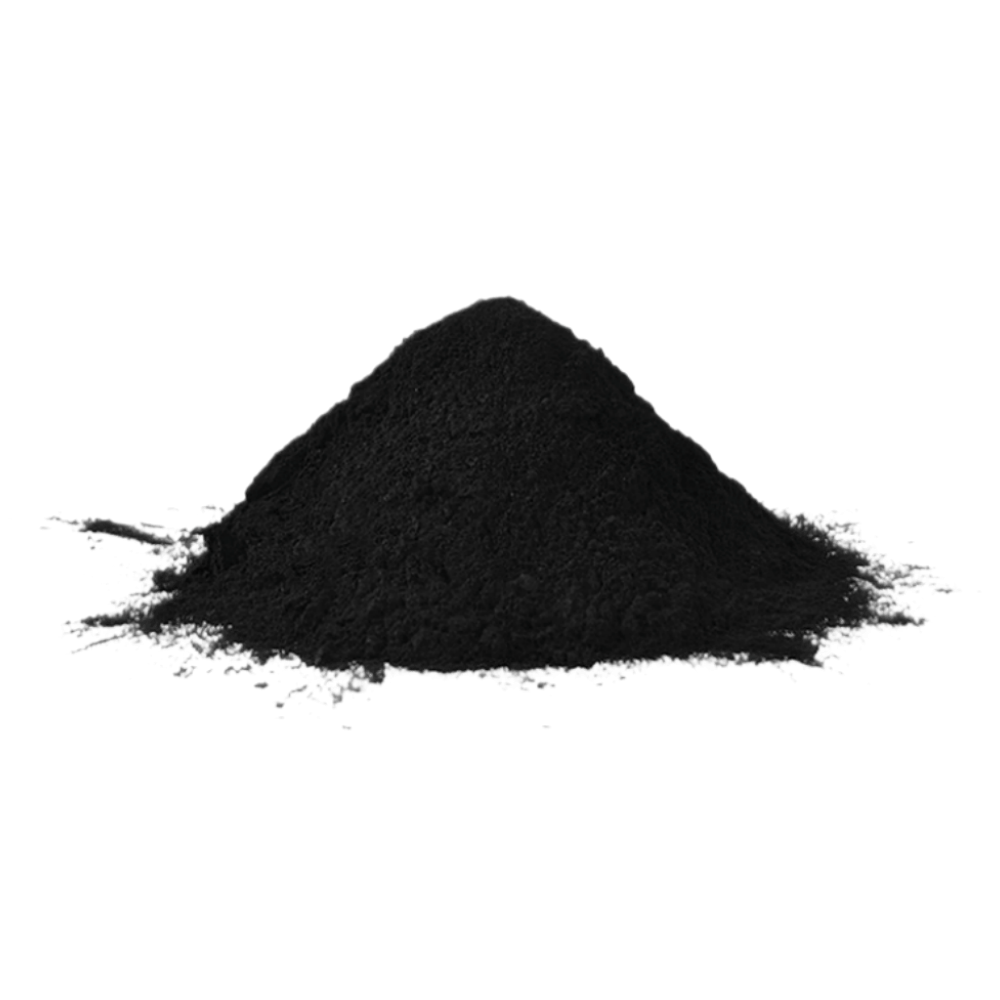
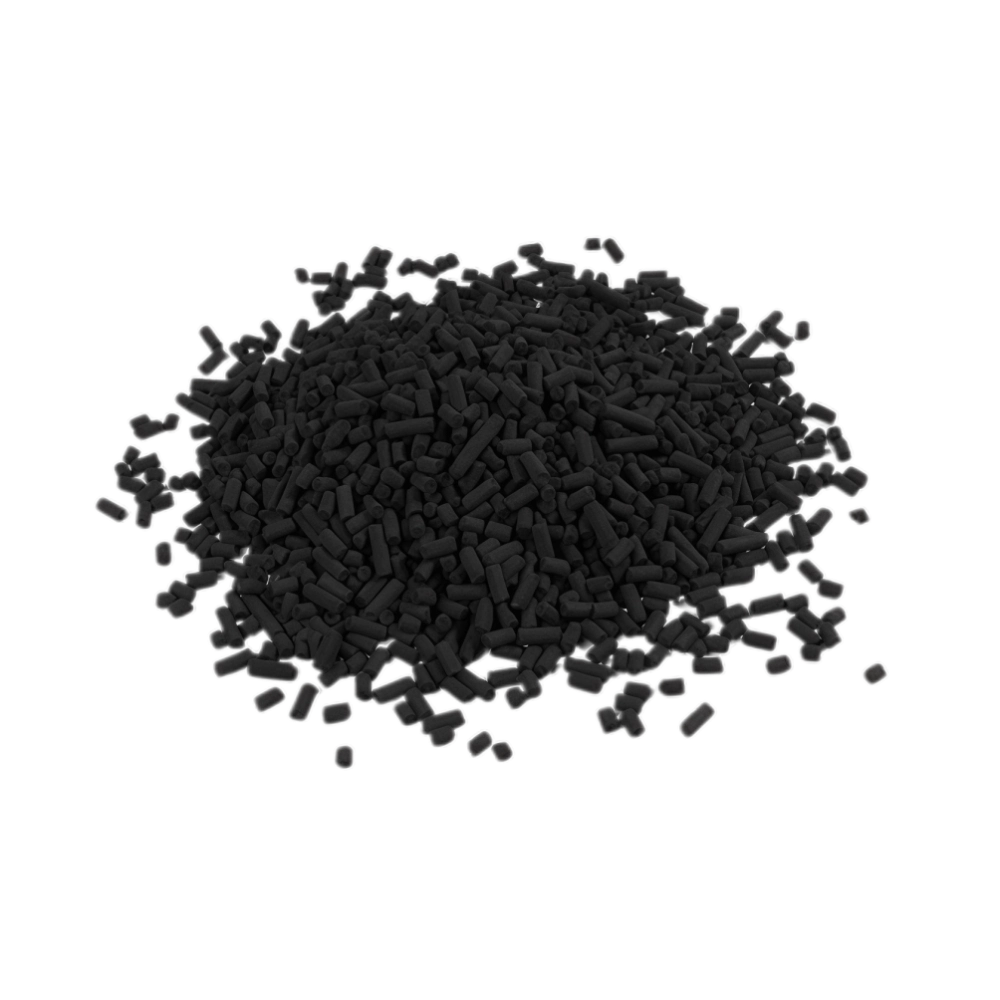
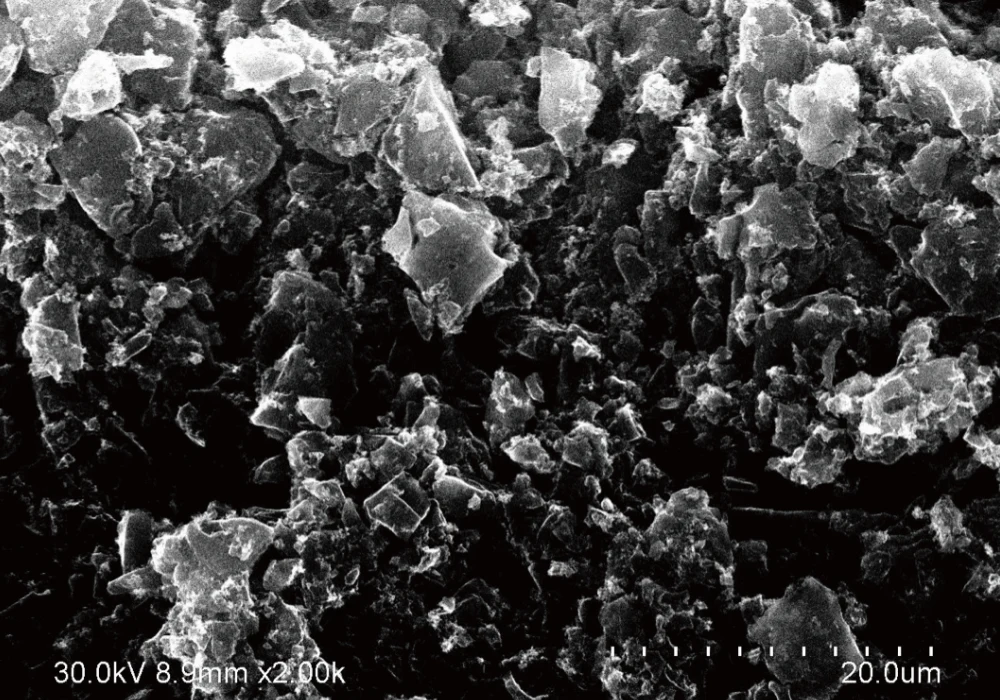
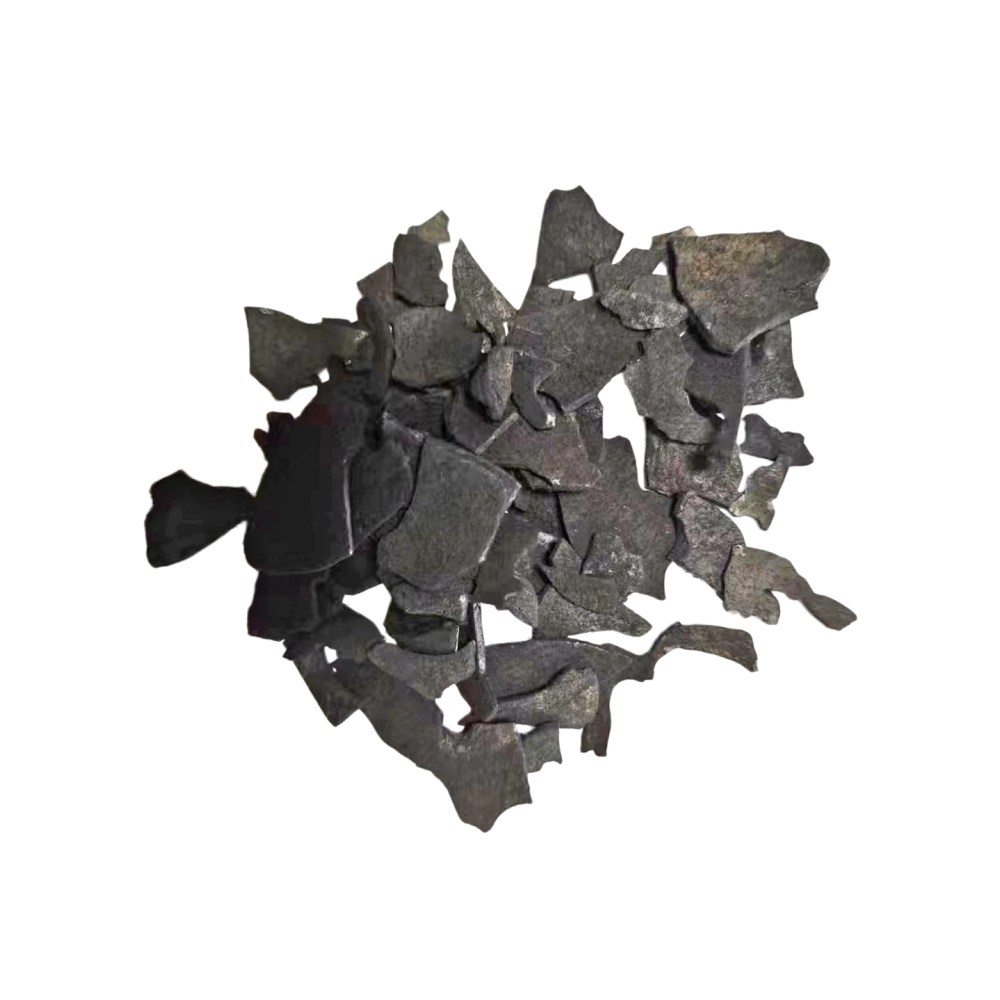
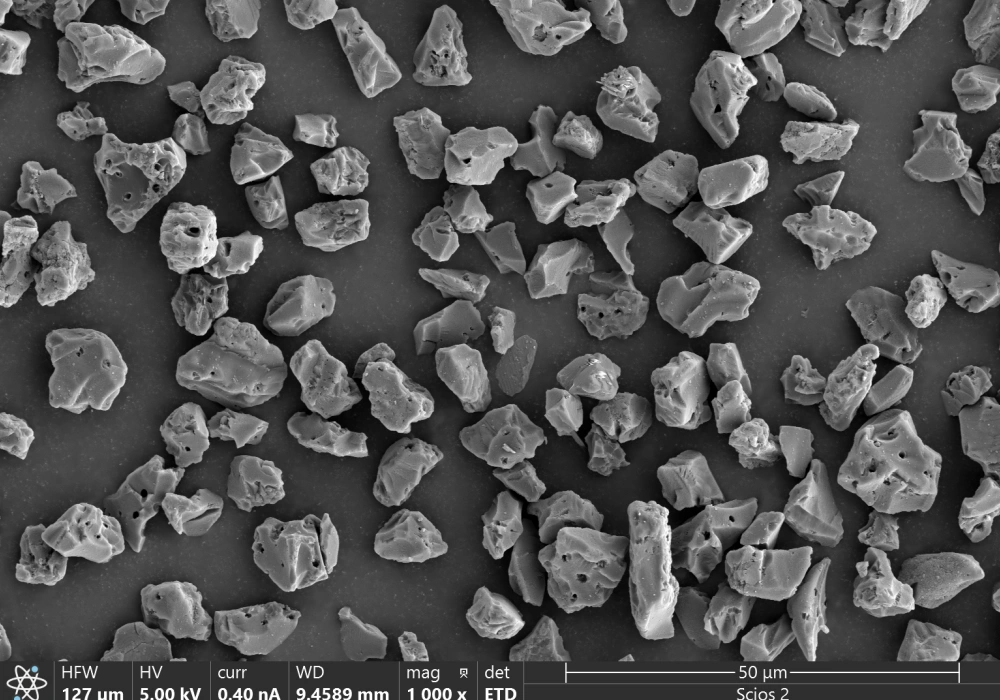
- Coconut-Shell Base (PAC Series) — Biomass-derived, steam-activated, and specially acid-washed. The natural micropore structure of coconut shell provides abundant void space for silicon expansion. Ideal for cost-sensitive applications where renewable feedstock credentials matter.
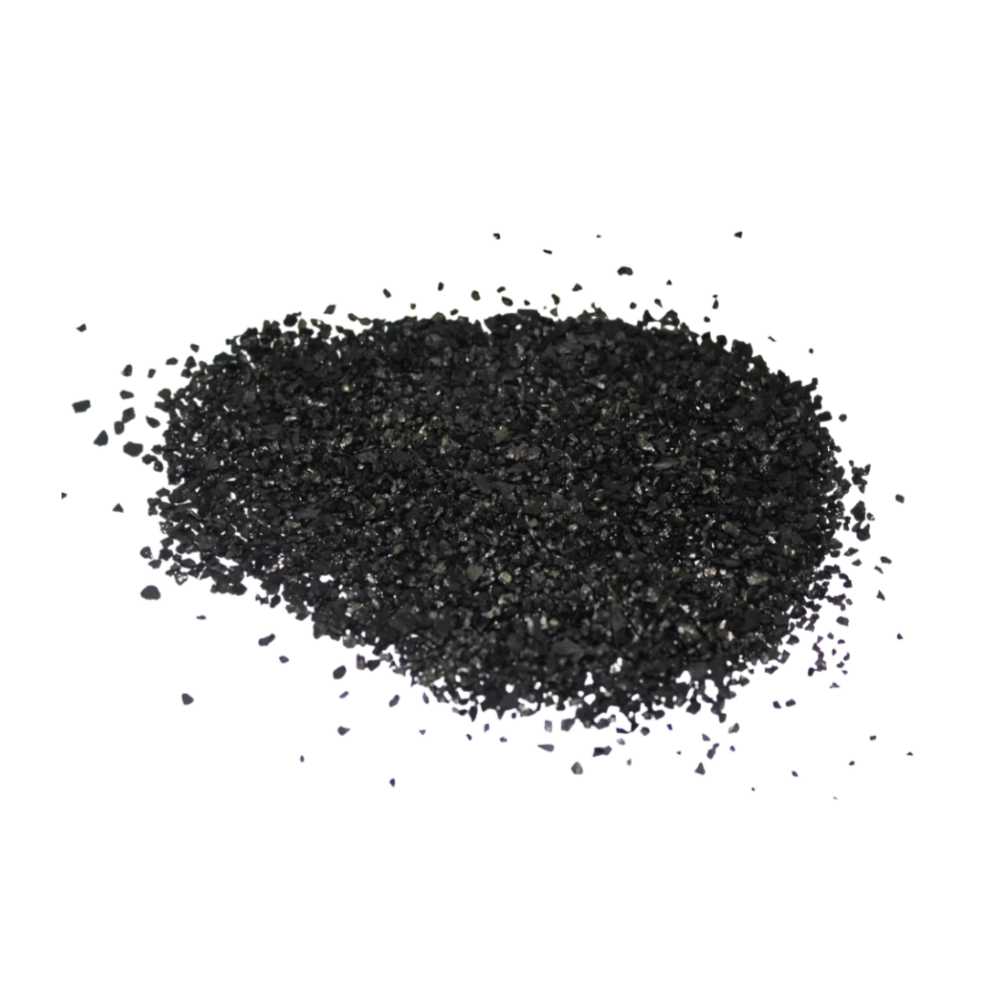
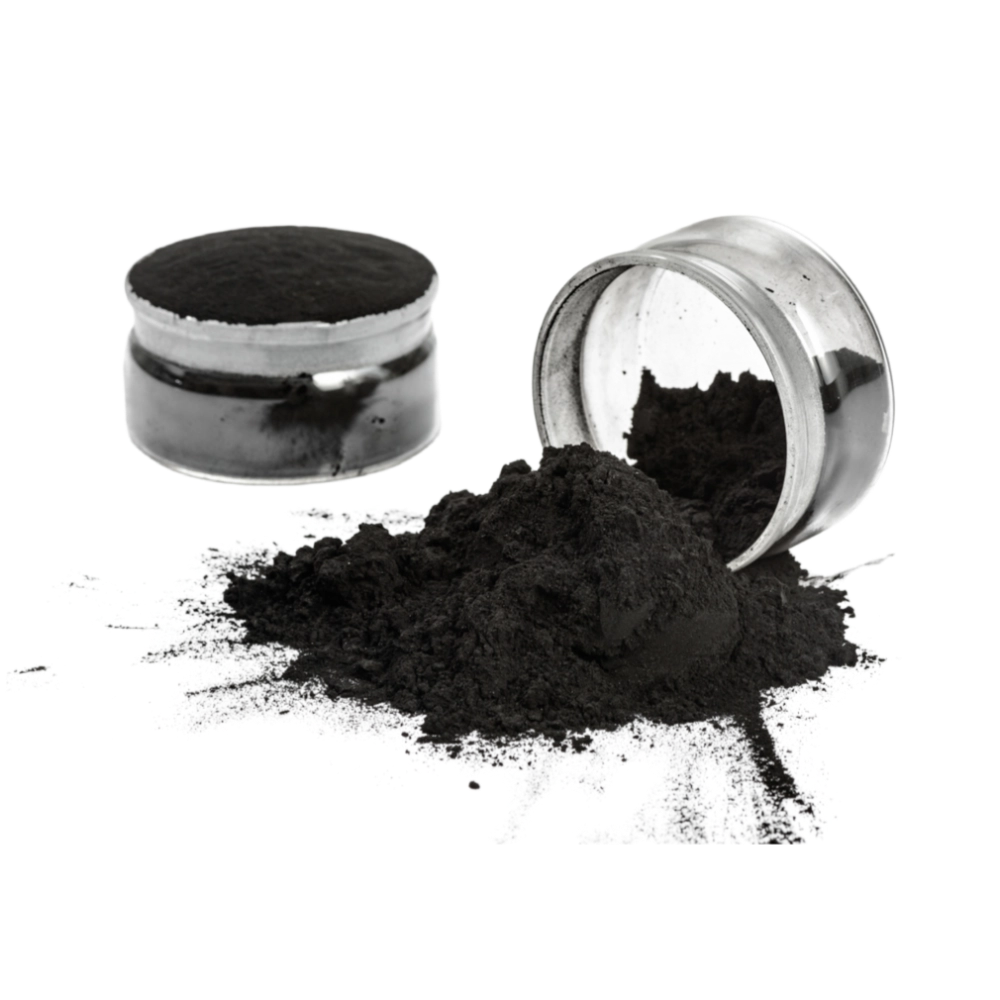
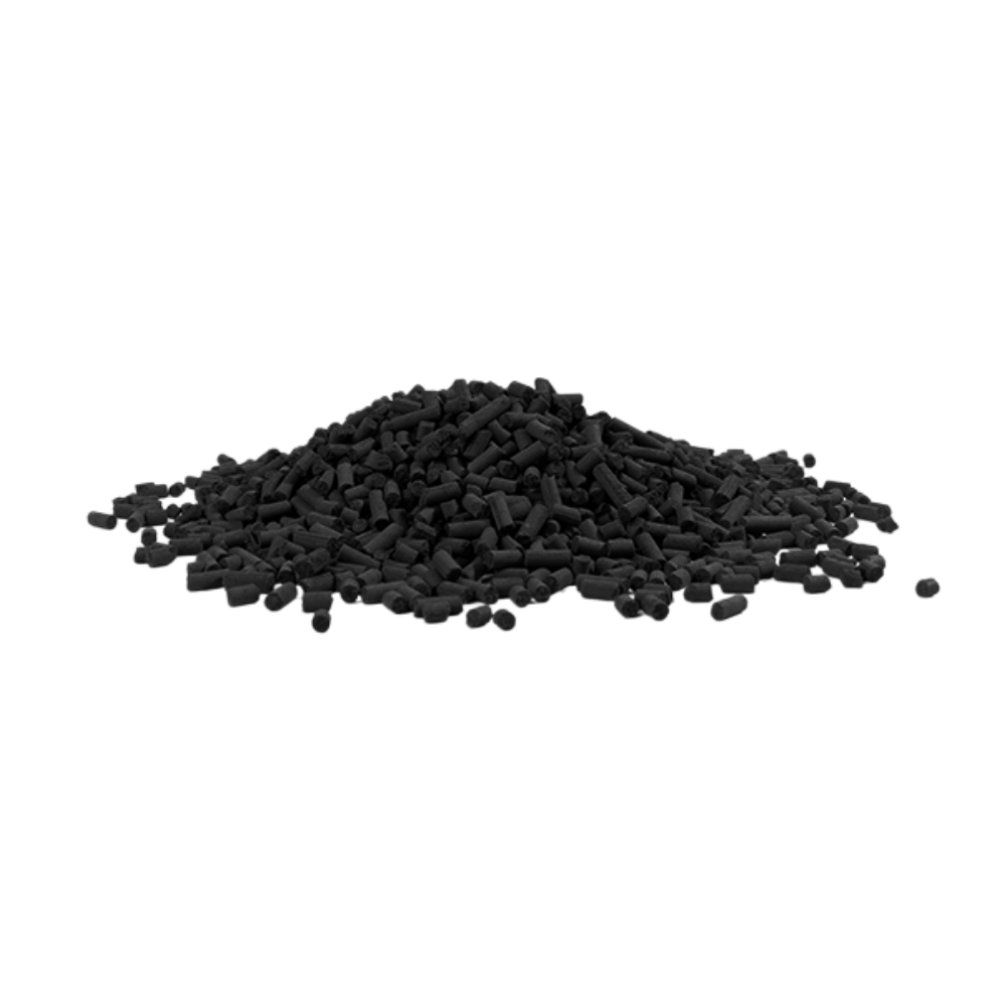
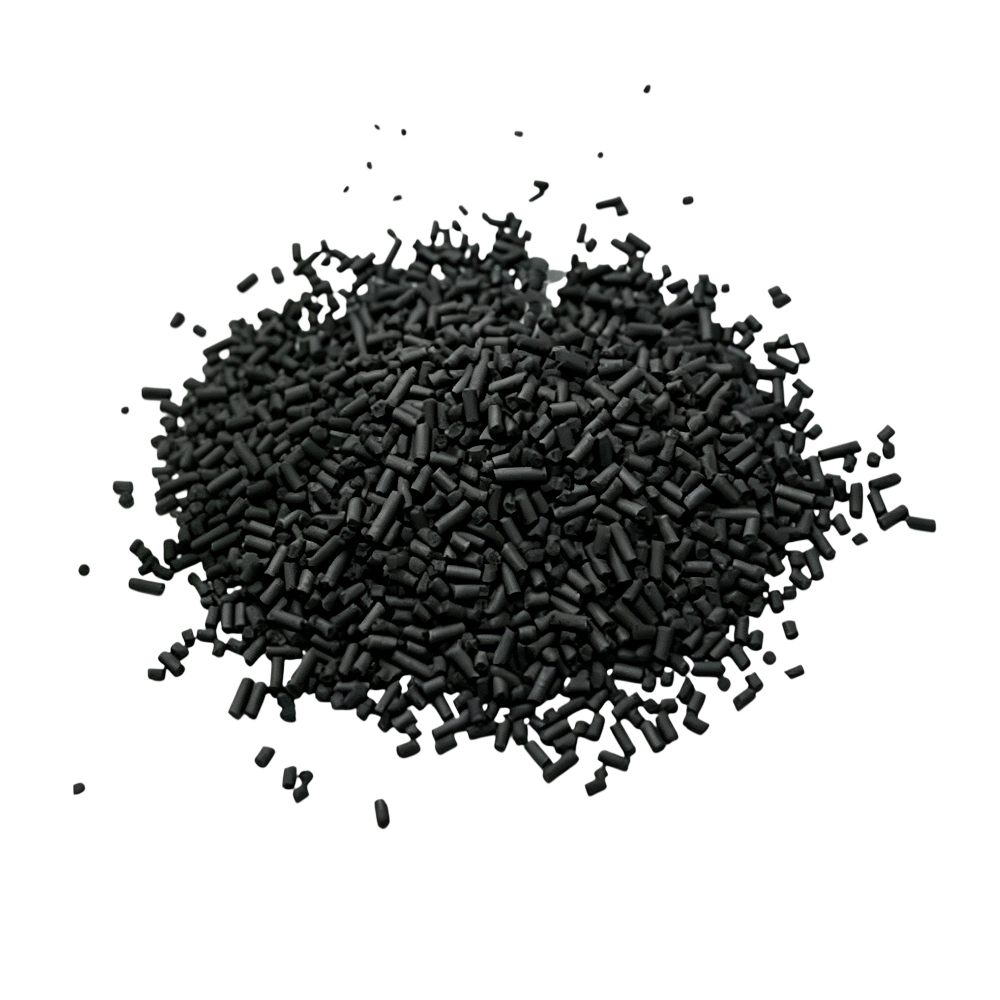
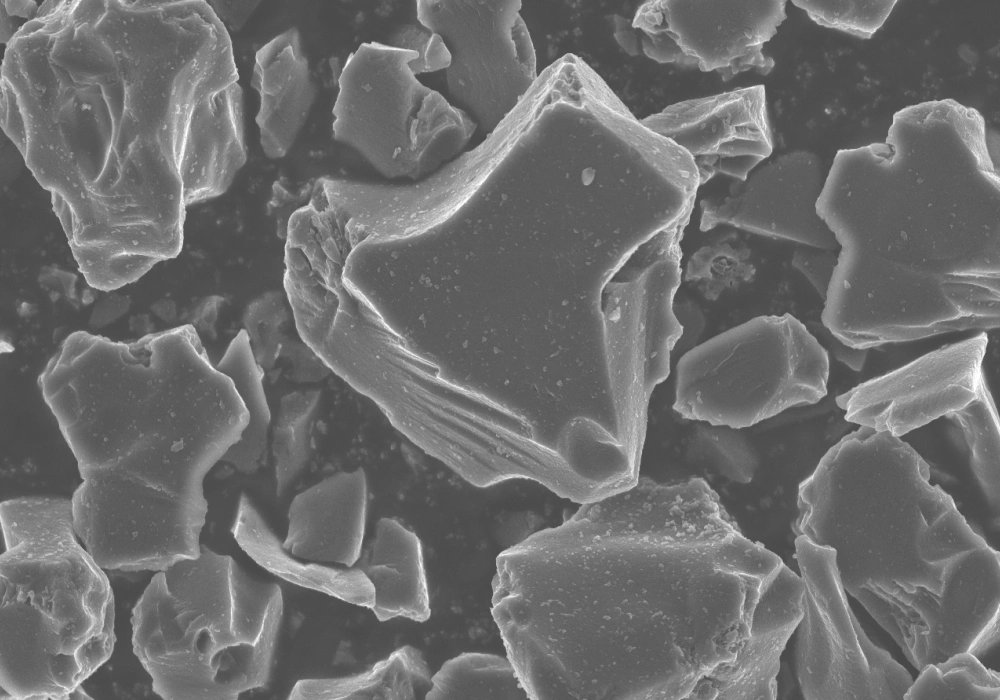
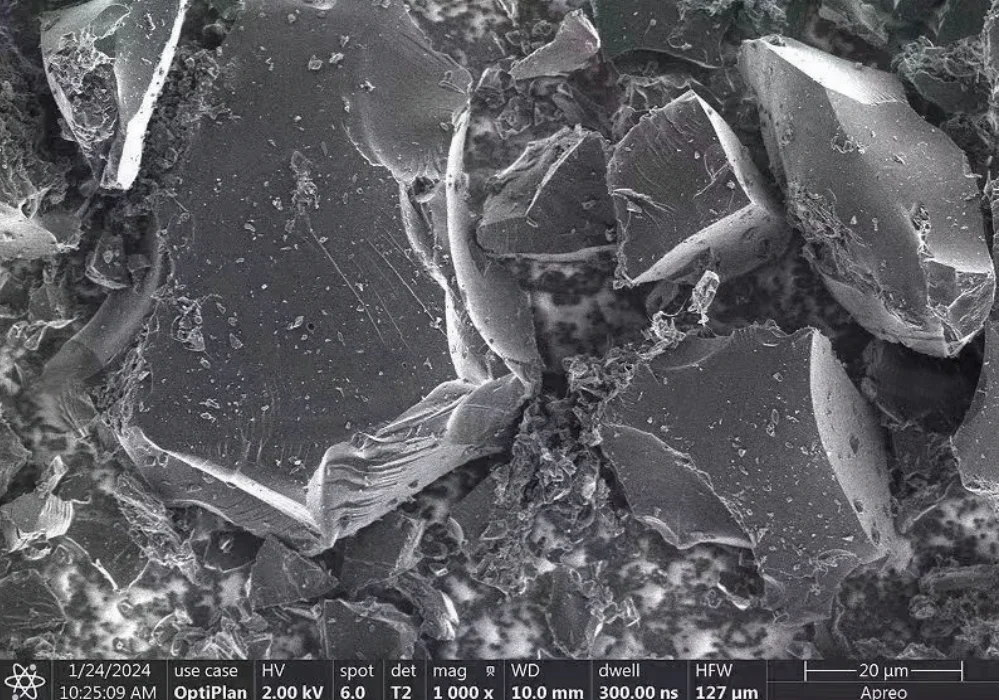
- Resin Base (PAC-S Series) — Synthetic precursor delivers narrower pore distribution and higher purity than biomass alternatives. The controlled activation-carbonization curves eliminate natural variability, making this the choice for electrode manufacturers running continuous coating lines that cannot tolerate batch-to-batch drift.
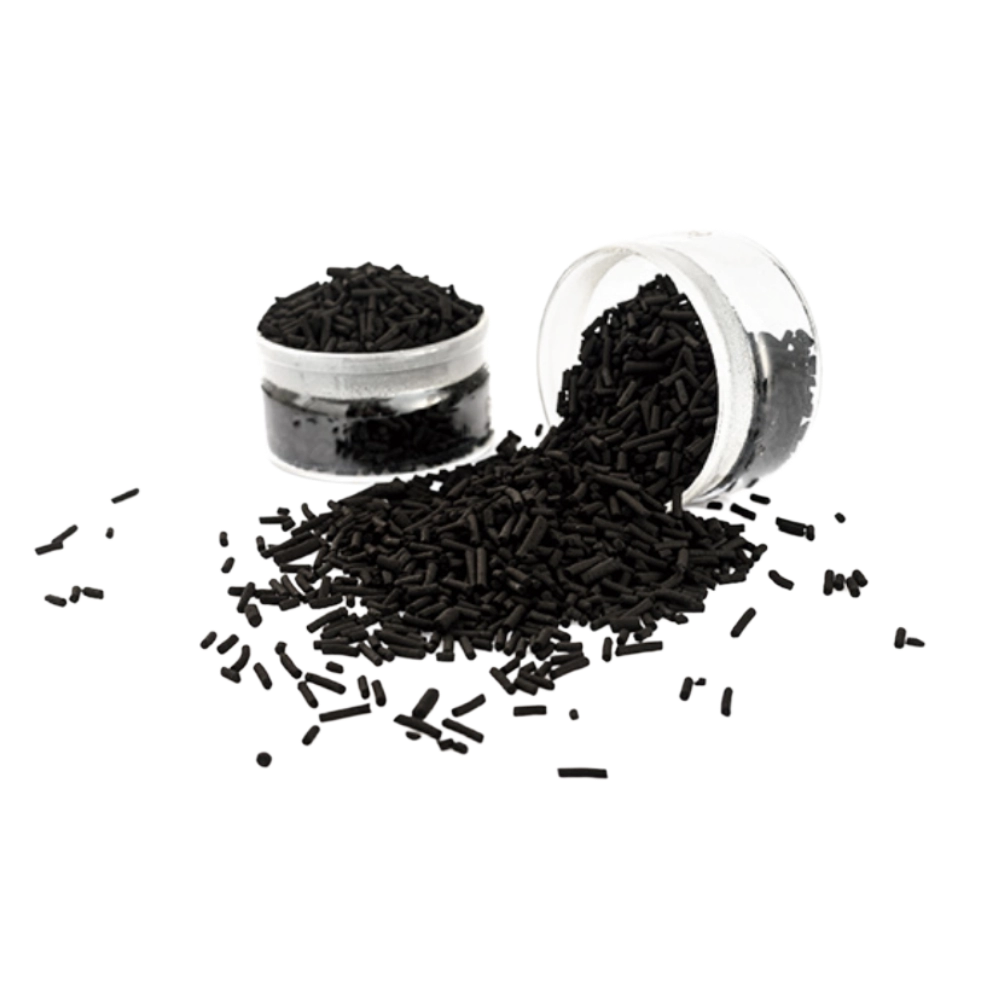
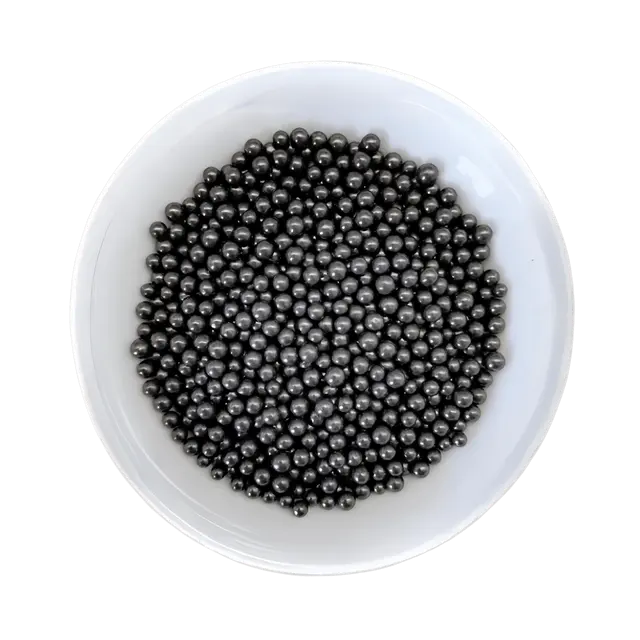
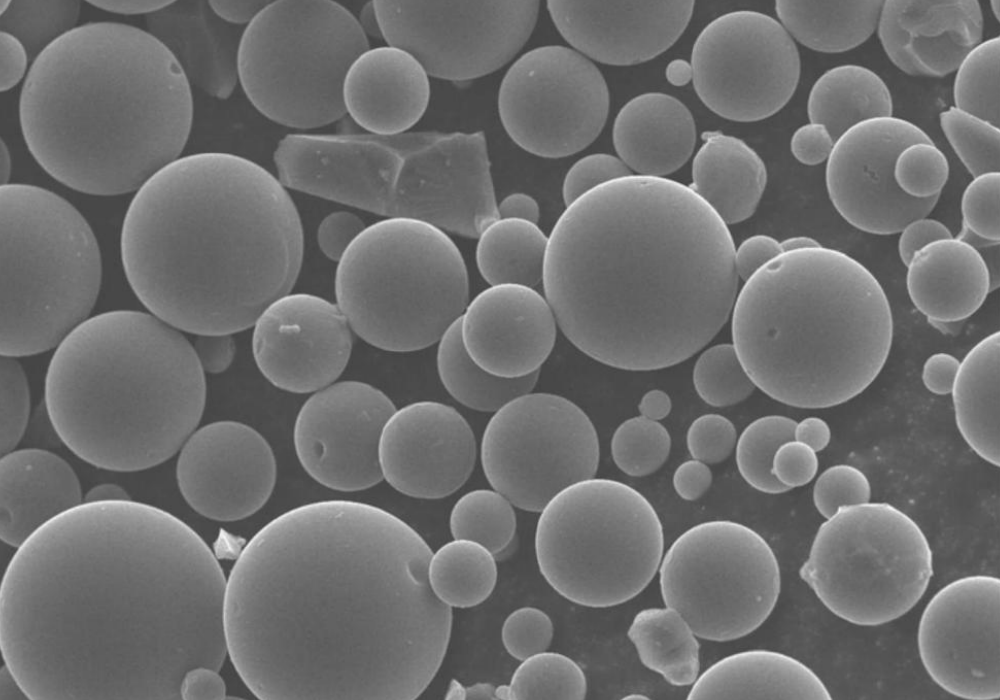
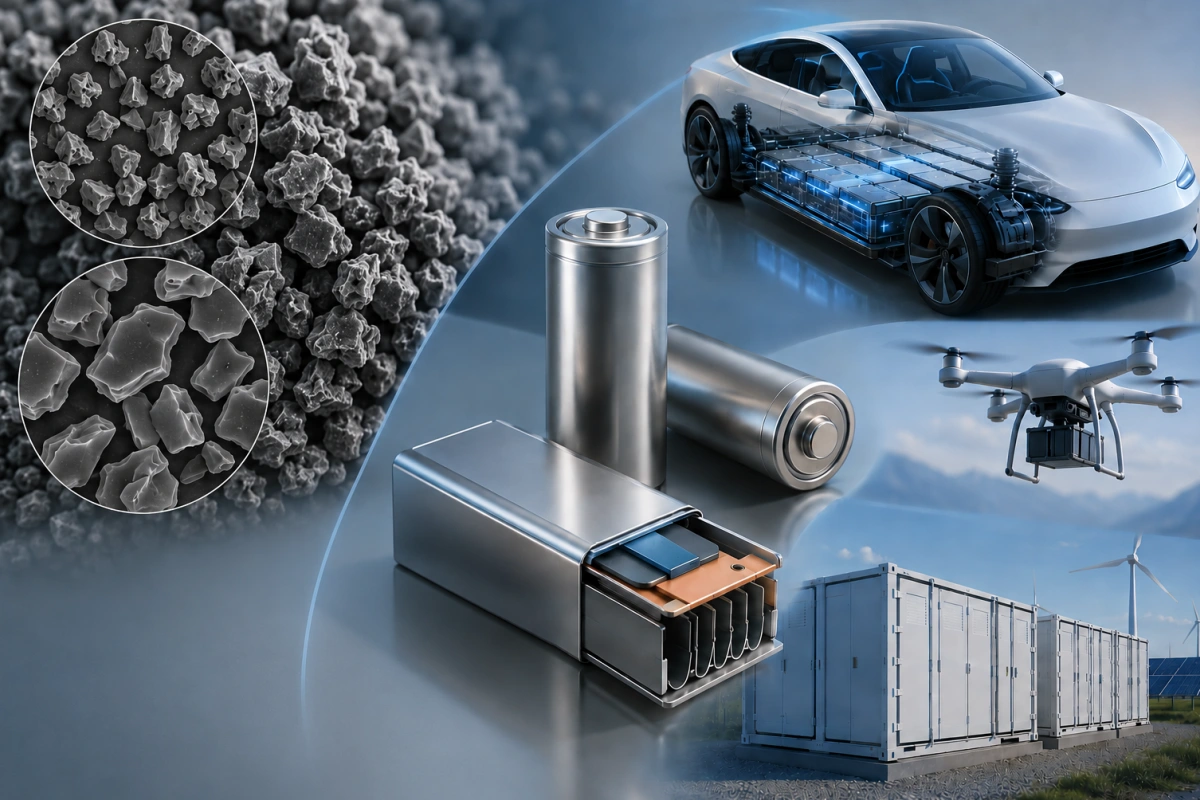
- Spherical Resin Base (PAC-Q Series) — Near-perfect spheres produced in fluidized-bed equipment. The uniform geometry enhances packing density and creates consistent interstitial voids for electrolyte wetting. When coating thickness uniformity directly impacts cycle life, spherical morphology is not a luxury—it is a requirement.
All platforms share one performance standard: ultra-low metal impurities that prevent electrolyte decomposition, and tight particle-size control that ensures defect-free electrode coating without slurry segregation.