



Why Good Activated Carbon Fizzes Aggressively: The Truth Behind the "Boiling" Water Test
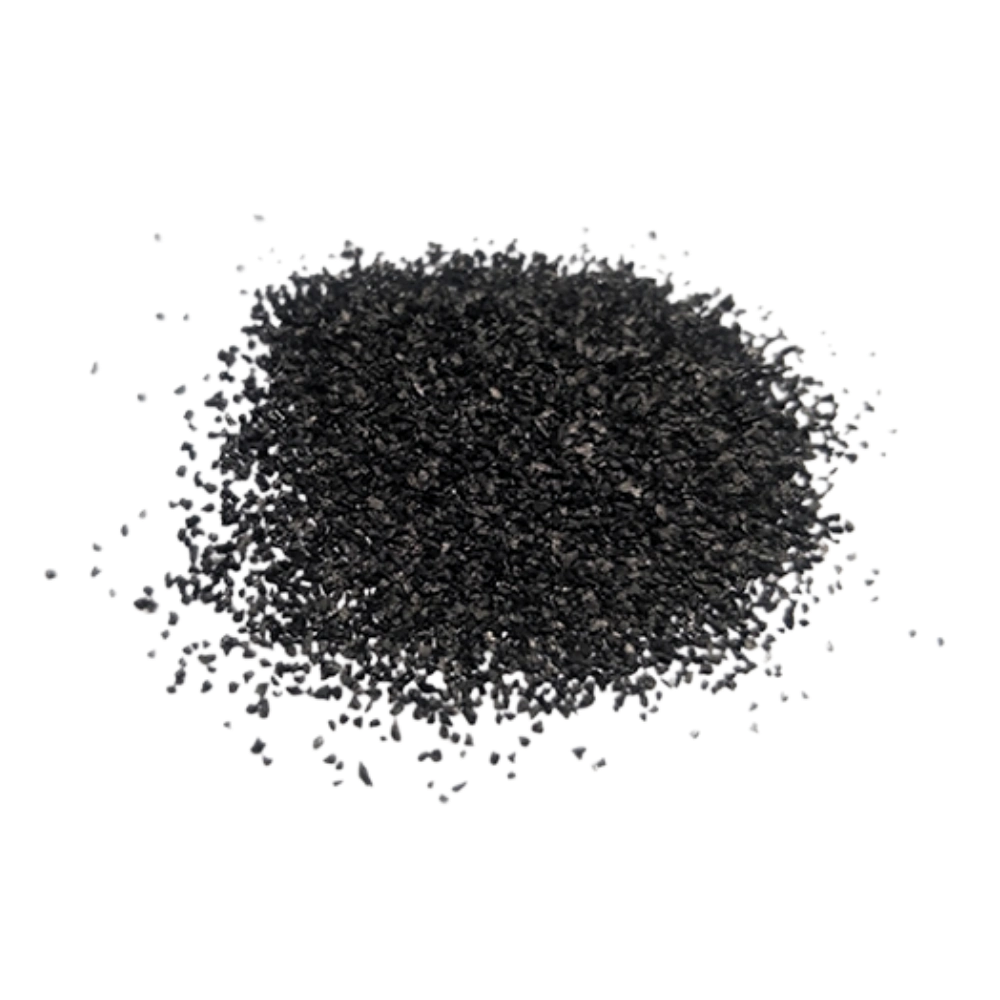
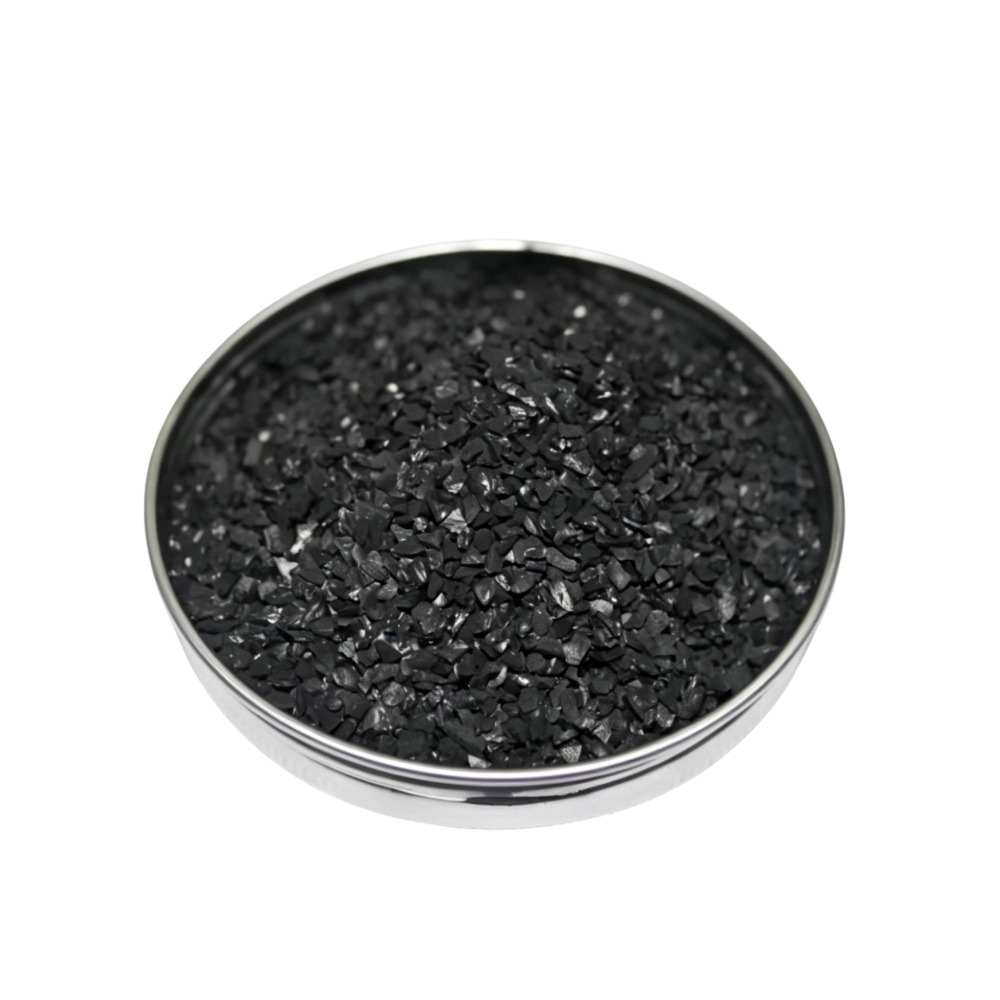
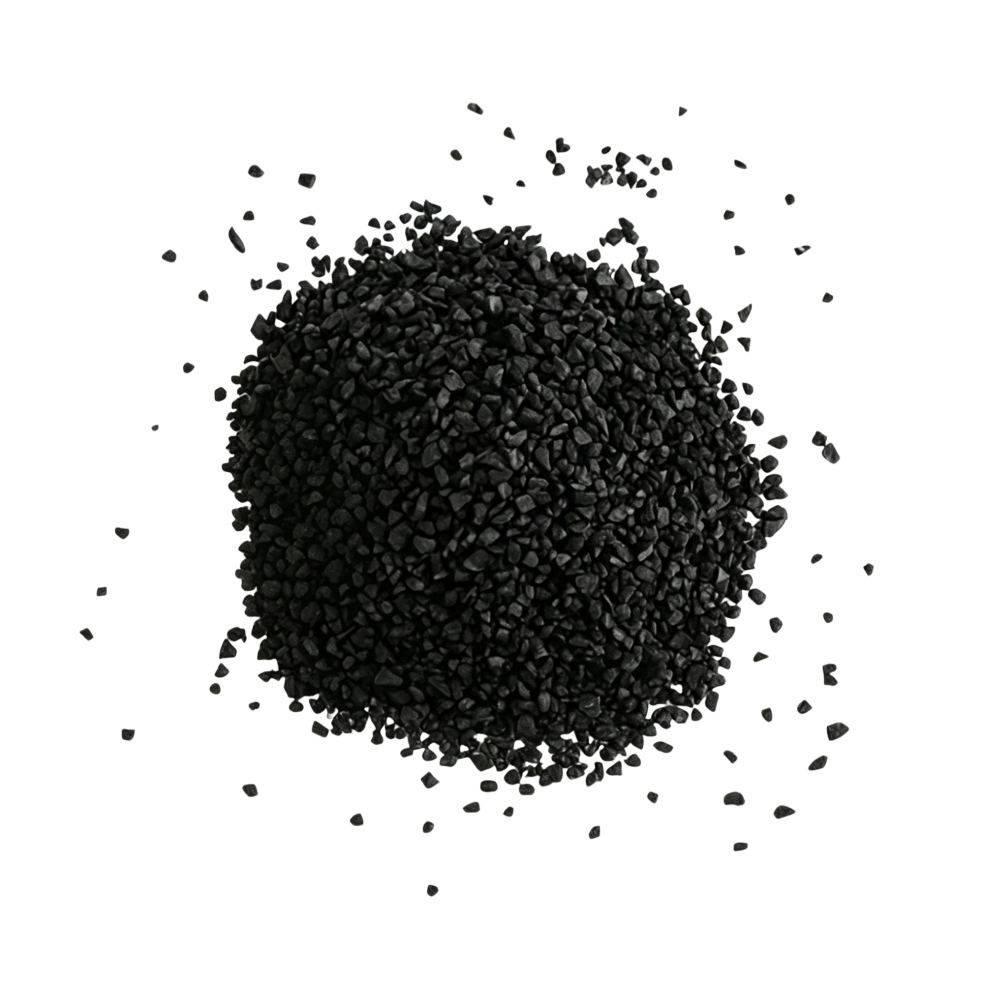
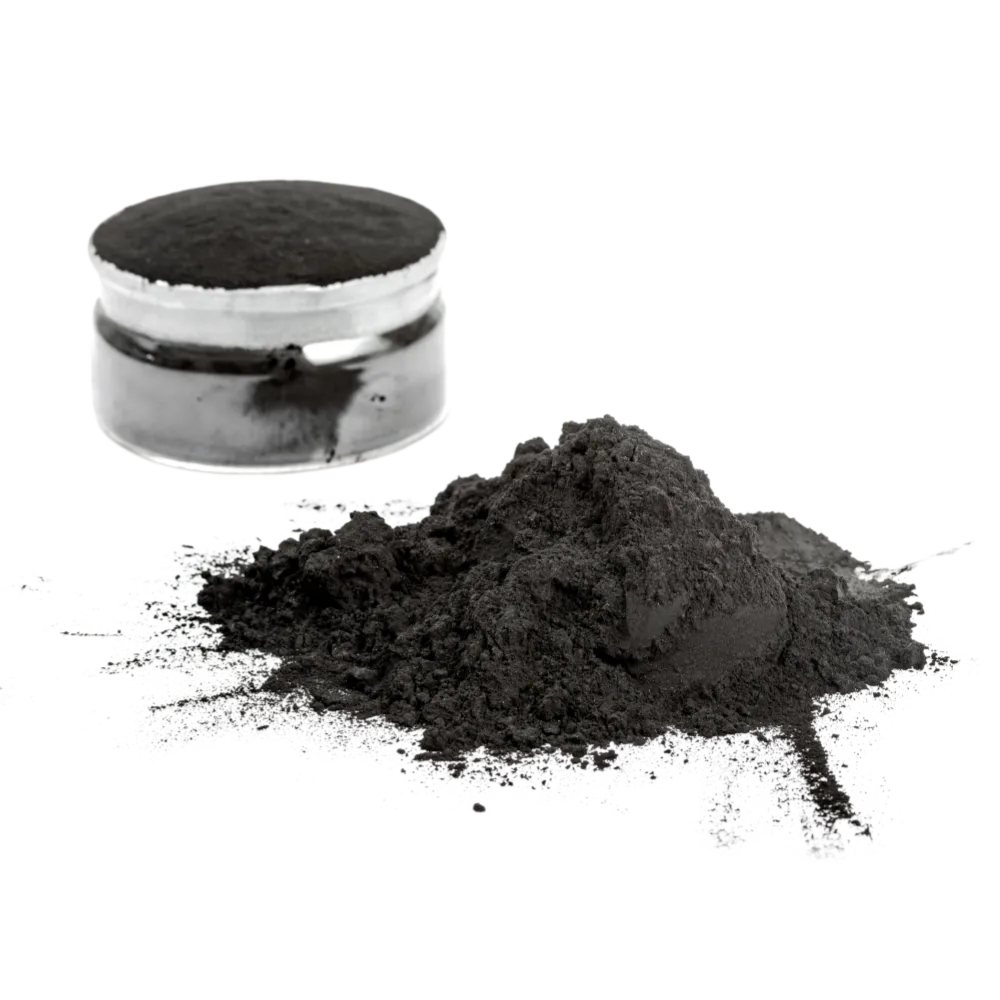
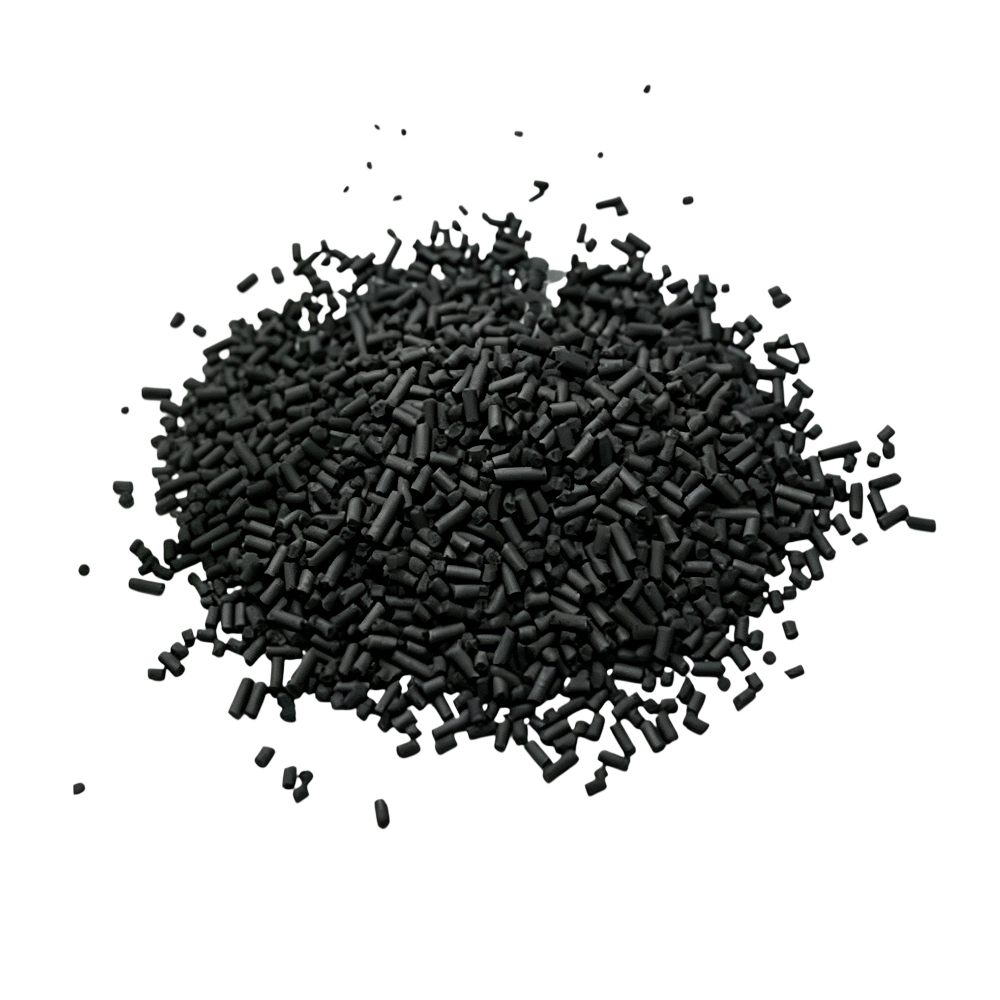
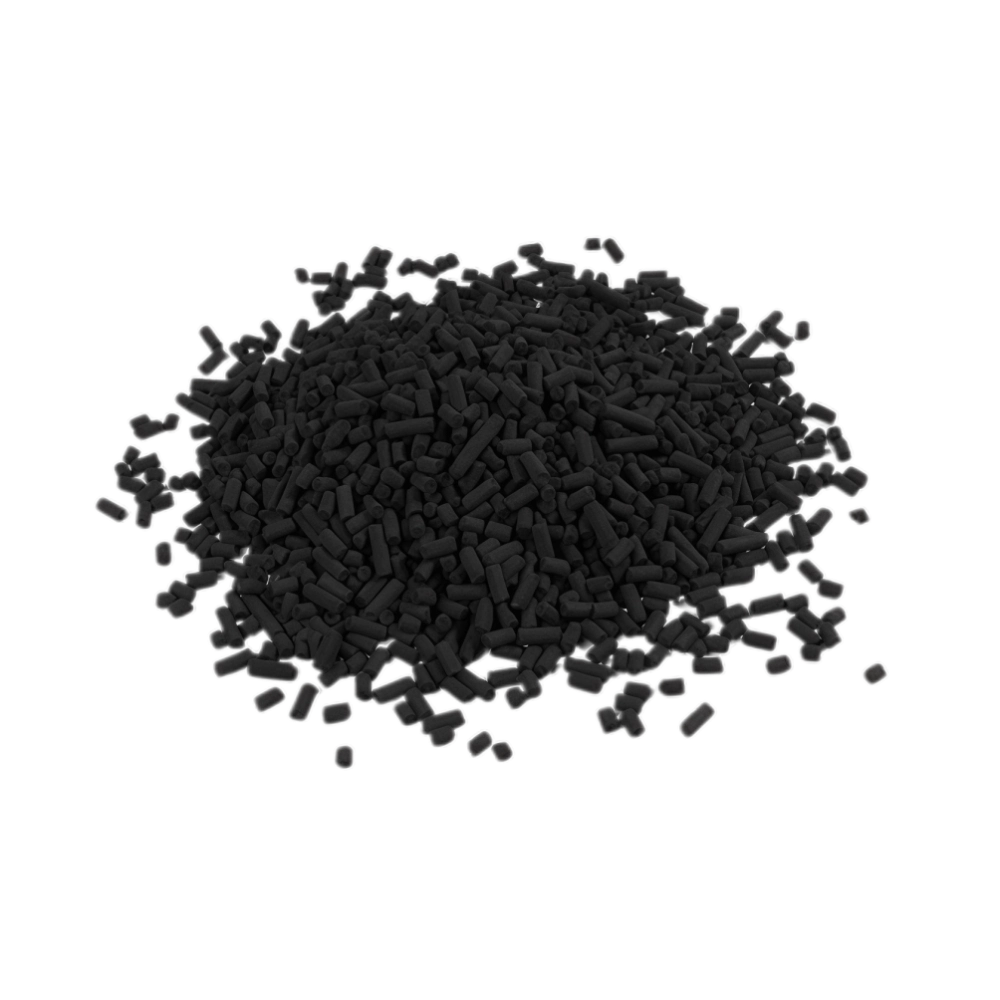
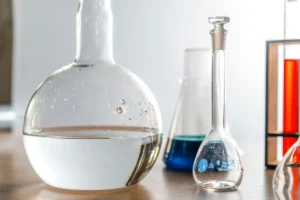
Drop a handful of dry activated carbon into a clear beaker of water. Within seconds, the surface erupts with fine bubbles—thousands of tiny air pockets escaping from the black granules, sometimes lasting for minutes before settling.
This simple demonstration is one of the fastest, most intuitive ways to judge activated carbon quality. But what exactly is happening beneath the surface, and how does that translate to real-world industrial performance?
The Science Behind the Fizz
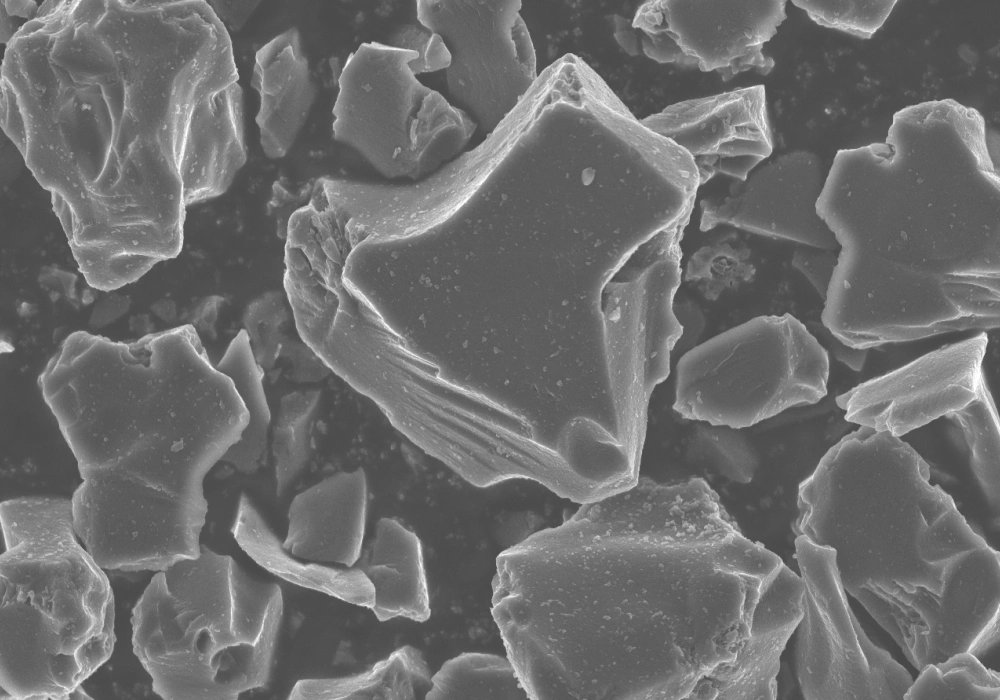
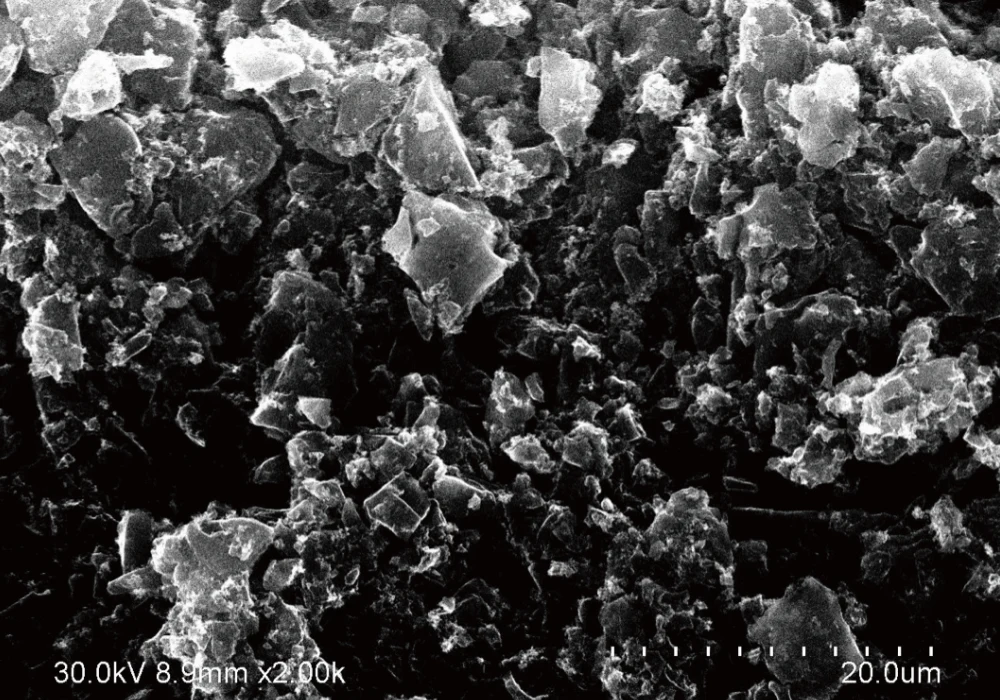
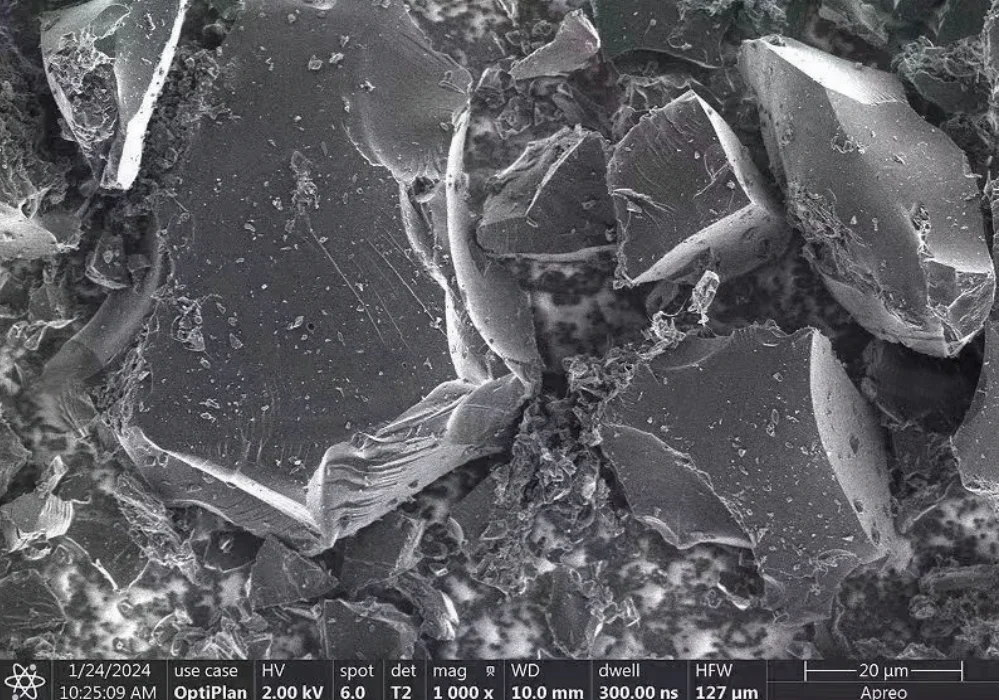
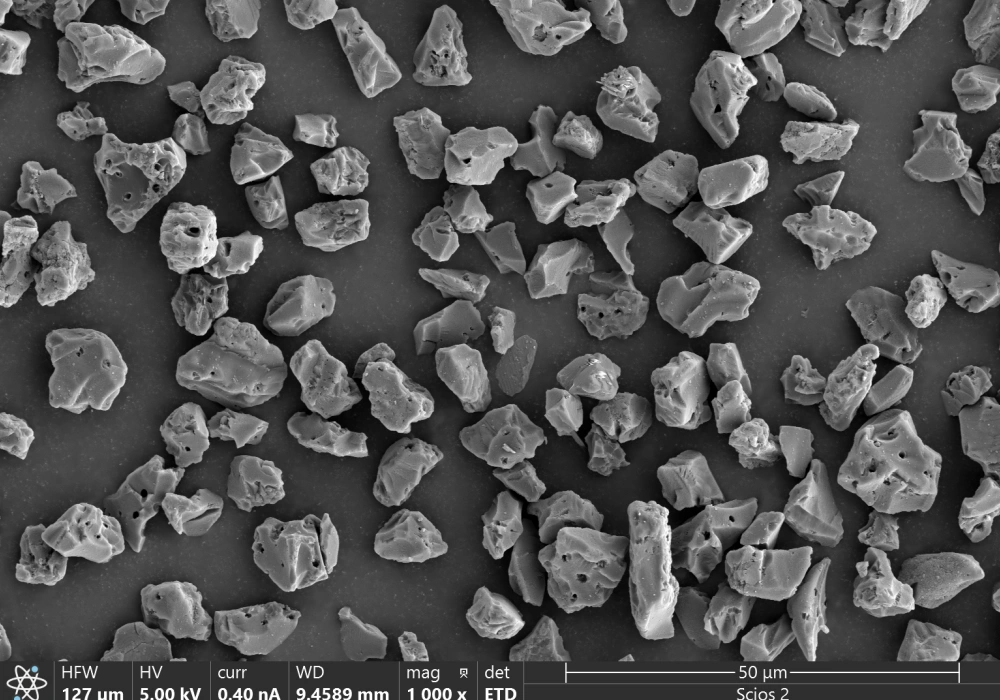
Activated carbon is often called "black magic" because of its internal architecture. A single gram of high-quality activated carbon can possess a surface area of 1,000 to 1,200 square meters—roughly the size of a professional soccer pitch. This massive area is hidden inside a labyrinth of micropores, mesopores, and macropores.
When carbon is dry, these pores are filled with air. The moment water contacts the granules, capillary action pulls water into the pore network, displacing trapped air. That displaced air rushes out as bubbles.
The more bubbles you see—especially if they are fine, dense, and long-lasting—the more extensive and open the pore structure is. Sparse, large, or short-lived bubbles often indicate closed pores, poor activation, or low porosity, which directly translates to inferior adsorption capacity.
What the Bubble Test Proves — and Where It Stops
What It Confirms
- High pore volume and open porosity: Abundant, sustained bubbling proves the carbon has an extensive network of accessible pores.
- Effective activation: The manufacturing process (typically steam activation at 800–1,000°C) successfully developed the internal surface area.
- Low dust and structural integrity: If the water remains relatively clear and granules sink slowly without clouding the liquid, the carbon likely has high mechanical strength and low ash content.
What It Cannot Tell You Alone
- Adsorption selectivity: Bubbles prove physical structure, not whether the carbon will effectively capture formaldehyde, hydrogen sulfide, or chlorine.
- Chemical purity: The test does not reveal heavy metals, ash content, or pH.
- Regeneration potential: Long service life depends on more than pore volume.
- Bottom line: The activated carbon bubble test is an excellent qualitative screening tool for pore structure, but quantitative performance still requires lab metrics like iodine number, methylene blue value, and BET surface area.
When "Black" Does Not Mean "Good": Industry Pain Points
Procurement and engineering teams across industries routinely face these challenges:
- Low adsorption capacity: Carbon that barely bubbles in water often has underdeveloped pores, leading to rapid saturation and frequent change-outs.
- Premature breakthrough: In gas-phase applications, poor pore distribution allows VOCs and toxic gases to slip through before the carbon bed reaches its theoretical capacity.
- High attrition and dusting: Weak granules crumble during backwashing in water treatment or pneumatic transport in air filtration, causing pressure drop issues and secondary contamination.
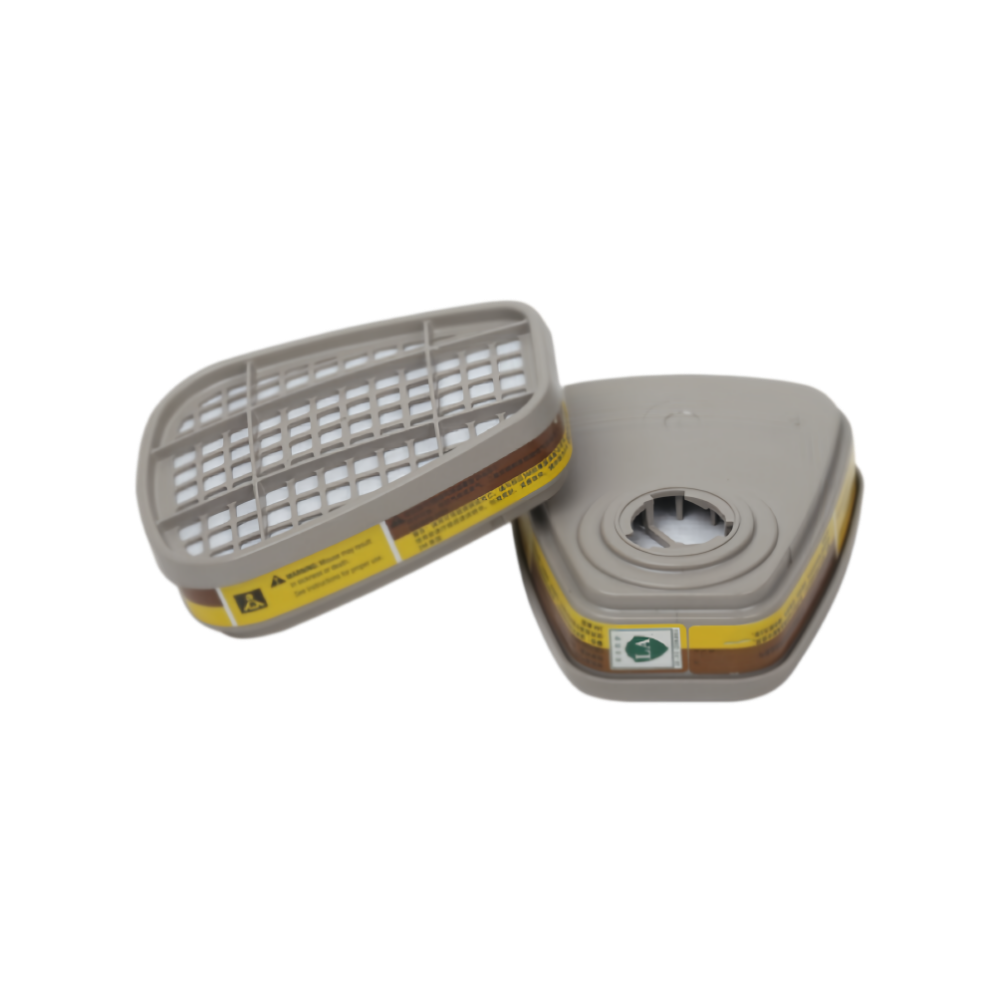
- Chemical mismatch: Standard physical adsorption fails against polar molecules like ammonia, sulfur compounds, or mercury vapor, requiring chemically enhanced media that many suppliers cannot provide.
These problems trace back to one root cause: inadequate pore architecture and poor manufacturing control.
PureStar Solutions: Engineered from the Pore Level Up
At PureStar, the bubble test is more than a demonstration—it is a first-principle validation that every batch possesses the physical foundation for high-performance adsorption. Our product lines are built around three core carbon platforms, each optimized for specific industrial pain points.
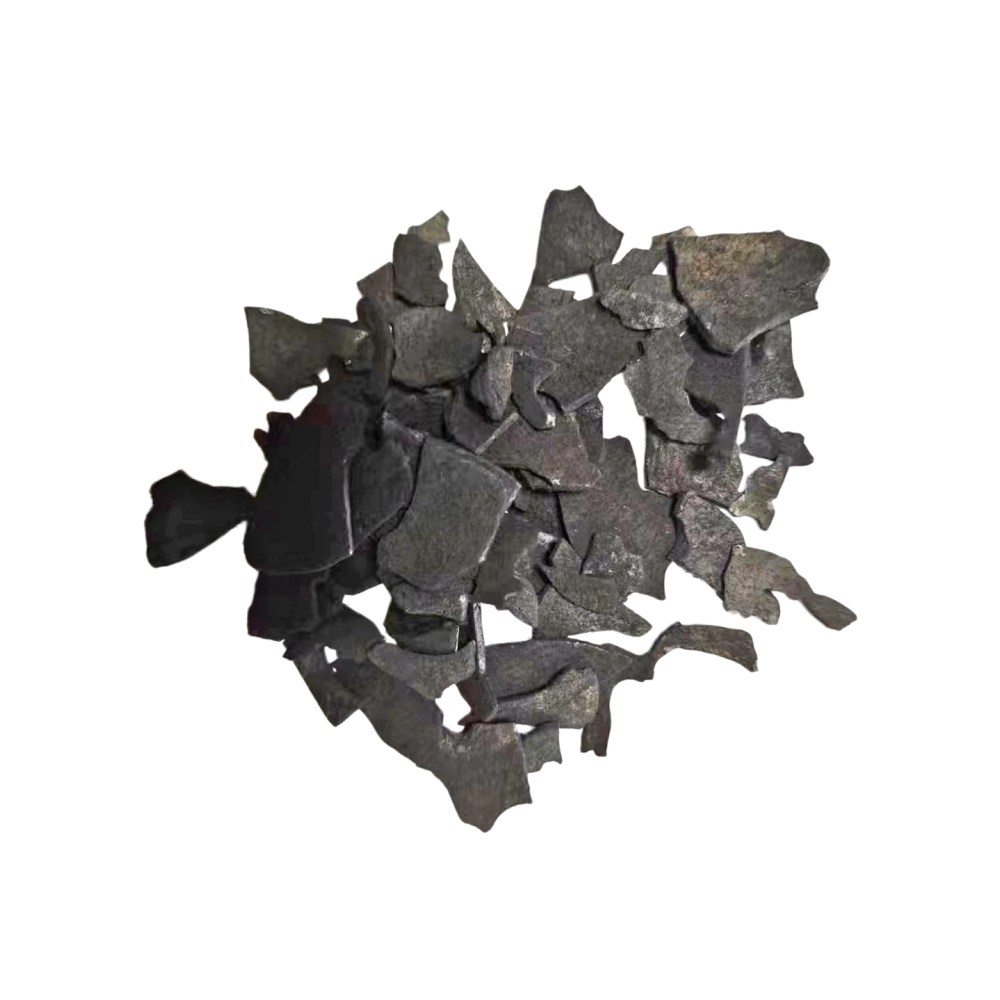
Coconut Shell Activated Carbon for Air & Water
The Pain Point: Industrial VOC streams fluctuate in concentration; drinking water and process water systems demand consistent removal of chlorine, chloramines, and trace organics without leaching contaminants.
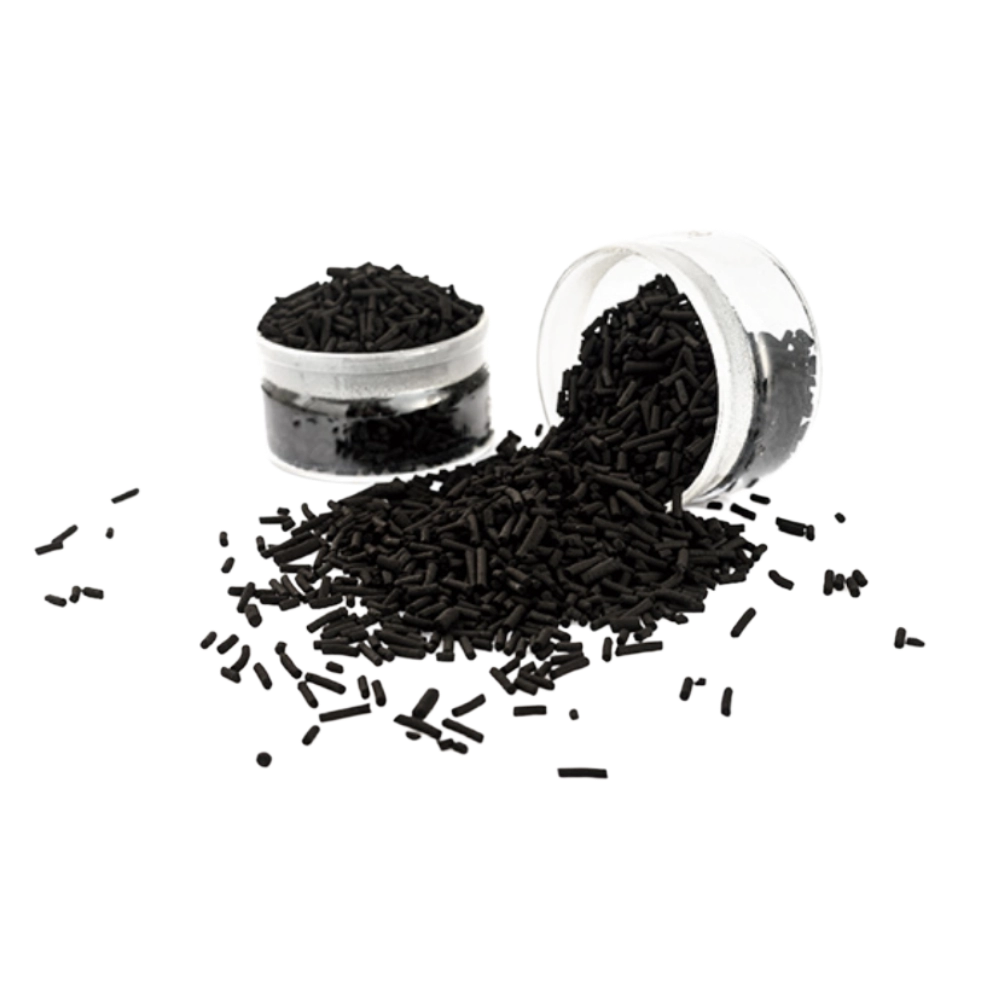
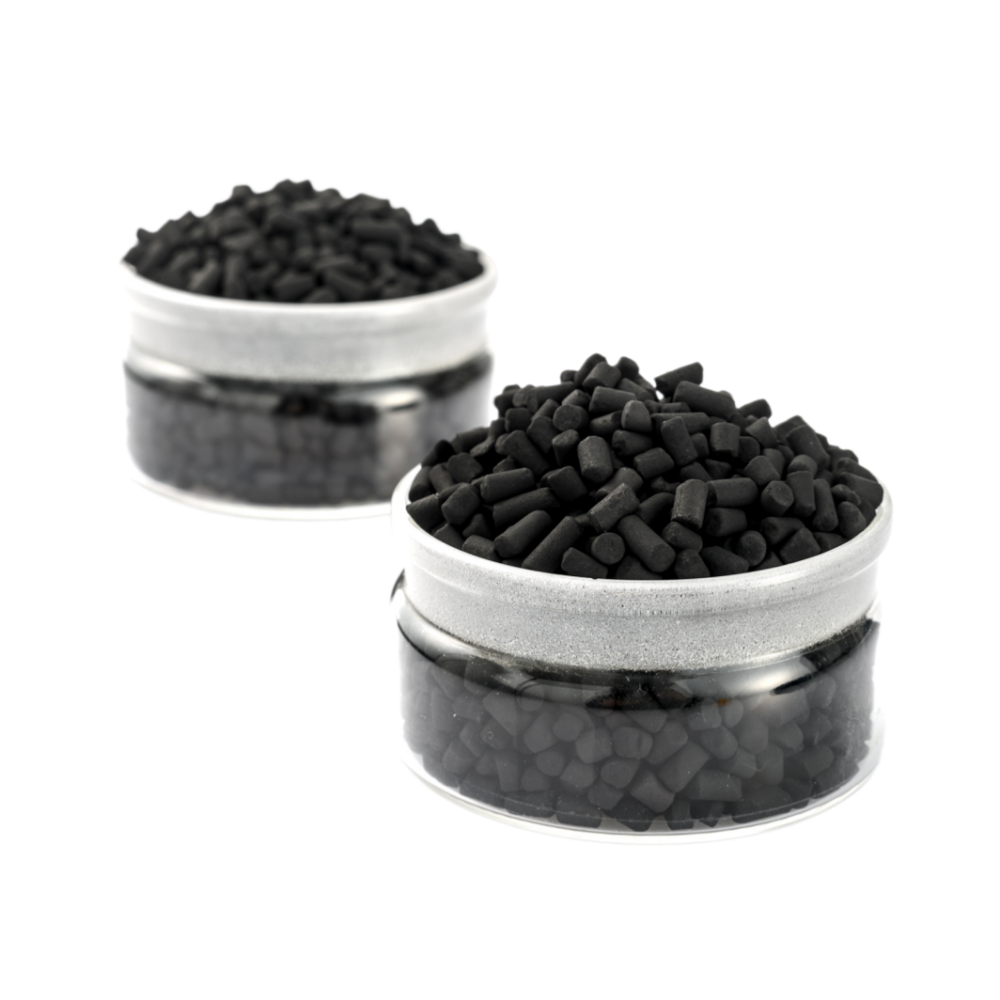
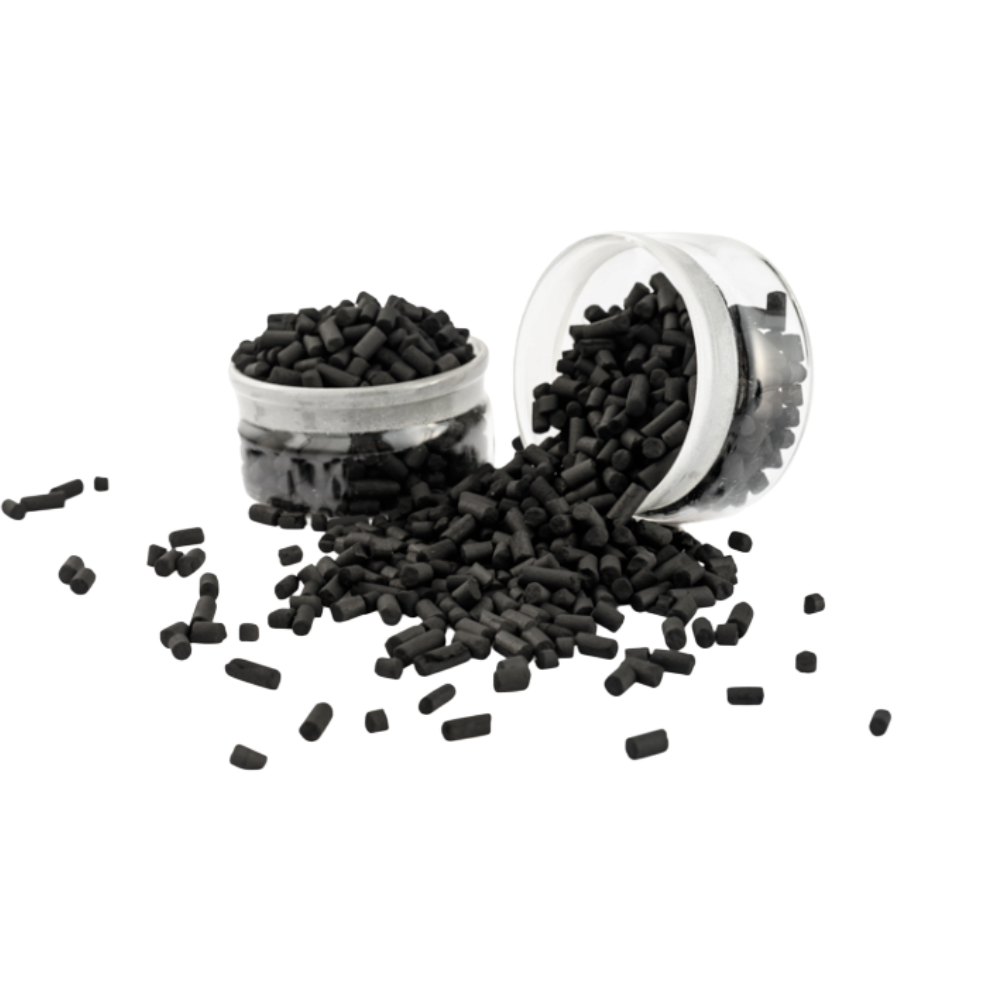
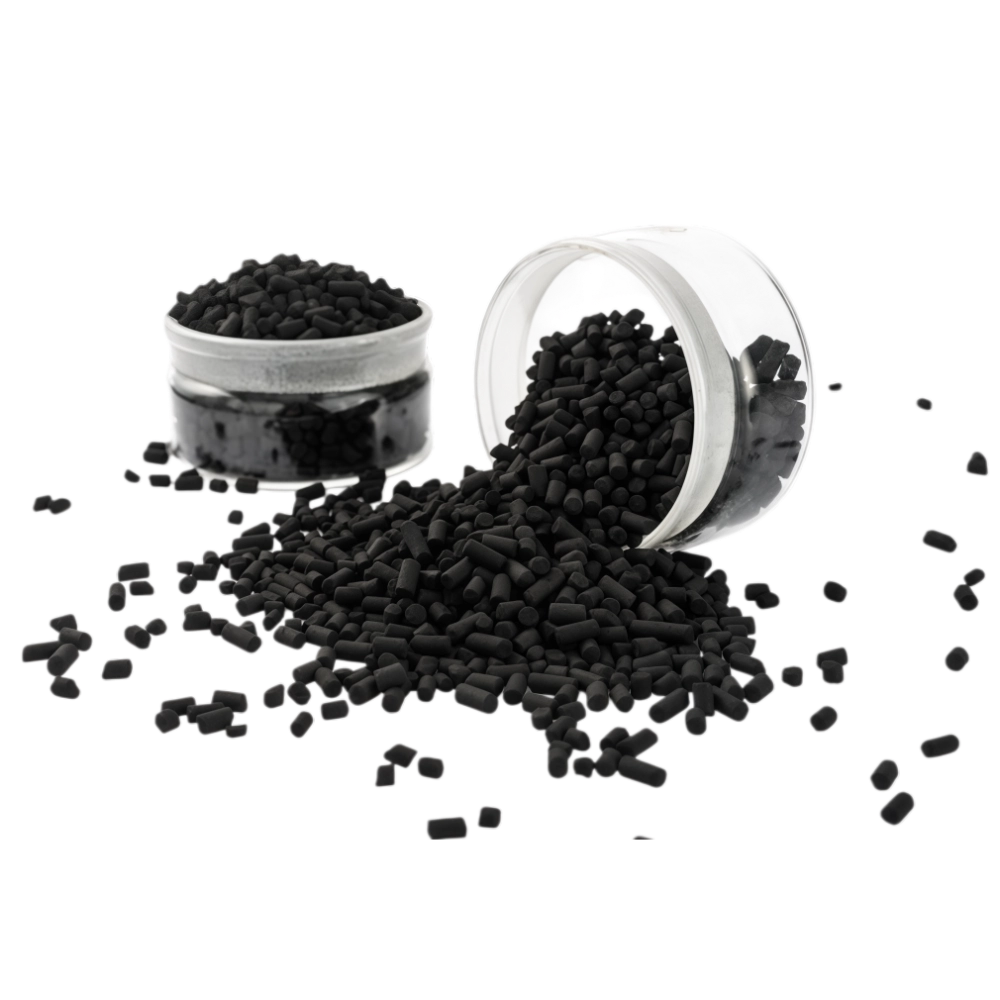
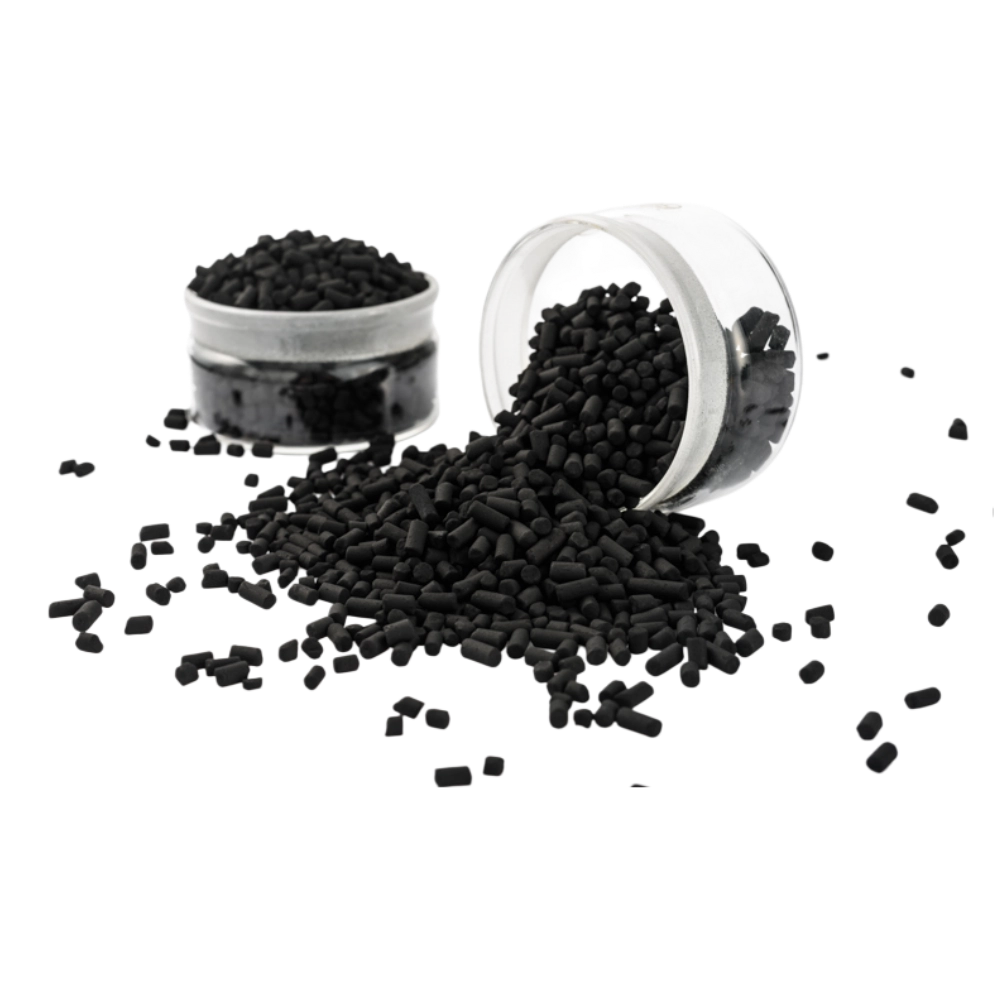
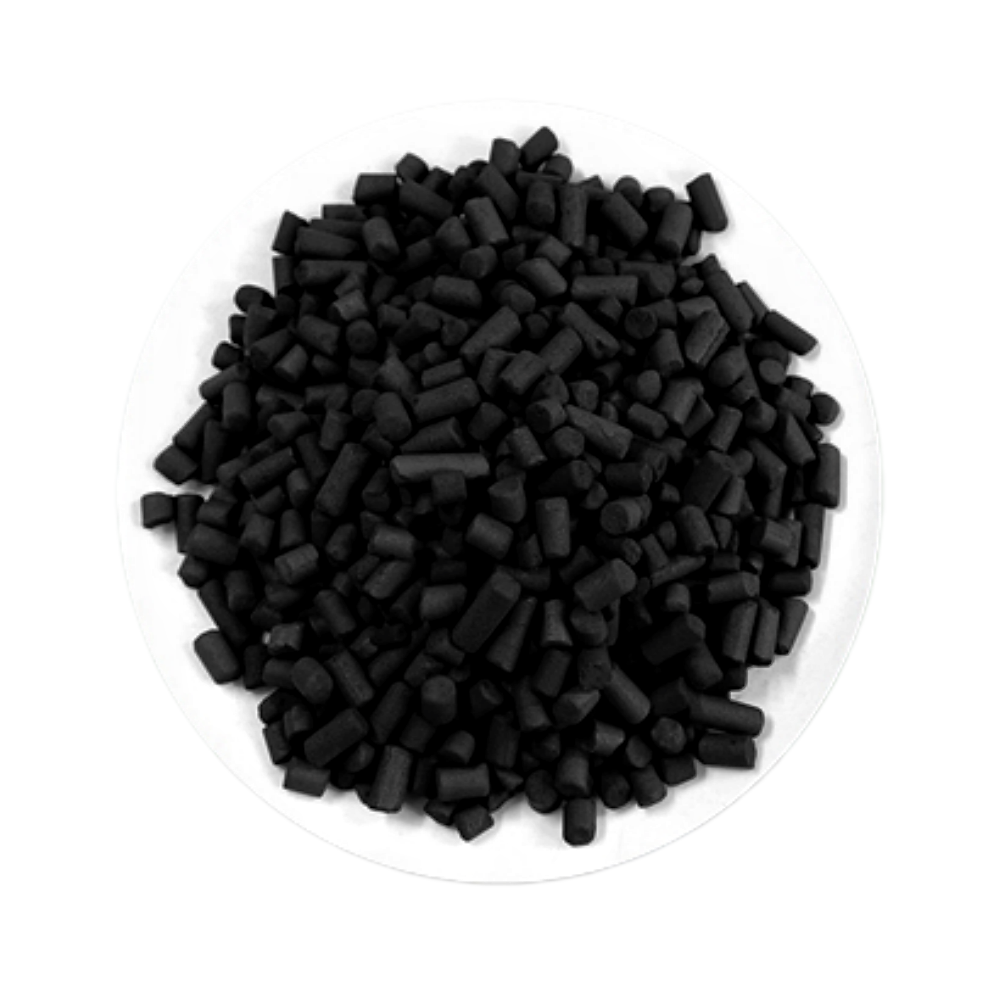
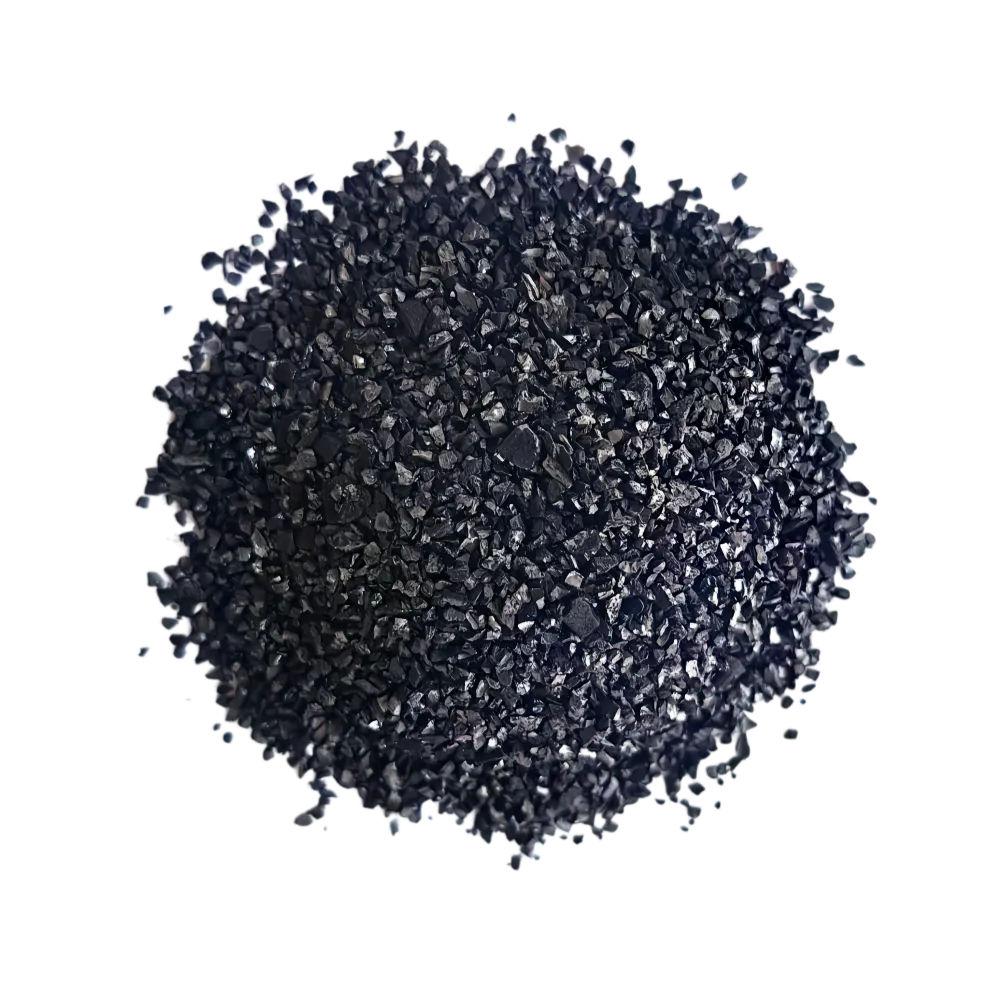
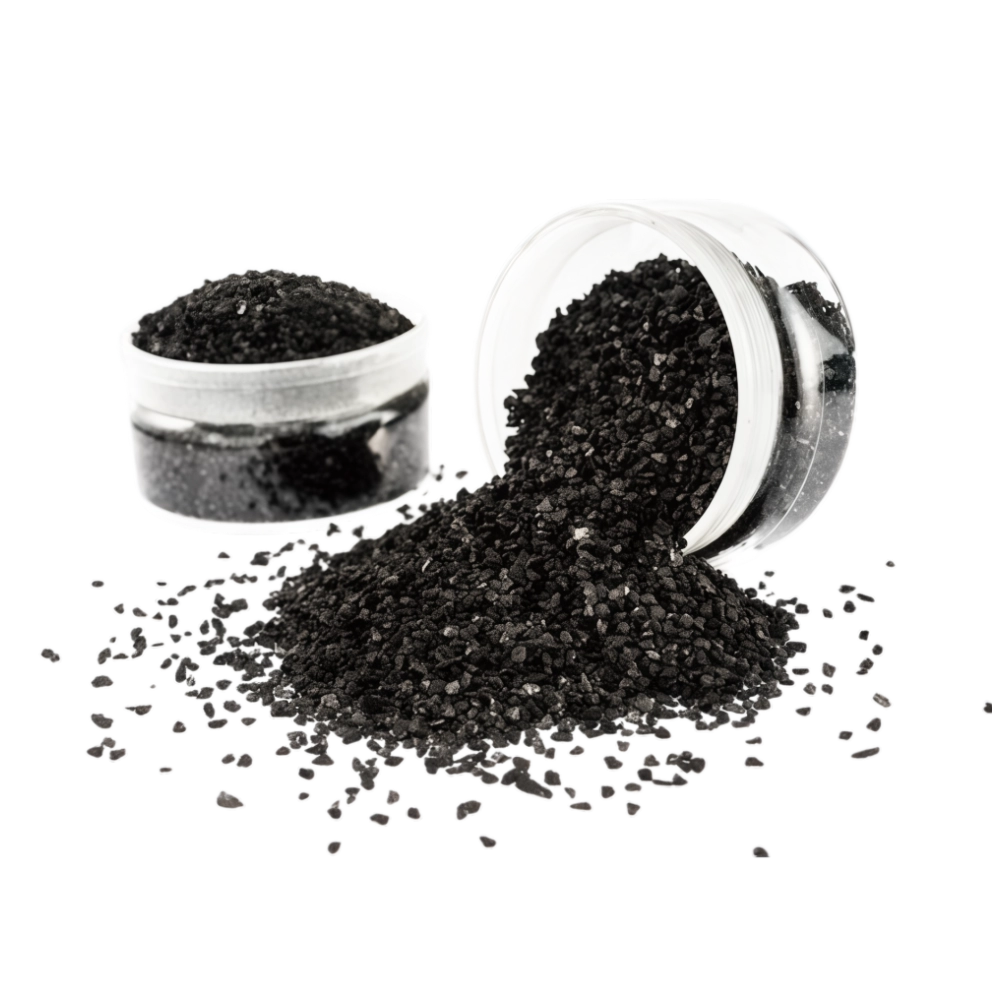
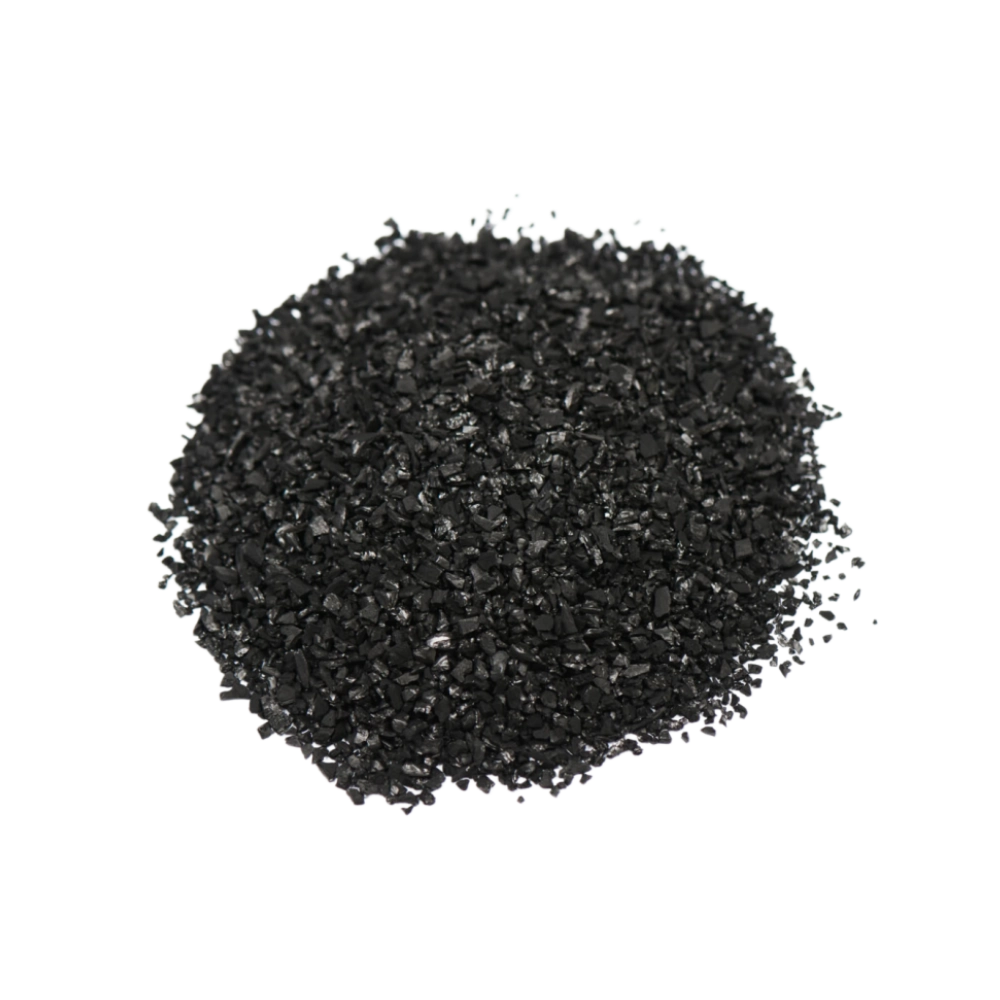
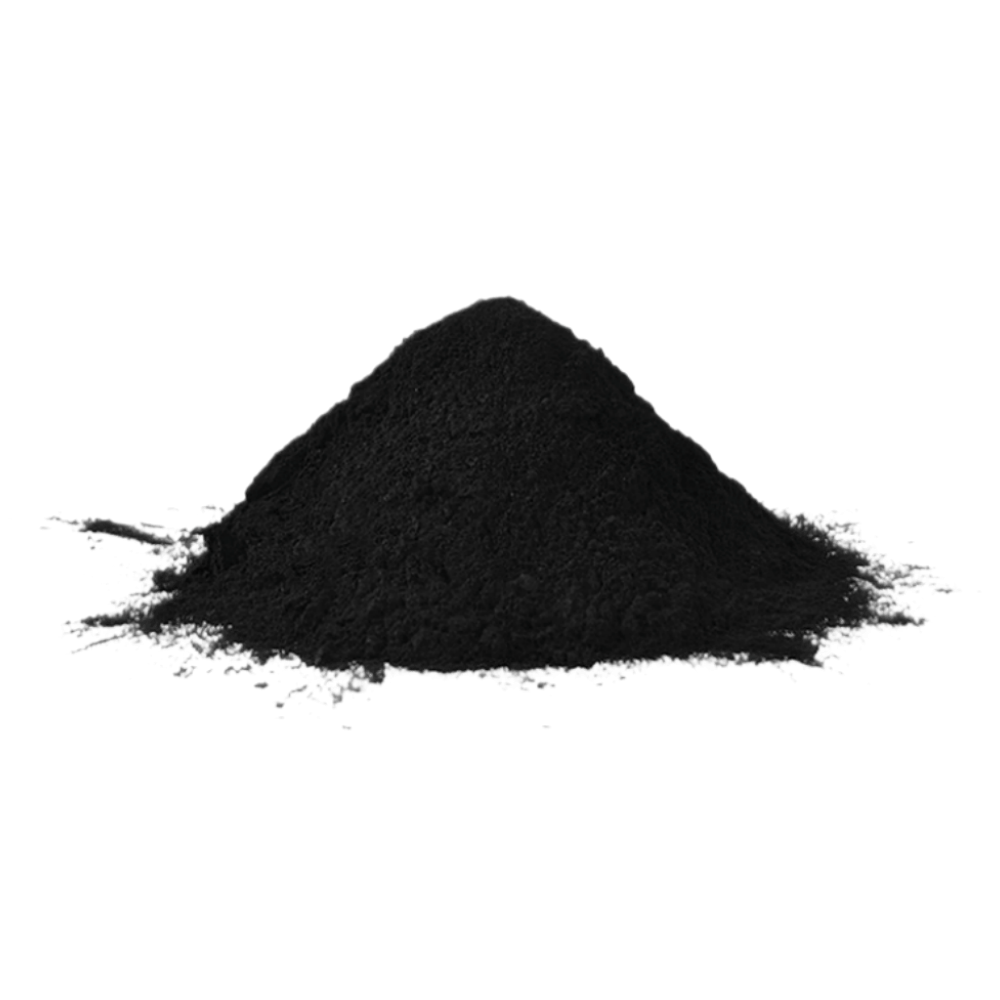
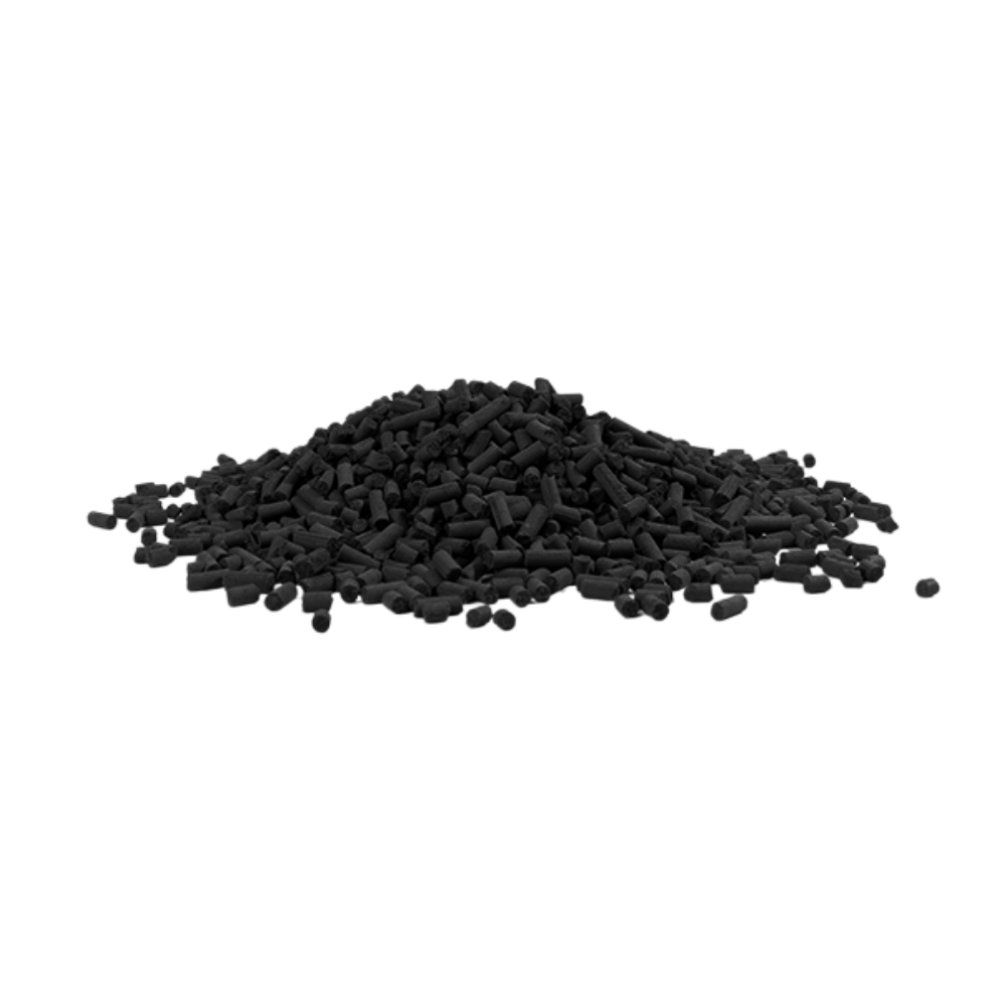
The PureStar Solution: We select high-hardness coconut shell feedstock and activate it under precisely controlled steam conditions. The result is a micropore-dominant structure with exceptional surface area. When you perform the activated carbon water test with our coconut shell grades, the vigorous, sustained bubbling is visual proof of the high pore volume that delivers longer service life, lower pressure drop, and superior adsorption capacity in both vapor-phase and liquid-phase systems.
Impregnated Activated Carbon for Targeted Gas Capture
The Pain Point: Physical adsorption relies on weak van der Waals forces. It struggles with low-molecular-weight, polar, or reactive gases like H₂S, SO₂, NH₃, and formaldehyde. These contaminants can also desorb under temperature or humidity swings, creating a secondary release risk.
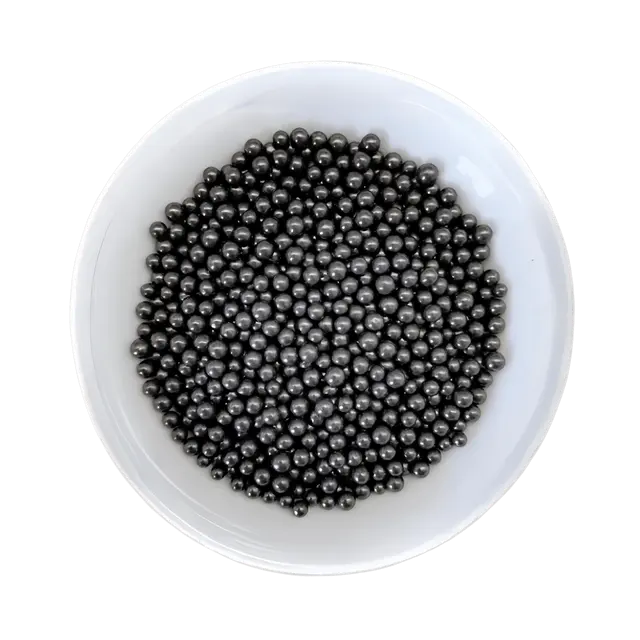
The PureStar Solution: We start with a high-porosity base carbon—one that still bubbles vigorously in water, confirming its open pore structure remains intact—and then precisely impregnate it with targeted chemical agents (phosphoric acid, iodine, silver, copper, or zinc compounds). These agents act as chemical "grippers," converting reversible physical adsorption into irreversible chemisorption or catalytic decomposition.
The bubble test remains positive because our impregnation process modifies the pore surface without collapsing the pore volume. This synergy of physical porosity plus chemical reactivity is what makes impregnated activated carbon indispensable for odor control, toxic gas defense, and specialized emission treatment.
Trust the Bubbles, Verify the Data
A beaker of water and a scoop of activated carbon tell a compelling story. The burst of bubbles is not just a chemical curiosity—it is the visible exhale of a material engineered to capture contaminants at the molecular level.
At PureStar, we manufacture activated carbon that passes this intuitive test because we know that pore structure is the foundation of every successful adsorption application. Whether you need the robust micropore network of coconut shell carbon, the chemical precision of impregnated media, the journey begins with one simple truth:
If it doesn't bubble, it probably won't perform.