


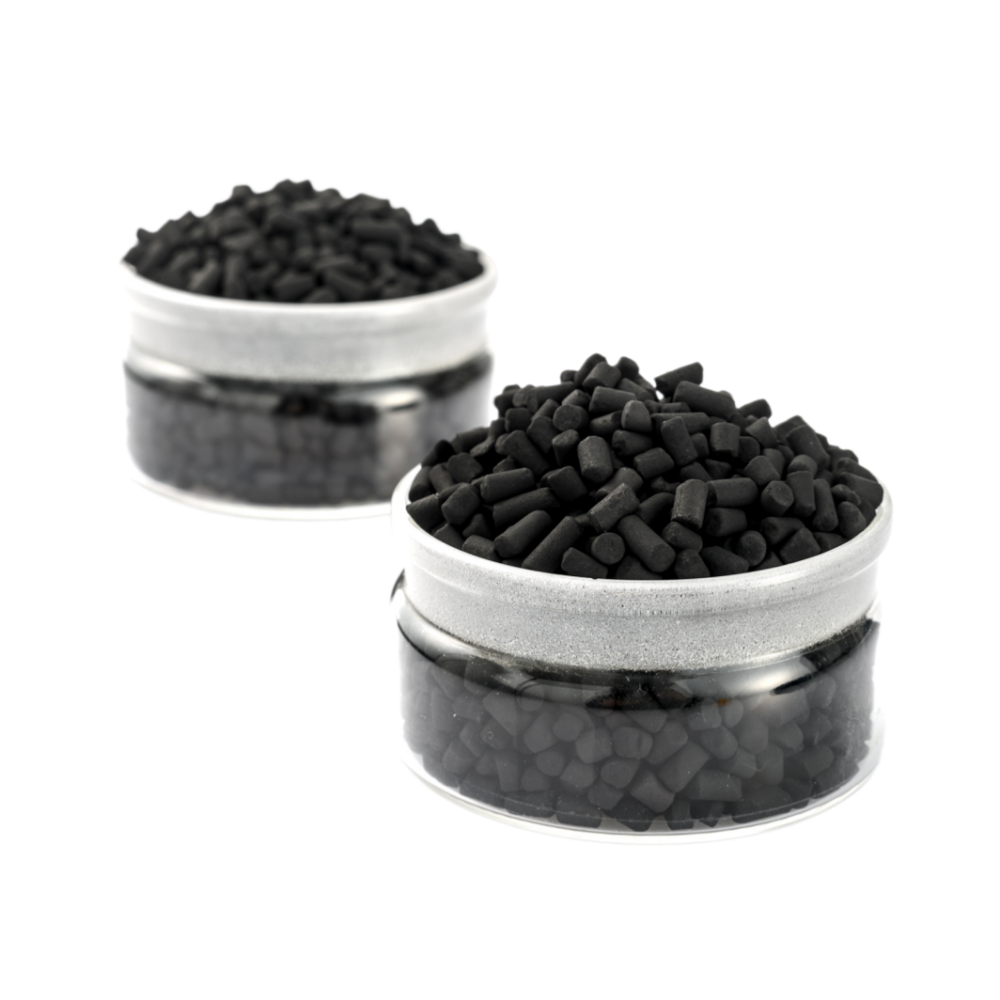
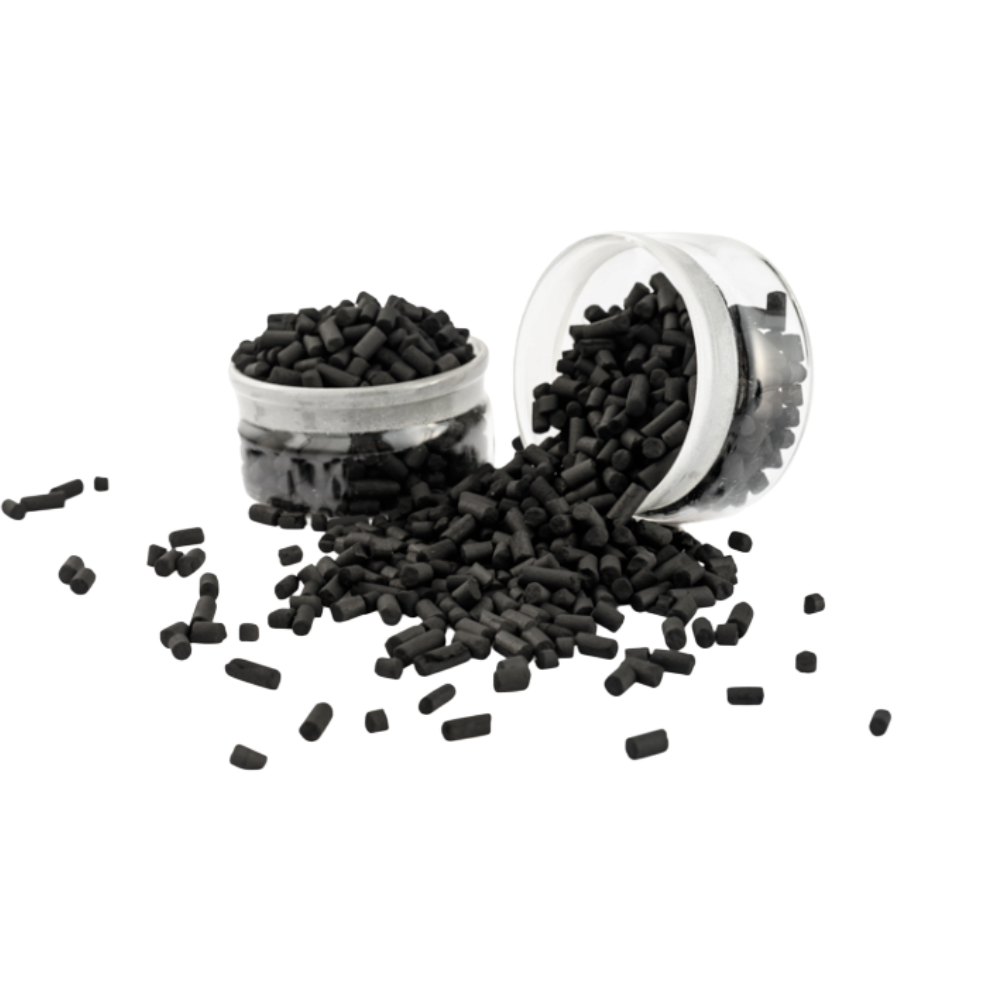
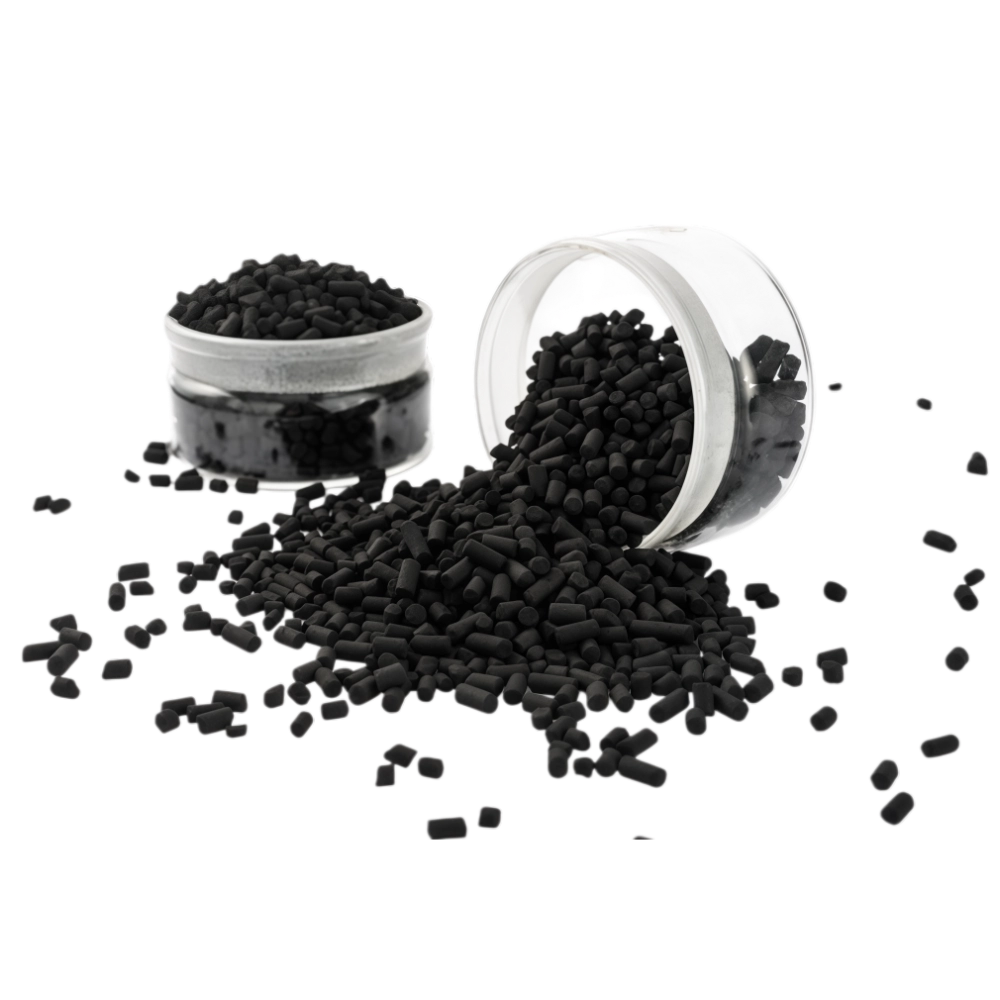
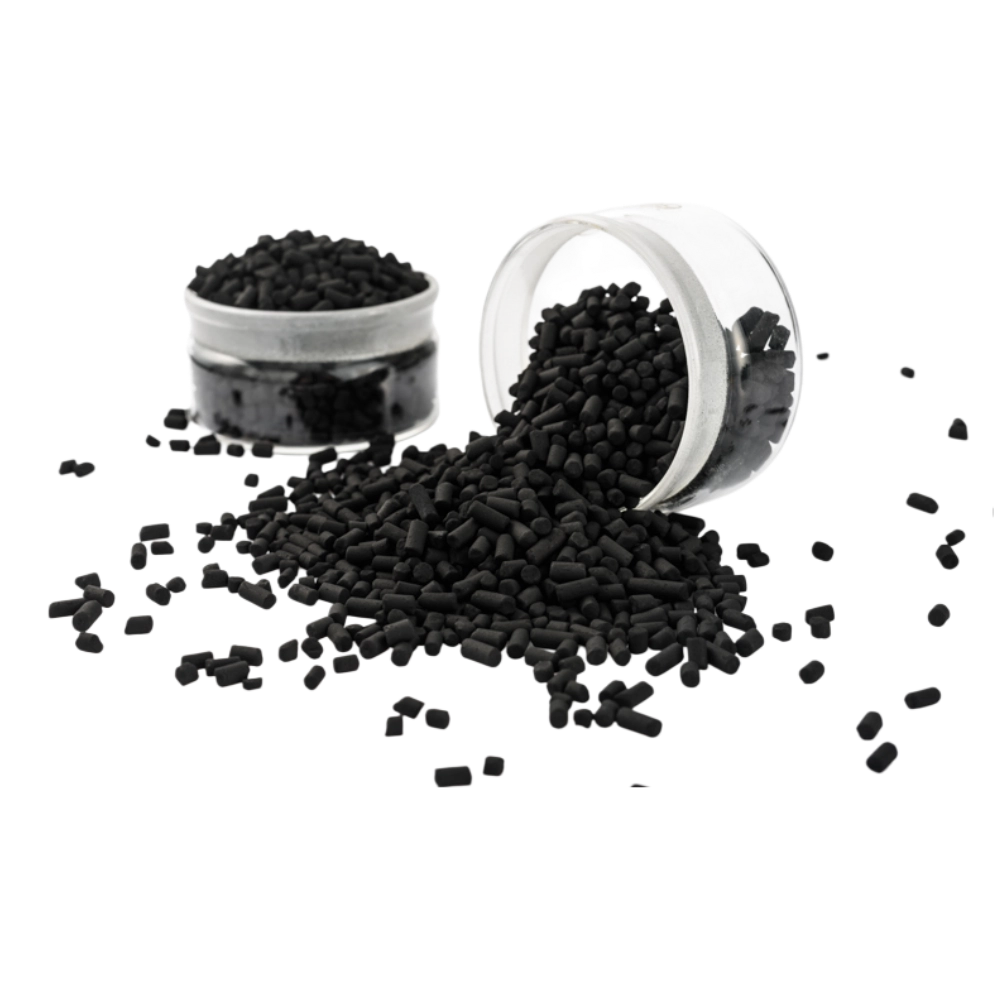

















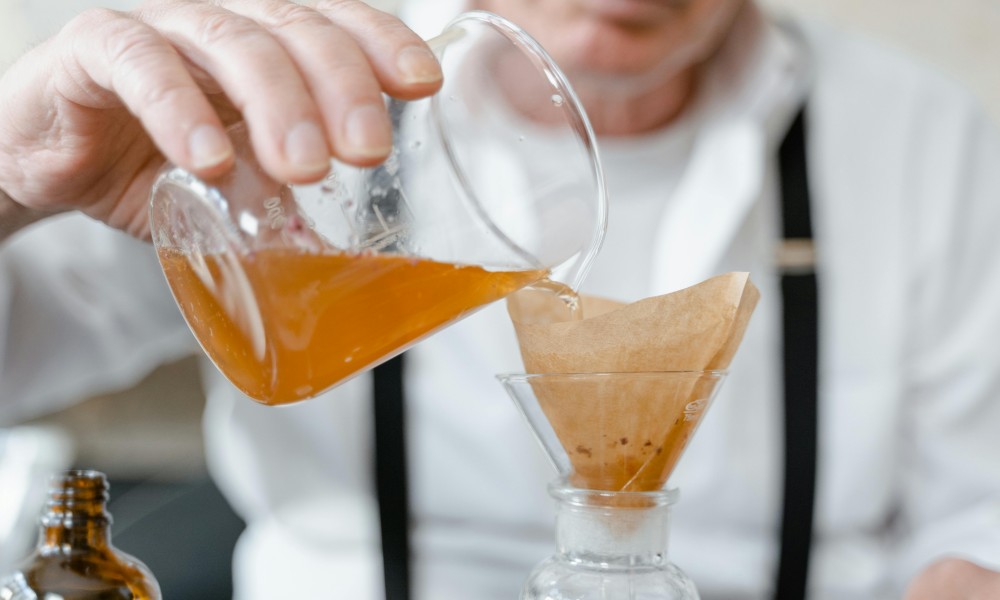
Food decolorization is one of the most critical quality-control steps in modern processing. Whether you are refining raw sugar, bleaching crude vegetable oil, or clarifying alcoholic beverages, unwanted pigments and impurities can ruin both the appearance and the market value of your final product. So why do the world’s leading food manufacturers continue to rely on activated carbon for food decolorization decade after decade? The answer lies in its unmatched adsorption power, operational flexibility, and cost efficiency.
At Jiangsu PURESTAR Environmental Protection Technology Co., Ltd., we engineer food-grade activated carbon—primarily derived from coconut shells—to meet the exacting standards of the global food and beverage industry. Below is a complete breakdown of how it works, where it is used, and why PURESTAR solutions deliver measurable results.
What Exactly Is Activated Carbon and How Does It Remove Color?
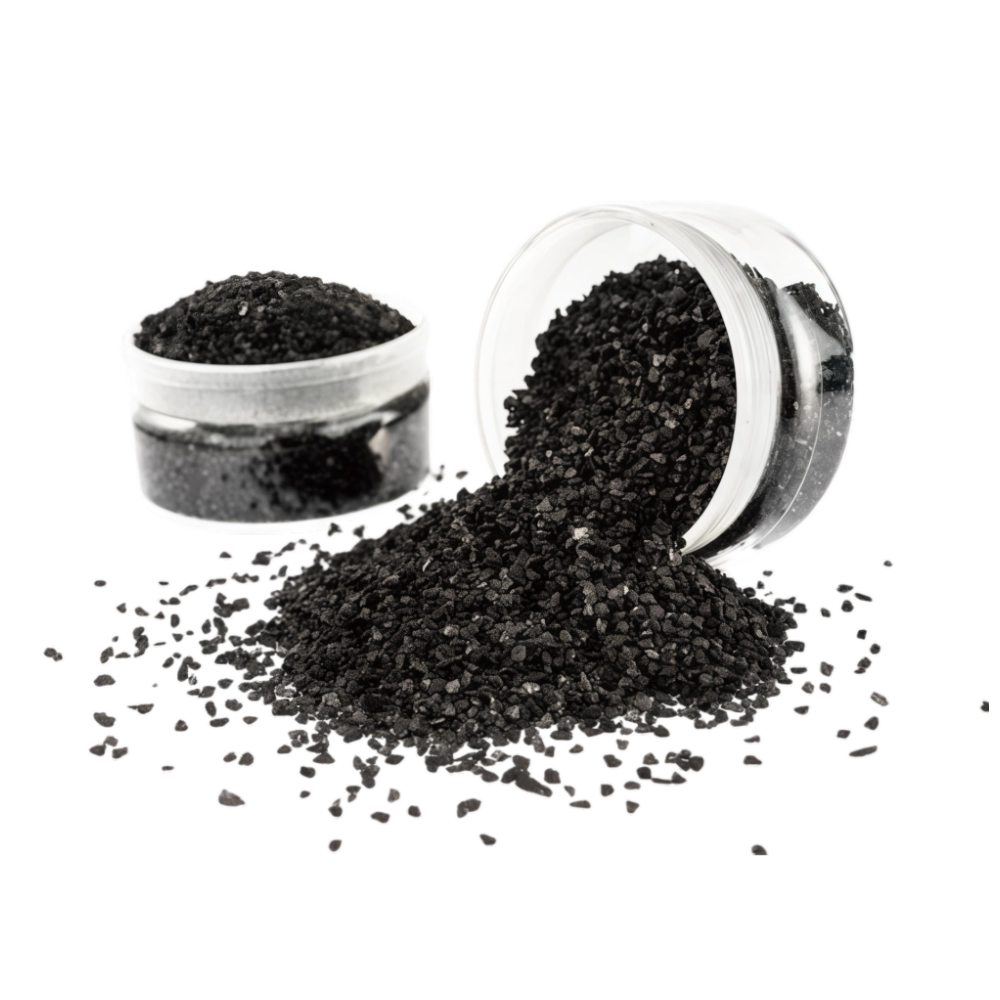
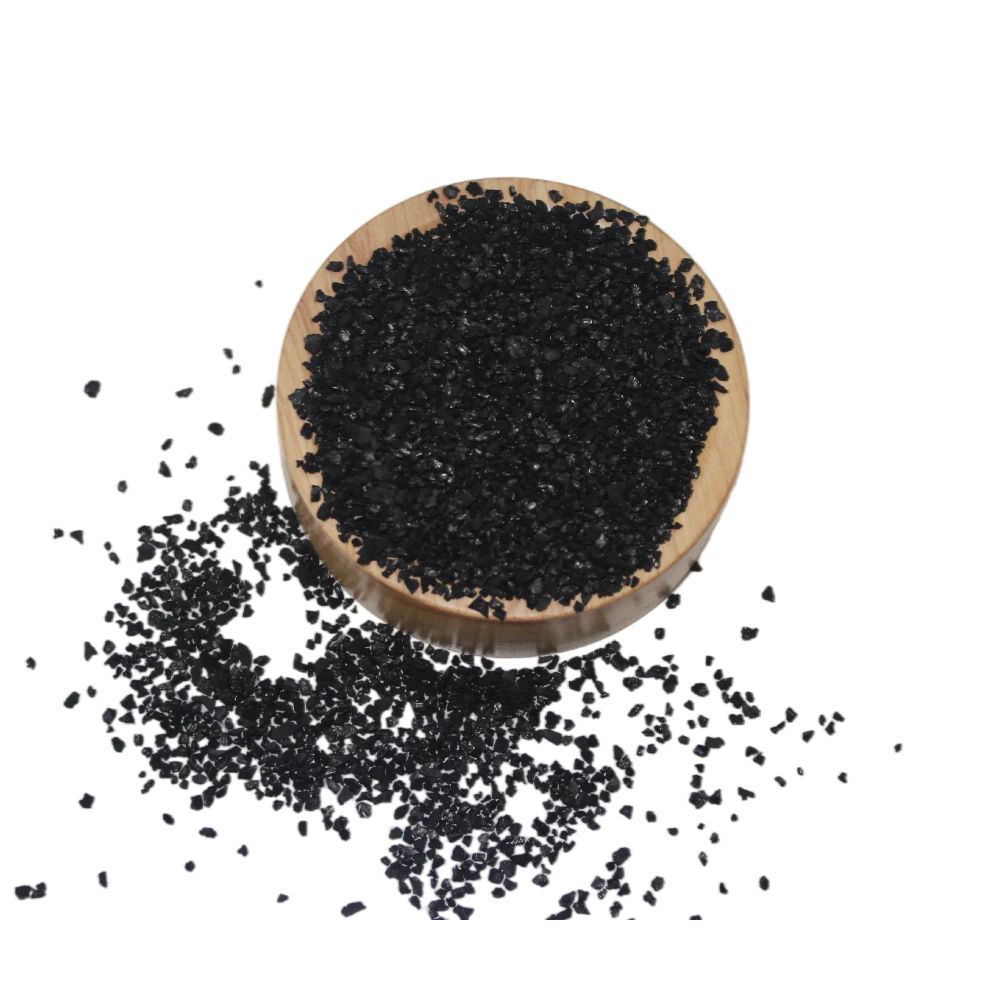
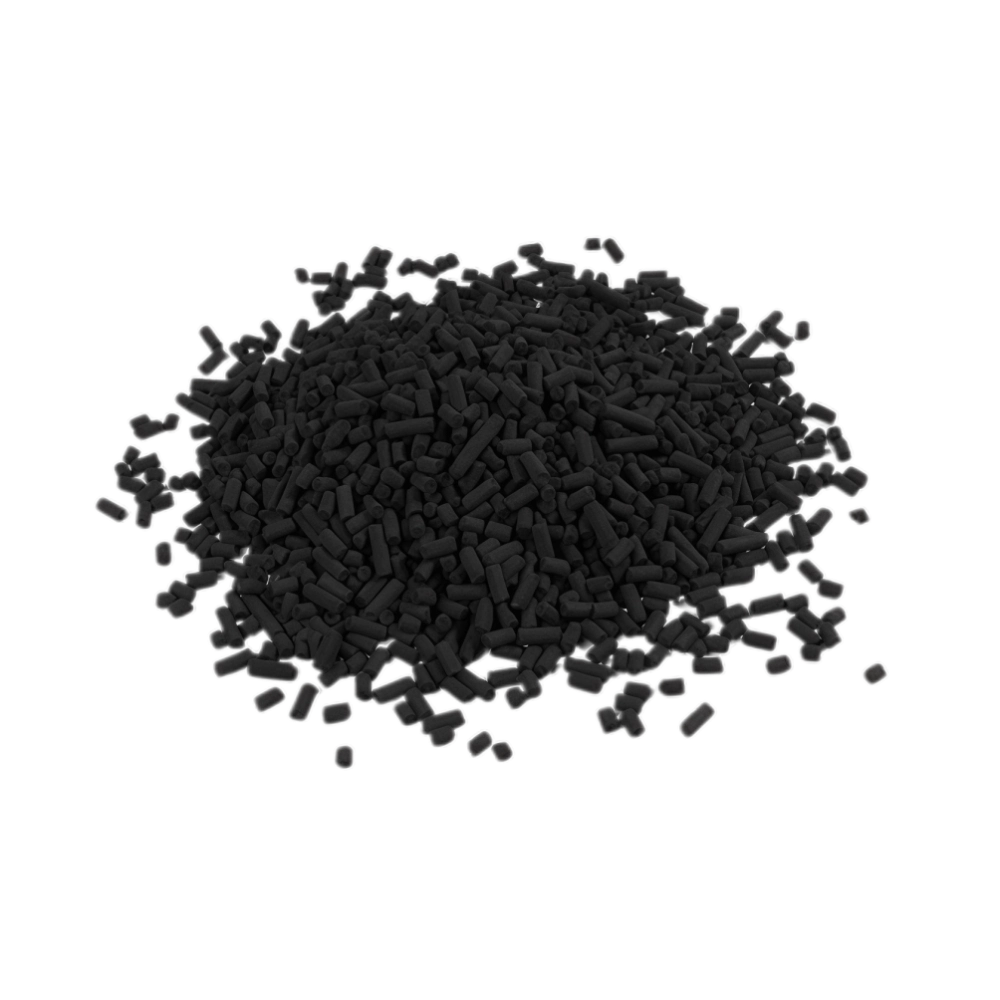
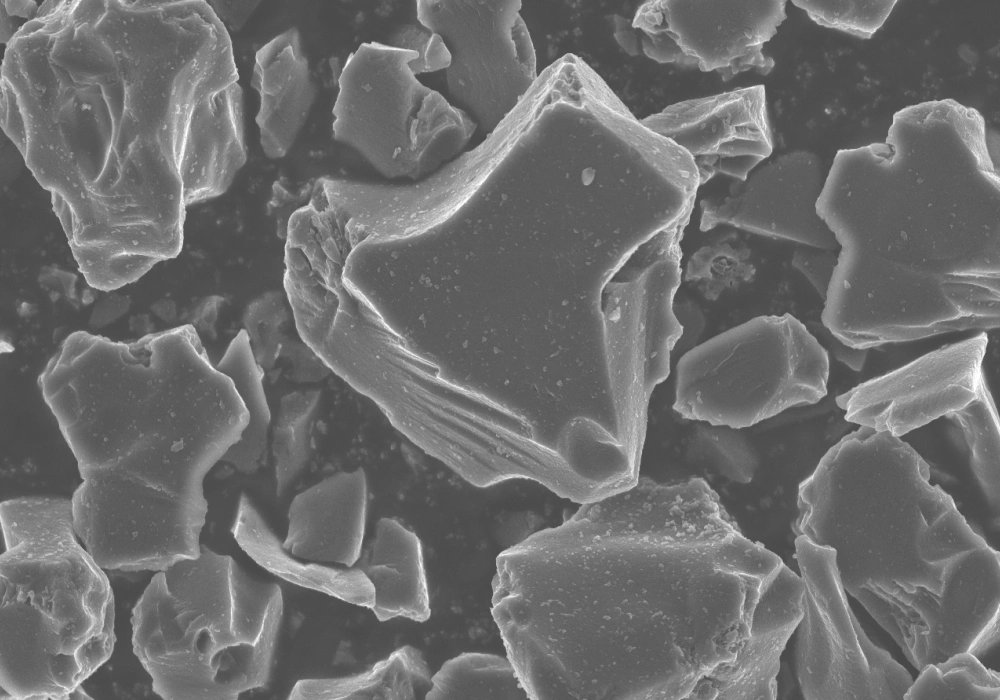
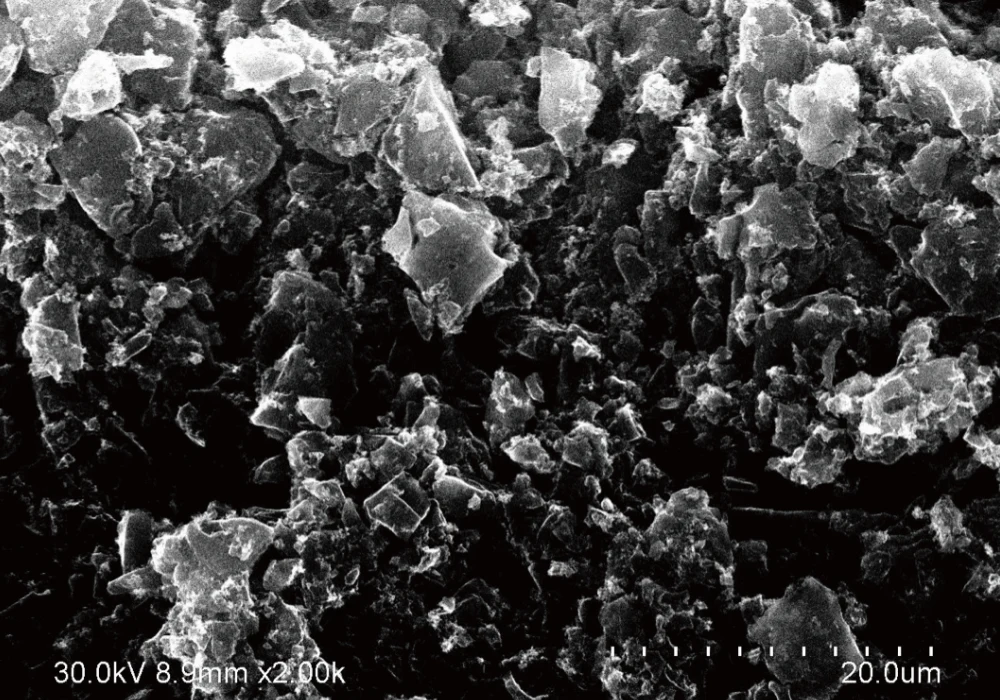
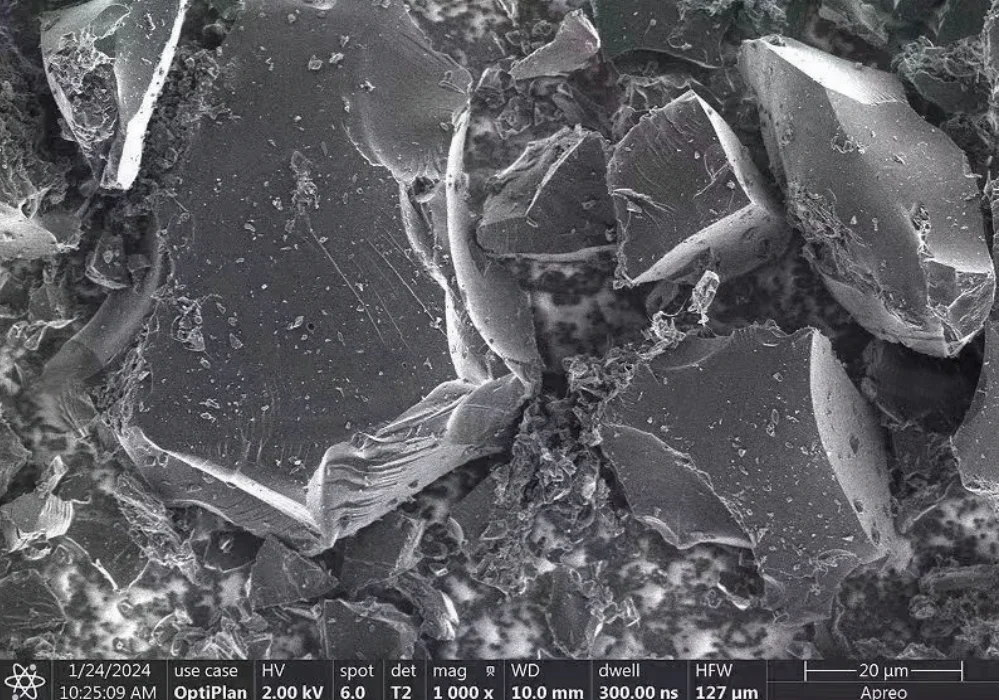
Activated carbon is a highly porous adsorbent produced by carbonizing and then activating carbon-rich raw materials such as coconut shells, wood, or coal. The activation process—using steam or controlled chemical treatment—creates an enormous internal surface area, often exceeding 1,000 m² per gram.
In food decolorization applications, activated carbon operates through two mechanisms:
1.Physical Adsorption: The vast network of micropores and mesopores physically traps pigment molecules, caramel compounds, melanoidins, and colloidal impurities.
2.Chemisorption: Surface functional groups chemically bind certain polar contaminants, including residual processing chemicals and odor-causing compounds.
The result is not merely a lighter color, but a cleaner, more stable product with extended shelf life and improved sensory profile.
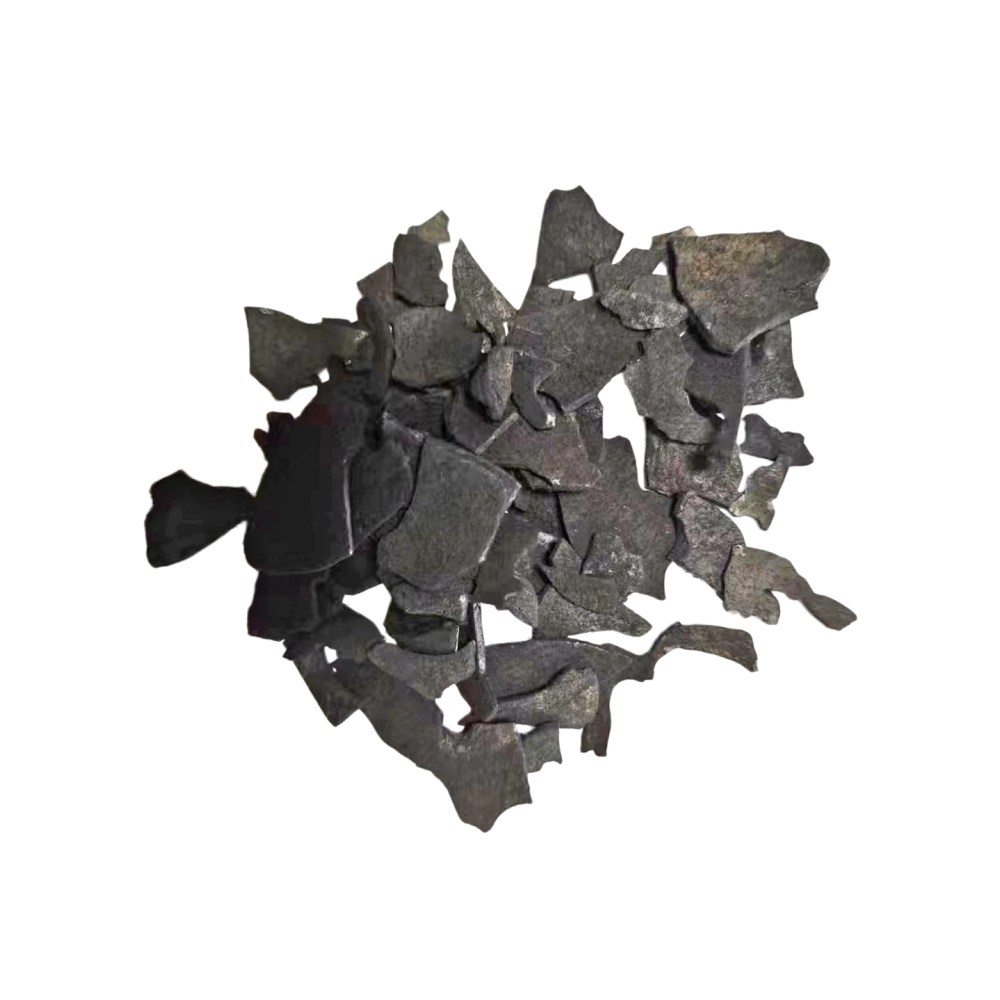
Coconut shell activated carbon is especially prized in food processing because of its high hardness, low ash content, and predominantly microporous structure. These properties make it ideal for adsorbing the smaller organic pigment molecules typically found in sugar liquids, edible oils, and alcoholic beverage
Where Is Activated Carbon Used in Food Decolorization?
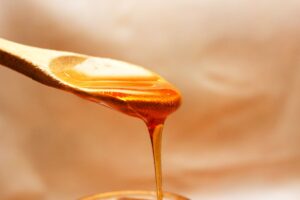
1. Sugar and Syrup Refining Raw cane and beet sugar contain natural pigments, polyphenols, and colloids that darken the final product. During sugar refining, activated carbon decolorization is employed alongside ion-exchange resins to achieve the brilliant white crystals consumers expect. It removes color precursors, reduces inversion losses, and improves overall yield.
2. Edible Oil Purification Crude vegetable oils—palm, soybean, sunflower, and rapeseed—contain chlorophyll, carotenoids, and oxidation by-products. In the bleaching stage, food-grade activated carbon works synergistically with bleaching earths to adsorb chlorophyll, soaps, phospholipids, and peroxides. The outcome is a clear, stable oil that complies with CODEX, FDA, and EU food safety standards.
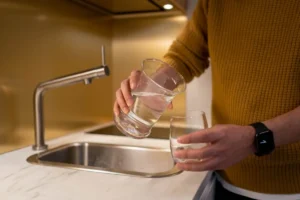
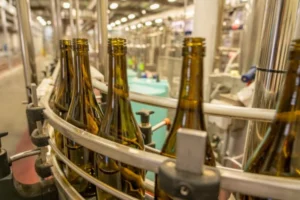
3. Alcoholic Beverage and Drinking Water Clarification In the production of spirits, wine, and vinegar, trace amounts of fusel oils, aldehydes, and higher alcohols create off-flavors and haze. Activated carbon polishes these products to crystal clarity. Additionally, the drinking water used as a base ingredient is pre-treated with activated carbon to remove organic contaminants and chlorine residuals, ensuring a neutral canvas that never compromises taste or color.
4. Food Additive and Chemical Synthesis Food-grade acids, amino acids, and sweeteners often require post-synthesis purification. Activated carbon acts as a final polishing agent, stripping away by-product pigments and unreacted raw materials so the additive meets strict food-grade purity specifications
What Are the Real Benefits of Using Activated Carbon for Food Decolorization?
- Exceptional Adsorption Capacity: The ultra-high surface area and tunable pore distribution enable rapid, thorough removal of color bodies.
- Selective Purification: It targets pigments and impurities while preserving nutritional value and desired flavor compounds.
- Thermal Regenerability: Spent carbon can be reactivated through high-temperature processing, cutting long-term waste and raw-material costs.
- Chemical-Free Safety: When manufactured under food-grade activated carbon standards (GMP / HACCP / NSF), the process introduces zero chemical residues into the food chain.
- Lower Total Cost of Ownership: Compared to membrane filtration, reverse osmosis, or advanced oxidation, activated carbon systems demand less capital investment, lower energy input, and simpler maintenance.
Which PURESTAR Products Are Engineered for Food Decolorization?
Not all activated carbon is created equal. Food processors need consistent, batch-to-batch reliable adsorbents that satisfy both performance and regulatory requirements. PURESTAR’s coconut shell activated carbon portfolio for food applications includes:
- High Iodine Value Grades: Delivering maximum adsorption capacity for pigments and odor molecules.
- Acid-Washed Variants: Minimizing soluble ash and preventing pH drift in sensitive applications such as wine clarification and fruit juice processing.
- Low Heavy Metal Specifications: Compliant with EU 1935/2004, FDA 21 CFR, and other major food-contact regulations.
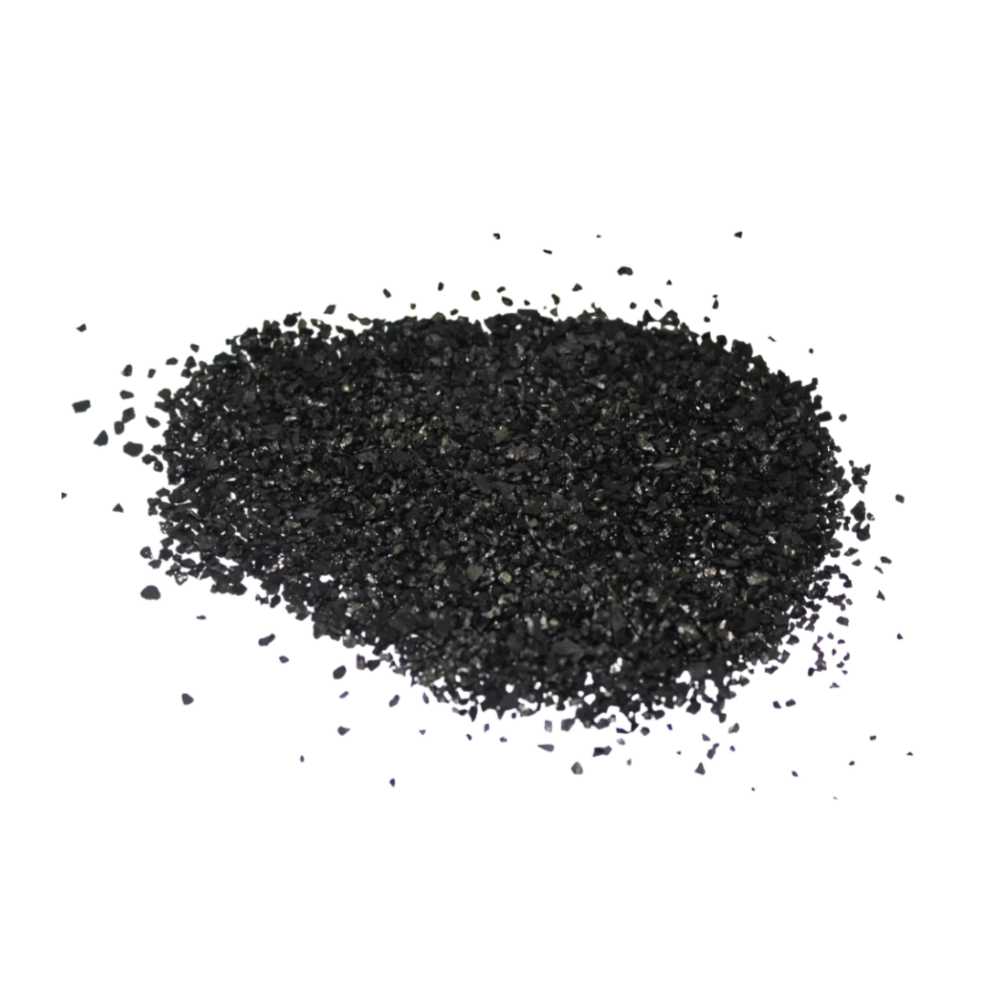
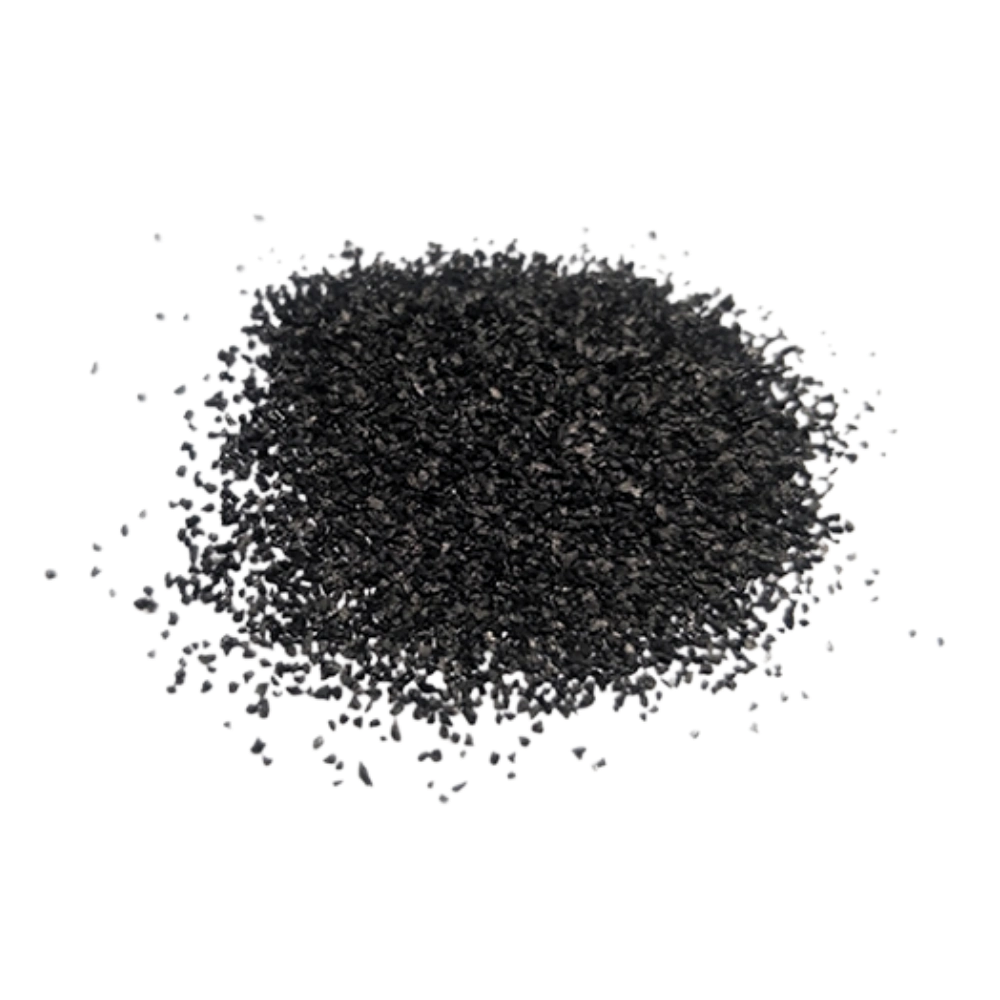
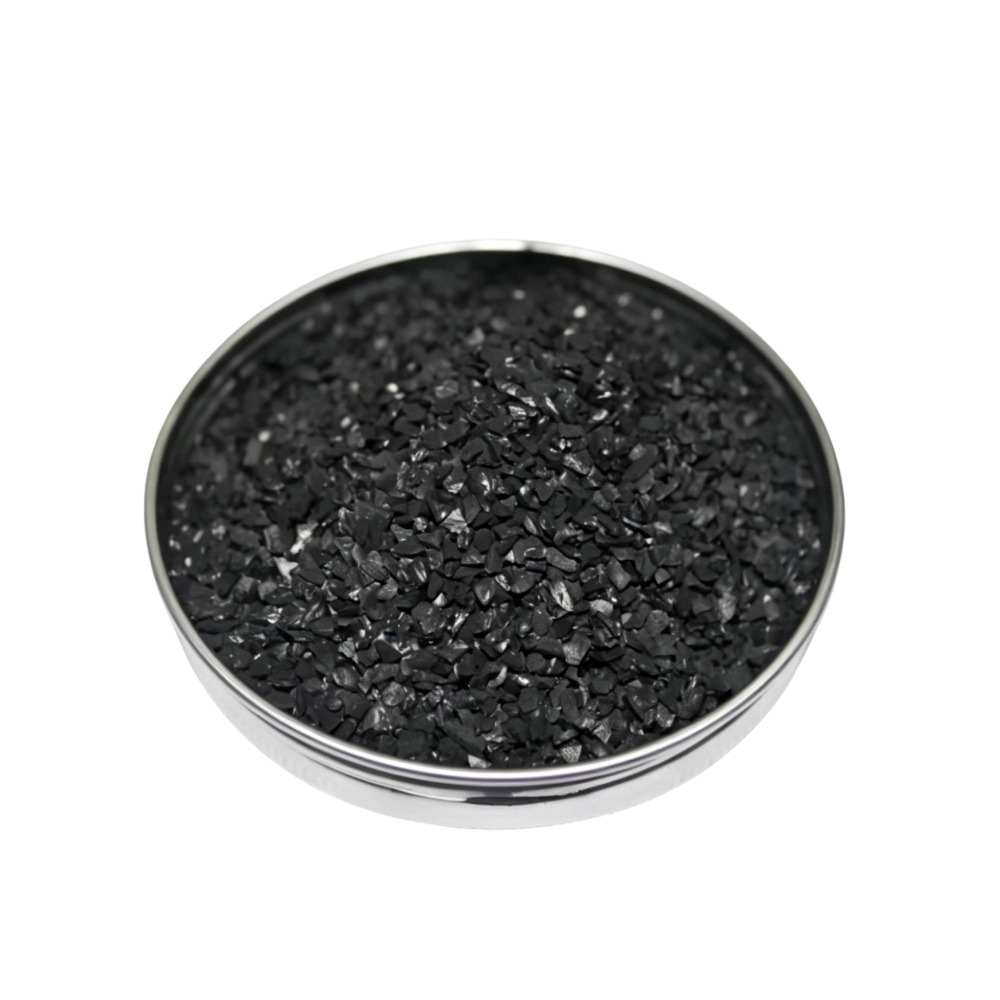
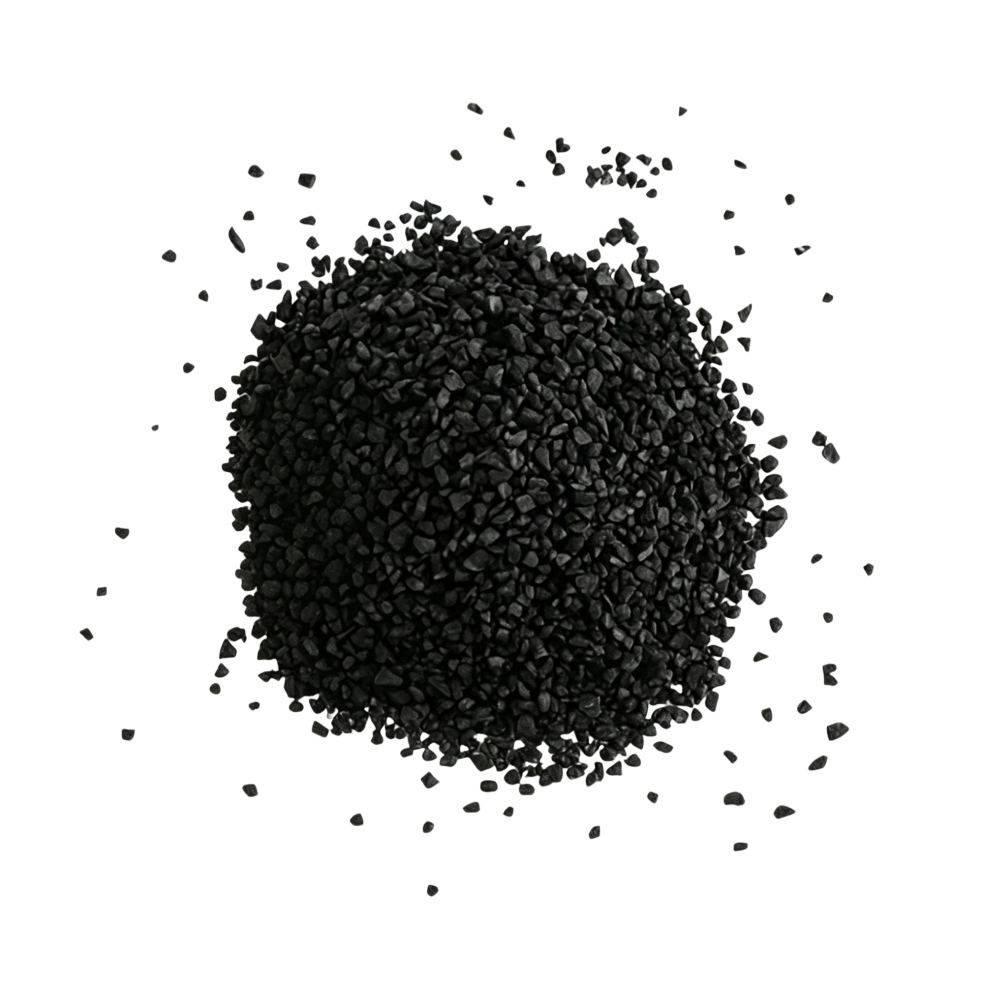
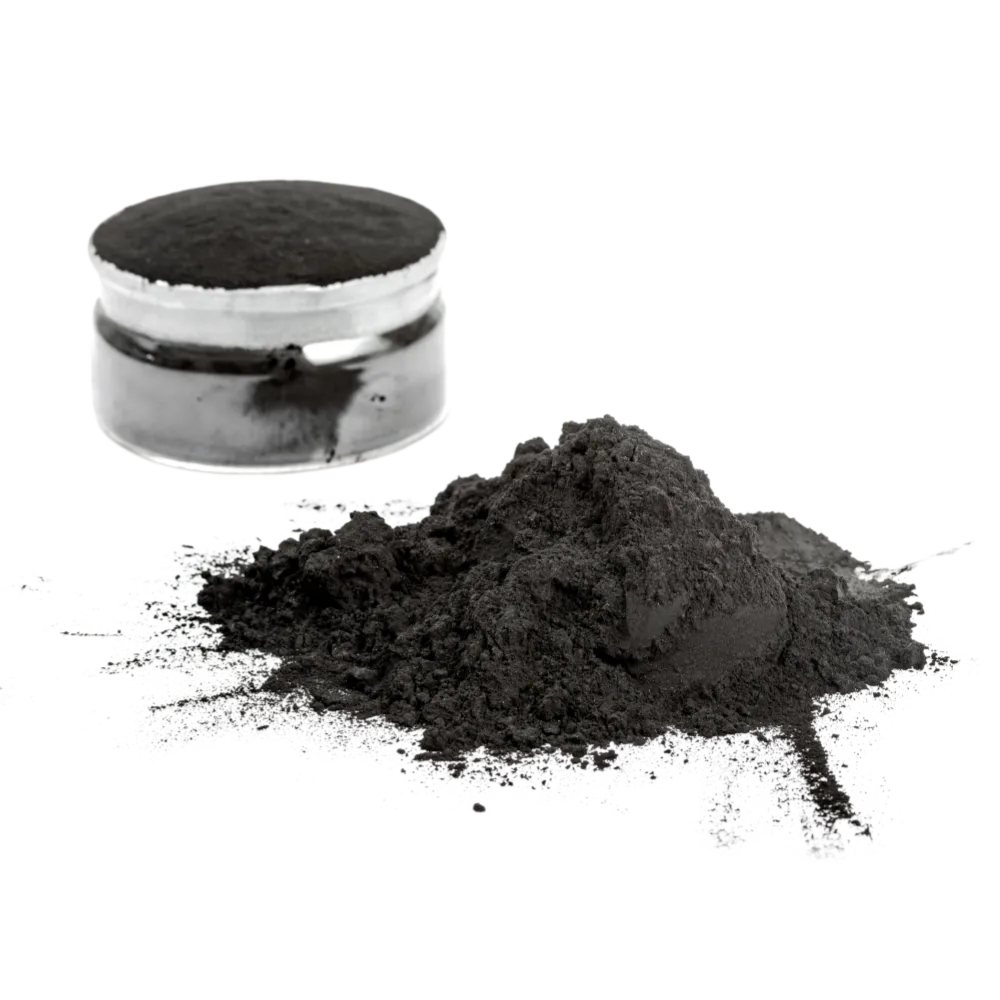
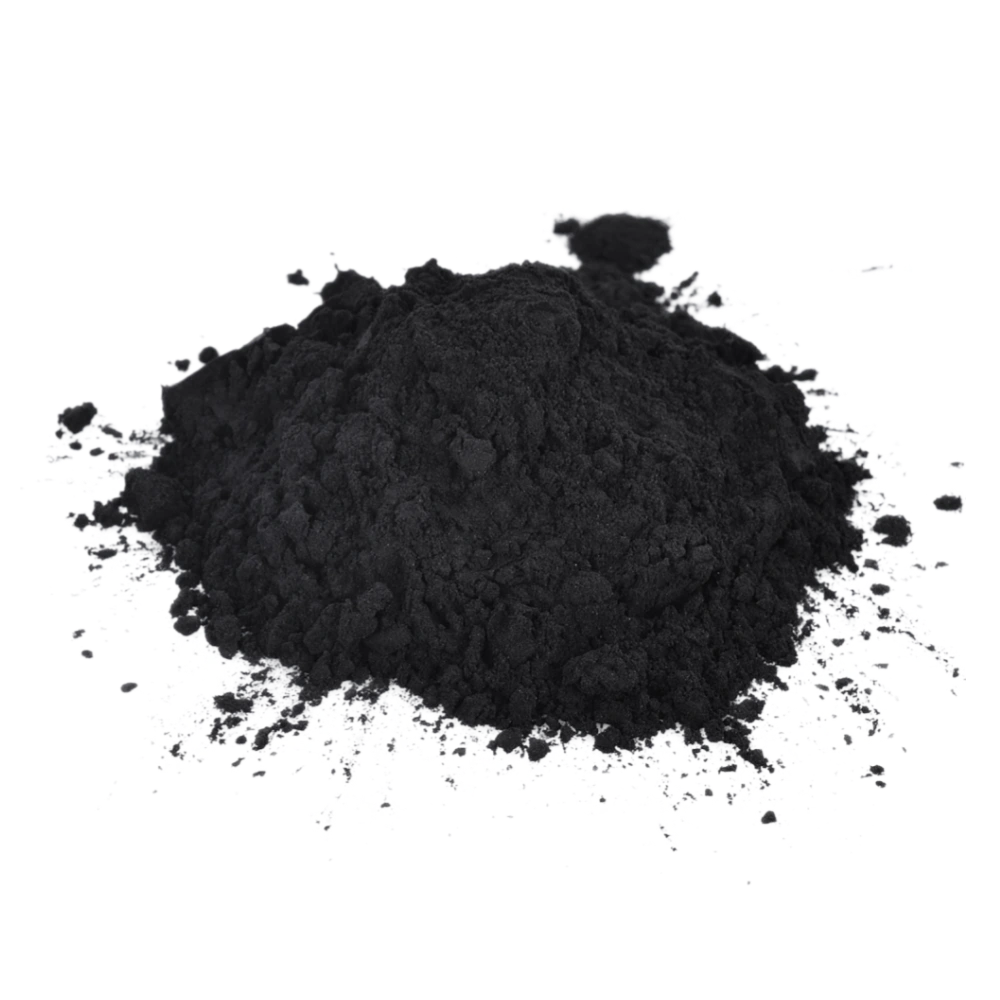
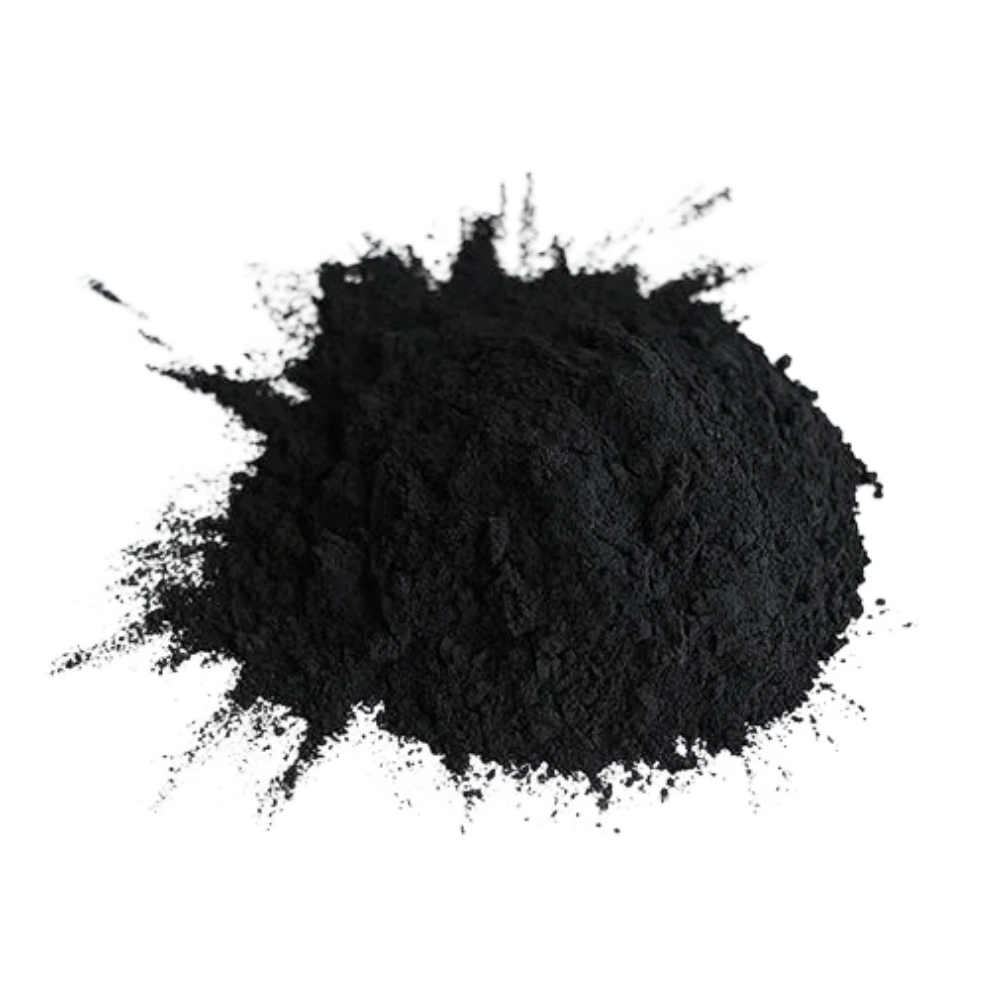
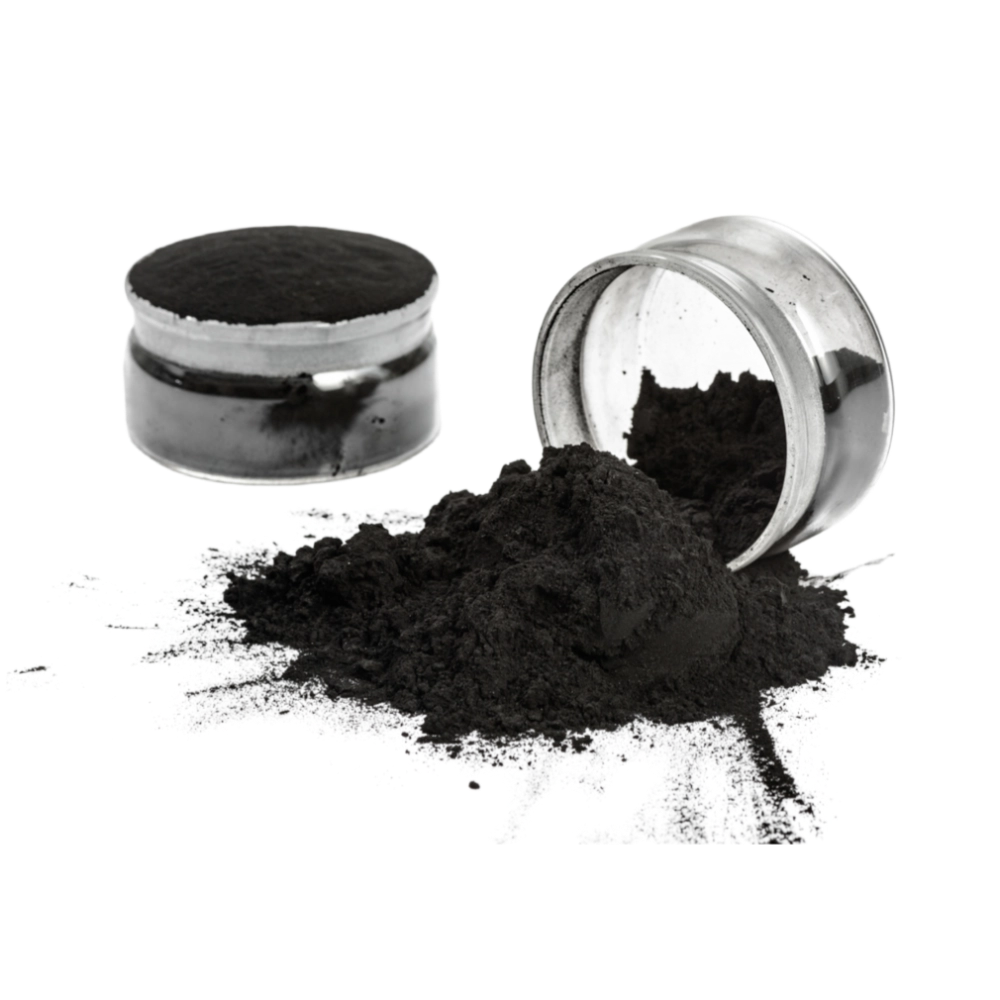
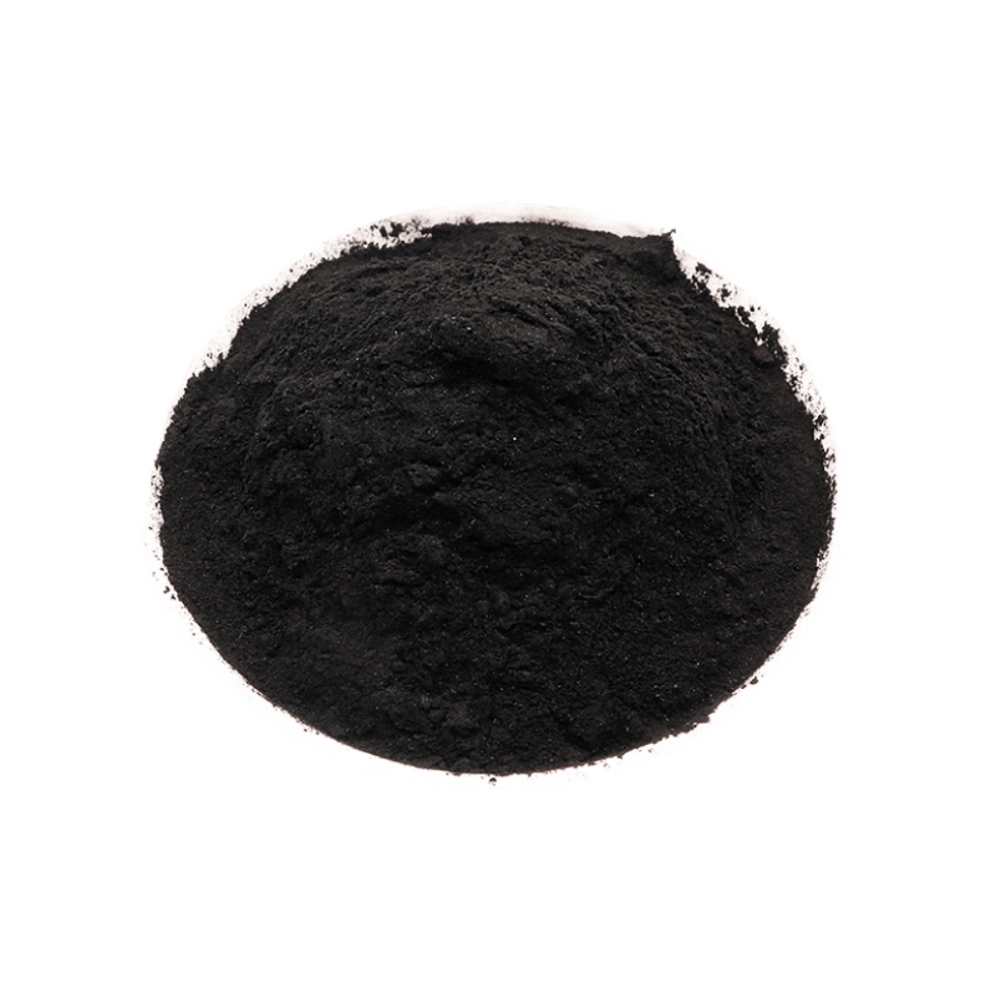
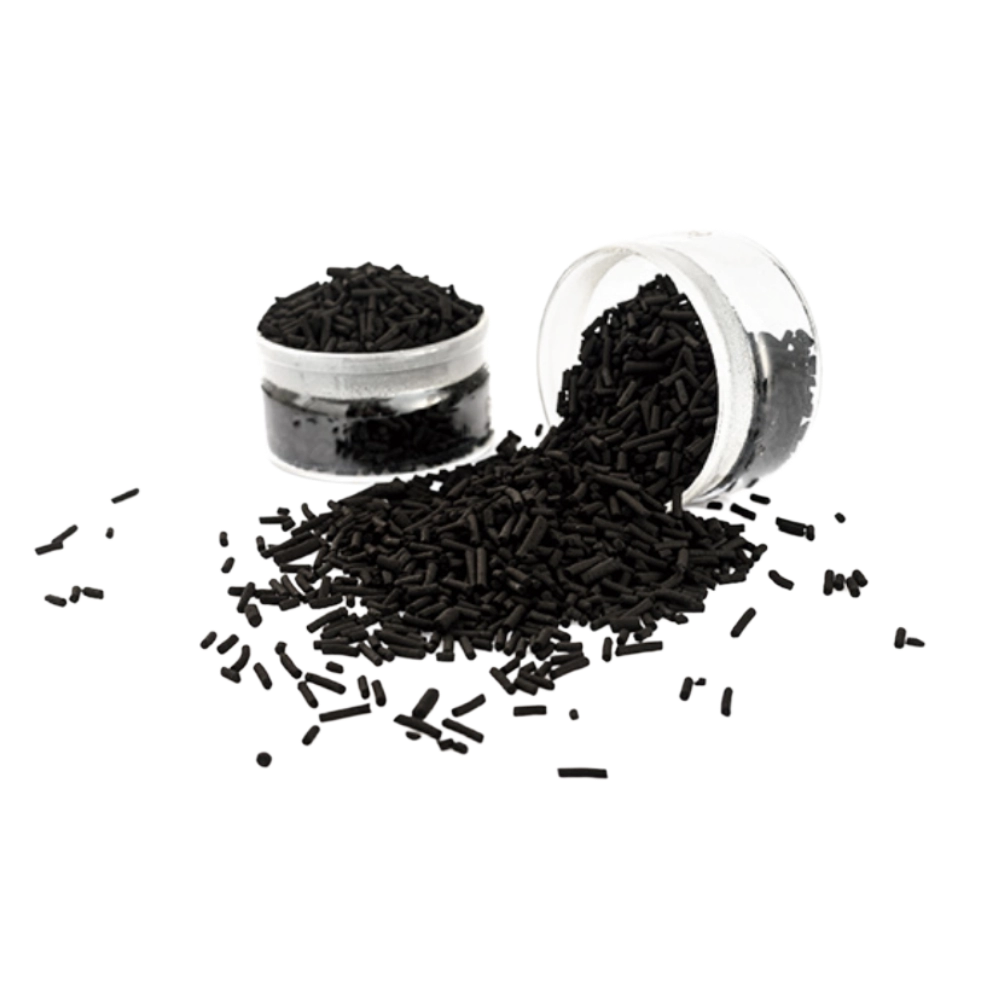
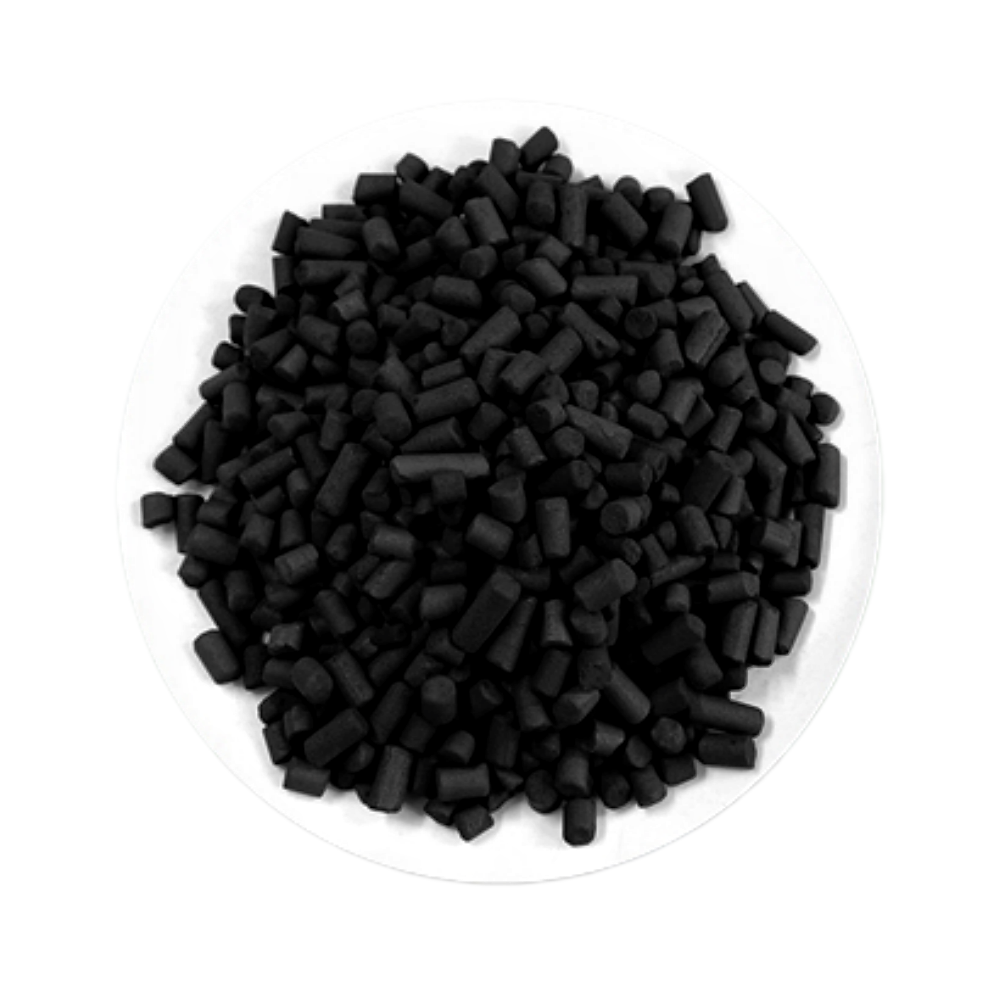
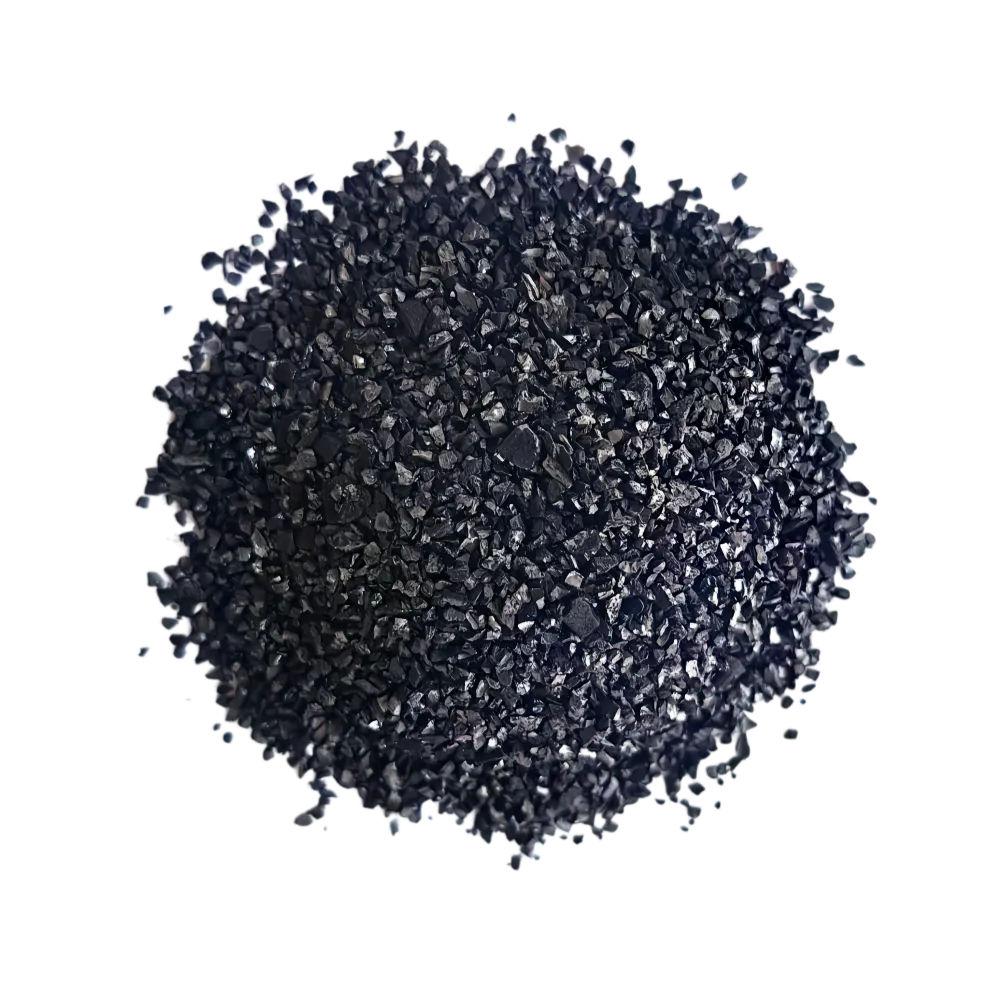
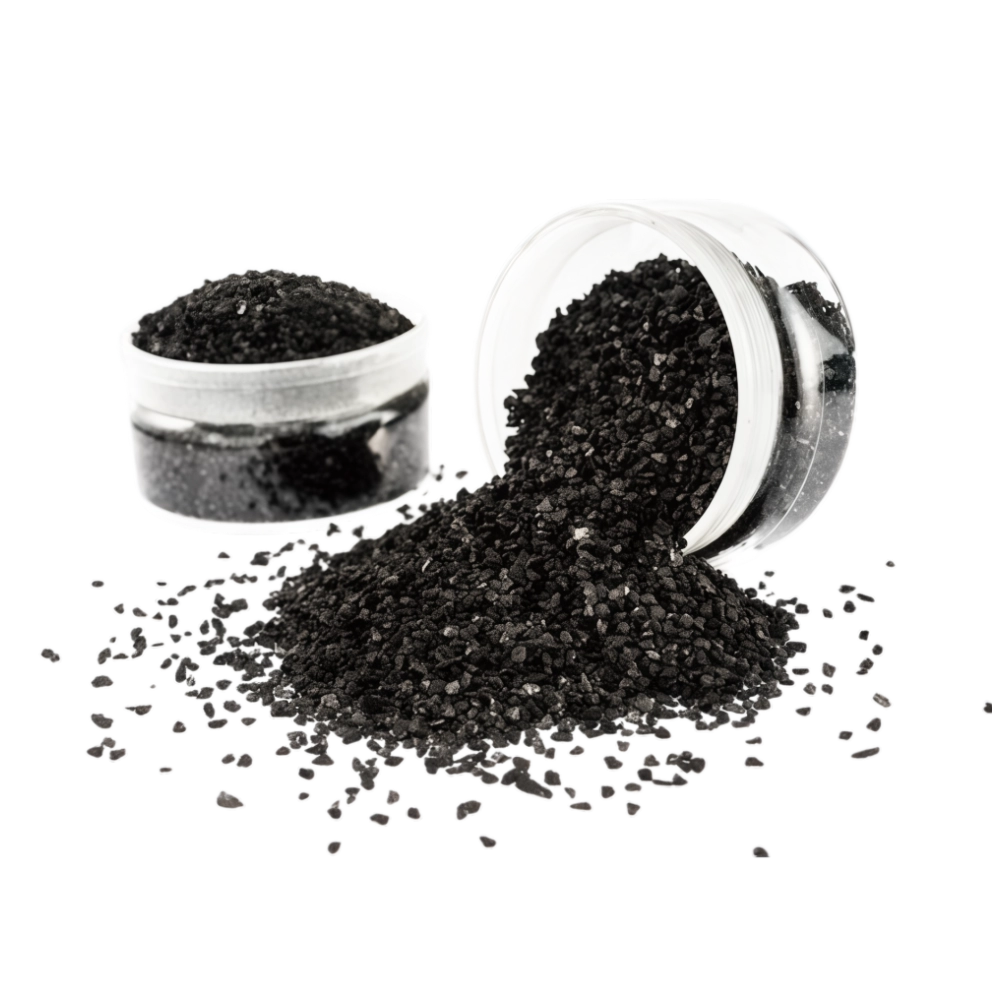
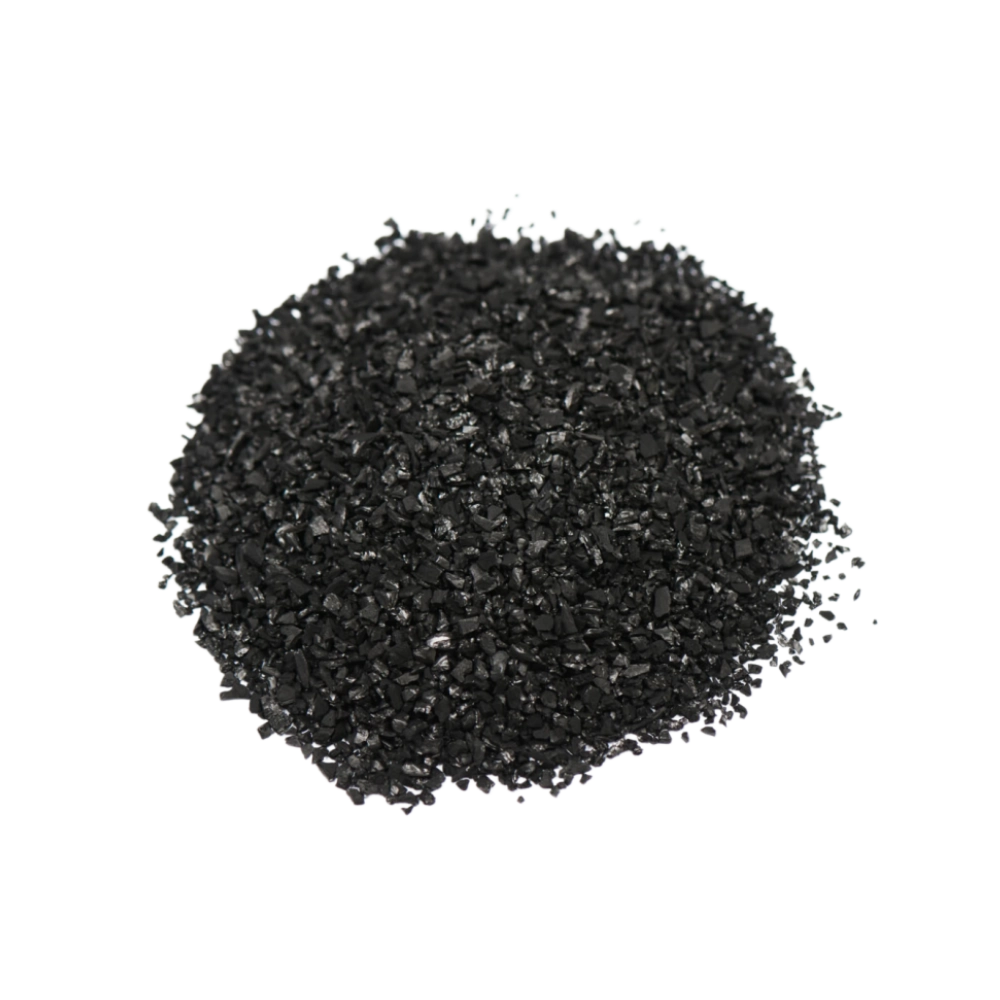
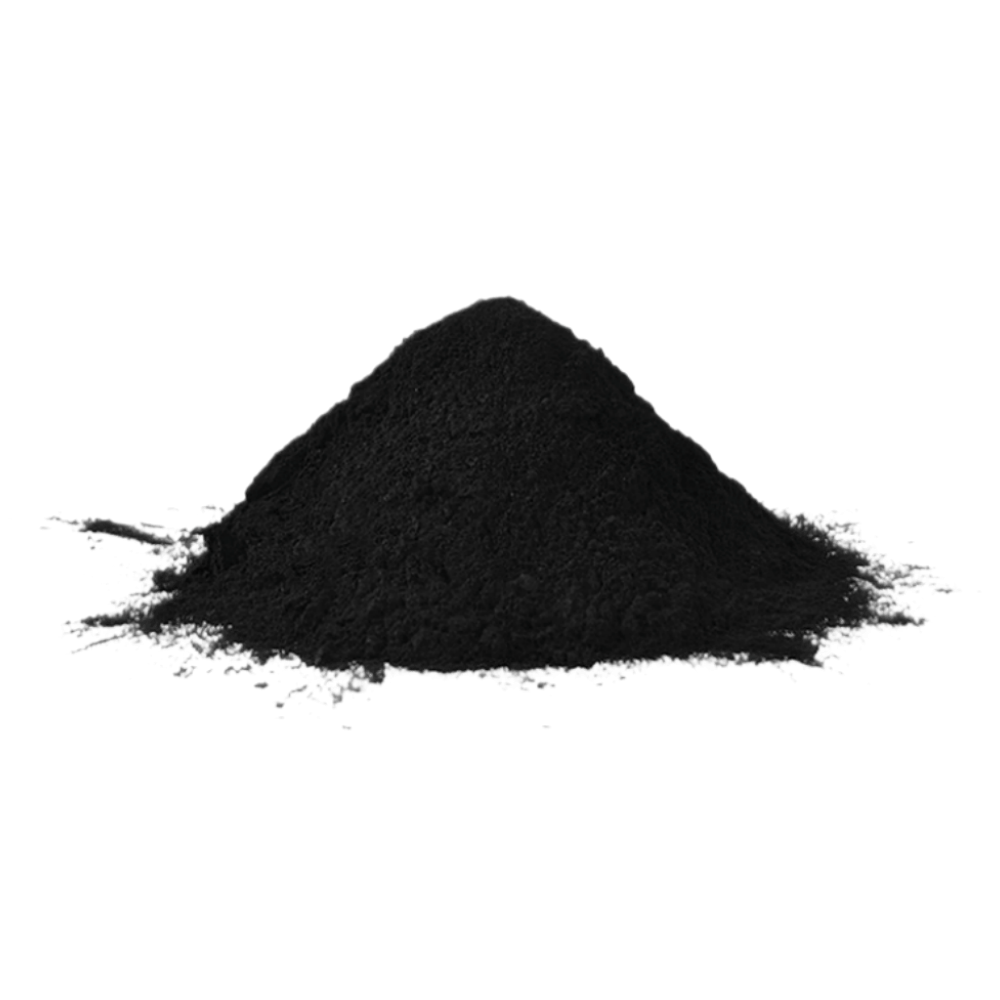
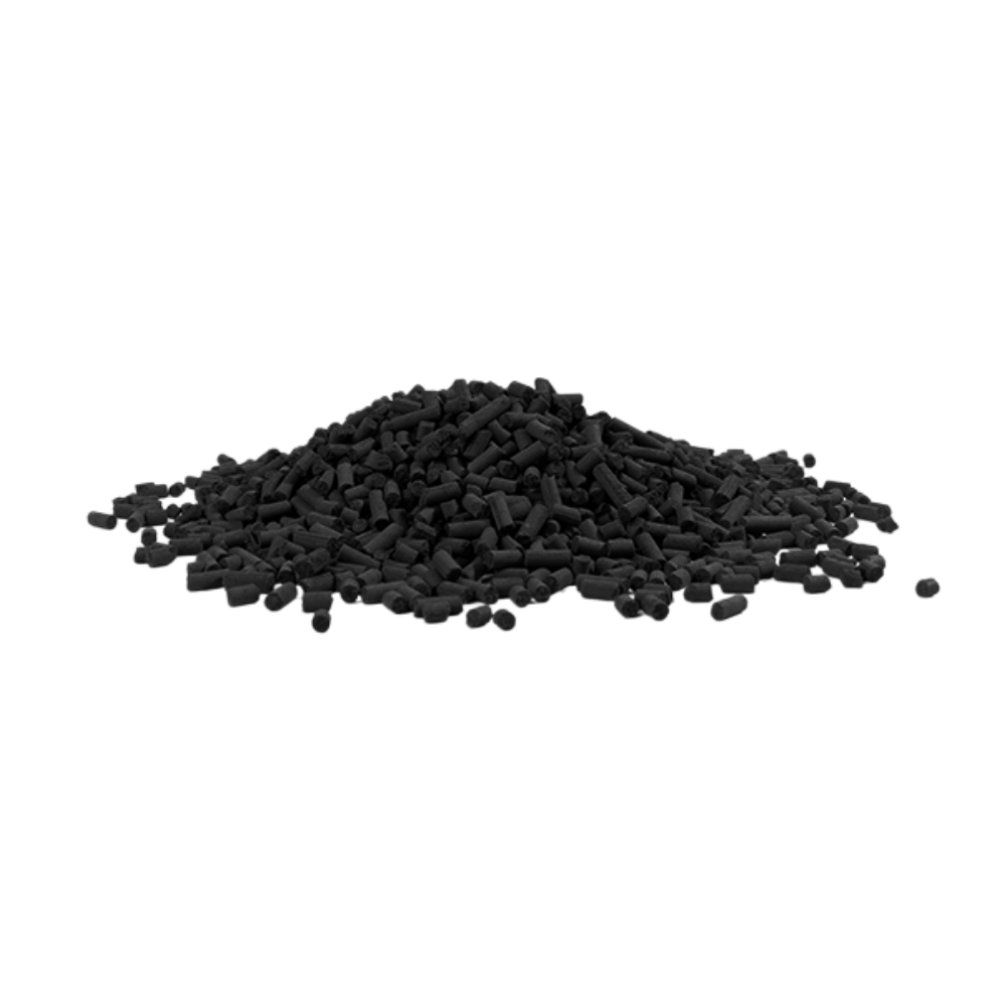
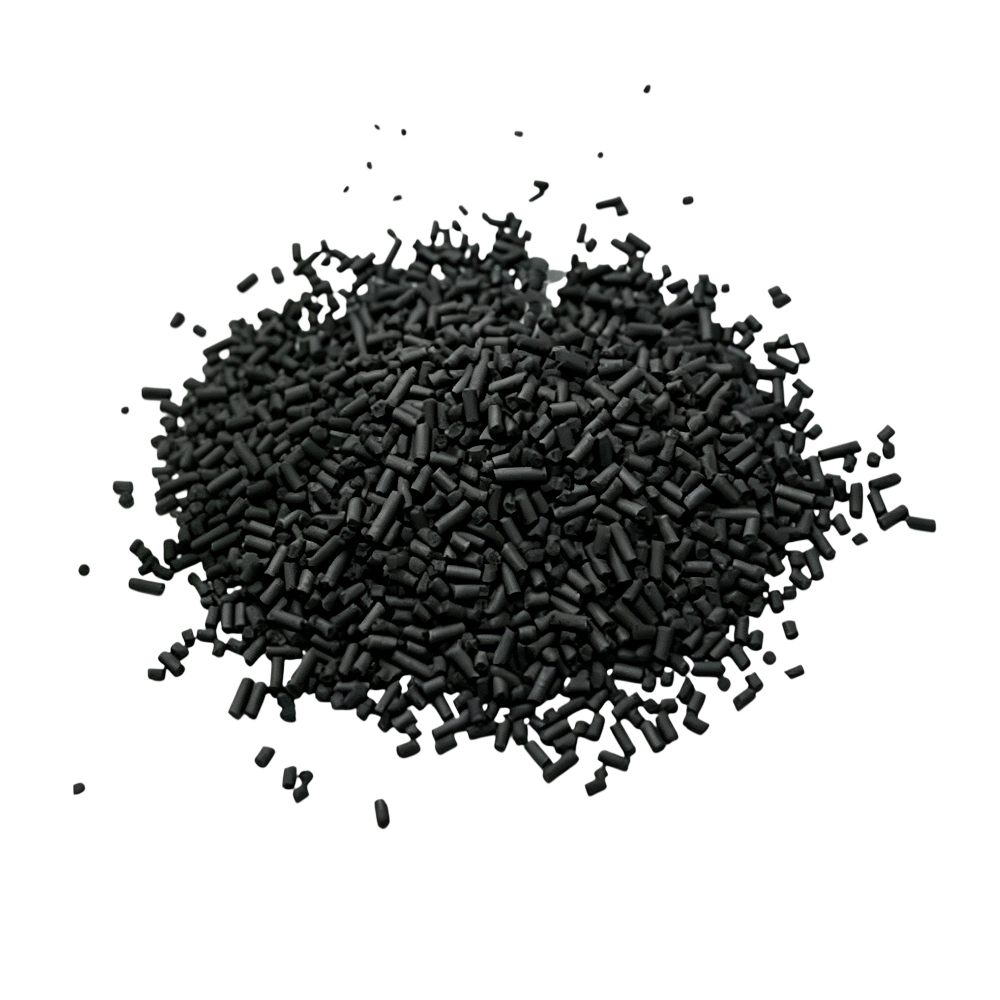
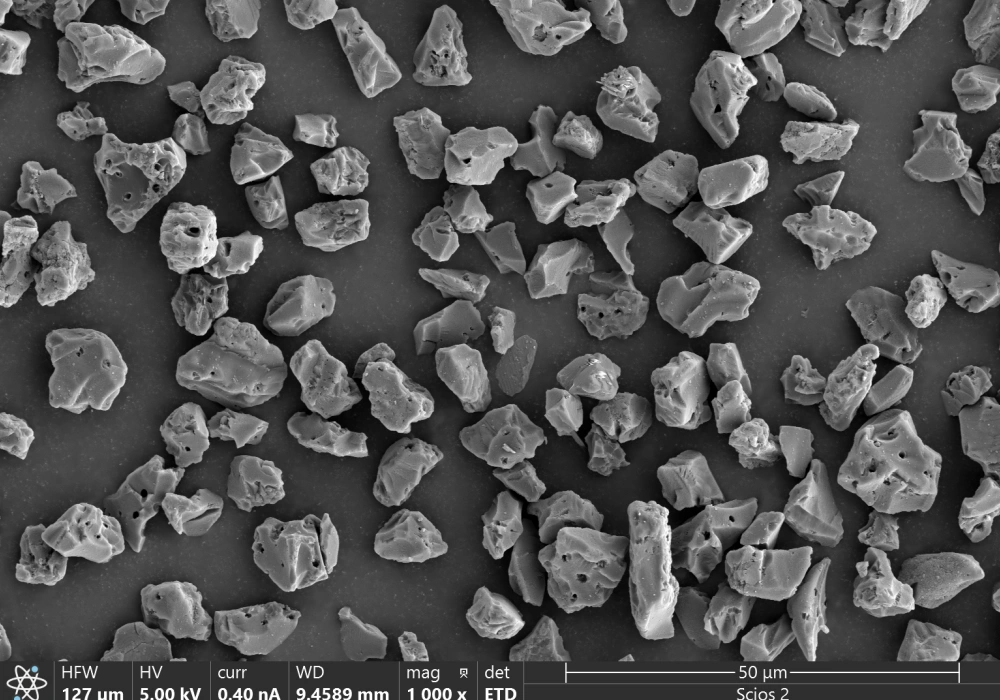
- Powdered and Granular Forms: Powdered activated carbon for batch slurry processing; granular activated carbon for continuous fixed-bed or moving-bed column operations.
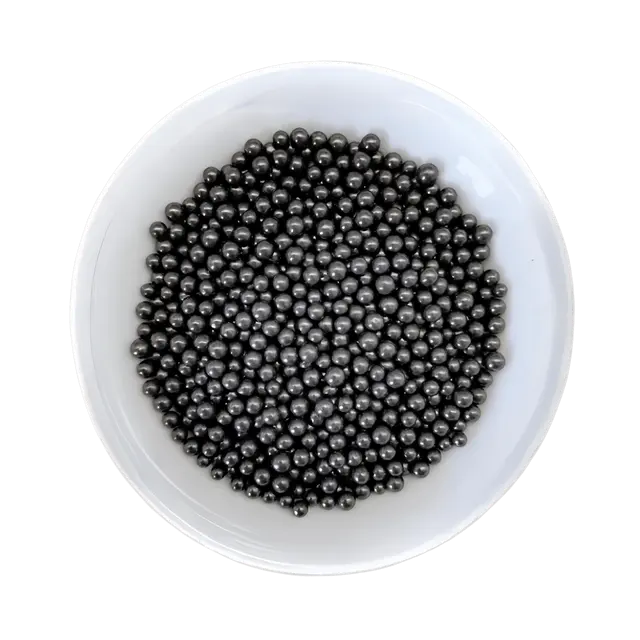
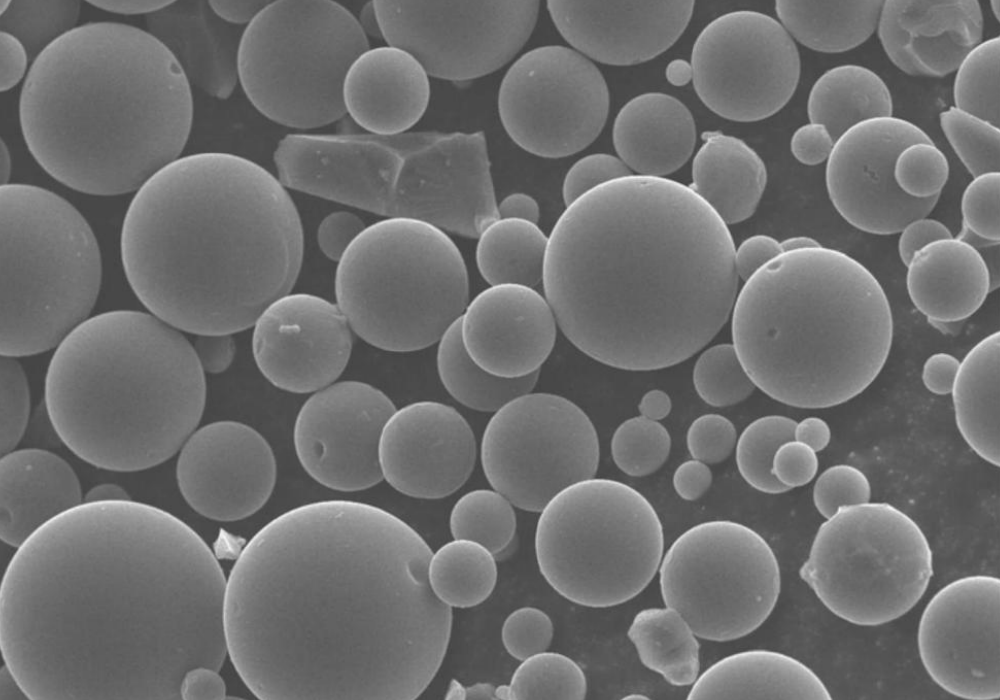
For specialized scenarios requiring catalytic activity or enhanced pressure-drop performance, PURESTAR also manufactures impregnated activated carbon and spherical activated carbon. These advanced materials are used in niche food chemical processes where standard grades may not deliver optimal kinetics or mechanical stability.
Conclusion: Is Your Current Decolorization Process Truly Optimized?
If you are still relying on outdated bleaching methods or generic adsorbents, you may be sacrificing yield, color stability, and regulatory compliance without realizing it. Activated carbon for food decolorization remains the industry benchmark because it solves the problem comprehensively—removing color, odor, and impurities in a single, cost-efficient step.
By choosing a specialized food-grade activated carbon manufacturer like PURESTAR, you gain more than a commodity. You gain a filtration partner whose products are designed to improve clarity, extend shelf life, and protect your brand reputation in every batch.
